Unknown's avatar

Is It Time To Retire Your Workhorse?

img_3496bfree

Image source


You’ve held onto your car through many years and every time you think her life has come to an end, miraculously you have managed to stretch a few more miles out of her.  The thought of saying goodbye to the car you took on your first date, headed out on your favourite road trip and got you home through a storm when others were stranded, has been a little too much for you.  Sadly though, it’s time to admit her driving days are over.


If you are lucky you may find someone who is just starting out as a driver and is desperate to get their hands on a cheap project car.  Who know’s with a little bit of TLC somebody could nurse her back to life.  Or you could consider setting her off on a new life at the race track.  Her engine is kaput but she has an incredible chassis so maybe someone could give her an exciting future.  The likely route? Junk cars for cash.  Sorry, as hard as that is going to be, we have to let go at some point right?


Good.  Now that is sorted out, let’s have a look at your new options.  A younger, safer more reliable workhorse that is going to look after you, and your children if you have them, slowly becoming full of brilliant memories you will make in the future.


Car finance packages are an excellent way of getting into a brand spanking new car.  There are so many options right now including hire purchase solutions which can help bring the monthly costs down a touch.  You could also consider checking with your personal bank and seeing what rates they offer.  Sometimes the interest rate on a bank loan is a little lower.  Although the bonus of dealer finance is you sometimes find they offer some incentives too.  Such a discount on the OTR price of the car.  Dealers make money out of selling you finance so they are able to move a little more on price sometimes.  Also a few manufacturers offer free insurance for a year or free servicing.  So speak to your local car traders and find out what they have to offer.


If you don’t have the budget to go new and the finance is something you want to avoid then the second-hand car market is the place for you.  With plenty of internet auction sites specialising in second-hand motors, you can cut out the middleman and head straight for the seller.  You will need mechanical knowledge, so if you are light on that then find a friend or a local mechanic who will come with you.  Make sure you do a history check on the car too.  You don’t want to be buying something that ought to be in the junkyard you just sent your old faithful to.
Buying a new car is a huge commitment and a massive financial investment so take your time and do your research.  However the peace of mind that comes from having a newer car with tons of modern safety features is worth the wait and the money.  Happy driving!

Contributed Post.

If you like what you’ve read here, please let others know of this post, blog, and site.

And thanks for reading! 🙂

Unknown's avatar

Buying A Write-Off Car: Can You Grab A Bargain?

car-1245786_960_720

Picture Credit


Plenty of cars and other vehicles that are written off by insurance companies are not necessarily as dead as a dodo. In fact, many can be fixed up and sent back onto the road in no time at all, and for any car buyer looking for a good deal, a write-off can prove tempting. However, you do need to be careful, as there are plenty of ways you could end up being taken for a – very dangerous – ride. Let’s take a closer look at some of the basics of buying a write-off, and what you need to do to avoid trouble.


The value in written-off cars


Cars are written-off because they are damaged beyond a point where insurance companies feel it will cost to fix. So if your car is worth $5,000 at the point of an accident, but repairs will cost more than that, no insurer is likely to give you a payout – and will write-off our vehicle. For a car buyer, the value lies in a written-off car that doesn’t cost as much to repair as the insurance providers think. However, some cars are written off merely because they are dangerous, and it’s important to understand the difference.


Check the Written Off Vehicle Register


To accurately establish the condition of any vehicle you are thinking of buying, you should always check with the Written Off Vehicle Register (WOVR). This initiative was created to prevent dodgy repair companies fixing up write-offs and putting them back into the market as used cars, rather than ex-write-offs. It’s a process known as ‘rebirthing’ and often results in the car getting a new identity. The truth is that whether you are buying new or a write-off, you should always check this service out regardless.


Find repair services


Obviously, the best value in buying a previously written off vehicle relies on you doing the repairs. They are a great option for a DIY project, of course, but you should be able to find plenty of professionals to help if you don’t have the skills. Check your local business directory for mechanics with experience of working with write-offs and smash repairs. Bear in mind that buying a write-off is not for the faint of heart, and it’s important to be able to estimate the actual cost of any damage. Some repair jobs could exceed your expectations, so always get it inspected by a qualified individual first.


Return to the road


You will need to have a string of safety checks on your new purchase when it is fixed, to prove its roadworthiness. If you don’t go through this process, the car will be illegal – and you will end up in a lot of trouble if caught. You should also bear in mind that when you sell it on, it will be necessary to declare it as a write-off. And this could cause you problems, as most people will turn their backs on a car as soon as they realise its history of being a write-off. However, if you want to save money and grab a bargain vehicle that could last you for many years, the write-off market is worth a look – just be careful what you buy!

Contributed Post.

If you like what you’ve read here, please let others know of this post, blog, and site.

And thanks for reading! 🙂

Unknown's avatar

The Essentials Of Buying Vehicles For Your Business

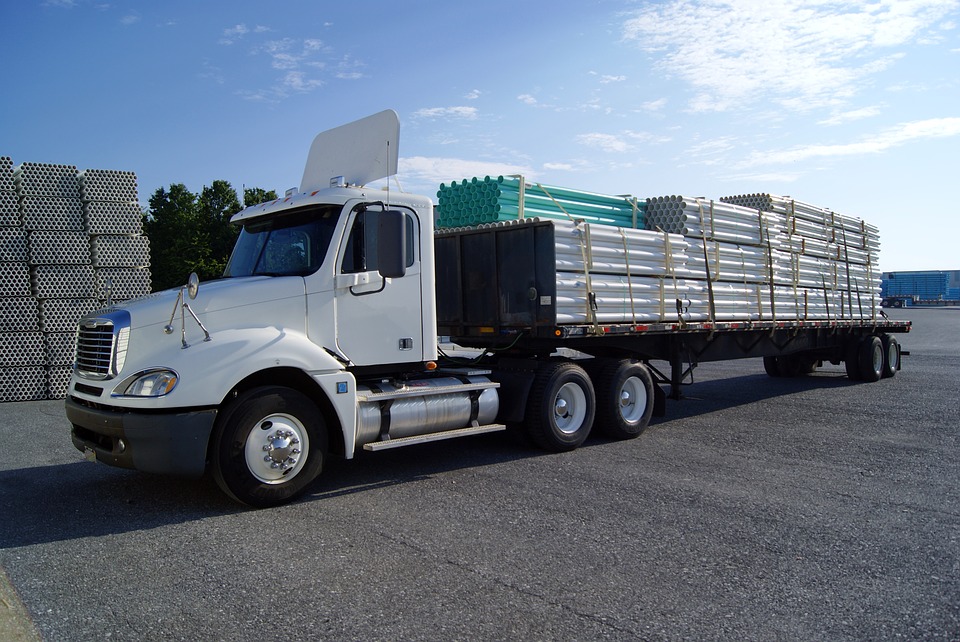
There are a million and one reasons why you might need to consider buying cars, trucks, or vans for your business. Whether it’s a little company car or an entire fleet of delivery vehicles, there are plenty of advantages of investing in wheels for your enterprise.


Cars are flexible and can act as an enticing offer to prospective employees. Vans are handy for deliveries and are also the workhorse of many a business. And if you need to deliver on a  massive scale – possibly across international borders – then trucks will be an essential purchase.


The big question is, how do you go about investing in a fleet of vehicles? Let’s take a look at everything you need to know – and what to expect.

truck-1565478_960_720

source


Is it worth buying?


First of all, you will need to establish whether buying vehicles will be more cost-effective than leasing them. In many cases, leasing your fleet of vehicles will be a better move, as it helps you control costs and spread them evenly over a year. Bear in mind that depreciation comes into play when you buy new vehicles, too, which you won’t have to worry about in a leasing plan. However, in some cases – if you are using plots of cars, for example – it is sometimes better to buy than lease. When you buy multiple vehicles, you will often get a fleet discount, and there may be other accounting reasons for making a purchase.  


What are the costs?


The expenses of owning a fleet of vehicles will vary depending on what – and how many – you buy. You will need to run regular maintenance programs to ensure your assets are in good shape and there are plenty of one-off costs to consider, such as using a 24/7 truck breakdown service or bringing in mechanics. There’s the cost of storage to consider, too – lorries and vans take up a lot of room, and you will need to pay for that space. Finally, insurance is a must if you have a business fleet.

rescuer-1754324_960_720

source


What systems do I need?


You will also need to invest in a robust fleet management and logistics program to ensure you are keeping track of everything. Fuel costs, health, and safety, routes, license checks – they are all needed when you own a fleet and are employing drivers. Logistics is a vital part of any business that uses vehicles, and the goal for every company in this situation is to cut costs without impacting service quality.


Who should drive them?


While company cars can be offered to any employee with a license, it’s a little different for vans and trucks. It is imperative that you hire drivers that are sensible on the roads, and have clean licenses. You should also offer plenty of training, to ensure they always comply with health and safety issues. It might be worth buying a fleet with telematics technology on board, too, so that you can ensure that all drivers are using their vehicles at the appropriate speeds.


OK, so there you have it – a brief guide to some of the basics of buying a fleet for your business. I hope it has helped!

Contributed Post.

If you like what you’ve read here, please let others know of this post, blog, and site.

And thanks for reading! 🙂

Unknown's avatar

Are You A Safe Driver?

What would you say if somebody asked you if you were a good driver? Some people love driving while others feel a lot less comfortable and confident behind the wheel. Sometimes, the people who think they’re brilliant drivers are actually the most dangerous. They tend to be fearless, and they may assume that every problem they encounter is somebody else’s fault. If you’re hitting the roads soon, it’s time to think about whether you’re a safe driver.

4091848051_a0613135cd_n

Image from https://www.flickr.com/photos/chicanerii/4091848051


Do you drive too fast or too slowly?

Speed limits are there for a reason. They encourage you to drive at a speed, which is suitable for that stretch of road. If you drive too quickly or too slowly, you could put yourself and other drivers at risk. Always aim to drive just under the speed limit, unless you’re driving in adverse weather conditions or there’s heavy traffic. In these cases, you should reduce your speed. For more bad weather driving tips, check out http://www.realsimple.com/work-life/life-strategies/safe-driving-tips.


Have you checked your car recently?

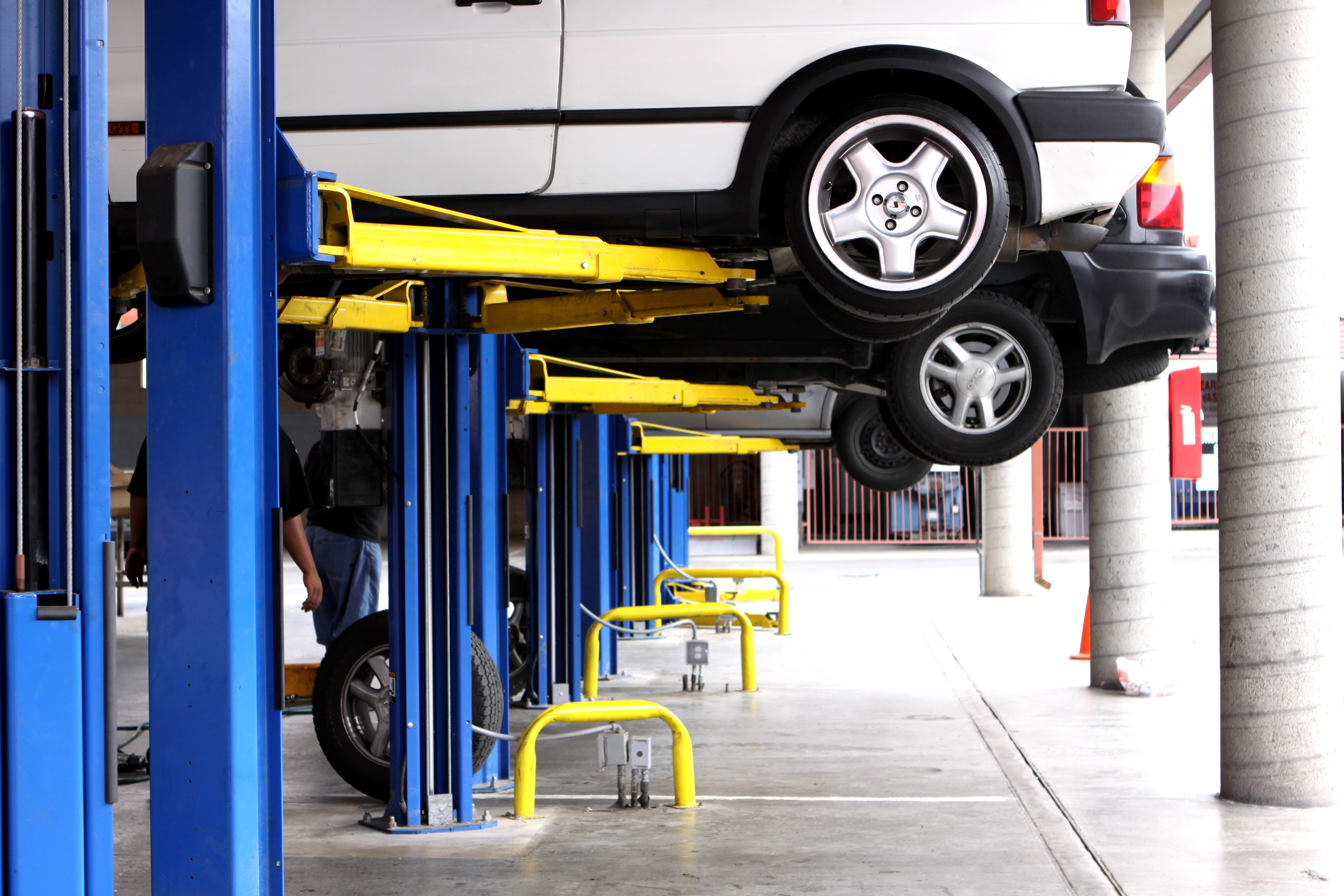
You could be the best driver in the world, but if you’re driving a car that’s a deathtrap, there’s every chance that you could end up in an accident. Every driver should take responsibility for their vehicle. Before you set off on a journey, check the tyres and brakes, make sure your lights are working, and check the oil level. There are legal requirements related to car maintenance, but you can also take additional steps to make sure your car is safe. If you haven’t had it serviced for years, for example, now is the time to get in touch with a garage like Autoco.com.au. Regular services may cost you more in the short-term, but they’re likely to save you a lot of money in the long-run. If you notice problems between services or MOT tests, don’t cross your fingers and hope for the best. It’s always best to get issues like noisy brakes and squeaky sounds from under the bonnet checked out.


Do you drive tired?

Tiredness is one of the most common causes of road accidents. If you drive tired, you’re putting your safety at risk, as well as that of your passengers and other drivers on the road. If you are tired, pull over and take a nap. Weariness increases your reaction time, which could result in devastating consequences.


Are you prone to road rage?

Do you tend to get angry when you drive? Do you find it hard to keep your emotions in check when other drivers are going too slowly, or somebody cuts you up? It’s normal to have a reaction if other drivers make a mistake, but getting wound up can increase your risk of being injured. Try and stay calm, and don’t dwell on what has happened. Focus on the road ahead, and make sure that you’re the safest driver you can be.
If you think you’re a good driver, ask yourself these questions. Driving can be enjoyable, but it’s also dangerous. Sometimes, it’s impossible to prevent accidents, but if you drive safely, you give yourself every chance of getting from A to B without any trouble.

Contributed Post.

If you like what you’ve read here, please let others know of this post, blog, and site.

And thanks for reading! 🙂

Unknown's avatar

Commute Driving You Crazy?

One thing which often drives people mad in the mornings is the daily commute. After all, it can be the same long journey every single day. And it can take around an hour before you even reach the workplace. And the cost of the commute can be, for some people, a quarter of their monthly wage. However, if you have had enough of your morning commute, there are some things you can do. Therefore, here are some ways you can make sure your commute doesn’t drive you crazy.

city-cars-road-traffic

Image from Pexels


Consider moving closer to your work


If you have had enough of the long drive to work, you could consider moving closer so that the commute doesn’t drive you mad. After all, if you are only a few miles from work, it will have a huge impact on your life. For one thing, you can get up later in the morning. Therefore, you won’t be so tired before you set off for the day. Also, you will get home from work earlier so will have more time at home to relax after a stressful day at work. However, it’s only worth moving closer to your work if you see it as a long-term job. After all, you don’t want to regret your decision of moving home if the job ends in a few months!


Switch to the bus or train rather than drive.


The commute to work can often drive you mad as it’s miles of long roads. And while you can put a good CD on, it can still be a very boring drive. And if you get stuck in traffic, it can make the journey even more terrible. After all, you can’t use your phone safely while you are on the road. Therefore, you should consider switching to the bus or train instead to get to work. For one thing, it requires less concentration than driving. You could even have a nap, as long as you don’t miss your stop! And you can watch films and read books rather than staring into space. After all, there are lots of apps like MovieBox which will allow you to watch films on your device. In fact, you can grab it from here to use on your tablet. And you will find your journey is a lot better if you have something to do on the way!

pexels-photo-211052

    Pexels


Invest in a decent car


You would be surprised how much a good car can make a difference to your journey. After all, if you are in a small vehicle, you might be uncomfortable during the way to work. And you might have limited options when it comes to features in the car. Therefore, by investing in a decent car, you will have better journeys to work. The vehicle might have extras like heated seats and multiple radio stations to keep you entertained during the trip. Also, a lot of the newer models have a built-in sat nav so that if a road is closed during your commute, it will quickly ensure you find another route before you get stressed out!


And talk to your boss about flex working. After all, working from home can give you a better work-life balance. And it will mean you can cut back on those awful commutes every single day.

Contributed Post.

If you like what you’ve read here, please let others know of this post, blog, and site.

And thanks for reading! 🙂

Unknown's avatar

The Ultimate Driving Checklist For Weekend Camping Trips

Urban life is all good and well, but nothing can beat the feeling of setting off on a Friday afternoon for a weekend of hiking and camping in the great outdoors. Indeed, the sensation of being out in the wild is as freeing as owning a car and being able to drive wherever you please. It’s still a little bit chilly outside, but this is the perfect time to look forward to the great trips that await us as soon as the weather warms up a little bit. Will it be the Lake District, the Scottish Highlands, or even across into the continent for your camping trip? With a properly prepared vehicle, the choice will be yours.

night-839807_960_720

Source: Pixabay.com

A Well Oiled Machine


Taking a trip into the unknown is as good a time as any to make sure your vehicle is well lubricated and in tip-top shape. You’ll have taken care of the obvious one, petrol, just as you would before any long trip. However, petrol is more important on a camping trip. Why? Because you’re leaving civilisation, and there might not be as many petrol stations as you’d like. If you’re driving off the beaten path, make sure you have a full tank of petrol. Similarly, you’ll want to make sure you’ve topped up your oil before you go. Driving up and down valleys and especially mountains (if you’re on the continent) can play havoc with your car, so make it’s well fed in advance.


All in the Grip/Lighting the Way


If you don’t often taken camping trips, you might be surprised that driving isn’t all about smooth roads and genteel winding country tracks: once you step off the map, the terrain you encounter is anybody’s guess. You might be splashing your way through mud, tackling country dirt roads, or be driving on surfaces that aren’t cleared when it’s snowy or icy. This is all a way of saying: make sure your tires are up for the job. This could be as simple as checking your tire pressure gauge to make sure it’s as it should be or getting a new set from a company such as Wiltshire Tyres. You don’t want to any chances, especially if there’s a chance the roads might be slippery (in some places, snow will be on the ground well into spring!).


Additionally, you have to make sure your lights are all in working order before you set off. You might not notice that you’re missing lights when you’re driving around town, but will when you get out into the country and there are no lights anywhere to guide you.

bricks-1846142_960_720

Source: Pixabay.com

Emergency Kit

Even the most reliable of cars can break down from time to time, and if you’re driving in difficult terrain, this becomes even more of a possibility. Make sure you pack an emergency kit in the pack of your vehicle besides your camping equipment. Luckily, you should have snacks and bottled water already with you as part of your trip supplies, but having a few specific car items can also go a long way.

Contributed Post.

If you like what you’ve read here, please let others know of this post, blog, and site.

And thanks for reading! 🙂

Unknown's avatar

The Costs Of Owning A Car (And How To Reduce Them)

17307620362_83e2194883_b

Image Source


Driving has become a rite of passage for most of us. But the cost of owning a car is constantly going up. Before taking the decision to become a road user, it’s important to understand the finances behind owning a car so that you don’t end up driving yourself into a sea of debt. The costs are high and you’ll need some money behind you to get you started, but there are ways to reduce spending and budget your driving so that it’s relatively affordable.  


The sale price


The first cost to consider when buying a car is the sale price. In most cases, buying privately is cheaper than buying from a dealer – although this does depend a lot on the condition of the car.


Budget how much you’re willing to spend before shopping around. You may wish to save up for a few months before. Alternatively, you may be able to take out a loan (your bank may be able to offer you one or you could try out a loan site such as personalmoneystore.com).


When shopping around, don’t be afraid to haggle. Whilst bartering isn’t something we’re used to in Western society, it’s expected in bigger sales trades such as cars. Be wary of salesmen that try to throw in extra costs on top of the original price. And never buy a car without seeing it first!


Depreciation


Buying a car second-hand is definitely the cheapest way to do it. Those willing to take any vehicle will be surprised by how cheaply you can get some older cars – sometimes only for a couple hundred pounds.


Unlike property, most motor vehicles will get cheaper the more they age. This is known as ‘depreciation’.  It’s important to take this into account when buying a car as whilst you may be able to get some second-hand cars remarkably cheap – they will most certainly have few miles left on the clock. This is fine if you’re buying a temporary convenience vehicle to get you from A to B. But if you’ve got a long road trip planned or hope to travel regular long distances over a long period of time, an older car may not be appropriate. Repair costs over the years may add up and you could pay triple the amount the car is actually worth. When it comes to selling the car, you might not be able to get much for it. You may even be forced to scrap it – losing you money.

17309017491_b037ef1709_b

Image Source


Insurance


Whilst the sale price is a big cost to consider, car insurance can sometimes work out even more expensive. All road vehicles in the UK must be covered by third-party insurance at least. If you’re a young driver you can expect to pay an extortionate amount at first, but this premium will go down over the years.


Many things can raise your insurance rate, just as many factors can lower it. Advanced driver courses and black box insurance are some drastic measures you can take to initially lower insurance. As time goes by, you should then try to avoid collecting speeding tickets or driving convictions (such as being caught driving on your phone) as these will raise your insurance.


Unfortunately making a claim can also raise insurance costs whether or not you were the perpetrator. Some companies will introduce a ‘no claims bonus’ offer to sway people into not making claims. When involved in an accident, always weigh up whether you’re more likely to spend or save money from making a claim.


Tax


All car owners must pay road tax – unless your vehicle is electric or built before 1973. Road tax is charged in bands, each band corresponding to how green your vehicle is. Band A applies to electric cars in which there are no emissions. The further up the bands that your car is situated, the more tax you will have to pay (so look for a car with a low band to avoid extra costs!).


Brand new cars pay higher tax their first year. In the second year this is reduced, sometimes by half the amount.


If you are not using a car you don’t have to pay tax on it, so long as you store it off road and declare it to the DVLA. You will have to sign a Statutory Off Road Notification (SORN).


MOT


Cars that are over three years old have to go through an annual check known as an MOT test. This test checks that your car is safe and roadworthy.


Most garages will offer MOTs – you should shop around for prices before committing. Be wary of some cheaper MOTs from garages with a low reputation. Occasionally, you may be able to save costs on your MOT test by making a few basic checks first such as checking the horn, the oil and the tyres.


The tester will let you know of any compulsory repairs that need to be made. You should also talk with the tester afterwards to gauge an idea of any future problems that you can nip early in the bud cheaply before they get worse.
car-refill-transportation-transport

Image Source


Fuel


Fuel is expensive and prices are unlikely to fall dramatically any time soon. You can save money by driving economically. Many modern cars will have in-built features to help you cut down on fuel consumption such as indicators to tell you when the best time is to change gear. You should consider how economical the car is before buying. Certain extras can also be bought to save fuel consumption such as fuel savers and vapour devices.


Tyres


Tyres will gradually wear over time and are expensive to replace – so be careful with them. You can prevent tyre wear by keeping your tyres constantly filled up with air. Sadly, petrol stations charge you to use ‘air’, but it’s worth the cost to prevent you going through multiple tyres.


When buying new tyres don’t be tempted into purchasing cheaper half-worn tyres. These will no doubt blow out more quickly and you’ll back buying new tyres sooner than you need to be.
usmc-100702-m-6457m-002

Image Source


Servicing and repairs


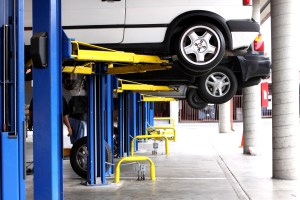
Whilst careful driving can prevent damage, as well as wear and tear, you can never prepare for all faults. Some may be electronic problems which could be a result of a manufacturing fault. Reading up on car reviews before buying can help warn you of any common faults.


Timing belts will need to be replaced once a vehicle has reached the end of its mileage. This is an expensive job, but failing to get fixed could result in a catastrophic engine failure – which nobody wants!


Warning lights will tell you when there are faults in your vehicle. Some may not be too serious, but others such as brake faults should be seen to straight away. As with all the above, remember to shop around and find the best deal. If you’re making a claim as a result of a crash or vandalism, always let your insurance company know first before making repairs.


Parking


A final cost to driving that you may want to consider is parking. Where you can avoid having to pay parking charges, do it! In some cities this may be less avoidable. Always park in places that you’re allowed to park to avoid paying fines. Unless you’re disabled, parking in disabled bays and on yellow lines will get you a ticket. Consider whether your neighbourhood has parking restrictions and weigh up these costs before buying a car.

Contributed Post.

If you like what you’ve read here, please let others know of this post, blog, and site.

And thanks for reading!  🙂

Unknown's avatar

Sirens Are Blaring! Building Your Own Emergency Vehicle

8166859703_599ff65890_n

(Image Source)


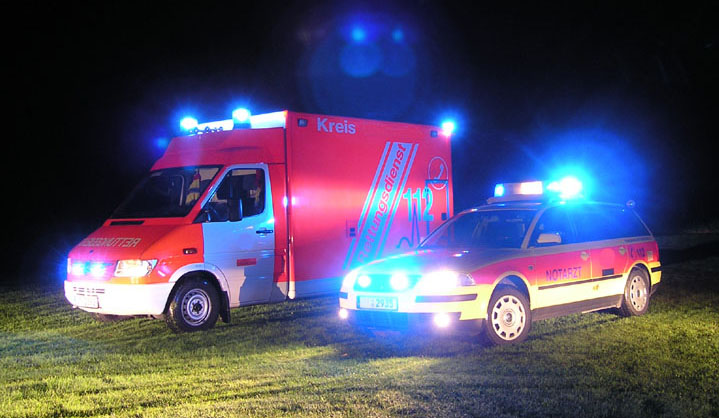
When it comes to hosting large-scale events or festivals, it’s important for emergency vehicles to be on-site. But, it can be hard to get ambulance crews and police to steward a gathering for you. In most cases, this means dealing with the issue yourself. And, of course, this means that you need your own emergency vehicles. Building an emergency vehicle can be hard, though. So, to help you out, this post will be going through a few of the things that need to be considered.


The car itself is one of the most important aspects of this. Of course, it needs to be tailored to the purpose that you want to use it for. This means thinking about its application. For example, if you want a vehicle that can carry a lot of passengers, you’ll need a bigger car. But, if you need to be able to get through crowds, you’ll need something smaller. This decision has to be made with all of the factors in mind. And, of course, you need to think about price. Reliability is a key when it comes to an emergency vehicle. It could be disastrous to have a car fail when you need it to get people medical attention. So, it’s usually best to go with an option that costs more, so that you can avoid issues with it’s reliability.

OLYMPUS DIGITAL CAMERA

OLYMPUS DIGITAL CAMERA

(Image Credit)


Whenever you see an emergency vehicle, they usually have lights on them. This is to alert other people to their presence, without having to make the driver or passengers do the work. So, your vehicle should have some lights, as well. For the easiest option, dash lights provide you with a way to make sure that you’re seen; without costing a fortune. But, if you want to make it even more professional, you can install other emergency lights. You can get lights which fit into the headlights of your car. These will require more work to install, but they will make the car look much more official. If you want, you can even have lights behind the grill.


Along with lights, emergency vehicles usually have plenty of reflective stickers on them. Of course, these aren’t stickers. They’re wraps. These are designed to enable people to better see the car, in conjunction with the lights. All emergency vehicles should have this feature. Thankfully, wraps aren’t expensive. So, it shouldn’t be an issue getting the job done. But, you won’t be able to do it yourself. Instead, you need to find a specialist who can do the job for you. This work will usually take less than a day, in most cases. Just make sure that you’re choosing the right kind of wrap. It could be bad to replicate a police car.
Hopefully, this will help you when it comes to building an emergency vehicle for your events. It’s important to make sure that you think about this, before arranging the main event. Otherwise, you could run out of time before you manage to get vehicles ready. All of this work can be done at an affordable price.

Contributed Post.

If you like what you’ve read here, please let others know of this post, blog, and site.

And thanks for reading!  🙂

Unknown's avatar

Enter The Car-nival Of Choas… And Get Out In One Piece!

800px-i-80_eastshore_fwy

(Image Credit)


Getting out onto the road should be a wonderful and joyous experience. Everyone on the roads should be suitable for them. And, the police in your area no doubt do a good job keeping the roads clean. But, there’s only so much good policing and careful driving can do for you. Sometimes, it’s a good idea to take a different approach. This post will go through some ways to make your journeys even safer, without breaking the bank.


A lot of roads are very remote. This means that it can be nearly impossible to get aid if you have an accident and get injured. If you can’t get mobile signal; you could be all alone. So, this is where a first aid kit comes in. When comparing the size of a car and a medical kit, it’s easy to see why there’s no excuse not to have one at all times. Almost all cars will have enough space to stow a kit somewhere, even if it’s just under a seat. A medical kit won’t only help when you’re stranded, though. Regardless of whether or not medical professionals are on their way, first aid can be the only thing that saves a life. Being able to stop bleeding, or at least slow it, before doctors arrive can be life-saving.


There are some other risks on the road, though. Other cars present the greatest example of this. But, so are other objects. When performing maneuvers that involve reversing, you are at much higher risk of a collision. It can be hard to keep checking your mirrors, and people often forget. Thankfully, a camera kit can help you here. Being able to see where you’re going without having to turn around gives you a chance to focus more on controlling the car. Having another camera on your dash will help against other drivers, too. If somebody hits you, with two cameras, you’ll have all of the evidence you need. This can tilt decisions by insurance companies, and help you to save money in the future. You can find camera kits for cars on loads of websites, like Safety Dave.


The tyres on your car play a very large role in the car’s safety. Tyres are designed to be pressurised, within a certain range. While in this range, they will perform well on the roads. Outside of this range, they can become quite dangerous, though. Tyres play a big part in keeping your car on the road. They help with turning and grip, and they prevent any metal from touching the road. This means that it’s very important to check your tyres every month or so. Use a tyre pressure gauge to make sure that your tyres are in good shape. Or, get your hands on a fancy monitor that can keep you updated about your tyre pressure all the time.
Hopefully, this will give you a good idea of what needs to be done to your car in order to make it safer on the road. Of course, there’s a lot more that you can do, as well. So, it’s worth doing some more research, until you’re satisfied that you know everything there is to know about car safety.

Contributed Post.

If you like what you’ve read here, please let others know of this post, blog, and site.

And thanks for reading!  🙂

Unknown's avatar

Car Problems You Honestly Don’t Need A Mechanic To Fix

Some people grow up around cars, fixing them when problems arise and generally thinking nothing of it. But there’s a whole swath of us out there who think that if we tinker with our cars, we’ll destroy them forever.


The problem with this attitude is that it winds up costing you big time in the long term. Mechanics aren’t cheap, and there are plenty of common problems that you can solve yourself.


Fixing A Flat Tyre

flatfoot-76564_960_720

Pixabay


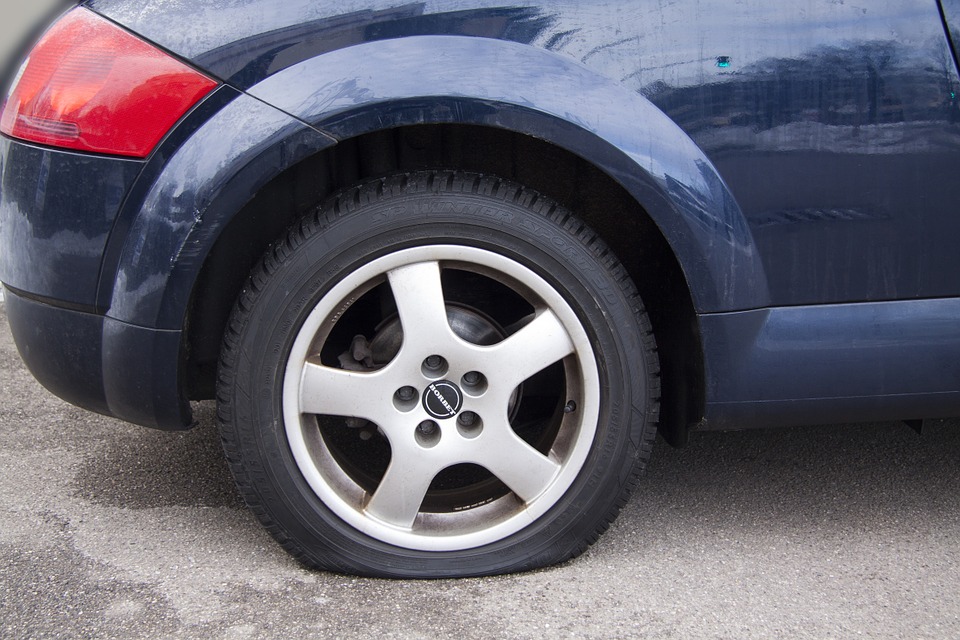
If your car is tilting to one side, or you hear a loud thumping noise, there’s a good chance you’ve got a flat tyre. You’ll need some top automotive tools with you in your boot to sort the problem out, including a car jack and a spare tyre. Put the jack underneath a metallic part of the car’s frame (not the plastic bumper) and pump the car up. Once the car is in position, remove all the lug nuts and put the donut on. Then tighten the bolts back up and bring the jack down.


Failed Head Or Tail Lights


The symptoms of failed headlights are pretty obvious at night: you can’t see where you’re going. Tail lights can be a little trickier to diagnose if you’re still sitting in the vehicle. The solution? Back up to a wall and watch out for that characteristic red glow. If the wall gets lit up, you know your tail lights are working properly.


Getting new lights is easy and you don’t need to go to your mechanic. Just drop by your local Advanced Auto Parts of Autozone and ask a member of staff which lights will work with your particular make and model of car. Usually, they’ll be able to point you in the right direction. Unless you have a supercar, you don’t need to buy ultra premium lights: regular lights will do.


Once you’ve bought the lights, pop off the old housing with the car switched off, remove the old bulb and slide the new one in.


A Dead Battery


Your car not starting is never a nice feeling. All of a sudden you’ve been cast adrift, unable to interact with the rest of society. Usually, a car that won’t start at all has something wrong with its battery, so this is the first place to look.


The first thing to do is to grab your tester and charger, if you have one at home, and charge up the battery this way. This is to make sure that the problem is the battery and not something else in the engine. If you don’t have a charger or a testing kit at home, most garages will check your battery for free.


Look to see if there is any corrosion on the surface of the battery and clean it off. Then unplug the positive and negative terminals of the battery and lift it out. Replace it with the new one, and you’re done.


The cool thing about a lot of these repairs is just how simple they are, once you invest the time in learning how to do them.

Contributed Post.

If you like what you’ve read here, please let others know of this post, blog, and site.

And thanks for reading!  🙂