Unknown's avatar

How To Make Your Trucking Company More Sustainable

Image credit

US trucks travel around 93 billion miles per year. And while the trucking industry is going from strength to strength thanks to changes in consumer shopping habits, there is no denying that the industry contributes massively to the country’s carbon footprint.

But can you realistically run a more sustainable trucking company, and how do sustainability practices translate to this industry on a day-to-day basis? Contrary to popular belief, there are many ways you can change how your trucking company impacts the environment and even save some money.

Eco Fuel

Diesel fuel produces high amounts of CO2, so it makes sense that changing from diesel to a more eco-friendly option can be an effective way of becoming more sustainable. While fully electric trucks aren’t completely viable right now, there are some arguments for this to become a reality in the future. As technology improves, there is every chance fully electric fleets can be a reality. However, if you have smaller vans or do local deliveries, using electric fleets can be a good option, but for the trucking industry, using alternative fuel sources is a good compromise for now.

Eco-friendly fuel sources include biodiesel, which is comprised of animal fats and vegetable oil; ethanol, which is made from corn and plant-based materials; or you can use a DOC, which is a diesel oxidation catalyst that reduces emissions from fossil fuels.

Optimised Trucking Routes

If you’re not optimizing trucking routes, then you’re likely not running as sustainably as you could be, or you are wasting money and resources to get from A to B. You need to know the best routes, times of day, and optimal driving options to help you optimize your operations. Using route optimization software, GPS, and expert trucking tips, can effectively find the most optimized routines for your deliveries to improve your efficiency, reduce costs, and improve customer satisfaction.

Reduce Empty Loads

Empty loads or empty miles are those traveled with nothing on board. So, instead of driving directly from origin to destination and then back with nothing on board, taking loads from one key point to another can help you to reduce empty miles and increase sustainability. This can utilize FTL (full truck loads) if you would otherwise travel with LTLs (less than loads). This practice means driving a load to another pickup point to fill up, taking the original shipment to its destination, then carrying on to pick up another or deliver the next load, and so on. This can make your operations more efficient than taking the first load, dropping it off, and then traveling to the next one.

Employee Training

If your drivers are picking up bad habits or exhibiting behaviors that are contributing to wasting fuel, increasing your carbon footprint, or increasing costs, then you need to get back to basics and ensure they know exactly what you expect from them during their working day.

This means talking to them about idling, correct driving techniques, using GS to optimize routes and avoid traffic, and the best driving practices for efficiency and timekeeping. While these bad habits won’t necessarily seem to impact your targets individually, over time, the wastage from these actions will add up and can be much more than you previously thought.

Sustainability is possible when it comes to trucking; it’s about what you do, changing habits, and looking at new technologies and fuel options for your particular company. Start small, make little changes, improve driving habits, and then build on these foundations to make even more sustainable changes in the future.

Contributed Post.

If you like what you’ve read here, please let others know of this post, blog, and site.

And thanks for reading!  🙂

Unknown's avatar

How to Become an Eco-Friendly Beauty Product Consumer

  • Sustainable beauty focuses on ethical sourcing, reducing waste, and using cruelty-free, natural ingredients.
  • Ditch single-use products and opt for reusable facial cotton pads instead.
  • Research about the harmful chemicals present in typical beauty products.
  • Start with one sustainable swap at a time and add more gradually.
  • Make DIY beauty products from honey, coconut oil, and avocado.

Are you someone who loves beauty products but also wants to take care of the environment? Are you concerned about the harmful chemicals present in regular beauty products? If you answered yes, then this is the perfect article for you.

This article will guide you on how to become an eco-friendly beauty product consumer. The beauty industry is moving towards a more sustainable approach, and it is essential that you, as a consumer, also contribute to this cause.

The Importance of Sustainable Beauty

As consumers become increasingly aware of their purchases’ impact on the environment, it is no longer acceptable for beauty companies to rely on wasteful packaging and harmful ingredients.

Sustainable beauty focuses on ethical sourcing, reducing waste, and using cruelty-free, natural ingredients. By making these changes, companies can reduce their carbon footprint while appealing to socially and environmentally conscious consumers. Partnering with innovators like BiotechXBeautyLabs – who focus on sustainable, science-driven beauty solutions – can help brands take meaningful strides toward eco-friendly goals. Sustainability isn’t just a trend; it’s the beauty industry’s future.

Your Contribution to the Environment

When you choose sustainable beauty, you’re doing more than just taking care of your appearance – you’re also positively impacting the environment. By opting for eco-friendly products, you’re supporting companies prioritizing sustainability and minimizing their carbon footprints. These companies use renewable energy sources, biodegradable packaging, and non-toxic ingredients, all of which help to reduce waste and pollution.

In addition, choosing sustainable beauty can inspire others to follow in your footsteps and make more environmentally-conscious choices in their own lives. So next time you’re searching for a new skincare or makeup product, consider the impact your choice can have and choose sustainable beauty.

Tips for Making the Switch

Making the switch to sustainable beauty doesn’t have to be complicated. Here are some simple tips to help you get started:

Ditch Single-Use Products

By ditching single-use beauty products, you can reduce your environmental impact and practice sustainable living effortlessly. For instance, have you heard about the reusable facial cotton pads that have taken the beauty world by storm?

Made of washable and durable fabric, they replace disposable cotton rounds, reducing waste and plastic use. It’s a small change with a significant impact, and it’s just one of the many ways you can make a difference in the beauty world.

Read and Research

Educating oneself about the harmful chemicals in typical beauty products is essential. This information is readily available online and will help you make informed decisions. Look for certifications like cruelty-free, vegan, organic, and natural. Companies that use these certifications ensure that their products are free from toxic chemicals, harmful to the environment, or contain animal-derived ingredients.

Start with One Swap

Like any change, it is essential to start small. Instead of going all-in and revamping your entire beauty routine, start with one swap. Choose a product you use frequently or know contains harmful chemicals, and look for a sustainable alternative.

This could be anything from a natural moisturizer to shampoo or a toxin-free nail polish. Once you get used to making one sustainable switch, add another.

Go DIY

Often, eco-friendly and sustainable options for beauty products are expensive and not always available. This is where DIY comes in. Making beauty products yourself is easy, fun, and less costly.

You can make anything from face masks to lip balms, scrubs, and hair masks with ingredients like honey, coconut oil, and avocado. You can also control your components and ensure they are entirely natural.

Repurpose and reduce

Reducing waste is a critical component of leading an eco-friendly lifestyle. Before you throw away your beauty product containers, consider repurposing them. Many glass jars or perfume bottles can store spices or even homemade beauty products. Minimizing the amount of waste you produce is good for the environment and saves money in the long run.

Support Sustainable Brands

Finally, supporting sustainable beauty brands is an excellent way to contribute to this cause. As a consumer, you hold much power in influencing the industry. Choose brands that focus on sustainability and have eco-friendly practices.

These brands take responsibility and ensure they are mindful of their carbon footprint and social responsibility. Opt for brands that use eco-friendly, recyclable or refillable packaging.

Final Thoughts

Incorporating eco-friendly habits into your daily life is not always easy, but it is essential. Small lifestyle changes like these can have an enormous impact on the environment. Remember, every little step counts, and by making small changes, you can lead the way toward a more eco-friendly and sustainable future.

Contributed Post.

If you like what you’ve read here, please let others know of this post, blog, and site.

And thanks for reading!  🙂

Unknown's avatar

7 Community Projects You Can Make Money From

Pexels. CCO Licensed.

Looking for a way to help your community out? And possibly a way to make some money? While there are many charitable endeavors that you can look into, there are equally many community projects that bring people together while also bringing in an income. Below are just a few examples of money-making community projects worth considering.

Solar farm

Starting a solar farm involves installing masses of solar panels to harvest electricity to the sun. This solar energy can then be sold to energy companies – or it can be sold directly to people in your local area. 

Community solar farms are a specific type of solar farm in which members of the community help chip in install and maintain panels in exchange for free solar power. They are popular in urban areas where renters and homeowners without suitable space for solar panels are likely to want to cash in. There are sites that can help you with community solar customer acquisition. Having lots of land to install solar panels can be beneficial, but in some cases you may only need a large rooftop.

Community garden

Many people love the idea of getting into gardening, but not everyone has a backyard for growing plants in – especially in urban areas. This is where community gardens come in.

Community gardens are areas of land in which sections are rented out to individuals for gardening purposes. If you’ve got quite a bit of spare land, this could be a great way of helping out your community by sharing some of it with those who want to grow plants and produce. How much you charge in rent is up to you. 

Film club

Love watching movies with friends? Why not start a film club and invite members of your local community to your movie nights?

Film clubs are a great way to get various members of a community together. You could simply watch movies together or plan a social event after, allowing people to discuss the movie and make friends. By charging a small fee to members, you can make money from this community club. 

Craft fair

There could be many people in your community with a craft hobby. This could include crafts like knitting, jewelry making, woodwork, candlemaking, pottery, painting and sculpting. Organizing a craft fair could encourage these local hobbyists to come together and share/sell their creations. 

You could plan to make money from the craft fair by charging a small fee or commission to all participants. Alternatively, you host your own stalls for selling some of your own creations, while letting others also sell theirs. Sponsorships can also be a great way of making money from a craft fair. Just make sure you’ve calculated all the event costs first.

Farmer’s market

Supporting local farmers is not only a way of supporting your community, but also a great way of supporting the environment. You can provide local farmers with a place to sell their local produce by hosting a farmer’s market.

As with a craft fair, you can make money via a farmer’s market by charging commission or fees to vendors. Alternatively, you can make money through various event sponsors. 

Local history tours

Many people in your community could be curious to know about the history of your town or local area. While museums are one way of preserving local history, tours can provide an interactive way of learning about history.

This could be a general history tour, or it could involve exploring certain periods of history or certain areas like the local cemetery. You could even add a supernatural element to it by turning it into a ghost tour. Local history tours could be a great option for those who have an avid interest in history. You can make money by charging people to go on these tours and could host them every month or two. 

Digital literacy lessons

Many members of older generations have been unable to keep up with the fast-moving pace of tech. Some barely know how to use the internet or how to load up a computer.

Digital literacy lessons can be a great way of helping out older members of your community who may struggle with digital technology. These could be basic group lessons in which you teach basic things such as how to create an email account or how to use Microsoft Word. You can charge people a small fee for each lesson. Such lessons could be hosted in a community center and you could ask people to bring their own devices or supply them.

Contributed Post.

If you like what you’ve read here, please let others know of this post, blog, and site.

And thanks for reading!  🙂

Unknown's avatar

Why Alternative Fuels Are a Game-Changer: Exploring the Benefits of Kiln Dried Logs

Are you tired of constantly shelling out money for traditional fuels that harm the environment and leave a dent in your wallet? Well, get ready to revolutionize the way you heat your home! In this blog post, we are diving into the world of alternative fuels and why kiln dried logs are becoming the game-changer everyone is talking about. From their eco-friendly nature to superior burning efficiency, join us on a journey as we explore how these logs are transforming the heating industry and bringing a new level of comfort and sustainability to our homes.

Introduction to Alternative Fuels

With a whole population looking for ways to make the world more sustainable, we turn to alternative fuels. This is so that we begin to lessen our reliance on fossil fuels. Kiln dried logs are one such alternative fuel that is gaining popularity due to their many benefits.

Kiln dried logs are a renewable and sustainable fuel source that can be used in place of traditional wood or coal. They have a high energy content and produce little smoke or ash, making them a cleaner burning fuel than most other options.

Because kiln dried logs have the benefit of being cheaper than traditional wood or coal, they are an attractive option for those looking to save money on their energy bills.

Another good thing about kiln dried logs is that they are easy to store and transport. 

What Are Kiln Dried Logs?

Kiln dried logs are an alternative to traditional wood fuel that has a number of benefits. Kiln drying is a process that removes moisture from the wood, resulting in a much higher energy density and lower moisture content. This makes kiln dried logs an excellent choice for those looking for a more efficient and eco-friendly option.

There are a few things to keep in mind when using kiln dried logs. Because they have such a high energy density, it’s important to use them sparingly and only in well-insulated stoves or fireplaces. They should also be well-seasoned before use, as unseasoned kiln dried logs can produce a lot of smoke.

Kiln dried logs are a great alternative to traditional wood fuel. They’re more efficient and eco-friendly, and can help you save money on your heating bills. If you’re looking for a green option for your home heating needs, kiln dried logs are definitely worth considering.

Benefits of Kiln Dried Logs

A lot of people are interested in using kiln dried logs as an alternative fuel source, and for good reason. There are many benefits to using kiln dried logs, including:

1. They’re a renewable resource.

Kiln dried logs are made from trees that are sustainably grown and managed, so they’re a renewable resource. This means that they’re environmentally friendly and won’t run out like fossil fuels will.

2. They’re carbon neutral.

Burning kiln dried logs doesn’t release any new carbon into the atmosphere, so it’s a carbon-neutral way to heat your home. This is good to know because burning fossil fuels contributes to climate change. 

3. They’re efficient.

Kiln dried logs have a high calorific value, which means that they produce a lot of heat when they’re burned. You can essentially heat your home for less money.

Cost Savings and Efficiency

Kiln-dried logs provide many benefits over traditional fuels, including cost savings and efficiency. With kiln-dried logs, you can save money on your heating bill while still getting the same level of warmth. In addition, kiln-dried logs burn more slowly and evenly, providing you with a longer-lasting fire.

Environmental Impact of Alternative Fuels

Because of the impact of traditional fuels on the planet, alternative fuels have gained in popularity. We must now look to these alternatives if we are to hope to reverse the negative effects of past generations. 

Biodiesel is made from renewable resources such as vegetable oils and animal fats. It can be used in any diesel engine with little or no modification. It had the advantage of being burning cleaner than petroleum diesel. This is with lower emissions of carbon dioxide, sulphur dioxide, and particulates.

Ethanol is another alternative fuel that can be made from renewable resources such as corn or sugarcane. It can be used in flex-fuel vehicles that are designed to run on either petrol or ethanol. Ethanol burns cleaner than petrol, with lower emissions of carbon monoxide and particulates.

Compressed natural gas (CNG) is a third alternative fuel that is becoming increasingly popular. CNG is made by compressing methane gas to a liquid form. It can replace petrol in most internal combustion engines with only minor modifications. CNG burns cleaner than petrol, with lower emissions of carbon monoxide and nitrogen oxides.

Electricity is the fourth major alternative fuel source. Electric vehicles are powered by batteries that store electrical energy in chemical form. Electric vehicles have zero emissions and are very quiet when operating. However, they currently have a limited range before needing to be recharged, which makes them impractical for long journeys.

Conclusion

In conclusion, there are many reasons why alternative fuels such as kiln-dried logs are a game-changer. For one, they are an eco-friendly solution to traditional energy sources like oil and gas. This is because they produce fewer emissions than combustible fuels. We can still use them in a variety of ways – from cooking to heating homes. With their numerous benefits, it is no wonder that more people are switching to using alternative fuels for their everyday needs.

If you research online, then you can find sources of kiln dried logs, which are considered by many as the new alternative energy source. They are certainly worth a try for your log burner or open fire.

It has become the responsibility of all of us now that we think more about the planet when heating our homes.

Contributed Post.

If you like what you’ve read here, please let others know of this post, blog, and site.

And thanks for reading!  🙂

Unknown's avatar

Energy Efficiency: What to Consider Doing for the Office

  • Take inventory of existing lighting and replace incandescent bulbs with LED lights for greater energy efficiency.
  • Invest in automated lighting systems with dimmers and timers to reduce energy use.
  • Maximize natural light by installing more oversized windows or skylights.
  • Invest in modern equipment with advanced power management settings for maximum energy savings.
  • Get a Commercial Energy Performance Certificate (EPC) to assess the building and suggest ways to improve energy efficiency.

The office environment is essential to consider when striving for energy efficiency. Keeping utility bills low helps reduce the business’ costs and lessens the environmental impact of office operations.

Studies have found that by making small investments in energy efficiency measures, businesses can reduce their electric bills by 10-30%, amounting to anywhere from hundreds to thousands of dollars per year in savings.

However, selecting the proper energy efficiency measures for an office space can be challenging. Each building has unique characteristics and needs that should be considered when designing an energy-efficient strategy. Here are some of the key features to think about:

Lighting Design

Lighting design is a critical factor in making the office energy efficient, accounting for up to 40% of the total energy use in commercial buildings. Good lighting design reduces energy costs and provides better visibility and visual comfort that can improve worker productivity. Here are some strategies to consider while designing an energy-efficient lighting plan:

Take Inventory of Existing Lighting

Before investing in new lighting systems, assessing the current lighting situation is essential. Taking an inventory of existing fixtures and their wattage rating will provide a baseline for the necessary improvements and cost savings that can be achieved through more efficient lighting solutions.

Install Automated Lighting Systems

Installing automated lighting systems that respond to natural light levels and occupancy sensors can dramatically reduce energy use without compromising visibility. These systems have timers and dimmers that allow users to adjust light levels according to their needs, reducing unnecessary electricity consumption.

Replace Incandescent Bulbs with LED Lights

LED lights are far more energy-efficient than incandescent bulbs, using up to 75% less electricity and lasting many times longer than traditional bulbs. They also provide brighter light with better color rendering ability at a fraction of the cost of conventional bulbs.

Invest in Natural Light Solutions

Maximizing natural light wherever possible by installing more oversized windows or skylights helps reduce dependence on artificial light sources. This leads to more significant electricity savings and makes the work environment more pleasant by giving occupants healthy exposure to natural sunlight during daytime hours.

Energy Efficient Equipment

Investing in the latest equipment for the office is vital for achieving energy efficiency. Modern equipment is designed with energy-saving features that can dramatically reduce electricity consumption while maintaining or increasing productivity.

For example, modern computers use significantly less power than their predecessors and are equipped with advanced power management settings to increase their energy efficiency further. Similarly, new refrigeration units come with various modern technologies, such as variable speed compressors and fans, which help reduce energy costs while keeping food fresh. Modern imaging machines such as copiers, scanners, and printers also have low standby power requirements and use power-smart components inside to conserve electrical usage.

In addition to these more apparent benefits of investing in modern equipment, businesses should consider investing in solutions that improve the building’s overall insulation, air circulation systems, and other environmental control features. This helps maintain a comfortable temperature throughout the office without wasting energy through inefficient heating or cooling systems. Furthermore, efficient air conditioning solutions help prevent excessive humidity levels, which can cause employee health concerns and damage documents or electronics over time.

Get a Commercial EPC

Businesses often struggle to reduce their energy costs and lessen their environmental impact. Small investments in energy efficiency measures can help, but knowing which steps are the most effective for a particular office space can be challenging. Without an expert assessment of the building’s unique characteristics and needs, businesses may waste money on ineffective solutions or miss out on potential savings opportunities.

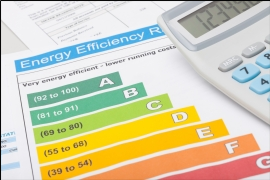
A Commercial Energy Performance Certificate (EPC) test is the best way to ensure your business is making smart investments in energy efficiency measures. An EPC provides an accurate assessment of a building’s current energy use and suggests ways that you can improve its performance while reducing electricity bills and carbon emissions. With this information, businesses will have all they need to make informed decisions about investing in efficient lighting systems, modern equipment, insulation improvements, air circulation systems, and other features that will save them money while improving employee comfort levels.

Final Thoughts

Achieving energy efficiency in the office is critical to reducing utility bills and protecting the environment. With this information, businesses can confidently move forward with their plans to improve energy efficiency within their office spaces and become better domain stewards. The steps outlined above are a great starting point for businesses looking to make their offices more energy efficient and reduce their carbon footprint.

Contributed Post.

If you like what you’ve read here, please let others know of this post, blog, and site.

And thanks for reading!  🙂

Unknown's avatar

Practical Tips to Jumpstart Your Eco-Friendly Lifestyle

  • Reduce plastic usage by using reusable water bottles, straws, and bags. You can also shop for sustainably sourced products.
  • You should switch to eco-friendly cleaning products that are free of harsh chemicals.
  • Reduce your water usage by taking shorter showers and installing low-flow showerheads and faucets.
  • Plant a garden to add fresh produce to your diet and attract pollinators.
  • Create an energy-efficient home by getting an EPC, installing energy-efficient appliances, installing solar panels, and upgrading your windows and doors.

In today’s world, environmental awareness and sustainable living are more important than ever. Many people are looking for ways to make a positive impact on the planet, but it can be overwhelming to know where to begin.

Here is a list of practical tips to help you start your journey to an eco-friendly lifestyle. Whether you’re a budding environmentalist or simply someone who cares about the environment, these tips can help you make small changes that add up to a significant impact.

Reduce your plastic usage.

One of the biggest problems facing our planet is plastic pollution. Plastic items like bags, straws, and water bottles take hundreds of years to decompose, and much of it ends up in the ocean, harming marine life. A simple but effective way to reduce plastic usage is to bring reusable bags, water bottles, and straws. These small changes can have a significant impact on the environment.

Shop for sustainably sourced products.

When you’re shopping for groceries, look for products that are sustainably sourced. This means that the ingredients are grown or harvested in a way that doesn’t harm the environment. For example, you can look for fair-trade coffee or chocolate or choose organic produce free of harmful pesticides. These choices not only benefit the environment but they also support responsible farming practices.

Choose eco-friendly cleaning products.

Many conventional cleaning products contain harsh chemicals that harm the environment and our health. Instead, look for eco-friendly cleaning products that are free of toxic chemicals.

You can also make your own cleaning products using simple ingredients like vinegar and baking soda. These natural cleaners are just as effective as their chemical counterparts but are much safer for the environment.

Reduce your water usage.

Water is a precious resource, and it’s important to use it wisely. Simple changes like taking shorter showers or turning off the faucet while brushing your teeth can help reduce your water usage. You can also install low-flow showerheads and faucets, which use less water without compromising performance. These small changes can help conserve water and protect our planet’s resources.

Plant a garden.

Planting a garden is not only a great way to add fresh produce to your diet, but it’s also an eco-friendly activity that can help reduce your carbon footprint. By growing your own fruits and vegetables, you’re reducing the amount of food that needs to be shipped and packaged. You can also choose to grow plants that attract pollinators, like bees and butterflies, which are essential to our ecosystem.

Create an energy-efficient home.

Making your home energy-efficient is one of the best ways to reduce your environmental impact. Here are the steps you need to take to achieve this:

Get an energy performance certificate (EPC).

An EPC is an assessment of your home’s energy efficiency. This will help you identify areas that need improvement, such as insulation or airtightness. You can get a domestic EPC from a qualified assessor. They will visit your home and check things like your heating, lighting, and insulation.

Install energy-efficient appliances.

Switching to energy-efficient appliances, like LED lights and low-flow shower heads, can help reduce your electricity usage. These products are usually more expensive than their traditional counterparts, but they use significantly less power over time and will save you money in the long run.

Install solar panels.

Solar panels are one of the most efficient ways to generate renewable energy. They capture energy from the sun and turn it into electricity, which can be used to power your home. This is a great way to reduce your carbon footprint while saving money on your electricity bills.

Upgrade your windows and doors.

Installing double-glazed windows and doors can help keep your home warm in winter and cool in summer. This is a great way to reduce your energy usage, as well as improve the comfort of your home.

By taking active steps to ensure your home is as energy-efficient as it can be, you can help reduce your carbon footprint.

It’s clear that there are many ways to jumpstart your eco-friendly lifestyle. From reducing plastic usage and shopping for sustainable products to planting a garden and creating an energy-efficient home, these tips can help you make small changes that add up to a big impact on the environment.

Taking action now is essential if we want to protect our planet from further damage. By making conscious decisions about how you consume and live, you can do your part in helping preserve our natural resources for future generations.

Contributed Post.

If you like what you’ve read here, please let others know of this post, blog, and site.

And thanks for reading!  🙂

Unknown's avatar

How To Organize A Community Clean Up

We all should bring our parts in uplifting the world around us. One way you can make a difference is by helping struggling communities around you. Initiating a community cleanup is an effective way of promoting health, beauty, and safety. Not only will it benefit your local area’s environment, but it can also bring together diverse people in the neighborhood for bonding activities. But how do you organize a successful yet enjoyable cleanup event from start to finish? With this step-by-step guide on organizing a community cleanup, you’ll be able to put all logistical details into place quickly and efficiently — leaving more time for everyone involved to have fun and enjoy themselves while doing something worthwhile!

Via Pexels

Decide Which Area Needs Cleaning And Plan Accordingly

Before you can begin organizing a community cleanup, the first step is to decide which area needs the cleanup most. Then create a plan outlining what needs to be done, such as removing debris, replacing broken fixtures, and tidying up common areas. Next, set realistic goals for each step to complete the cleanup and list who will be responsible for completing each task. This should include information on volunteers and external support needed, if any. Also, make sure to factor in any necessary supplies or resources that may be required to ensure success during the cleanup process. 

Get Permission to Execute the Cleanup from The Local Authorities

Before planning a community cleanup, gaining permission and approval from the local authorities is essential to the event. Depending on the size of the event and its scope, different permits might be required from relevant governmental agencies or even municipalities. Furthermore, all volunteers involved should register themselves with the local Disaster Management Authority to ensure full compliance with safety protocols and for insurance purposes. Additionally, contacting your local neighborhood council or civic society to obtain legal permissions and securing any special equipment needed from the municipality itself is an important step. Getting all necessary permits in place beforehand increases participants’ confidence that the event can proceed without any potential roadblocks or obstacles standing in its way.

Secure Volunteers

Finding volunteers for a community cleanup event is an important part of successfully organizing and executing the event. Utilizing existing relationships and networks can quickly attract and motivate individuals to join in this effort. You can ask friends and family members to help you and even approach local businesses for assistance. Post a sign-up sheet for volunteers on social media. Connect with your local schools and churches to recruit more volunteers.

Develop a Logistical Plan

Developing a logistical plan is one of the most important steps when organizing a community cleanup. A good logistical plan should include important elements such as route selection, schedule creation, transportation arrangements, and volunteer recruitment. Put a list together of resources needed to complete a successful cleanup. This list could include garbage bags, a dump trailer, gloves, other equipment, first-aid kits, and signage for directing traffic and volunteers. Proper planning will ensure that everything is in place for a productive day of making your local community shinier than ever!

Helping the communities around you is a great way to give back to others and uplift the areas around you. A successful cleanup initiative is achievable through proper planning and can be a great experience for everyone involved.

Contributed Post.

If you like what you’ve read here, please let others know of this post, blog, and site.

And thanks for reading!  🙂

Unknown's avatar

How to Make Your Home Eco-Friendly

Invest in a biophilic home design that incorporates elements from nature like plants, water features, and natural stone accents.

Install energy-efficient appliances that use less energy and switch to LED lighting, which uses 75% less power.

Unplug any unused devices and transition to renewable sources of energy.

Reduce water usage by installing low-flow showerheads, fixing any leaking toilets or pipes, taking shorter showers, and investing in rain barrels.

Recycle greywater to water your garden or flush toilets.

In the midst of a global environmental crisis, it is crucial for people to think about how they can make their homes more eco-friendly. Taking small steps now can have a massive impact on the environment in the long run, and you don’t have to break the bank to do your part. Here are some simple ways that you can make your home more eco-friendly today.

Invest in a Biophilic Home

Investing in a biophilic home design, a type of eco-friendly interior design that focuses on integrating nature with the home, is one of the best ways to make your home eco-friendly. Here are some elements of this design:

Plants and Other Biophilic Elements

Adding plants to your home is a great way to add life and texture to any room. They also help purify the air inside your home while keeping it cool. Other biophilic elements like water features, natural stone accents, and other materials derived from nature can help bring an outdoorsy feel into your home. Meanwhile, adding plants like cannabis to your garden is more than just growing a plant – it’s like inviting a versatile botanical buddy with a fascinating story. Cannabis wears many hats, from offering potential health perks to being a sustainable all-star. But playing by the rules matters. Before you start planting, getting those permits in order is like giving yourself a safety net against legal hiccups. Learning from website content like Daniel Fung arrest articles can help you make the right choices to stay within the required laws when growing such plants.

Natural Light

Maximize the amount of natural light that enters your home by using tall windows and skylights. This will not only brighten up your home but also reduce your reliance on electricity consumption.

Sustainable Building Materials

Look for sustainably-sourced materials such as bamboo, cork, and wool that are renewable and have a minimal environmental impact. These materials can be used to make furniture, rugs, and floor coverings.

Conserve Energy

Another effective way to reduce your home’s carbon footprint is by conserving energy. There are many changes you can implement to reduce your energy consumption, but here are the most effective ones:

Install Energy-efficient Appliances

Invest in energy-efficient appliances that are more efficient in using energy. These appliances use less energy, helping you save on electricity bills and reduce your carbon footprint. To make sure that you are purchasing an energy-efficient appliance, look for the ENERGY STAR label.

Switch to LED Lights

Switching your home’s lighting system to LED bulbs is one of the most effective ways to reduce energy consumption. LEDs (Light-Emitting Diodes) use 75% less power than conventional incandescent lightbulbs and can last up to 25 times longer. This is a great way to reduce your electricity bills and make your home more eco-friendly.

Unplug Unused Devices

Another simple way to conserve energy in your home is by unplugging any devices that are not in use. Even if these appliances are switched off, they still consume energy when plugged into the wall socket. Unplugging devices that are not in use will help reduce your electricity consumption and save you money.

Transition to Renewable Energy Sources

Switching from non-renewable sources of energy such as oil and gas to renewable sources such as solar power or wind power. Investing in renewable energy sources may seem like an expensive endeavor at first, but most states offer tax credits for homeowners who switch from traditional energy sources to clean energy sources, so you’ll be able to save money in the long run.

Reduce Your Water Usage

It might not seem like much, but reducing your water usage can have a big impact on the environment. A few easy steps you can take include:

  • installing low-flow showerheads or faucets which reduce the amount of water used while still providing adequate pressure
  • fixing any leaking toilets or pipes
  • taking shorter showers instead of baths

You should also consider investing in rain barrels that collect rainwater runoff from your roof and store it for later use in gardening or other outdoor activities. You can ask your local water authority for advice on how to install one.

Alternatively, you can also look into recycling your greywater, which is the water used for washing dishes and clothes, to water your garden or flush toilets. This won’t harm local water supplies as greywater is free of contaminants.

Making your home eco-friendly does not have to be difficult or expensive – there are plenty of simple steps that anyone can take today. From investing in energy-efficient appliances, switching to renewable sources of energy, and reducing water usage – there are countless ways that you can help protect our planet and ensure its sustainability for future generations. So what are you waiting for? Get started today.

Contributed Post.

If you like what you’ve read here, please let others know of this post, blog, and site.

And thanks for reading!  🙂

Unknown's avatar

Addressing the Educational Needs of Struggling Communities

Education is essential for a thriving community, yet many children in struggling communities do not have their educational needs met.

Parents and caregivers should be educated about the importance of education and the resources available to them.

Technology, quality resources, creative activities, and partnerships with organizations can help support students in need.

Everyone should work together to ensure that children in struggling communities have access to the quality resources they need to succeed.

Education is the foundation of a healthy, prosperous community. Unfortunately, there are many communities in which educational needs are not met, and children struggle to reach their full potential. This can negatively impact their future success and the economic stability of their entire community. Therefore, these educational needs must be addressed to help these children succeed. Here are crucial tips for addressing the educational needs of children in struggling communities.

Educate Parents and Caregivers

Recognizing that parental involvement is an integral part of education is essential. When parents and caregivers are educated about the importance of education, they can become powerful advocates for their children’s success. Educating parents and caregivers about available resources can also help them access materials or support for their children’s education.

Invest in Technology

Technology has revolutionized the classroom and made learning more accessible than ever before. Investing in technology such as computers, tablets, or even smart boards can give students access to a world of knowledge right at their fingertips while providing teachers with effective tools to help them teach effectively. You can also support students on the home front by helping to provide access to technology and internet connectivity.

Provide Access to Quality Resources

Making quality resources accessible is essential for students to learn and grow academically. Providing access to books, software programs, online courses, tutors, or mentors can prove invaluable resources for students who may otherwise not have access. Quality resources help to level the educational playing field and give students in struggling communities the opportunity to reach their full potential.

Foster Creativity

Creativity should be encouraged as it helps foster critical thinking skills essential for success later in life. Encouraging children in struggling communities to engage in creative activities such as art projects or music lessons helps foster creativity while teaching valuable skills like problem-solving and collaboration, which will help them throughout life regardless of the career path they choose later on in life. You can also use this as an opportunity to teach valuable life lessons, such as the importance of discipline and dedication. This can help instill the importance of education in their lives.

Partner with Organizations

Partnering with organizations committed to helping children in struggling communities thrive through education can be a great way to ensure students have the resources they need to succeed. Here are the organizations you should partner with:

Non-profits

Organizations such as the United Way, the Boys and Girls Club, or local churches may have resources to offer. Non-profits often have their fingers on the pulse of a community, so partnering with them can be highly beneficial for students needing academic help. They can provide resources such as mentorship programs, tutoring sessions, educational grants, and more.

Community leaders

Reaching out to local government officials, business leaders, and other influential members of the community can help open doors for students in communities that may not have access to quality resources. Community leaders often have the ability to provide additional aid or resources, which can be invaluable for students trying to get ahead.

Businesses

Many businesses may be willing to donate resources and materials or even volunteer their time to help students in need. Businesses may also be able to provide internships or job opportunities, which can be invaluable for assisting students to gain experience as they look toward their future. Additionally, businesses may be willing to provide financial support for students’ educational expenses.

Educational Institutions

Local universities may be able to provide resources, tutoring, or even scholarships for students. You can even partner with a center for education development. This organization can help provide resources for teachers and students alike. They can provide the latest research in education and help develop curriculum for educators, as well as provide technologies and tools for students.

Everyone must work together to ensure that children in struggling communities have access to the quality resources they need to succeed. By educating parents and caregivers, investing in technology, providing access to quality resources, fostering creativity, and partnering with organizations and educational institutions, everyone can play a role in helping these students reach their full potential. Education can transform lives and entire communities!

Contributed Post.

If you like what you’ve read here, please let others know of this post, blog, and site.

And thanks for reading!  🙂
Unknown's avatar

Evergreen Marketing Ideas for Your Business

Pexels – CCO Licence

When it comes to advertising your business, there are some marketing techniques that will work well for a while, only for you to see diminishing returns as the market and technology grow and change. There are also marketing techniques that will always help to bring the customers in.

That being the case, we are going to take a look at those evergreen marketing ideas that make great investments for your business, below:

How-to guides

When it comes to content marketing, how-to guides, and instructional blogs, videos and articles are about as evergreen as you can get. There is never not going to be a time when people google how to mow their lawns more effectively, or ask the search engine how to unblock the toilet more efficiently, so if you can create documents that answer these questions, whether in text or video form (ideally both) which are linked in some way to your industry, then you can pretty much guarantee a steady stream of visitors over the years. Then, all you need to do is work out how best to convert them.

Branded apparel

This might be a really old-school form of marketing in a world where Instagram influencers and keyword research are en vogue, but custom apparel, which you can buy at https://matohash.com/pages/custom-embroidery is effective. If you, your staff, your friends, and your family, all wear these products on a regular basis, then you can be sure that lots of people will set eyes on them and hopefully ask about your logo. If you are looking for local visibility in your marketing, branded apparel is one of the best uses of your marketing budget, and actually, quite cheap.

Billboards

Billboards might be another old-school marketing invention, but they are still regularly used, even by big companies like Apple and Mcdonald’s. Why? Because they really do work.

The beauty of billboards is that they are highly visible in a particular location, so if you have a company that is based in an actual brick-and-mortar store, rather than online, you can convert a lot of customers by advertising on a nearby billboard and it is the gift that keeps on giving because it will never not attract people passing by, although you might need to redesign the slogan and images you use from time to time as trends move on.

Customer testimonials

It does not matter if a customer reviewed your products and services 10 years ago or last week, you can still use their testimonials to showcase all your business has to offer, and they will always be evergreen because your new customers want to know what other people think of your products and services and they will always be more likely to make a purchase if they can easily find relevant testimonials on your website.

Product reviews

In a similar vein, reviewing the products and services you sell, and other products and services in your niche is a great way to create evergreen marketing content because people will always want to look up and read reviews before they make a purchase. Once you have used your reviews to lure them to your site, it is then just a matter of convincing them that your stuff is worth buying over the competition, which is a lot easier once you have them on your website, as I am sure you will agree.

Blogging

Yes, the content on your blog might get old and less relevant over time, but if you have built up a steady bank of interesting posts, you can always go back and update, them, and in fact, it has been shown that you can increase website views by as much as 111 percent by simply editing the information to reflect the current situation and adding a new image or two, so it is definitely worth your time to invest in blog writing int he early days because you will be able to continue to capitalize on them and bring in more customers with them as time goes on.

These marketing ideas might not be the fanciest and they might not be the latest fad that everyone in the marketing world is talking about, but they are evergreen and that means they are valuable. If you invest in them now, they will continue to deliver results for your time and time again, unlike some of the more modern marketing techniques you might be sold. So, be sure to add them to your marketing plans right now.

Contributed Post.

If you like what you’ve read here, please let others know of this post, blog, and site.

And thanks for reading!  🙂