Unknown's avatar

Home Emergency Handbook!

We all naturally think that our houses are one of the safest places we know. They are places we spend time with family, relax, and do all the things that generally make us happy. But, there are dangers lurking that can really damage the health and wellbeing of you and your family. They can range from minor injuries or threats to life threatening issues that need to be sorted out and isolated immediately. One of these issues may be encouraged when doing DIY, or maybe it manifests itself. Whatever the reason, they need to be carefully sorted. Here are some of the more serious home issues and how you should deal with them.


Electricity


These days we take electricity and indeed the workings of electricity for granted. It powers many homes across the world and enables us to live life as we know it. But it is deadly. Electric shocks occur every day and they range from damaging to fatal. Electrical issues occur in the home quite often. If you hear a bang stay calm, go to your mains box and check it out. First you need to turn it all off, so throw the mains switch. It’ll likely be a fuse, so just swap it out with new fuse wire. If you haven’t done it before don’t worry, it’s fairly simple. If there is anything else, such as sparking plug sockets, then you need to isolate that exact outlet. It’s a hard job, so you will need to call out emergency electricians. It is always good to get a professional opinion in circumstances like this because if you don’t get it done properly it could shock someone else or cause an electrical fire which are notoriously hard to put out.
top-10-home-emergencies

Source


CO2 Poisoning


You have likely heard about CO2 poisoning too. The deadly gas is colourless and odourless, and can cause all kinds of nasty symptoms ranging from cold like symptoms, headaches, nausea, to death. It is the silent killer that causes many deaths every single day. It is produced by appliances that burn fossil fuels, so a boiler for example. If you suspect these symptoms then you need to get your boiler or whatever the offending appliance is checked out as soon as possible. In fact, you should get all of your burning appliances serviced once a year. Doing this ensures that they are burning properly and comes with the added bonus of a better working machine which saves energy. You need to be warned if there is excess CO2 in the air however, and the way to do this is by installing CO2 alarms which work like fire alarms and one should be near each burner in your household.


Fire
Fire still kills thousands every year and it can come from literally anywhere. Of course you need to have your fire alarms in place so that any generated smoke can be detected. If you see a smaller fire you should tackle it and stop it spreading, this is why you should keep a general fire extinguisher in your home. If the fire is out of control, then call the fire brigade as soon as you can after escaping your house.

Contributed Post.

If you like what you’ve read here, please let others know of this post, blog, and site.

And thanks for reading!  🙂

Unknown's avatar

The Most Important Elements Of Fighting The Cold In Your Home

We’re going to be dealing with the cold for quite some time yet. In fact, some parts of the world are seeing their coldest times of the year right now. But that doesn’t mean that you should just wrap yourself in as many layers as possible and let that cold ravage the home. You should be prepared to fight it. But not by burning more wood and turning the heat up further. These are the smarter moves of making your home easier to heat.

book-691407_960_720

Image Credit

Airflow

How well is heat able to travel through the home? If you haven’t taken the time to properly address airflow, then answer is probably not all that well. For instance, look at any ventilation gaps you have throughout the home. If dust is clogging them up, then it can stop heat from distributing from one room throughout the home. How you use your heat sources matters, too. Fireplaces and stoves are very good at heating up an area, but if you’re not helping it, it might not be traveling around the room too effectively. That’s why you should consider any additional tools you might use like a heat powered wood stove fan. Those kinds of tools can help you ensure you’re getting the full benefit of the stove without having to spend any more energy when you use it.

Efficiency

That’s the key to getting a better deal on your heating. It’s about whether or not you have to spend any more energy to make the house a bit warmer. If you’re using old equipment and appliances that haven’t been properly maintained, then the answer is probably that you’re wasting a lot more energy than you should be. For instance, one of the ways to make heating the home more efficient is by insulating any hot water pipes and boilers, causing them to contain that heat for even longer. Otherwise, you should look at any electronic heaters in the home and see if they might to be repaired or replaced.

Insulation

Your pipes aren’t the only things that should be insulated, of course. Most homes have proper insulation by now, and if not you might be able to get assistance in fitting it from your local government. However, even with that insulation, it’s possible you could be missing some leaks that are allowing a tremendous amount of heat to escape the home. You should take a look around the exterior of the home and the inside of the exterior to see if you can identify any sources of warmth escaping. Sometimes, all you need is a little caulking. But it’s important to check the vital parts of the home like the roof. Cracked and missing tiles won’t just make it a lot colder. It can be a serious factor in spreading mold and damp.

It’s not enough to just stop yourself feeling cold. Everyone should be trying to make sure they’re not spending as much money to do it. Whether that’s getting your HVAC systems prepared, your exterior sealed, or even building a little tool that can drastically improve your heating.

Contributed Post.

If you like what you’ve read here, please let others know of this post, blog, and site.

And thanks for reading!  🙂

Unknown's avatar

Chronic Pain Never Has A Gain – So How Should You Talk About It?

clasped-hands-541849_960_720

PixaBay.com Image


Chronic pain. In some ways, it’s such a simple term. Chronic means the condition has been going on for more than three months and has no obvious end in sight. And pain – well, pain we all understand.


For something that should, on the surface, be obvious – why do so many people have trouble understanding it?


The truth is, if you’re non-disabled and free of pain, then you can’t understand what life is like for chronic pain sufferers. You can try to empathize, and sometimes, you may even succeed.


Perhaps you can recall a time when you were injured, and you can tap into that emotion – and sharing that experience may show you’re trying to understand. But the reality is: you can’t. You can’t measure a temporary inconvenience with the feeling, knowledge and misery that comes with a condition that is guaranteed to hurt every single day.


If you have a friend or family member who suffers from a condition that causes constant pain, it’s difficult to know what to do. There is no societal survival guide for doing or saying the right things – not until now, anyway!


It doesn’t matter if you have done any of the “don’ts” on this list. It’s a tricky situation that few people know how to navigate correctly. All you can do is switch your behaviour and ensure that, in future, you’re not going to be putting a foot out of place.


DO: Understand Pain Is Relative


If you have a high pain threshold, then understanding someone else’s suffering is more difficult. The same applies if you have given birth, which is widely recognised as one of the most painful experiences a human can go through. (The TV show Mythbusters actually proved that women who have experienced childbirth have a higher pain threshold, so keep this in mind.)


What you need to try to focus on is that:


  1. a) Pain is relative. We are all wired individually, and a 2 on the pain scale is an 8 for someone else. Neither is “correct”; it’s just subjective. The pain they feel is still very real and very distressing, so you shouldn’t be comparing your own experiences with what they’re going through.


And…


  1. b) They go through this every day. It’s not a one-off inconvenience. It doesn’t have a beautiful ending like childbirth. It’s just their life; something they live with every single day, and there’s no end in sight.


Instead, treat their issue as their issue and nothing more. If they’re having a bad day or turn down social plans to their discomfort, then that’s all that matters. You have to let their perception of how they are experiencing the problem be your guide.


DON’T: Offer Suggestions For Pain Relief

education-548105_960_720

PixaBay.com Image


This is something most of us reach for when we are trying to empathise or comfort someone. It’s a natural impulse. We read an article or see a TV show suggesting some miracle cure, and we want to bring it up.


It’s not welcome. The only exception would be if your advice is deliberately solicited, along the lines of:


“Hey, friend, have you heard anything about ways of curing pain recently? My back has been so bad, and my ankle isn’t great either, I need some advice!”


And you reply:

“Yes I do, I heard of this amazing treatment that can help with your back and bring some relief!”


Chances are, this conversation isn’t ever going to happen. If it does then sure! Go for it! But in reality, it’s not going to.


Why? Because a chronic pain sufferer knows more about handling pain than you do.


If there’s some new inventive treatment or just an old wives’ tale you want to share, they’ve heard it. They’ve heard it from other people, from their doctor, from their own late-night Google sessions as the pain stops them from sleeping. It’s not new information to them.


All you do is force them to smile and thank you politely for something they had already known. The conversation, if you strip the politeness away, is actually more like:


“Hey,” you say, “I know your back is bad, have you tried a heat bag on it?”


To which the honest response is:


“Of course I have tried a heat bag. I’m not an idiot. Why are you making it sound like I don’t know the basics of caring for my own issues? Do you think I’m incapable of knowing what might help or running my own internet search?”


DO: Sympathise


Although often used interchangeably, there is a difference between sympathy and empathy.


Sympathy is feeling sorry for what another person is going through. You have no idea what it’s like to go through what they are suffering with, but you care and understand on an intellectual level why it’s difficult.


Empathy is when you have also experienced the same thing another person is going through and can relate to it.


A perfect example is period cramps. A man can sympathise with what it’s like to have period cramps, but they can’t empathise with it.


We often reach for our own experiences in an attempt to empathise. It’s such a natural thing, such as in the above example: “I’m sorry about your period cramps, I had a really bad stomach infection a few years ago, and it hurt all the time…”


You’re trying to say that you care; that you’re sorry they’re going through this. It’s an attempt at empathy. But what it sounds like to the sufferer is: “stop whining about this! Everyone goes through painful things – and also, can we please talk about me now?”


Be content with sympathising. You don’t know what it’s like to live with chronic pain, but that doesn’t mean you can’t intellectually understand how draining it must be.


DON’T: Be Offended If They Cancel Plans

book-1945515_960_720

PixaBay.com Image


If someone you know has a pain condition that’s well-managed, it can be easy for you to forget. You make plans together, you look forward to it for weeks and then the morning of the meeting arrives… and they cancel, citing their pain levels being too severe.


It might feel disheartening, but try to think what it’s like for the sufferer. Not only are they having to let down someone they care about (causing emotional discomfort), they are also suffering on a physical level.


Be patient, be aware that plans are subject to change. If you feel frustrated – and it’s understandable if you do – then try to vent it away from the person themselves.


DO: Treat Every “Bad Day” Seriously


“How are you feeling?” You ask, knowing it’s a loaded question to a chronic pain sufferer, but you still want to ask. It’s only human to query after someone’s health, after all.


“Bad day today,” they respond with a forced smile.


“Oh, I’m sorry. How are the kids doing anyway?”


If the above sounds eerily familiar – don’t worry. Everyone does it. When you become used to the idea of someone being in pain frequently, it has less meaning on an emotional level.


The danger here is that it makes the person you care about feel unrecognised. If someone who didn’t have a chronic pain condition complained of being in a dreadful condition one day, would you immediately respond, change the subject or not linger on it? No, chances are, you’d ask for more information and if there is anything you can do to help. You’d see it as a big deal.


Try and frame all references to “bad days” on the same scale as if your friend/family member were otherwise well. They might be more prone to experiencing pain, but that doesn’t make it any easier to deal with. It doesn’t make it hurt less.


DON’T: Tell Them What They Can and Can’t Do

human-43351_960_720

Pixabay.com Image


Say you want to go on a hike. Your friend/family member expresses a desire to join you.


“Oh,” you shake your head, “I think it’d be too much for you.”


You think you’re being understanding; perhaps even advising them for their own good. What you’re actually doing is being patronising.


Chronic pain comes in waves. They will have good days where they feel almost normal, followed by days where they wish the earth would swallow them whole. It’s not up for you to judge what they can do on the good days. You don’t know their body – they do. They may be perfectly capable of hiking for 10 hours one day and then a week later be in agony for hours.


If someone is prone to overexerting themselves, then all you can do is show them the possible hazards. If you frame this in a general discussion, just you making them aware of potential issues, then it won’t come across poorly.


On the other side of the coin, don’t assume they can do something if you judge it to be acceptable. If they say they can’t walk a distance or sit through a three-hour theatre show, it’s not your place to contradict them.


Navigating all of the above may feel like a minefield, but it does become easier with time.

Contributed Post.

If you like what you’ve read here, please let others know of this post, blog, and site.

And thanks for reading!  🙂

Unknown's avatar

Face to Face or Face to Screen: Are the Best Doctors Now Online?

Ever found yourself feeling too weak and weary because of an illness (that, if anything, seems to be worsening) to even go and get it checked out at your local doctor’s surgery? But at the same time you find yourself thinking about how many more of those lemon paracetamol drinks, that you’ve hated since you were forced to drink them by your mother, you will you have to force down your throat before this hell-on-earth ends? If so, maybe it’s time to take matters into your own hands, literally. An increasing trend in health care provision is that of the online doctor format, where advice and even diagnosis is given. But is it a viable option, in comparison to seeing your GP in person? Here, we take a look at the ins and outs of the new format.

computer-1149148_960_720

Image source


Platforms such as this online doctor app offers users the chance to seek medical advice quickly from leading UK doctors, therapists and medical specialists on your mobile phone. The fact that is it so quick has to be an instant positive, doesn’t it? If the hypothetical situation mentioned at the beginning of this article was to unfortunately transpire for somebody, then the speed and accessibility of such a service could only be a good thing. Internet sites such as this symptom checker to offer a service that greatly speeds up the finding and subsequent diagnosis of any potential ailments or illnesses.


But with this kind of power that the internet offers, also comes a lot induced self-doubt. For example, is what you’re reading entirely true? Does that spot you’ve got really mean you’re dying? Some medical websites are run on relatively simple databases, which means a lot don’t offer definitive answers and merely a nod in a direction due to the fact that it cannot handle or recognise so many different symptoms at once. If the direction a site leads you in isn’t one that is particularly nice, then this itself may lead to hypochondria or over-worrying about the seriousness of what you’re being told you may have. Doctors warned of online communication risks, and when you think about it in this sense, you can see why. Some other problems with online doctors include the fact that if a patient becomes to comfortable with an online format of seeking health help, then they may run to it in a time of need, when really emergencies are best dealt with in an A&E department.


But all of this isn’t to say that there aren’t positives; the previously mentioned accessibility to all (those who have the internet, of course) means that everybody can seek putting their mind to ease, simply with the click of a button. And you can click here to see six online doctors sites tested by leading professionals in the health giver field, or click here for advice on how to deal with everyday problems such as headaches, back aches and depression.

Contributed Post.

If you like what you’ve read here, please let others know of this post, blog, and site.

And thanks for reading!  🙂

Unknown's avatar

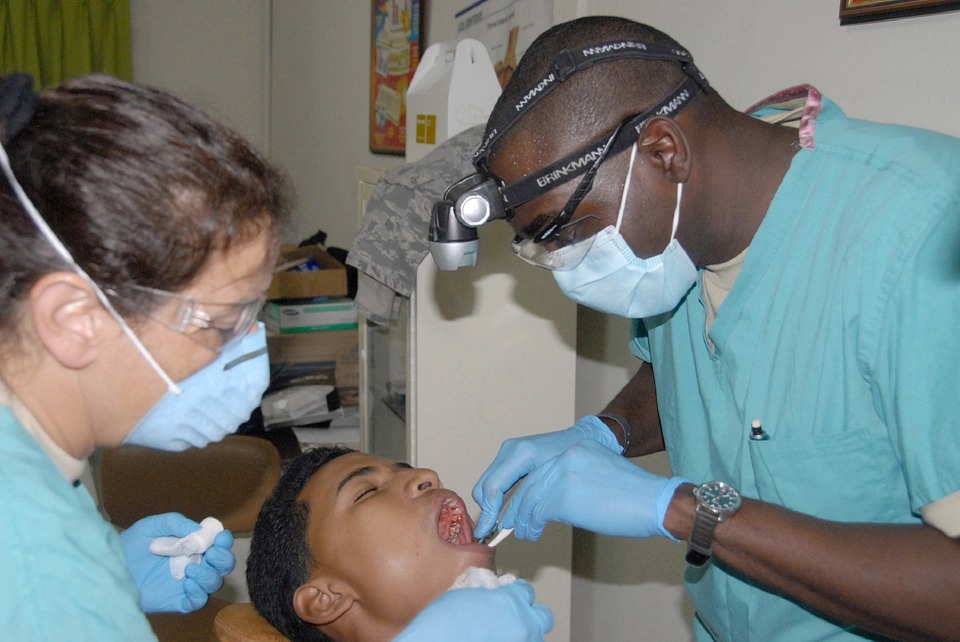
Not-So-Pearly Whites? Dental Emergencies And How To Handle Them

dentist-676421_960_720

Image from Pixabay


Any kind of dental emergency, like a sudden injury to the teeth or gums, certainly shouldn’t be ignored. Even if it seems like a fairly minor, everyday issue, leaving a dental problem alone can increase the risk of permanent damage, and the need for more troublesome and expensive treatments further down the road. Here are a few common dental emergencies, and the best way to handle them.

Chipped or Broken Teeth

If you chip or break one of your teeth, then retrieve or save any pieces where possible. Next, rinse your whole mouth out thoroughly with warm water, and run it over the broken pieces (don’t drop them down the plughole!). If there’s bleeding, then apply some kind of dressing to the area, ideally first aid gauze. Holding it there for ten minutes or until the bleeding stops is important to minimize the risk of infection. Next, you can keep swelling down and relieve some of the pain by applying a cold press to the outside of your cheek, lip, or wherever the chipped tooth is. With the pieces, go to a 24-hour dentist such as this one: http://dentista.24hora.org as soon as possible.

Dislodged Tooth

Sometimes, we’re not so lucky, and instead of simply chipping a tooth the whole thing gets knocked out. Again, you should retrieve the tooth if at all possible, and hold it by the crown. That’s the part of the tooth that’s usually visible and exposed, as opposed to the root that’s lodged in the gum. If it’s got any dirt on it, rinse it with warm water. Don’t scrub it, or try to remove any clinging fragments of tissue. If possible, you should try to slot the tooth back into place. Be careful here though. You need to make sure that it’s facing the right way, and that you never try to force it into the socket. If what you’re doing feels wrong, then it probably is, and you should leave it be! If you can’t slot it into place, then store the tooth in a small container of milk, or water with a pinch of salt if that’s not available. The nutrients in these will save the tooth from any further damage. No matter the case, you need to get to your dentist as soon as possible.

Tooth Ache

Toothaches can strike at a moment’s notice, and the pain can be very intense. If you’re suddenly struck by a severe toothache, it’s important to act fast. First and foremost, rinse your mouth out thoroughly with warm water. Then, use dental floss to gently remove any food which is lodged in your teeth. If any area of the mouth feels swollen, then apply a cold press to the outside. The one thing you should never do is apply aspirin or another painkiller directly to the area. This won’t do much for the pain, and can end up burning your gum tissue. As with the other emergencies, be sure to see your dentist as soon as possible.

Contributed Post.

If you like what you’ve read here, please let others know of this post, blog, and site.

And thanks for reading!  🙂

Unknown's avatar

The Most Common Addictions And How You Can Overcome Them Indefinitely

We live in a modern society where we have more at our fingertips than ever before. Technology, legal highs and ways to block out certain memories are just some of the things we can get addicted to in our daily life. But these common and normal things for today’s world could turn into an addiction if you are not careful. So I thought it was worth highlighting some of the most common addictions and how you can overcome them indefinitely.

alcohol-drink-glass-drinking

Image


Drinking alcohol


Drinking a glass of wine or the tipple of your choice is something many people enjoy doing on a regular basis. They may associate drinking with the end of the working week or choose to enjoy a cheeky glass to help you relax at night. We all have our reasons and levels that we are comfortable with, but drinking can turn into an addiction if you are not careful. Being an alcoholic is an extreme version of the addiction, this is where you can’t even get out of bed without a drink to get you going. Being alcohol dependent is a whole different ball game and possibly more common than we realize because we are less aware of the signs. If you find yourself not being able to pass a Friday night without a drink or not being able to go a day without one, then you may be more dependent than you think and you could be addicted. Try and cut down and consider trying a booze free month to see how you get on. There are plenty of health benefits to stopping drinking for good.


Smoking each day


Smoking is another everyday habit that people partake in, but it is a strong addiction that some people can’t muster up the confidence to give up for go. There are a couple of reasons why smoking is bad for you, one being the harmful chemicals you inhale are the leading cause of fatal diseases that lead to death. However, there are plenty of options to consider when it comes to quitting, so why not try nicotine patches, going cold turkey or even trying vaping with an e-cigarette? There are plenty of e-juice flavors to consider.

hands-coffee-smartphone-technology

Image


Addiction to the internet or your phone


As technology advances and we have more and more available at our fingertips, the rise of internet and smartphone addiction is increasing. Constant, bordering obsessive internet browsing and social media updates that become part of your daily routine can cause irritability, frustration and even affect your life and relationships. If you think you are getting too much internet and technology in your life, try to have moments of time where you are technology free. It’s strangely liberating, and after all, how did they manage all those years ago without the smartphone?

business-1067978_960_720

Image


Workaholism


Workaholism is something that is fairly new, but as the rise of the commercial world exceeds so does the expectation employers place on us, and what we place on ourselves. Always wanting to be better than work colleagues, and putting in more hours than you need to be doing are all signs. Try and take a step back from work, and enjoy life outside of the office walls.
I hope this has made you more aware of some of the most common addictions we can all face in our lives.

Contributed Post.

If you like what you’ve read here, please let others know of this post, blog, and site.

And thanks for reading!  🙂

Unknown's avatar

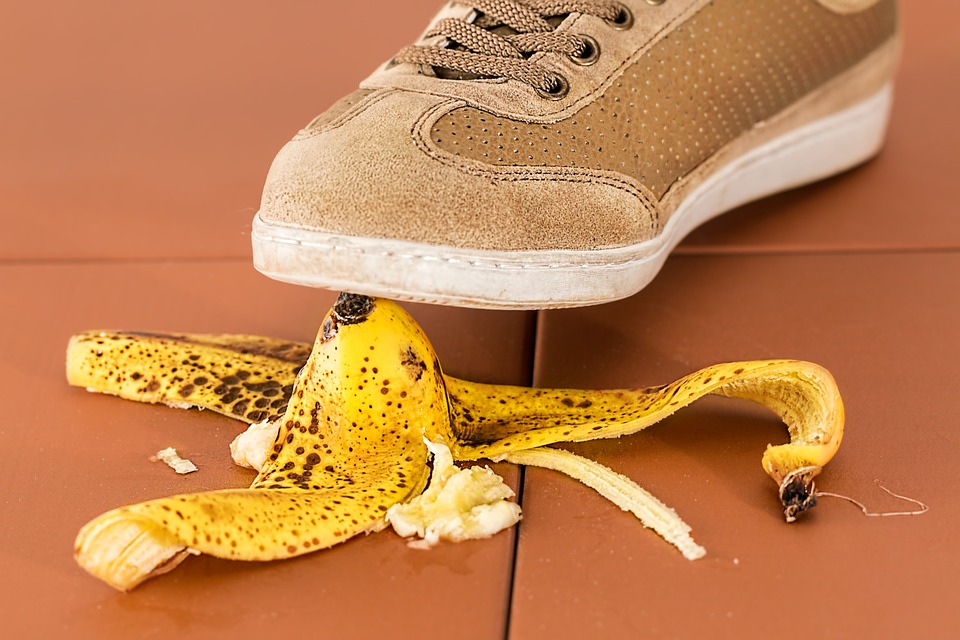
Whoops! Don’t Slip Up On Office Health And Safety

It’s easy to just assume that your business is safe, that your employees aren’t in any danger and that you aren’t at risk of legal issues. But that’s not true at all. In fact, unless you are proactive about health and safety in the office there’s a good chance that accidents will happen. You will be exposed to expensive lawsuits, and your business model will be vulnerable. Serious accidents in the office can cost businesses anything up to half a million in damages and that’s not an exaggeration. Last year, big and small companies found themselves inundated with these types of claims. With a little forward thinking this could have been avoided. On this post, we’ll look at some of the main health and safety issues in the office, how to avoid them and any other steps that you could take to make your business safe.


Common Accidents And Injuries

4141490385_691ea7fa30_n

Picture Link


Arguably the most common accident in the workplace is going to be a slip or trip. For instance, there might have been a wet floor without a sign. An employee could slip here, hurt their ankle or even break their leg. You need to remember that a fall like this can be more dangerous for older workers. Therefore, they will be entitled to a higher payout if the case eventually goes to court. Anything can cause a slip or trip. There might be a loose wire lying over the floor or a damp patch. It could be due to the fact that the area is poorly lit. This is why you want to make sure that you are changing and replacing the bulbs in your office on an annual basis. If you want cheap bulbs for the office check out a site such as Lightbulbs-direct.com/office-workplace.


You might also find that accidents occur because equipment has failed to function as it should. This could be something quite small. For instance, a kettle might have a loose wire and if that gets wet an employee could receive a nasty shock. It could also be something larger like your sprinkler system in the office. If you have a fire in the office building, your sprinkler system should put it out immediately. However, sprinkler systems can be damaged due to corrosion. When this happens, they won’t operate as they should and the fire will burn, causing further damage.


You shouldn’t rule out the possibility that the actions of an employee cause an accident. In a case like this you usually won’t be held accountable. Particularly if there was nothing you could have done to prevent the accident. However, the argument could be presented that with further training the employee would not have made the mistake. As such by increasing training for your staff you can reduce issues with health and safety substantially. Have a look at Peninsulagrouplimited.com for some great training courses.


Reducing The Risk

7932506788_68b31b00f5_n

Pic Link


Obviously, there are quite a few things that you can do to reduce the risk of accident in the office besides training your staff. Although further training is certainly advisable and will strengthen your position in a hypothetical court case. You might shy away from this possibility due to the expense involved. However, the cost of training will be nothing compared with the possible amount you could have to pay in damages after an accident. Employees should be able to handle health and safety issues themselves and be able to recognise potential hazards so that they can be dealt with.


You might also want to arrange checks for equipment. Again, you can check out large and small appliances in the office. For instance, if you have a look at a site such as ECSCorrosion.com/pipe-video-inspections you will see there are specialist inspections for sprinkler systems. You can also arrange a full tagging service for your office. A tagging service is quite simple. A specialist will check any equipment in your office and tag any item that has an issue. By doing this, you can avoid people using the equipment when it is not safe. You can also make sure that it is repaired as soon as possible before any incident occurs.


Many business owners also appoint health and safety officers for their business. A health and safety office has the role of checking the office environment on a regular basis. They will look out for any hazards and ensure that they are dealt with as quickly as possible. This is worth doing as business owners often don’t have the time to complete these checks themselves. Any action taken like this will result in a smaller payout for workers who do have an accident on the premises. Of course, there are a few other preemptive strikes that you can take.


Other Steps

slip-up-709045_960_720

Pic Link


You may want to think about setting up insurance for your business. If an accident does occur, you want to make sure that it’s not up to you to pay the full extent of the damages. With the right coverage, your insurance company will take care of most of the costs. Obviously, the more claims you get, the higher your premium will rise. However, it can be a good short-term solution if you do have a serious issue with health and safety. This site Ucd.ie/sirc/healthandsafety/workplacesafety/officesafety/ has great options for health and safety insurance.


You can also arrange services such as workers compensation. In some regions if you have workers compensation an employee cannot sue you for further damages due to loss of work from an injury. As such, there is a cap on how much you could lose due to an accident in the office.


You should also be aware that injuries can be mental as well as physical. It is certainly more difficult to deal with this type of injury because it is a challenge to prepare for it. The best advice we can offer about these types of injuries is to ensure that your employees are able to access emotional support systems. You can use a HR outsourcing service to cover this need. They will keep a check on all your employees and ensure that no serious issue is creeping up on you.


If you take this advice on board, you can avoid the headache of injuries and accidents in your workplace.

Contributed Post.

If you like what you’ve read here, please let others know of this post, blog, and site.

And thanks for reading!  🙂

Unknown's avatar

Diagnosis Is Not The End, But The Beginning: How To Deal With Being Told You’re Ill

Diagnosis.

800px-pikiwiki_israel_15784_subtle_diagnosis

Image Source


For some, diagnosis comes at the end of a long road of looking for answers about their health. Finally discovering what is wrong with them brings a certain kind of peace; the solution; the cause they have been seeking. No longer do they have to scramble to try to find their way – they can move forward.


In some respects, those people are lucky – even if their road to diagnosis was a painful one. They have been anticipating something for years as they age and can find relief in discovering their condition.


For those less fortunate to have known such a thing was around the corner, being diagnosed with a health condition can be terrifying. There is a myriad of ways you can find yourself being told you have a health condition and you had no idea it was on the cards. Maybe you dismissed symptoms you have since learned you shouldn’t or something minor became something major. Perhaps you just had anomalous results on what you thought was a standard testing procedure.


However it’s happened, the reality is stark. Last week, as far as you knew, you were healthy. Maybe you need to lose a bit of weight or cut back on your alcohol consumption, but that was all. Now, you’ve been told you have a condition and that you are due to undergo treatment.

How do you learn to cope?


Step One: Don’t Panic


Panicking doesn’t solve anything. In fact, with some health conditions it might actually exacerbate the problem.


Of course, saying “don’t panic” is not going to make it so. No one chooses to panic; it just happens to us. What you can control is your response.


Focus on self-calming techniques such as meditation and positive self-talk. They might sound like New Age mumbo-jumbo, but they work for millions of people – and you’re going to need a clear mind to get through this.


If necessary, seek professional advice on this through a therapist. You don’t have to worry about burdening your family and friends with your concerns, but you still have an outlet. It doesn’t have to be a long course of therapy, but a few chats to help your articulate your feelings could be beneficial.


Step Two: Research Mode


If you have been diagnosed out of the blue, then you can find yourself faced with what feels like an uphill struggle. You have a new, complex medical term and you suffer from it – but you know nothing about it.

doctor-563428_960_720

Image Source


At this point, it’s natural to want to go and research it – and to an extent, you should. Just try to bear in mind that you will find horror stories of even the most benign of illnesses, so try to take everything with a pinch of salt. This is especially true if you’re doing your research online, when people are more likely to embellish. Don’t be frightened by what you read.


This also gives you an opportunity to learn more about treatments. Unless you have been keeping abreast of scientific breakthroughs, you’ll be surprised by how much you have to learn. Treatment for illnesses is evolving all the time, and the prognosis of the patient is improving at the same rate. Medicine does not stand still.

paracetamol-315875_960_720

Image Source


You may discover revolutionary new treatments such as gene editing techniques that you want to try, and there’s no harm in bringing them up with your doctor. Focus on areas that are medically recognized and being conducted by doctors.


Step Three: Avoid The Crackpots


In the course of research mode, you will find yourself confronted by a snake oil salesman or twenty who will promise a cure for a bargain price. Don’t be tempted.


While alternative therapies like acupuncture can have some therapeutic benefit, don’t be swayed too much by alternative remedies. It may be tempting that someone has the fix you have been longing for, but if they did, then they wouldn’t be selling it online – it’d be being channeled through big pharma. So be skeptical and always discuss anything that you want to experiment with through your medical professionals.


This is especially important to remember even if you are usually more sceptical. You might not be in the right frame of mind to apply your usual reasoning to anything you read, so be wary of that and ensure that you take your time. If necessary, always bring up anything you want to try with a friend and see if they think it’s a good decision.

health-1294825_960_720

Image Source


Bear in mind this is not just about protecting yourself financially – it’s also a health risk to try a treatment that is not medically verified. This is especially true if you’re taking a supplement that has not been tested, so go cautiously at every point.


Step Four: Talk To Others


While you’re online, support networks are there waiting for you to explore. You can talk to those who suffer from the same condition. Even if you don’t learn anything in terms of your illness, it will at least give you some insight into how others cope.


You’ll also need to talk to your friends and family. Try and keep it brief. Explain you are unwell, what the next steps of treatment are and how it might impact your ability to interact with them. This is a difficult thing to do, and don’t be ashamed of not being able to face it in person – email and explain your decision to do so if it helps.


If you’re tempted to keep things to yourself, don’t. You’re going to need support, and you’re going to need people to be understanding. By all means keep it brief, but definitely make sure people are aware.


Step Five: Acceptance


When all of the above is done, you will be on better ground than you were when you were diagnosed. Try and keep in mind that now you know, you can do something about it. Better that than an illness be discovered when it’s too late to take action – so go forward with optimism in mind.


Contributed Post.

If you like what you’ve read here, please let others know of this post, blog, and site.

And thanks for reading!  🙂

Unknown's avatar

The Road To Recovery: Questions You Need To Ask Yourself Before Returning To Work

No matter how fit we are, there is one health risk that it is completely impossible to totally prevent. And that is an accident. Accidents can happen anywhere and everywhere. Not only that, though, but they can also occur at any time. As there is no way of telling whether will be injured in an accident or not, it can really throw a spanner in the works when we do. As a result, we often end up taking a significant period of time off work to help recover. Many people find that returning to work can be a bit of a struggle, especially if they aren’t 100% better. Wondering whether it is the right time to head back to work? Ask yourself the following questions to help figure it out.

woman-791541_960_720

Pixabay


Will It Ruin Your Compensation Claim?


If the accident wasn’t your own fault, you will have probably been in touch with a personal injury lawyer regarding compensation. In most cases, a compensation claim is easily settled by an out of court settlement and payment. However, in some cases, the claim may end up in court. Some people think that returning to work will damage their court case. However, this isn’t true. In actual fact, the complete opposite may occur, and taking unnecessary time off work can actually reduce the chance of you getting the compensation. Returning to work in good time shows that you have a good work ethic. If you aren’t in pain, and your doctor says it is OK to, you should seriously consider returning as soon as possibly.


Am I Still Entitled To Accident Benefits If I Return To Work?


A lot of people worry about returning to work because they think that their accident benefits will come to an end. Accident benefits are for those who were injured in an accident that wasn’t their fault. These are different to compensation as everyone is entitled to them, whereas you aren’t guaranteed to win your compensation claim. Accident benefits include rehabilitation costs and medical treatment. The good news is that these won’t stop until you are completely recovered. So don’t be worried about returning to work early, as this won’t affect the benefits that you receive.

crutches-538883_960_720

Pixabay


Will Going Back To Work Slow Down My Recovery?


At the end of the day, the answer to this question depends on your own personal situation. Our bodies all recover at different speeds, and it is all down to our overall health and fitness and severity of the accident. The best way to decide whether working will slow down your recovery is to speak to your doctor. However, most people find that returning to work actually helps them get better quicker. That’s because being at work takes their mind off their injuries, which can reduce how much they notice any pain. Ultimately, you need to talk to your doctor about this, as they will be able to give you their professional opinion.
One day you will be able to return to work; just make sure you don’t rush into things!

Contributed Post.

If you like what you’ve read here, please let others know of this post, blog, and site.

And thanks for reading!  🙂

Unknown's avatar

Age Is Only A Number! Giving Yourself New Approaches To Health As You Get Older

heart-care-1040229_960_720

Image from Pixabay


The onset of age comes with many different worries regardless of how young, middle-aged or “old” you are. And as someone once said, it is not how old you are, it is how you are old! A lot of people seem to think that as soon as you hit 35 you need to start thinking about where you want to retire to, and what’s going to happen to your grandkids, but the fact of the matter is that it is not about preparing for the ravages of age, it is about preventing the ravages of age. Here are a couple of simple tips to think about as you get older.


Checking Yourself

It can never be underestimated the importance of examining yourself for irregularities such as lumps or abnormal growths, and this isn’t something that is confined to when you are over 40. This is something you should be doing every time you go in the shower regardless of how old you are, as when you do get older, you are more susceptible to any kinds of diseases, including cancer, which affects one-third of all people in the Western world. So whether you should have a regular breast exam, or you go to a doctor for your prostate check ups, you need to be examining yourself also.


Diet

Everybody talks about diets and really it isn’t about “diets” per se, as a diet implies that it is a temporary thing. Instead, if you said it was a “lifestyle change,” that is a lot easier to comprehend. Also, the potential for diabetes and heart disease increases as you get older, so learning good dietary habits when you are younger as opposed to changing your whole way of eating, which is a lot more difficult when you’re older, is something that we need to be teaching our kids and our grandkids. If you’re reading this as someone in your 20s, then swapping one meal a week that consists of a burger and fries to a plate of steamed vegetables and fish is a good starting point.


Exercise

A lot of people talk about hitting the gym seven days a week in order to fight off belly fat. But in actual fact if you are going to the gym seven days a week you might be putting your body under too much pressure, which can have a stressing effect on your body, ramping up the amount of cortisol, also known as the stress hormone, which can stop you putting on muscle. Instead, going a healthy amount of times to the gym, such as three or four times a week, is sufficient enough. Or if you do not have the time, then either finding hobbies that demand physical activity, or by participating in high intensity interval training, are ways to help keep you fit while making the most of your time.


Relaxing

With the amount of information we are bombarded with, we can easily get overstimulated regardless of our age. So by getting into the habit of putting your phone away for an hour before bedtime, will help you to sleep more soundly. Or if you are into more spiritual pursuits then meditating for 10 minutes in the morning has proven to reduce stress and give long-term heath benefits.

Contributed Post.

If you like what you’ve read here, please let others know of this post, blog, and site.

And thanks for reading!  🙂