Unknown's avatar

Setting Up Good Dental Hygiene Habits In Our Children

Pexels – CC0 License

While children cannot help the natural development of their teeth (such as how straight their teeth come in, and any additional aid they need, such as corrective braces and retainers), there are some worthwhile habits we can instil in them in order to help them limit the possibilities of problems down the line. Of course, we all know that brushing our teeth daily is an essential element of self-care, so fundamental that most of us do it without even thinking.

That said, for a child, this is totally new, and without reminders they’ll probably forget to do it. Furthermore, proper brushing technique such as brushing in mini-circles, covering all teeth, and more can be helpful too. As they transition from a pea-shaped piece of children’s toothpaste to adult formulas, it can be healthy to continue to install worthwhile habits so that they know what to do should they need to.

In some cases, a cosmetic dentist can also be spoken with in order to discuss the proper development of their needs as they move into their late teenager/adult years. But how can these habits have an effect, and what are they to begin with? Let’s consider that, below:

Avoiding Sodas & Candies As Much As Possible

It’s important to show kids and teenagers that often, sodas and candies are not great for their teeth, leading to cavities and sometimes a yellowing of their enamel. This may not sway them away from that of course, but when they start to make their own decisions they’re much less likely to partake in constant indulging should they know the proper risks. This also goes for smoking, as dental issues and yellowing teeth are just another reason why keeping up with this habit, especially as a teenager, is a bad idea.

Teaching Them To Floss & Use Mouthwash

Aside from just brushing, teaching your children to floss and use mouthwash responsibly (when they’re old enough to do so), can help them reinforce the protection that their dental environment receives each day. The latter especially, because good mouthwash uses can help protect the enamel and help clean in areas where the prior two activities may have failed to reach. Of course, it’s important to make sure they’re responsible enough to use this without swallowing it, which means reaching a realistic age first.

Making A Friend Of The Dentist

It’s important to make a friend of the dentist to the degree that you can. Children can find these environments intimidating, but if you present this to them as a fun outing and meeting someone who your family likes to see, then they’ll feel less worried, as they’ll know any work they have done will benefit them and is intended to help. This means that in the future, they’ll be less likely to put off these visits, and will be more likely to visit should they encounter a condition or dental pain that needs looking at.
With this advice, you’re certain to set up good dental hygiene habits in your children going forward. This should give them something to smile about.

Contributed Post.

If you like what you’ve read here, please let others know of this post, blog, and site.

And thanks for reading!  🙂

Unknown's avatar

Simple, Affordable Ways To Supercharge Your Smile

Surveys suggest that most of us consider our smiles our most important feature. If you’re keen to supercharge your smile, here are some simple ways to protect your teeth and gums and enhance your appearance and self-confidence. 

Image source: https://pixabay.com/photos/teeth-cleaning-tooth-repairs-1514692/

Master the dental health basics

The best way to look after your smile and make your teeth shine and sparkle is to master the basics of dental health. Take good care of your teeth and gums by implementing a daily oral hygiene routine and seeing your local dentist on a regular basis. Brush for at least two minutes twice daily and clean between your teeth using dental floss or interdental brushes. This will help you to eliminate bacteria and food debris from areas that you can’t reach with your toothbrush. Schedule regular appointments with your dentist and seek advice if you develop symptoms, such as bleeding when you brush, pain, sore gums or heightened sensitivity.

Your eating habits are another important consideration. What you eat and when you eat have a major impact on your dental health. Try to ensure that you have a healthy, balanced diet, avoid snacking between meals and limit your intake of sugary and acidic foods and drinks. If you long for whiter, brighter teeth, it’s wise to avoid foods that stain the teeth. Examples include coffee, tea, red and white wine, dark berries and soy sauce. 

Consider cosmetic dentistry

Most people are not blessed with perfect pearly whites. The good news is that cosmetic dentistry offers solutions. Nowadays, dentists use an array of treatments and techniques to create beautiful smiles. If you’re conscious about the color of your teeth, your teeth are crooked, there are gaps between your teeth, or you have misshapen, chipped or uneven teeth, have you thought about having cosmetic dental treatment?

There are all kinds of cosmetic dental treatments available, and most practices now offer finance options to make services more accessible and affordable. Popular examples include tooth whitening, veneers, cosmetic bonding and adult braces. If you are thinking about having treatment, or you dream of having a stunning smile, look for dental clinics that specialize in cosmetic treatment, schedule a consultation to find out more about the services on offer and get some quotes. 

Invest in professional cleaning

Professional dental cleaning and hygiene services are hugely beneficial for your oral health, but they can also help you to achieve a megawatt smile. Advanced cleaning techniques are much more effective and powerful than brushing at home and they target discoloration and staining to create brighter, healthier-looking smiles. Dental hygiene treatments are particularly beneficial for those at risk of developing gum disease, as well as those with discolored teeth. 

Picture from https://www.pexels.com/photo/woman-wearing-black-eyeglasses-1239291/

Many of us dream of showing off a flawless set of pearly whites when we smile. If you don’t have a perfect smile, or you’re looking for ways to protect your teeth and enhance the appearance of your smile, there are solutions. Master the basics of looking after your teeth, see a dentist on a regular basis, explore cosmetic dental treatment options and consider investing in professional cleaning and dental hygiene services.

Contributed Post.

If you like what you’ve read here, please let others know of this post, blog, and site.

And thanks for reading!  🙂
Unknown's avatar

Can You Cure Gum Disease?

Gum disease is actually very common, far more common than you likely realise. With over half of people over 30 suffering from it. You may have heard old wives’ tales that it’s not curable, which when you look into the consequences of gum disease can be a very daunting prospect. But we want to reassure those with concerns that there are ways back from periodontal disease.

What is gum disease? It’s very simply an infection of the soft tissue in your mouth – so basically your gums. It happens when plaque and tartar build up and form bacteria in the mouth. Now lots of people can feel embarrassed about gum disease as it’s often linked to poor dental hygiene but we understand it can be really hard to get to some of the areas of the teeth and gums and sometimes people simply don’t know the correct way to brush their teeth.

What are the symptoms of gum disease?

The most common symptoms of gum disease are bleeding gums – sometimes they will bleed when you brush your teeth or it might be that it’s when you come to flossing or using an interdental brush. Either way – gums shouldn’t bleed easily and blood shows signs of inflammation

If your gums look red or inflamed this could also be a sign, if you are continuously suffering from bad breath and a bad taste in your mouth. It could be that you’ve noticed your gums are shrinking or maybe that your teeth are wobbly. If you show signs of any of these we highly recommend getting in contact with your dentist in Milton Keynes and booking an appointment as soon as possible.

How do I get diagnosed?

Your dentist in Milton Keynes will do a full assessment when you go in for a check-up. They will rule out that your symptoms are not down to any other medical conditions or caused by a medication you are taking. You will be examined by the dental team who will look for obvious signs. They will also be able to see the things you can’t like excessive plaque and tartar buildup.

Treating Gum disease

The treatment of gum disease will vary depending on its severity. Sometimes all you will need is a scale and polish. Scaling works by removing tartar and bacteria from the gums. They could also do root planning which smooths the surface of the teeth to stop further buildup. In some cases a course of antibiotics could be used to help control the infection.

In more advanced cases there are surgical treatments that could be used but the is very rare.

Once you have had your dental treatment you need to make sure you are upkeeping a good dental routine at home – brushing twice daily, flossing and using interdental brushes to reach those tricky points in the mouth. Gum disease can have major implications long term including tooth loss – so it’s important you stay on top of your teeth.

Contributed Post.

If you like what you’ve read here, please let others know of this post, blog, and site.

And thanks for reading!  🙂

Unknown's avatar

Dental Whitening; A Brief Guide

Around the world, more and more dental patients are approaching their dental teams to enquire about having their teeth whitened. And it is easy to see why! Whiter teeth not only improve a person’s smile, but can lift a person’s self-esteem to new heights and so it has become one of the most popular cosmetic dental treatments available. And unfortunately, most people require dental whitening on a professional level as over-the-counter toothpaste and mouthwashes simply do not deliver results in many cases.

If you are looking to have your teeth whitened, you may want to know a bit more about the professional side of this option. So welcome to the world of teeth-whitening Macleod!

Why do teeth change colour?

Teeth are composed of layers and the outermost layer which is seen when you smile or talk is the enamel. Enamel is the hardest bone in the human body but as it is a bone, it is porous.

So when you drink coffee, red wine or simply eat foods that have natural colourants like cumin, it is likely that your teeth will absorb the colours. So, teeth naturally change colour over time, especially if you engage in drinking coffee or wine regularly. This is also true if you smoke; many people who engage in smoking have yellow or brown teeth caused by nicotine which is released in the smoke of the cigarette.

How teeth are whitened

When you approach your dental team to have your teeth whitened, they will first explore the underlying reason as to why your teeth are discoloured. As mentioned earlier, in most cases it is due to food, drink or other lifestyle choices such as smoking or drinking. Teeth are typically whitened using one of two methods. The most popular method used by dentists to whiten teeth involves the application of a bleach-based gel to the tooth which is then oxidized via light and removes stains from the enamel. If, however, your teeth have changed colour due to medication or fluorosis earlier in life, then your dental team may decide to use abrasion to remove the stains.

Bleaching!

The bleaching of teeth occurs over two weeks in most dental surgeries. At the first appointment, your dental team will apply the gel to the teeth and use a light to oxidise it and remove the stains. After this, you will be given a set of trays that look like mouthguards that your dental team will tell you to wear at night, using a weaker version of the whitening gel used in surgery.

This will help to remove any stubborn stains which may appear after the initial whitening has occurred. Once this 14-day period is up, you will need to attend your dental surgery to have the final whitening procedures performed, in which you will have a bleach-based gel reapplied to the teeth and oxidised.

Prolonging the effects

To prolong the effects of your whitening, your dental team will typically offer you a gel to use at home to act as a top-up to keep your teeth whiter for longer. You should also refrain from engaging in activities such as smoking or consuming food or drink high in tannins, and then, you may experience a whiter smile for up to 3 years.

DISCLAIMER

Any surgical or invasive procedure carries risks. Before proceeding you should seek a second opinion from an appropriately qualified health practitioner.

Contributed Post.

If you like what you’ve read here, please let others know of this post, blog, and site.

And thanks for reading!  🙂

Unknown's avatar

The Importance of a Positive Dental Experience

Research shows that approximately 48 per cent of adults in the UK exhibit symptoms of dental anxiety. Dental anxiety is a worrying issue that places the oral health of the patient at great risk. Often patients even avoid necessary dental care because of their fears and anxieties.

To enjoy good oral health and minimise the development of unwanted dental problems, it is paramount that patients attend regular dental screenings at a dentist City of London. When fears and anxieties prevent a patient from receiving the care they need, dental anxiety can trigger a vicious cycle of neglect and major health issues that are not confined to dental issues.

Causes of dental phobia vary, and can originate from the sights and sounds of the dental environment, the fear of pain and needles, loss of control and previous traumatic or unpleasant experiences.

Why a positive dental experience matters

Dental visits that provide a high patient satisfaction work to the advantage of both patient and dental practitioner. The patient is motivated to keep on top of their oral health to the benefit of their happy and healthy smiles and the dental practitioners enjoy the loyalty of their patients as well as support an enviable reputation that attracts new patients.

Fortunately, there are a number of ways with which to create positive dental experiences and minimise anxiety and fear whilst in the dental chair.

Patients look to strong communication from dental practitioners. Not knowing what to expect during a dental appointment can be immensely distressing for some patients. To ease the fear of the unknown, it would help matters if the dental practitioner takes the time to explain in an empathetic way, the procedure process, how it will be carried out, what instruments will be used, how long it will take, etc.

Compassion can go a long way to alleviating patient fears and anxieties which is why it is an important trait that encourages high patient satisfaction. It is ideal if it is not only the dental practitioner who practises compassion towards patients, but the entire staff complement at the dental clinic. Listening to the patient’s fears and concerns and finding suitable ways to address them is a good way of showing compassion. One technique that is used to great effect in reducing dental nervousness is sedation which is made increasingly available at progressive dental clinics.

Providing a pleasant dental environment may not directly impact a satisfactory patient experience but it does help. An aesthetically pleasing and clean atmosphere that looks to the comfort of patients is one of the easiest ways to put nervous patients at ease. A welcoming ambiance can be created by a combination of factors such as natural light, soothing music and comfortable furnishings.

Patients, both young and old, who feel welcomed and encouraged at the dental clinic are most likely to want to repeat their experiences. The opposite is also true. Negative associations will drastically reduce the chances of a patient returning to the dental clinic in the future and may also make them avoid seeking care at another clinic.

Contributed Post.

If you like what you’ve read here, please let others know of this post, blog, and site.

And thanks for reading!  🙂

Unknown's avatar

Gaining New Teeth with Dental Implants

Living with missing teeth is no fun at all, as the gums in the area of a lost tooth or teeth become exposed and this can lead to an increase in sensitivity with that area of the mouth. This can lead to the creation of some difficulties within the way the mouth is used, as a simple task like eating and drinking may become more challenging with some slight pain associated with them, leading to the avoidance of tougher foods such as nuts or steak.

Many people who suffer from tooth loss start to seek out ways to gain replacement teeth, this often leads them to investigate oral devices such as bridges or dentures, neither of which can provide a fixed in place and permanent solution for replacing a lost tooth or a number of lost teeth.

Many sufferers of tooth loss are looking for a way to regain their teeth in a way that almost feels natural, dental implants Maidstone can provide a solution that feels like real natural teeth that are capable of coping with the rigours of everyday use.

Built to last a patient a lifetime

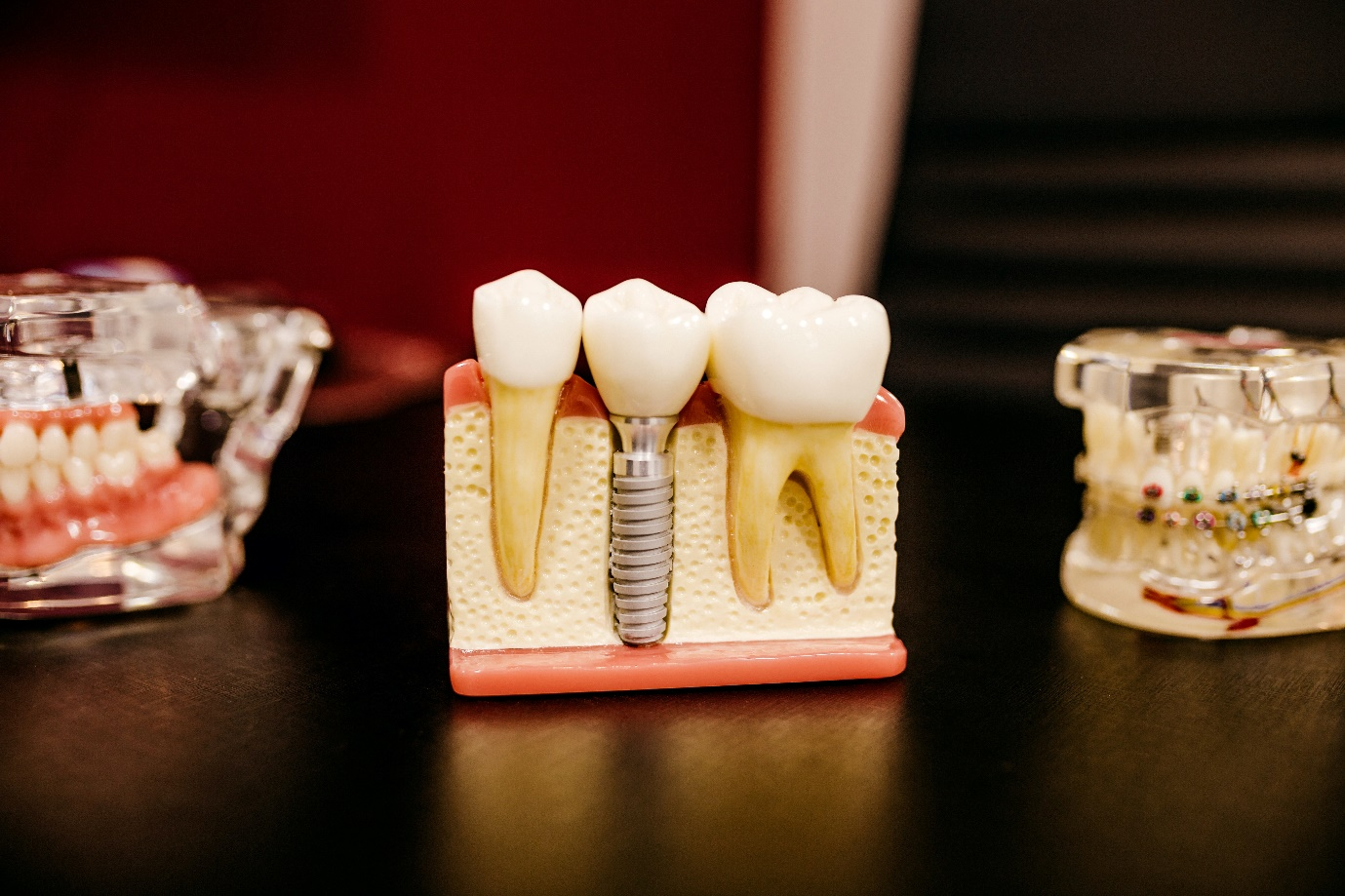
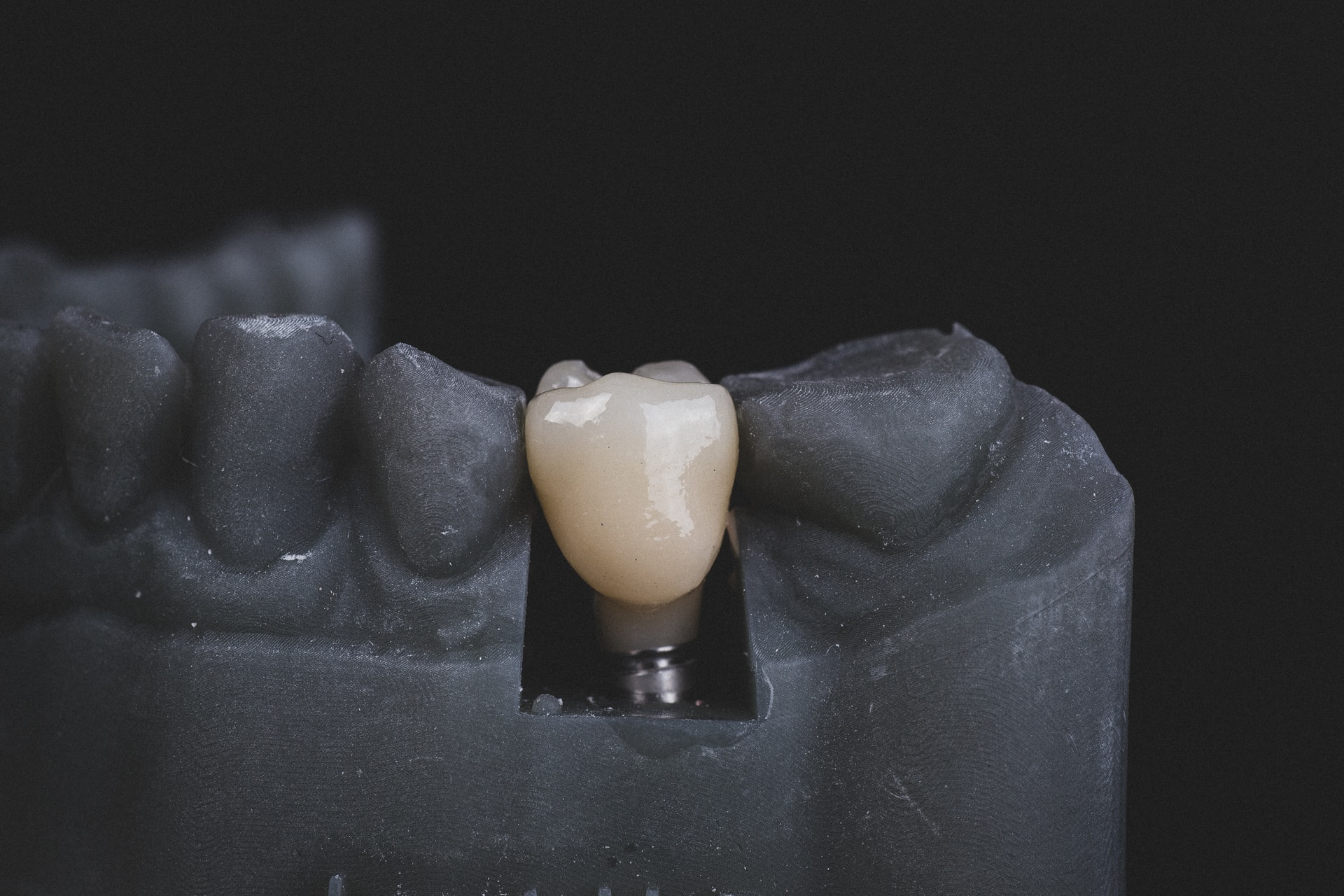
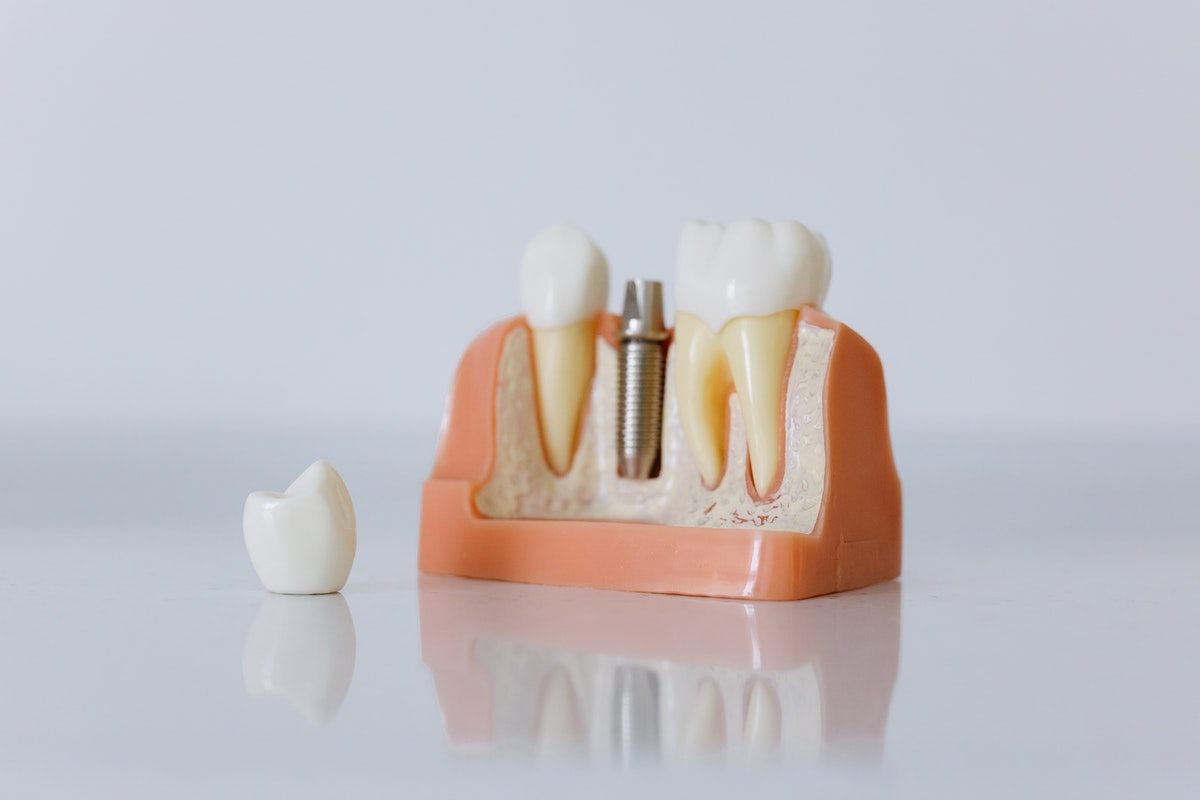
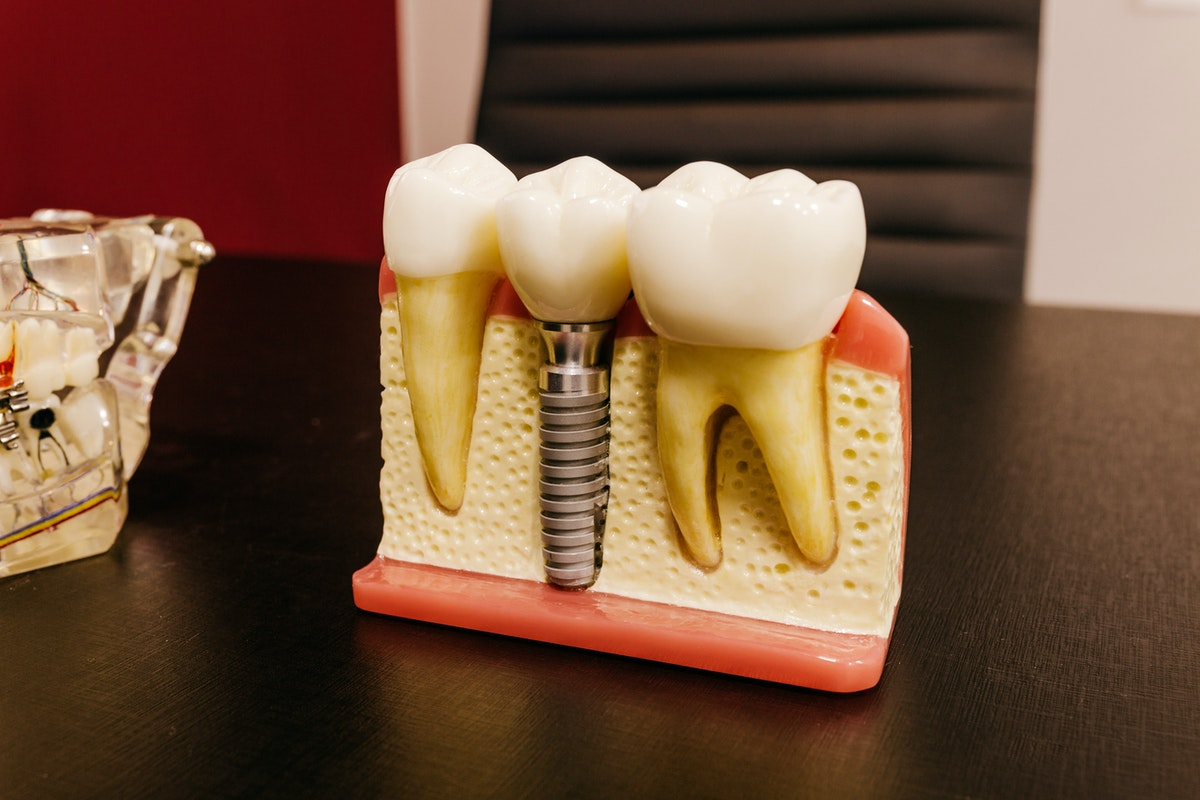
An implant that is being used to replace a single tooth is created by placing a titanium screw into the jawbone of the patient, this helps to form a strong base within the mouth for the new tooth to sit on. The new tooth is a ceramic crown that is attached to the head of the screw, so it is firmly held in place.

The crown is shaped and coloured to allow it to blend in with any teeth surrounding it, often the patient cannot tell which is the replacement tooth after a while as the surface of the crown starts to look like the other teeth around it after being used for a period of time.

While the description here describes the replacing of a single tooth, with a little variation this technique can be easily adapted to replace multiple teeth, as well as being able to be used as an alternative to dentures in cases of extreme tooth loss. Patients are advised to consult with a dentist to understand their options in full.

Freedom of choice when it comes to food

Many people who suffer tooth loss find that they have to change their eating habits, as they chose to avoid eating food they feel they may struggle to bite into or chew. Even with the use of a bridge or dentures, they may find they still have some issues with some foods.

By giving a patient a fixed in place replacement tooth or teeth we can take away any concerns they may have about the food they eat, as they will have the knowledge that their teeth are strong enough to cope with the eating of the food they chose.

Start to smile again

When some people lose teeth at the front of the mouth they may decide to try to avoid smiling, as they may not want to expose their tooth loss. Replacing these teeth with dental Implants may allow them to feel confident smiling once more.

Contributed Post.

If you like what you’ve read here, please let others know of this post, blog, and site.

And thanks for reading!  🙂

Unknown's avatar

Helping Your Child Feel Comfortable In Clinical Environments

Pexels – CC0 License

Children, for their own good, must be taken to Doctors, Dentists, and other medical clinicians from time to time. This can involve general checkups, or a requirement for addressing specific issues. In some cases, long-term care of a given health need does not necessarily pose that something is deeply wrong – such as when we bring children to the orthodontist to have their retainers fitted and their future dental health improved.

That said, no matter how friendly and nice clinicians attempt to make their medical environments seem, some children can worry about these visits quite intensely, and feel deeply uncomfortable when there. As such, it’s important that we as parents take a willing effort here in helping them feel more comfortable, familiar, and okay with these regular visits. After all, the calmer and more collected your child is, the better your clinician can take care of them, which is all they hope to achieve in the first place.

With that in mind, let’s consider how to help your child feel more comfortable in clinical environments:

Familiarize Them With Your Doctor Or Clinician

It’s important to familiarize your child with your doctor or clinician so they understand who they’re visiting. Calling them by their name, as if a family friend, can help your child feel more interested in visiting them as a fun outing rather than labeling them “the Doctors” or a group that feels disconnected from us. Choosing the right service is important too, such as the most welcoming family dentistry service you could attend. This will do half of the work for you.


Never Refer Negatively To The Medical Environment

It’s important to be mindful about how you talk about the medical visits you and your child will encounter. For instance, suggesting “you need to eat your vegetables otherwise your teeth will rot away and the dentist will have to take them out!” might seem like a somewhat mild way to worry a child into behaving the right way, but with our careless fictional warning we’ve shown that the dentist is something to be feared. It’s important to make the medical environment seem friendly, perhaps even by playing doctors with cool childhood toys, giving them a pretend stethoscope, and buying a LEGO set (or similar toys) depicting hospitals.

Answer Their Questions & Keep Them Informed

Both children and adults tend to have a fear of the unknown, and it’s normal for us to feel apprehensive about going into an environment we’re not sure of. This is why, when taking our children for vaccinations, for instance, it’s good to make the event seem like a fun outing where you can see the Doctor, become protected against “feeling sad and unwell,” and then go to eat some fast food as a treat afterwards. Don’t keep them in the dark or make visiting a medical professional seem like a secret that will surprise them on entry. This way, they need not fear going over there.

With this advice, you’re certain to help your child feel comfortable in clinical environments. This can help them become more receptive to the care they need, and will make the experience so much easier for you and the medical staff involved.

Contributed Post.

If you like what you’ve read here, please let others know of this post, blog, and site.

And thanks for reading!  🙂

Unknown's avatar

The Argument in Favor of Investing in Dental Health

When it comes to investments, few rate health over wealth if one considers the priorities of modern living. It is an enigma why so many will sacrifice their health in the pursuit of wealth, yet without health, one will not enjoy wealth, or not for long.

In maintaining overall health, the role of dental health should not be overlooked. Anyone suffering from poor oral health will quickly realise how dental problems can dramatically reduce the quality of one’s life. One aspect of life directly affected by the state of one’s dental health is eating and nutrition. Figures show that 21 per cent of adults in the UK report experiencing problems eating due to the condition of their teeth. Poor dental health is the direct cause of neglecting oral hygiene and avoiding the professional care and attention provided by a dentist Luton.

Why make the investment in dental health

The time and effort taken to protect one’s dental health should be seen in a similar way as an investment in tomorrow. Yes, professional check-ups carry a cost, but this is a fraction of what one would have to fork out to treat more serious dental problems that arise out of neglecting oral health; replacing missing teeth, for example, or rehabilitating gums back to health. Besides avoiding more expensive dental treatment down the line, investing in dental health offers returns on investment in ways that can’t be easily quantified.

Dental authorities, the Oral Health Foundation for one, consider a healthy mouth as a great personal asset. The reason for this is simple: good oral health holds a number of desirable benefits for a person. Look after one’s teeth and gums, and one can bite and chew with ease and enjoy a varied diet, and then there is the ability to flash an attractive smile to consider.

The day-to-day benefits of smiling are positively overwhelming. The biological process triggered by smiling boosts happiness, smiling looks after heart health by lowering stress levels and strengthening the immune system and studies also show the link between smiling and improved levels of productivity.

Then there is a causal relation between loving one’s smile and healthy self-esteem. Not loving one’s smile, because of the appearance of one’s teeth, can affect how one sees oneself and the confidence one feels. Low self-esteem and low confidence make up a high price to pay for not prioritising oral health.

The transformative effects of smiling are not limited to mental health. By being proactive about one’s dental health, one can avoid many common dental diseases and complications linked to underlying chronic medical conditions. Researchers have found that harmful oral bacteria present in patients with gum disease can make their way into the bloodstream where they can spread to affect vital life organs such as the heart and lungs. A number of worrying conditions have been linked to gum disease including diabetes, pneumonia and certain cancers.

Neglecting oral health will only result in creating problems that will need to be addressed in the future. Spending money on treating problems that could otherwise be avoided can be likened to wasting money and there is no avoiding major dental problems when they make themselves known.

Contributed Post.

If you like what you’ve read here, please let others know of this post, blog, and site.

And thanks for reading!  🙂

Unknown's avatar

Thinking of Getting Dental Implants in St Albans for a Fuller, Natural Feeling Smile?

Get your smile back

Far more people than you might initially imagine are living each day with one or more gaps in their smiles where teeth once were. Whether you’ve lost a tooth through injury, decay or natural ageing the best treatment you can choose to regain both the look and function of your smile is dental implants St Albans.

Although dental implants have been widely available to the public for many years now, fewer people are aware of what they are – or how they can help. This is largely due to the popularity and availability of other treatments for lost teeth like bridges, crowns or dentures.

However, where these treatments often fail is in their long-term effects, as they are prone to becoming uncomfortable or ill-fitting over the years. Dental implants do not present the same issues as they are permanently fixed in place which makes them the only really durable solution.

What actually are dental implants?

Dental implants, in principle, replicate the way in which a tooth is embedded inside your jaw through the installation of a titanium-alloy based socket into the gap where you are missing a tooth or teeth. This socket effectively acts as a new root into which a dental implant expert can attach a natural looking and durable prosthesis.

Where dental implants differ from other replacement devices is the fact that they are permanently fused in a position that allows patients to use their new tooth with the same confidence as if the tooth were natural. Because dental implants are a long-lasting solution they are mostly hailed as the most comfortable and natural feeling way to bridge a gap in your mouth.

Additionally, other long-term dental health problems which are faced by those who have untreated gaps in their jaws, such as a loss in speech ability or a decrease in facial bone density, are all addressed through dental implant treatment, as the gap is forever filled on a structural level, which helps alleviate the surrounding areas in your mouth.

How are implants fitted?

Because dental implants are permanent they have to be installed by a qualified dental expert through a complex and specialist dental surgical procedure. Before this can happen, however, a dental implant expert must first determine your eligibility for implants by conducting a thorough examination of your oral health.

Because dental implants are fixed into your bone in all probability permanently, your oral health must be of a certain level before they can be successfully put into place. Providing that a specialist deems you eligible for implant treatment, the installation procedure will then involve drilling a small hole into your exposed jawbone within the gap in your mouth.

The implant expert will then place the titanium-alloy socket into this hole, before then resealing the hole and leaving it to fuse. The natural fusion between the titanium alloy and your bone tissue is fundamental to the success of implant treatment, and once this has happened the practitioner will then reopen the socket and fix a prosthesis in place.

This, once fixed, should never shift out of shape or move from position – which means you can enjoy your new smile to its fullest potential, eat any type of food and speak clearly, without worrying about the implant becoming crooked or uncomfortable as the years go by.

Contributed Post.

If you like what you’ve read here, please let others know of this post, blog, and site.

And thanks for reading!  🙂

Unknown's avatar

Guiding You Through a Variety of Oral Implants used within the World of Dentistry

Tooth restoration has never been easier than it is now within the dentistry world. Unlike dentures and bridges, dental implants in Bromley are inserted into the jaw bone creating an artificial root that is fused into the bone after months of recovery. Once healed, an artificial tooth or multiple teeth can be attached to the root which can then recover and rejuvenate your smile.

With major advances in knowledge and technology within the dental world, it is no surprise that the demands on implants have spiraled and ways to accommodate even the unsuitable candidates has begun to take form.

We will therefore take a brief look at the 4 main types of oral implants in order to guide you and expand on the knowledge surrounding your options.

Why is there a need for multiple implant options?

Whilst it would be incredible for every candidate to have the perfect jaw bone in terms of depth and strength, in reality, this is not possible. Therefore, in order to accommodate the variety of patients, different oral implants were designed and created.

The most common implant used

The go-to of implants when it comes to tooth restoration is that of the Endosteal. This particular implant is similar to a small titanium screw that is drilled into a healthy jaw bone and then left to naturally heal for approximately 3 to 6 months. Once healed, which means the screw is fused in by the natural bone, then a tooth can be attached. With sufficient oral hygiene carried out the implant can then last for as long as 15 years.

Using the cheek

For patients with insufficient bone depth within the jaw, it may be that the Zygomatic implant is more suitable. This particular implant is almost the same as the endosteal except for the length and placement of the synthetic root. The Zygomatic implant is placed within the upper jaw and attached to the cheekbone, or in the medical world, the Zygoma. Once again time taken to heal varies but can be around 3 to 12 months before they are fully fused in place. Once this has happened the duration with the correct oral hygiene can be anywhere from 15 to 20 years.

Shrinking in size with mini-implants

In the complete reverse to the Zygomatic implant where the Endosteal implant has been lengthened is the mini-implant which is reduced in size. These implants are not inserted as deep into the jaw bone and therefore are used primarily for single tooth replacements. Whilst the fusing of the jaw bone is still needed, it is considerably less time due to the depth and can be around just 3 months. The depth of the implants does affect the longevity of the solution though and reduces to just 10 years before an alternative solution would need to be found.

An alternative method

One other option for tooth restoration is that of the Sub periosteal which is not actually implanted but physically attached to the jaw and gum. Molded to your own specific jaw, this fitting acts as an implant without being inserted into the bone. As many as 6 posts can be used with this fitting and once the gum has healed around the posts the tooth or multiple teeth can be attached. No, fusing of the bone, just simple healing of the gums to get through.

Contributed Post.

If you like what you’ve read here, please let others know of this post, blog, and site.

And thanks for reading!  🙂