Unknown's avatar

Coffee Storage Myths Debunked: The Truth About Preserving Flavor

Nothing beats the rich aroma of freshly ground coffee beans, but how you store those beans can make or break that perfect cup. There’s a myriad of myths floating around about coffee storage, so let’s separate fact from fiction and ensure your brew stays as flavorful as it should. After all, we all want to maximize the shelf life of coffee so we can make the most of our favorite roast!

The Sunlight Conundrum

Myth: “Storing coffee beans in a glass jar on the kitchen counter adds a touch of sophistication.”

Reality: Sunlight might be great for beach days, but it’s the arch-nemesis of your coffee beans. UV rays can wreak havoc on the delicate oils in coffee, leading to a flavor mutiny. Opt for an opaque, airtight container, and let your beans dance in the dark.

The Freezer Fallacy

Myth: “Extend your coffee’s lifespan by throwing it in the freezer.”

Reality: Freezers are fantastic for ice cream, not for coffee. Coffee beans are porous little flavor sponges, and they can absorb the aromas of neighboring frozen peas and leftover curry. Keep your coffee in a cool, dry place, away from smelly companions.

Vacuum Sealing Sorcery

Myth: “Sealing coffee in a vacuum bag guarantees freshness forever.”

Reality: While vacuum sealing can delay the inevitable aging process, it’s not a magical time-stopper. Once you open that bag, the clock starts ticking. Invest in smaller portions, sealed individually, to keep that burst of flavor intact each time you open a new pack.

The Fridge Folly

Myth: “The fridge is a perfect coffee sanctuary.”

Reality: Cold and coffee aren’t the best bedfellows. The fridge introduces moisture, and coffee beans despise moisture as much as cats dislike water. It’s a one-way ticket to flavorless town. Stick to room temperature storage to keep your beans happy and flavorful.

Grind Before Brewing Grandiosity

Myth: “Grind your beans right before brewing for the freshest cup.”

Reality: The idea is valid, but life sometimes gets in the way. If you’re racing against the clock in the morning, grind your beans the night before. It’s not sacrilege; it’s a practical compromise that still yields a darn good cup.

Freshness vs. Age Rumble

Myth: “The fresher, the better.”

Reality: Freshness is crucial, but aged coffee can surprise you. Some beans, like wine, mature gracefully, developing nuanced flavors over time. Experiment with different ages, and you might discover a hidden gem in the world of aged coffee.

Air-Tight Armageddon

Myth: “The tighter, the better. Seal it like Fort Knox!”

Reality: Coffee beans release gas, especially in the first few days post-roasting. If your container is airtight, you might end up with a coffee explosion. Opt for a container with a one-way valve, letting gas escape without allowing air to sneak in.

The Quantity Quandary

Myth: “Buying in bulk ensures you never run out of coffee joy.”

Reality: Coffee is like a good joke – best enjoyed fresh. Buying in bulk might save you a few bucks, but unless you’re hosting a coffee-fueled carnival, stick to smaller quantities to savor that delightful flavor profile.

Flavored Coffee Fiendishness

Myth: “Flavored coffee beans don’t need special care.”

Reality: Flavored beans are like delicate flowers; they absorb surrounding scents and flavors with glee. Keep them in a separate fortress to prevent flavor contamination. Vanilla coffee should taste like vanilla, not yesterday’s garlic.

The Temperature Tango

Myth: “Room temperature is a vague concept; it’s all about the exact degrees.”

Reality: Room temperature is your friend. The key is consistency. Fluctuations in temperature can accelerate the aging process. Find a cozy corner away from the stove and microwave, and your coffee will thank you with a bold, unaltered flavor.

The Roast Rebellion

Myth: “Dark roast is the boss, and it stays fresher longer.”

Reality: Dark roasts might seem robust, but they lose their freshness quicker than you can say “double espresso.” Lighter roasts, on the other hand, hold onto their vibrancy longer. It’s a paradox, but hey, so is life.

Conclusion: Sip, Savor, Store

In the world of coffee, the quest for the perfect cup is ongoing. Storing your coffee beans properly is a crucial chapter in this flavorful journey. Forget the myths, embrace the realities, and relish every sip knowing your coffee beans are stored in a way that does justice to their complex character.

So, dear coffee connoisseur, arm yourself with knowledge, pick the right storage spot, and let your coffee shine. After all, life is too short for bad coffee. Cheers to the perfect brew!

Contributed Post.

If you like what you’ve read here, please let others know of this post, blog, and site.

And thanks for reading!  🙂

Unknown's avatar

Healthy Eating: Guilt-Free Options for Food Lovers

  • Whole grains and lean proteins offer essential nutrients and versatility in a healthy diet.
  • Fish and seafood, particularly in Singapore, are abundant, protein-rich, and full of essential omega-3s.
  • Various fruits and vegetables provide necessary fiber, vitamins, and antioxidants, enhancing overall health.
  • Contrary to misconceptions, healthy fats play a vital role in hormone balance, brain function, and maintaining a healthy weight.
  • Eating well doesn’t require sacrificing taste – Singapore offers many delicious and healthier food choices.

For many people, indulging in delicious food is a way of life. However, with the increasing incidence of health issues and lifestyle diseases, more people are seeking healthier eating choices that are not only delicious but guilt-free.

The health and wellness trend in Singapore is rising, and more people are looking for ways to eat well without compromising taste. This blog post will explore some of the best healthy eating choices you can indulge in without guilt.

Whole Grains

Whole grains are becoming increasingly popular, as they are a great source of fiber, protein, vitamins, and minerals. Brown rice, quinoa, and rolled oats are excellent options for your diet. They are easy to prepare, versatile, and can be used in a variety of meals, from breakfast bowls to salads, soups, and even desserts.

Enhance the Flavor of Whole Grains

Whole grains are incredibly versatile, so you can use them in savory and sweet dishes. To enhance the flavor of your whole grains, try adding herbs and spices like garlic powder, oregano, thyme, and cinnamon. For more flavor, you can also look for olive oil, coconut oil, or vegan butter in Singapore. Add dried fruit, nuts, and seeds to your whole grain dishes for extra crunch. This will not only add flavor but also increase the nutritional value of your meals.

Fish and Seafood

Singapore is renowned for its seafood, making it a great place to try new and healthy seafood dishes. Fish is a good protein source. It also contains omega-3 fatty acids and essential vitamins and minerals. Including fish in your diet, at least twice a week is recommended. Salmon, sardines, tuna, and mackerel are healthy options, as they are rich in heart-healthy omega-3s.

Healthy Seafood

Singapore also has plenty to offer for those looking for a wider variety of seafood. These healthy seafood options include oysters, mussels, crabs, and prawns. They are all excellent sources of protein and vitamins.

Proper Preparation

When cooking fish or seafood, it is crucial to keep the preparation simple to retain its natural flavor and nutrients. Grilling or baking are great ways to prepare them, as they only require a little oil or fat.

Fruits and Vegetables

Fruits and vegetables should be an essential part of any healthy diet. They are a great source of fiber, vitamins, minerals, and antioxidants. Singapore offers a wide range of local and international fruits and vegetables that you can include in your meals. Some of the best options are leafy greens, berries, citrus fruits, and tropical fruits like papaya and mango.

Flavor and Nutrition

Vegetables like carrots, squash, tomatoes, and potatoes are also great for adding flavor and nutrition to meals. Eating different fruits and vegetables will give your body the nutrients it needs while helping you maintain a healthy weight. To benefit most from the fruit and vegetable servings you consume daily, try to eat at least five different types in various colors throughout the week.

Lean Protein

Lean protein is important for muscle growth and repair and is crucial in weight management. Some great lean protein sources include chicken breast, turkey, tofu, lentils, and beans. Add these to your salads, soups, and stir-fries, or have them as your main course.

Plant-Based Protein

Another way to add lean protein to your diet is with plant-based proteins, such as hemp and pea. These are excellent sources of vegan protein that can help you get enough protein in your meals without consuming animal products. You can add them to salads and smoothies and even bake them into cookies or muffins for a healthy snack.

Healthy Fats

Contrary to popular belief, healthy fats are essential for good health, as they help with hormone balance, brain function, and nutrient absorption. Some great sources of healthy fats include nuts, seeds, avocados, olive oil, and coconut oil. These can be used in various ways, from salad dressings to baking, cooking, and snacking. Additionally, healthy fats are essential for maintaining a healthy weight.

Reduced Calories

Eating foods high in healthy fats can help reduce hunger and cravings, leading to fewer calories consumed overall. Getting about 20-35 percent of your daily calories from healthy fats is recommended. Incorporating these good fats into your diet can help improve overall health and well-being.

Eating well doesn’t mean compromising on taste or flavor. With Singapore offering a wide range of healthy and delicious food options, it’s easy to indulge in guilt-free eating. By incorporating whole grains, fish and seafood, fruits and vegetables, lean protein, and healthy fats into your diet, you can nourish your body and enjoy the flavors, textures, and aromas of good food. So take the first step towards a healthier you, and start indulging in good health today!

Contributed Post.

If you like what you’ve read here, please let others know of this post, blog, and site.

And thanks for reading!  🙂

Unknown's avatar

Recovery Matters! The Importance of Rest and Proper Rehabilitation in Athletics

In the high-energy sphere of sports, the importance of pushing boundaries is paramount. Yet, the essentiality of rest and rehabilitation in propelling athletic excellence should never be underestimated. From minimizing injury susceptibility to enhancing performance, this blog post sheds light on the reasons why prioritizing self-care is vital for every athlete committed to unlocking their ultimate potential. Brace yourself to explore the magic of optimal recovery and elevate your athletic prowess!

The Power of Rest and Rehabilitation in Athletics

The appropriate amount of rest and recovery time post-injury during sports participation offers numerous advantages. Though the temptation to persevere through discomfort or rush back to training might be strong, this often results in aggravating injuries and further delays. By dedicating the necessary time to rest and recover, your body recuperates physically, mentally, and emotionally.

Granting your body ample healing time can act as a preventive measure against future injuries. If you don’t allow your body enough recovery time, you’re more likely to face recurring injuries or even chronic conditions later. Prematurely returning to activity might prolong the healing process and hinder your restoration to full strength and performance.

Remember, everyone’s healing process is different. Just because a teammate or a friend has resumed playing doesn’t mean you should too. Always consider how your body feels before deciding to get back to training or competition.

Consulting a professional or visiting a facility that specializes in recovery and healing can also be a good idea. Looking up “sports recovery and athletic training near me” on the web can be a good place to start when looking for medical support after an athletic injury.

If you happen to suffer an injury, adhere to your healthcare provider’s treatment recommendations. This could range from icing, heat therapy, massages, stretching, strengthening exercises, or a combination thereof. Above all, always pay heed to your body! If anything feels off or you begin to feel new pain, seek medical attention promptly.

Investing time in suitable rest and rehabilitation helps ensure your long-term health and injury-free athletic career.

Decoding Recovery Strategies

Various recovery strategies exist that can assist athletes in boosting their performance and reducing injury risk. Some of the most prevalent strategies include:

Rest: Rest forms a crucial component of any athletic training program. It enables the body to recover from the strains of training and competition. Athletes should ensure sufficient sleep and regular rest days to enable their bodies to recuperate fully.

Active Recovery: Active recovery includes low-intensity activities that aid in improving blood circulation and eliminating toxins that accumulate in muscles after intense exercise. Examples of active recovery activities encompass walking, light jogging, or swimming.

Passive Recovery: Passive recovery uses external heat or cold sources to alleviate inflammation and foster healing. Ice baths from the likes of Pars Herald, saunas, and massage therapy are some examples of passive recovery methods.

An all-inclusive spa that specializes in sports recovery can offer a wide range of services, including massage therapy. Entering sports massage in Aberdeen, NJ, or the same in your locality in a search engine, will bring up recovery centers and spas near you.

Creating a Customized Recovery Plan

Developing a personalized rehabilitation plan is vital for recovering from an injury. The plan should cater to the athlete’s unique needs, taking into account the injury severity and type. The goal of the plan should be to gradually reintroduce the athlete to full activity levels without risking further injuries.

The first step to devising a personalized rehabilitation plan is to consult a medical professional. They can assess the injury severity and suggest appropriate treatments. Once a medical professional is consulted, the next step is to create a recovery timeline, which may vary based on injury severity but should be adhered to for successful recovery.

After establishing a recovery timeline, the next step is to collaborate with a physical therapist. They will help design exercises specifically tailored to your needs, gradually increasing intensity as you recover. Adhering to this rehabilitation plan, even when feeling better, is crucial to prevent re-injury and establish long-term success.

Elevating Athletic Performance with Nutrition

Optimal nutrition is critical for athletes, from hobbyists to professionals. Proper nutrition can enhance athletic performance by providing the energy and nutrients required for training, recovery, and muscle repair.

Three fundamental nutritional needs must be fulfilled to support peak athletic performance: energy, hydration, and macronutrient intake.

Energy is required to sustain intensity during training and competition, primarily derived from carbohydrates, the body’s preferred fuel source during exercise. Athletes should focus on complex carbohydrates and healthy fat sources while staying hydrated to prevent dehydration, which can result in fatigue and performance decrement.

Macronutrient intake is critical for energy production and muscle recovery. Protein supports muscle growth and repair, while carbohydrates and fats energize working muscles. A balanced intake of all three macronutrients at each meal supports training goals.

Proper nutrition is a vital aspect of an athlete’s training regimen. By adhering to these guidelines, athletes can meet their nutritional needs and optimize their performance.

Mental Health’s Impact on Athletic Performance

Optimal mental health is essential for peak athletic performance. Mental health struggles can hinder an athlete’s ability to train effectively, recover from injuries, and deliver their best.

Athletes grappling with mental health issues can benefit from professional assistance. Mental health professionals can provide support to help athletes manage symptoms and improve their overall well-being.

Mental health can influence athletic performance in several ways, such as:

  • Poor concentration and focus
  • Increased anxiety and stress levels
  • Poor sleep quality
  • Decreased motivation and energy levels

These difficulties can hinder effective training and prevent athletes from reaching their potential. Additionally, mental health issues can increase injury risk.

Athletes must be aware of the signs and symptoms of mental health problems to seek early help if required. Common signs of struggle include changes in eating and sleeping habits, irritability, decreased social interactions, feelings of hopelessness, or excessive worry.

By seeking early help, athletes can manage their mental health better and maximize performance. Collaboration with a mental health professional can aid athletes in understanding mental health’s role in athletic performance, developing coping strategies, regulating emotions, and improving overall well-being.

In Conclusion

Recovery is a critical component of the athletic process that athletes should not disregard. Adequate rest can help alleviate fatigue and injury risk, while also giving your mind a break to better concentrate on competition. Effective rehabilitation techniques can enhance performance by reducing pain and allowing faster muscle rebuild. With intelligent recovery habits, athletes can enjoy improved performance and a reduced injury rate throughout their sports career.

Contributed Post.

If you like what you’ve read here, please let others know of this post, blog, and site.

And thanks for reading!  🙂

Unknown's avatar

Behind the Scenes of Cheese Making: The Importance of Proper Straining Techniques

Making the perfect block of cheese is not just about curdling milk and adding flavorings – there’s a whole process involved, from heating and stirring to pressing and straining. And when it comes to creating that smooth, creamy texture we all love, proper straining techniques are absolutely crucial. 

In this blog post, we will consider, from a commercial point of view, ideal industrial cheese making and think about how important straining is to the process. 

Benefits of Proper Straining Techniques

When it comes to cheese making, straining is an essential process that helps to remove unwanted solids and impurities from the milk. Proper straining techniques can help to improve the quality of the cheese, as well as the yield.

There are a number of benefits that come with using proper straining techniques during the cheese making process. For one, it helps to ensure a higher quality product. Cheese that has been properly strained is less likely to contain bits of dirt or other contaminants that can affect its flavor and appearance.

In addition to producing a better quality product, proper straining techniques can also help to increase the yield of cheese. When done correctly, straining helps to separate the whey from the curds, which allows for more efficient use of milk during the cheese making process. This can result in a higher yield of cheese per batch, which can be beneficial commercially and for home cheesemakers.

Proper straining techniques can help to speed up the overall cheese making process. By removing impurities and solids early on, it cuts down on the time needed for later steps in the process, such as renneting and draining.

Different Types of Cheeses and Straining Techniques

One important factor in cheese making is the type of cheese being made. Cheeses can be classified into several different categories, including fresh, soft, semi-soft, hard, and blue cheese. 

Fresh cheeses are soft and have a high moisture content. They will generally be manufactured from milk that has been pasteurized but not yet fermented. Straining fresh cheese is typically done by gravity, meaning the whey is allowed to drain out slowly on its own without the use of pressure or vacuum.

Soft cheeses will be high in moisture but have a lower fat content than fresh cheeses. They are usually made from fermented milk and have a milder flavor. Soft cheeses can be strained using gravity or by pressing them gently with a spoon or spatula.

Semi-soft cheeses have a lower moisture content than soft cheeses but are still fairly moist overall. They tend to have stronger flavors than soft cheeses and be made from either pasteurized or unpasteurized milk. Semi-soft cheeses can be strained using gravity, pressing, or both methods depending on the desired result.

Hard cheeses have the lowest moisture content of all cheese types and so because of this tend to be more crumbly than other varieties. 

Tips for Straining Cheese

To produce a high-quality cheese product, it is vital to get the straining process right. A few tips to bear in mind, include: 

1. Use the right type of cheesecloth: You want to use one specifically designed for cheese making. This type of cheesecloth is much finer than regular cloth, which will allow for a more thorough strain.

2. Do not over-stretch the cheesecloth: Be careful not to pull it too tight. This can cause the holes to become stretched out and may result in an uneven strain.

3. Use gentle pressure: Apply gentle pressure when straining the cheese in order to avoid damaging the curds. Too much pressure can cause them to break apart and result in an inferior product.

4. Be patient: Straining processes will take varying amounts of time depending on the type of cheese being made. For best results, straining needs to be factored into the process and prove effective.

The Role of Temperature in Cheese Making

As with most food production, temperature plays a critical role in cheese making. The milk used to make cheese must be heated to a specific temperature in order to properly coagulate the milk proteins. This process is called “thermalization” and it ensures that the cheese will have the proper texture and flavor.

Note that the milk should be heated to the correct temperature to avoid the cheese ending up either too soft or too crumbly. In addition, the flavor of the cheese will be affected. Cheese that is not thermalized properly will often taste sour or “off.”

Proper straining is also essential to good cheese making. If the curds are not strained properly, they will contain too much whey and will be very soft. Straining helps to remove excess whey from the curds and results in a firmer, better-tasting cheese.

Conclusion

Proper straining techniques are essential to becoming a successful cheese maker. Understanding the nuances, processes, and choice of equipment behind making cheese can help ensure that each batch turns out perfectly every time.

Contributed Post.

If you like what you’ve read here, please let others know of this post, blog, and site.

And thanks for reading!  🙂

Unknown's avatar

Tips For Bringing More Culture Into Your Kitchen For 2023

When it comes to bringing more culture into the kitchen, there are many ways to provide more of it in your daily meals. It can be very easy to get stuck into that routine of having the same old dishes every week.

However, that can result in the food being boring and lacking much enjoyment. With that in mind, it’s important to explore those new cuisines and to bring more culture to your dishes for 2023. Here are some helpful tips to get more out of your dishes for the new year.

Image Source

Look into cuisines that have yet to be explored

You may be used to some of the same cuisines that you’re comfortable with having. For example, you may well be used to Chinese or Indian cuisines, but perhaps you’ve yet to explore Portuguese or African food. There’s so much out there to be explored but when it comes to the local area you live in, there may not be enough variety.

However, most dishes can be created by ordering the food online and perhaps through specialist online retailers. Have a look at the more ‘unusual cuisines’ available, aka the ones you’ve not tried before.

Start experimenting more with food

Experimentation is very important when it comes to food because there are a lot of people out there that aren’t willing to experiment. They may be set in their ways when it comes to the type of foods they eat and therefore are unwilling to try anything else like Mexican TV dinners, for example.

However, experimenting with food is the first step to exploring the different cuisines that are available for the taste buds. Experimenting with food is easy enough to do, you just need to be willing to do it.

Invest in the right equipment

Not every dish can be cooked or prepared properly with the standard equipment. It’s worth exploring what equipment is required for each cuisine or dish type and investing in this equipment. It might not be something that you stick with but at least you’re making that conscious effort to get the equipment that will make the dish top-tier in taste.

Don’t be afraid to go in with the herbs and spices

With those that don’t really use a lot of herbs and spices, it can be easy to add a minimal amount. However, it’s important to understand how much you should be using when it comes to the ingredients and how many people you’re serving.

Chances are, you’re not putting in enough herbs or spices into your dishes. That’s why it’s worth getting a little more experimental with those herbs and spices where possible.

Utilize the power of the internet for inspiration

The internet is a valuable source of information and when it comes to learning about new cuisines and dishes, the internet is worth using. Consider what culture you’d like to bring into your kitchen for 2023 and use the internet to find more information. 

Bringing more culture into the kitchen is important, so take full advantage where you can!

Contributed Post.

If you like what you’ve read here, please let others know of this post, blog, and site.

And thanks for reading!  🙂

Unknown's avatar

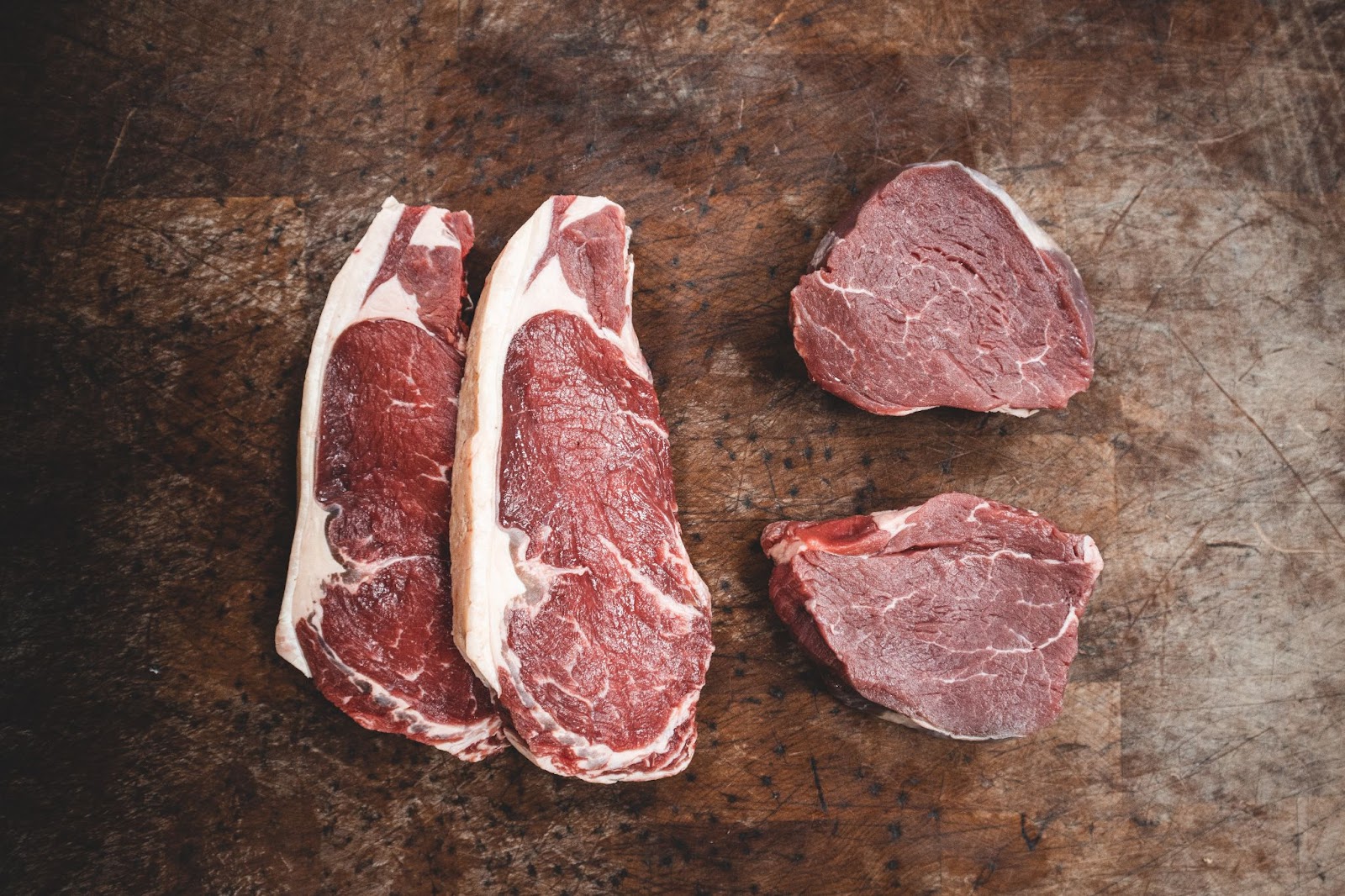
5 Tips On How To Cut Meat Costs During Dry Aging

Photo by Kyle Mackie on Unsplash

Dry aging is a process that helps to tenderize the meat and increase its flavor. Years ago, dry-aging beef required costly equipment and time. However, recent years have seen a proliferation of new technology, such as the dry aging fridge, which has led to cutting back on cost, making high-quality aged beef easy to find. If you’re looking to cut costs during dry aging, here are some tips for you.

Shop in bulk

One of the easiest ways to cut meat costs is to buy in bulk. This can be done with various products—you could pick up a large amount of meat or purchase other dry goods in large quantities. For example, buying spices in bulk is a great way to save money on your grocery bill. Another option is to purchase whole grains and make sure that you store them properly so that they last longer than if you bought small amounts.

Check out warehouse clubs.

Checking out warehouse clubs is the best way to cut meat costs when dry aging. Warehouse clubs are membership-based retail stores that sell products in bulk. They offer huge discounts on dry-aged meats and other products you can’t find anywhere else.

Go for the house brands.

While shopping, look for the house brand—it’s often cheaper and just as good as name brands. While it might not be as readily available at your favorite grocery store, most places with a butcher shop will have one.

House brands are also more consistent in quality than their name-brand counterparts due to their smaller batches (and thus less waste).

Buy the end cut of roasts and chops.

End cuts are a great way to save money on roasts and chops. They’re less expensive because they’re smaller yet still flavorful. The end of a roast is called the “eye of round” (also known as rump roast), and it has more fat than the center cut, making it juicier and more flavorful. An end chop will often have some connective tissue that must be removed before cooking, but this shouldn’t deter you from buying them because they still have plenty of fat!

Opt for bone-in instead of bone-out

The reason you should opt for bone-in instead of bone-out when looking to cut costs for dry aging meats is that the meat that’s left on the bone is so much more flavorful than the meat that has been removed from it.

The process of dry aging involves taking raw meats, putting them in a container, and allowing them to age for weeks or months at a time. This process causes the meat to lose moisture, which means that any meat that remains on the bone will be drier than its counterpart with no bone. The result is a more concentrated flavor from this “marbled” section of meat and ultimately, a better eating experience for you.

Conclusion

One of the best ways to save money on meat is buying it in bulk. However, you can save even more money by joining a warehouse club that offers deep discounts on bulk orders of meat and other grocery items. So you can enjoy your dry-aging meats.

Contributed Post.

If you like what you’ve read here, please let others know of this post, blog, and site.

And thanks for reading!  🙂

Unknown's avatar

Sustainable Habits That Will Help You Live A Healthier Life

Via Pexels

Are you struggling to make healthy changes that last? Are you frustrated with all the diets and exercise programs out there, only to find that you can’t keep them up for long? It’s time to try something new. This guide will give you simple, sustainable habits that will help you live a healthier life for a lifetime. So let’s get started!

1. Eat More Plants

A diet rich in fruits and vegetables has been linked with a lower risk of heart disease, stroke, cancer, and other chronic diseases. Fruits and vegetables are also good sources of fiber, which can help to reduce cholesterol and keep you feeling full. Aim to eat at least five servings of fruits and vegetables per day.

2. Get Active

Regular physical activity has improved mental health, increased lifespan, and reduced the risk of chronic diseases such as heart disease, stroke, and diabetes. Aim for at least 30 minutes of moderate-intensity physical activity on most days of the week.

3. Reduce Stress 

Chronic stress can take a toll on your health, so it’s essential to find ways to manage it. Tai chi is a great way to reduce stress and improve overall well-being. Tai chi is an ancient Chinese practice that involves slow, deliberate movements and deep breathing. It can lower blood pressure, enhance mental clarity, and boost immunity. And it’s something you can do for a lifetime! You can get more information about this practice at taichiforhealthinstitute.org.

4. Get Enough Sleep

Sleep is essential for overall health and well-being. Lack of sleep has been linked to various chronic health problems, including obesity, heart disease, diabetes, and depression. It helps to restore energy levels, repair tissue damage, and reduce stress levels. Most adults need 7-8 hours of sleep per night.

5. Limit Alcohol Consumption

Drinking alcohol in moderation has been linked with a lower risk of heart disease and some types of cancer. However, drinking too much alcohol can lead to liver damage, high blood pressure, and other health problems. If you drink alcohol, aim for no more than two drinks per day for men and one drink per day for women. Ideally you should not consume alcohol every day of the week.

6. Limit Processed Foods

Processed foods are foods that have been altered from their natural state. They often contain unhealthy ingredients such as added sugar, salt, and fat. Processed foods have been linked to an increased risk of obesity, type 2 diabetes, and heart disease. To make healthier choices, look for foods that are minimally processed or not processed at all.

7. Fill Your Medicine Prescriptions Online:

With advances in technology, many pharmacies now allow you to fill your prescription online. This can help save time and energy when needing to get the medication you need, especially menopause medication. Online pharmacies often have competitive prices and discounts that can help you save even more money. Additionally, many online pharmacies offer free shipping for all orders, which is a great bonus for those who may not be able to easily make it to the pharmacy in person. This way, you’ll always have your medication on hand when needed.

In Conclusion

Adopting even just a few of these sustainable habits will put you on the path to living a healthier life for a lifetime. And, as a bonus, by taking care of yourself, you’ll also be setting an excellent example for those around you – which could have an even more significant impact than you realize. So what are you waiting for? Give some of these healthy habits a try today!

Contributed Post.

If you like what you’ve read here, please let others know of this post, blog, and site.

And thanks for reading!  🙂
Unknown's avatar

Considerations For New Urban Farmers

One of the big trends of the last few years is using urban spaces for farming. If that is something that you are interested in, and are considering launching an urban farm, then here are some of the considerations you’ll need to make to make it a success. 

Urban farming has some unique challenges, but ultimately can be one of the most beneficial developments in the area and have a generational reach. 

Photo by Gigi on Unsplash

Here are a couple of things you’ll need to consider: 

Research and visit 

One of the biggest things you’ll need to do is research. You and your team will need to find other urban farm projects and go and visit them. Make a list of the questions you want to ask about the process because that is the best source of information you can get. 

They’ll warn you of the challenges and offer the expertise you need to keep on track. 

Land & buildings

There are probably several different land options around, which means you’ll need to compare prices and size and, if possible, test the soil of each before you make a decision. Urban soils can have high levels of lead and other contaminants. The tests will be your best friend. 

You’ll also need to consider unique built-to-spec spaces to work. Agriculture metal fabrication is built to give you the best value for your money. 

Production

As you get established, you should keep an eye on your production. You’ll need to have a solid understanding of the soil, pest management, pollination, using intercropping, and how to grow all year as a start. 

It isn’t uncommon for urban farms starting out to have a few crops with poor yield or to struggle with having more than a few edible items after the first year. 

Vertical 

Many people growing crops start by looking at the flat land and picturing that as all they have. But over time, vertical farming can be one of the biggest contributors  – in fact, just by adding smart shelving, you can increase your crops by hundreds of percentages. 

So always consider how you can build upwards in the space. 

Mushrooms

The yield of mushrooms can be huge. They are happy to grow in almost any soil and can even grow in coffee grounds in a plastic bag. You’ll need to keep an eye on temperature and humidity and when growing some types, keep an eye on the right time to cut and eat or sell them. 

Microgreens

Microgreens have been all the rage for a few years and are a great addition to any garden. They are harvested in as little as 7 days, rather than the 90 days of some other crops (a great partner for the vertical spaces). 

Radishes, pea shoots, and sunflowers are perfect microgreens and are loved by chefs – so you can directly contribute to the local food scene much quicker. 

And, of course, the biggest benefit of urban farming is that you can keep everything organic: Three Clucking Good Reasons To Go Organic On Your Farm

Contributed Post.

If you like what you’ve read here, please let others know of this post, blog, and site.

And thanks for reading!  🙂

Unknown's avatar

Foods That Can Whiten And Clean The Teeth

Foods That Can Whiten And Clean The Teeth

It sounds odd when you think about it, but certain foods can whiten and even clean your teeth. Ordinarily, food particles get stuck between your teeth and affect your dental and oral health when not cleaned properly. While this is true, some foods and even drinks whiten your teeth when you consume them. It’s, however, important to keep in mind that you still need to brush and use your string floss daily, even after eating these foods. That said, here are some foods that can whiten your teeth. 

  1. Strawberries 

Image Credit

If you have stained teeth, you may consider snacking regularly on strawberries. Strawberries can work wonders for your teeth, despite their color – only be careful they don’t end up staining your clothes. Various studies have shown that strawberries contain an enzyme known as malic acid. This acid is said to have bleaching properties that can help lighten stained teeth. This acid also plays a strong role in saliva protection, making it essential for people who usually experience dry mouth. Saliva production is crucial, as it protects the teeth from decay by ‘washing’ away food particles and debris. Studies have shown that tooth decay is one of the most common causes of discoloration. 

  1. Apples, celery, and carrots

Veggies and crunchy fruits not only improve your health, but they can also boost your smile. Crunchy fruits, especially, can scrub your teeth and get rid of bacteria and plaque in the process. Combining these fruits with vegetables can stimulate saliva production while serving as good sources of minerals and vitamins that strengthen the teeth. 

Aside from apples, eating other fruits like pineapples and oranges can cause the mouth to increase its saliva production, which helps to clean and wash the teeth naturally. 

  1. Leafy green veggies

If you’re looking for another reason to add more leafy greens to your diet, you’ve found one. Foods such as kale, romaine lettuce, and spinach have been shown to contain folic acid (also known as vitamin B9), so keep this in mind. Plaque buildup on your teeth can cause them to look yellow, and leafy greens can make your teeth more resistant to plaque and bacteria while helping to reduce inflammation in the gums. 

  1. Milk, cheese, and yogurt

Image Credit

Milk contains lactic acid, which may help lighten your enamel. Some experts have also suggested that lactic acid can stimulate the production of saliva, which can also prevent bacteria and prevent cavities by washing away bacteria. Milk also contains a type of protein known as casein. This helps to support the production of calcium phosphates needed to repair cavities and prevent plaque from accumulating on the teeth.

Research has also shown that adding milk to your tea can prevent enamel staining, as the casein binds to polyphenols contained in tea. And this prevents tannins from sticking to your teeth and staining them. Aside from milk, other dairy products like yogurt and cheese also contain casein and lactic acid and are capable of producing similar results when consumed. 

Contributed Post.

If you like what you’ve read here, please let others know of this post, blog, and site.

And thanks for reading!  🙂

Unknown's avatar

Top 3 Food Mistakes The Every Traveler Makes

Top 3 Food Mistakes The Every Traveler Makes

While traveling is highly beneficial for the mind and soul, it can be demanding on the body, depending on your destination and activities planned. Believe it or not, your eating habits during a trip can also affect your body. For example, poor food choices can leave you feeling sluggish, bloated, and unable to enjoy your trip to the fullest. And because food is an important part of any travel experience, many people make common mistakes in their eating habits and food choices. So if you’re planning your next vacation or travel adventure, try to avoid these three food blunders when you arrive.

  1. Skipping meals

Image credit 

Meal skipping is a common mistake many travelers make. And it could happen for various reasons. Sometimes you’re caught up in so many travel activities you forget to eat. Or sometimes, food just isn’t the first thing on your mind when you’re stressed out during a trip. In some cases, you may even find it difficult to find the food you want, which will cause you to delay your meal times. But regardless of the reason, skipping meals is an absolute no-no. That’s because it can easily cause a drop in your blood sugar levels, leaving your body unhealthy and lacking energy. 

To avoid this common mistake, always leave prepared. First, you can take the time to search online for the best restaurants in your city before you set off. This way, you wouldn’t waste time finding a good place to eat. Second, you can also stop by a convenience or grocery store to purchase healthy snacks to take along with you if you have an activity-packed day. 

  1. Over-caffeinating 

Many people increase their caffeine consumption when traveling, whether to stay awake or help them adjust to jetlag. Unfortunately, consuming too much caffeine during a trip can also cause your stress hormones to increase, which can affect your body’s ability to rest properly. And the less rest your body gets, the more damage you do to your immune system. As if that’s not bad enough, you can also experience a caffeine crash when the caffeine wears off from your body, leaving you tired and unable to see through your planned activities. 

Instead of taking too much caffeine, try eating energy-boosting meals before traveling and throughout your trip. And should you need some beverages, it’s best to opt for less caffeinated ones. 

  1. Overindulging everyday

Image credit 

Perhaps you found yourself on a cruise ship with an all-access buffet, or maybe you’re doing a food trip or tour with so many delicious local foods to try. But being spoilt for food choice does not mean you should overindulge in an attempt to try as many dishes as you want. It’s also possible to snack away mindlessly and consume more than you should without realizing it. 

The best way to avoid overindulging is to stick to healthy food portions. You can also practice the 80/20 diet rule, especially if you love your food. According to this rule, you should eat nutritiously 80% of the time and use the remaining 20% to indulge occasionally. You should find this rule helpful in areas where you’re spoilt for food choices. 

Contributed Post.

If you like what you’ve read here, please let others know of this post, blog, and site.

And thanks for reading!  🙂