Unknown's avatar

Workplace Wellness: Basic Break Room Necessities

Having a break every once in a while is crucial to staying productive at work. However, making the most out of your break time requires more than just taking your mind off work for a couple of minutes.

Studies have shown that how you spend your break can affect your productivity and motivation for the rest of the day, which is why a well-equipped and inviting break room is essential for any workplace.

Do you want to encourage your employees to take full advantage of their break time? Here are some essential elements that your break room should have to promote wellness among your employees:

Comfortable Seating

A break room is not a break room without comfortable chairs or couches. Employees should be able to relax and even take a quick nap if they need to. A place to sit and unwind will help them recharge and get back to work feeling refreshed.

So, investing in good-quality chairs and couches is necessary for any break room. You can even add bean bags or floor cushions for employees who prefer to lounge on the floor.

However, be careful not to overcrowd the break room with too much furniture. Leave enough space for employees to move around freely and enjoy their break without feeling cramped.

Healthy Snacks

No matter how good your office’s food is, there will always be days when employees want something different. Instead of buying lunch, they can save time and money by snacking on something in the break room.

Of course, you want to make sure that the snacks available are healthy and satisfying. Some good options include fruits, nuts, yogurt, and granola bars. You can also offer healthy drinks like fruit juice and herbal tea.

If a pantry might not be an option for your budget, consider having a snack machine. These are becoming increasingly popular in offices, and they’re a great way to offer a variety of healthy snacks without breaking the bank.

Utensils and Appliances

If your break room has a kitchen, ensure it’s well-stocked with all the utensils and appliances employees might need. It includes everything from plates and cups to a toaster oven and a microwave.

If possible, try to get energy-efficient appliances. It will help you save on your electricity bill while also being more environmentally friendly. You can also encourage employees to bring their reusable plates and cups from home to reduce your environmental impact further.

This way, they can feel at home while at work and make the most of their break time.

Table Games and Activities

Adding some table games and activities to your break room will encourage employees to socialize and take a break from work-related thoughts. It’s a great way to promote teamwork and build relationships between employees.

Some good options for games include darts, ping pong, pool, and foosball. You can also add a few board games like chess or checkers. If you have the budget, you can even get a video game console for employees to enjoy during their break.

You can set up a TV area with comfy chairs and a few magazines or books for activities. Employees can watch their favorite shows or read a book to relax during their break.

Retreat and Relaxation Corner

Sitting for hours and staring at a computer screen can be tiring and stressful. That’s why it’s crucial to create a space where employees can retreat and relax.

Consider adding a corner with some aromatic candles and massage devices. You can also add a peppermint essential oil that helps release muscle tension and improve concentration. A few cushions and blankets to the area for employees to use will also be a great idea. They can curl up with a book or take a nap on their break.

Coffee and Tea Nook

No break room is complete without a coffee and tea nook. After all, these beverages are essential to help employees stay energized and focused throughout the day.

Make sure to offer a variety of coffee and tea flavors so that everyone can find something they like. You can also add some milk and sugar options to customize each beverage.

An electric kettle and a coffee maker are essential for any coffee corner. You can also get a fancy espresso machine if you have the budget. With these items, employees can enjoy a delicious cup of coffee on their break and return to their desks feeling refreshed.

Creating an ideal break room doesn’t have to be complicated or expensive. Simple elements such as comfortable seating, healthy snacks, utensils and appliances, table games, a retreat area, and a beverage nook can promote workplace wellness. You can make your break room a space where employees will love spending time with these basics.

Contributed Post.

If you like what you’ve read here, please let others know of this post, blog, and site.

And thanks for reading!  🙂

Unknown's avatar

5 Tips That’ll Make Your First Time RVing A Breeze

Have you ever wondered what it would be like to spend your life traveling the country with your family in tow? Well, now’s your chance to find out! RVing with your family is a great experience that lets everyone get out, explore the great outdoors, and have fun together. It’s also a challenge when you first set out on your own. However, it doesn’t have to be a scary or nerve-wracking experience with the proper preparation. Instead, it can be one of the most memorable phases of your life. This blog post will learn about the top RVing tips that will make your first-time RVing a breeze. Read on to learn more about this exciting lifestyle.

Image credit

The Newer The Better

One of the biggest mistakes people make when they start RVing is buying an older RV. While you might get a great deal on an older model, it’s more likely that it will need a lot of work to keep up with modern standards. RV maintenance can be expensive and time-consuming, and the age of your vehicle compounds these costs. If you want to buy an RV, try to purchase one manufactured within the last ten years. This way, you’ll avoid costly repairs and find yourself with a newer style of RV that offers the latest features. In short, newer is better when it comes to new RVs.

Know The Different Types of RVs

RVs come in different shapes and sizes and have different capabilities. Understand your needs before jumping right into buying an RV and know the different types on the market;

  • Travel Trailer
  • Motorhome
  • Fifth Wheel
  • Class A Motorhome
  • Class C Motorhome
  • Pop-Up Camper

Understand How It Works Before Driving Off

Ask all the questions before bringing your RV home. Anything you think you might need to know includes plumbing, electricity, weight limits, fuel, repairs, and more. Ask your dealer for recommendations for specialist repair centers, including RV auto glass repair. This will help you to avoid further issues if you have any problems. Keep any contact details or insurance documents handy when on the road, too, to have what you need to hand.

Practice Driving and Turning Before Setting Off

One of the most essential tips for RVing is practicing driving and turning before you set off. This will get you used to maneuvering your vehicle and get you acquainted with the length of your car. You’ll also be less likely to encounter any surprises when you get on the road. Once you start driving, it’s easy to forget that your RV is longer than your last car, making it difficult for other drivers around you.

Know The RV Dimensions and Unit Capabilities

Before you begin your RV adventure, the first thing you want to do is know your RV’s dimensions and unit capabilities. You’ll know if your RVs can handle specific tasks like driving through a tight spot or backing into a camping spot. Ask yourself these questions: – What are the dimensions of my RV? – What are the weight limits of my RV? – What are my towing capabilities? – How much storage space does my RV have? 

You must know the answers to these questions before setting out on your trip. This way, you won’t make any mistakes due to a lack of preparation.

Contributed Post.

If you like what you’ve read here, please let others know of this post, blog, and site.

And thanks for reading!  🙂

Unknown's avatar

Overcoming Life-Planning Procrastination, Step By Step

Pexels – CC0 License

Procrastination is a difficult subject to tackle, because many of us procrastinate in various ways. If you’ve spent time looking at your smartphone in bed browsing through the news rather than going to sleep, reading, or getting up and starting your day, it’s true to say that you might be procrastinating.

Another form of procrastination is known as “revenge procrastination,” where the fact that you have few hours of free time due to work or managing a family encourages you to stay up later into the night, so you can have some time to yourself. 

One of the most insidious forms of procrastination, however, involves life-planning procrastination. These often influence the little things, such as putting off taking that parcel to the local post office, or avoiding taking your medication when you know you should. Funnily enough, we tend to treat out pets better than ourselves in some circumstances, as we wouldn’t think about ignoring a full course of antibiotic treatment for them should they need it, but many people fail to complete their own.

How can you overcome this life-planning procrastination? Let’s explore that below:

Make A Schedule

It’s good to make a schedule to the degree that you can. This is especially worthwhile for routine tasks or appointments you need to keep. For instance, perhaps every morning on Monday, Wednesday and Friday, you’ll go to the gym and perform your cardio. When you know it’s at the same time each of those days, you can attend with confidence. You’ll do so knowing what to expect, what to do, and how to do it. This can help lessen the mental energy needed to plan for such an outcome, allowing you to do it as a matter of course in the best manner possible.

Use Calendar Tools

Using calendar tools as much as you can be a worthwhile means of knowing what appointments you have when. Google Calendar, Apple’s Calendar, or perhaps a physical journal with dates in it can allow you to keep on top of your essential tasks, keeping you comfortable and never having to remember, or pre-emptively cancel, everything at once. Now you never need forget or procrastinate your essential dental care appointments. You can also set alerts to remind you a few days in advance so you can plan your time around that appropriately. When it’s booked in, you’re less likely to change it.

The Power of Momentum

Once we start ticking things from our list, we tend to be more capable at achieving further tasks. When this momentum is established, it’s a good idea to keep it going and to make sure that you don’t lose it. Try to get into the habit of dealing with tasks as soon as you can, such as taking a morning walk to get exercise, or making a ten minute habit of meditation after lunch. If you’re enrolled in a course, try to complete your study work as soon as you’ve returned home and are able to rest. This can help you tremendously in the long run, as little efforts accrue for the better.

With this advice, you’re certain to overcome life-planning procrastination, even if step-by-step.

Contributed Post.

If you like what you’ve read here, please let others know of this post, blog, and site.

And thanks for reading!  🙂

Unknown's avatar

Setting Up Good Dental Hygiene Habits In Our Children

Pexels – CC0 License

While children cannot help the natural development of their teeth (such as how straight their teeth come in, and any additional aid they need, such as corrective braces and retainers), there are some worthwhile habits we can instil in them in order to help them limit the possibilities of problems down the line. Of course, we all know that brushing our teeth daily is an essential element of self-care, so fundamental that most of us do it without even thinking.

That said, for a child, this is totally new, and without reminders they’ll probably forget to do it. Furthermore, proper brushing technique such as brushing in mini-circles, covering all teeth, and more can be helpful too. As they transition from a pea-shaped piece of children’s toothpaste to adult formulas, it can be healthy to continue to install worthwhile habits so that they know what to do should they need to.

In some cases, a cosmetic dentist can also be spoken with in order to discuss the proper development of their needs as they move into their late teenager/adult years. But how can these habits have an effect, and what are they to begin with? Let’s consider that, below:

Avoiding Sodas & Candies As Much As Possible

It’s important to show kids and teenagers that often, sodas and candies are not great for their teeth, leading to cavities and sometimes a yellowing of their enamel. This may not sway them away from that of course, but when they start to make their own decisions they’re much less likely to partake in constant indulging should they know the proper risks. This also goes for smoking, as dental issues and yellowing teeth are just another reason why keeping up with this habit, especially as a teenager, is a bad idea.

Teaching Them To Floss & Use Mouthwash

Aside from just brushing, teaching your children to floss and use mouthwash responsibly (when they’re old enough to do so), can help them reinforce the protection that their dental environment receives each day. The latter especially, because good mouthwash uses can help protect the enamel and help clean in areas where the prior two activities may have failed to reach. Of course, it’s important to make sure they’re responsible enough to use this without swallowing it, which means reaching a realistic age first.

Making A Friend Of The Dentist

It’s important to make a friend of the dentist to the degree that you can. Children can find these environments intimidating, but if you present this to them as a fun outing and meeting someone who your family likes to see, then they’ll feel less worried, as they’ll know any work they have done will benefit them and is intended to help. This means that in the future, they’ll be less likely to put off these visits, and will be more likely to visit should they encounter a condition or dental pain that needs looking at.
With this advice, you’re certain to set up good dental hygiene habits in your children going forward. This should give them something to smile about.

Contributed Post.

If you like what you’ve read here, please let others know of this post, blog, and site.

And thanks for reading!  🙂

Unknown's avatar

Boosting Employee Morale: Engaging Office Events

Are you looking for ways to improve employee morale? Perhaps you’re planning a corporate team-building event, or you want to add some excitement to the workweek. Whatever the reason, office events are a great way to get employees engaged and excited about their work.

There are various ways to approach office events, so it’s essential to find an activity that will fit well with your company culture. If you’re not sure where to start, here are a few ideas:

Volunteer Together

Giving back is a great way to build team morale and show employees that their work makes a difference. It can also be a fun and rewarding experience for everyone involved.

There are many ways to volunteer as a group, such as building homes for the homeless, working at a local food bank, or organizing a company-wide clothing drive. Whichever activity you choose, make sure it’s something that everyone can get behind.

Besides, community service also helps employees feel good about their company and themselves. And when employees feel good about their work, they’re more likely to be productive and engaged.

Plan a Company Outing

Sometimes, the best way to get to know your coworkers is by spending time with them outside of the office. Planning a company outing can be a great way to sharpen teamwork and relationships.

Of course, the type of outing you choose will depend on your budget and company culture. Do you want your employees to experience luxury? In that case, a private escape in the water can be a great idea. You can book a yacht for the day and enjoy the sun and sea. On the other hand, you can avail a charter boat for some calm water fishing. Taking advantage of these is a great way to have fun in nature and show your employees you care about their well-being.

But there are plenty of budget-friendly options you can choose from, including a picnic, a beach trip, or even a day of go-karting. No matter what you do, the important thing is that everyone has a good time.

However, it’s also essential to ensure that the outing is optional. After all, not everyone will want to participate, and that’s perfectly fine.

Host an Office Olympics

You don’t have to be a professional athlete to enjoy a little friendly competition. Hosting an office Olympics can be a great way to get employees engaged and motivated.

There are many ways to approach an office Olympics, but it is vital to keep it lighthearted and fun. You can have various events, such as a paper airplane throwing contest, a hula hoop contest, or even a ping-pong tournament.

But be careful not to make the events too competitive. The goal is to have fun and build team morale, not create division among employees. The key is to ensure that everyone can participate and that the competition is fair. You may also want to consider giving out prizes to the winners. This way, everyone will have something to strive for.

Have a Potluck

Food is always a great way to bring people together. And what better way to show off your employees’ culinary skills than by having a potluck?

A potluck is a perfect way to try new foods and get to know your coworkers’ different cultures. Plus, it’s a great way to diversify your office’s lunch options.

When planning a potluck, be sure to give employees plenty of notice so they can prepare. You may also want to assign dishes to avoid duplication. And, of course, provide some guidelines, such as asking employees to bring enough food for the team. You may also want to create a sign-up sheet to know what to expect.

Learn New Things Together

In today’s fast-paced world, it’s essential to keep your employees’ skills up to date. But learning new things doesn’t have to be boring. It can be a good idea to have employees learn together. They can bond over their shared experience and help each other out. And it’s a great way to promote lifelong learning in the workplace.

Some ideas for things your team can learn together include a new language, a software program, or even basic first-aid. The possibilities are endless, and it’s a chance to foster a love of learning in your employees.

Nonetheless, the important thing is to find something that will benefit the company and that everyone can agree on. Learning new things can be a fun and rewarding experience when everyone is on the same page.

There are many ideas for office events and team-building activities to boost employee morale. Volunteer work, company outings, office Olympics, potlucks, and learning new things are just a few options that you can consider.

With a bit of creativity, you can develop even more engaging activities that everyone will enjoy. And when employees are happy and engaged, they’re more productive, which is good for business. So, don’t be afraid to try something new. And most importantly, have fun!

Contributed Post.

If you like what you’ve read here, please let others know of this post, blog, and site.

And thanks for reading!  🙂

Unknown's avatar

20 Ways to Make Buildings Worldwide Environmentally Friendly

The benefits of making buildings environmentally friendly worldwide are numerous. First, it can help mitigate the effects of climate change. Buildings are significant contributors to greenhouse gas emissions, so making them more energy-efficient can help reduce emissions and improve air quality.

Additionally, making buildings more environmentally friendly can save money and create jobs. Making buildings more energy-efficient cuts down on the amount of energy they use, which reduces costs. In addition, creating green jobs in the building industry helps boost the economy and create sustainable livelihoods.

Ultimately, it is crucial to make buildings worldwide more environmentally friendly because it is good for the planet and makes good economic sense. Here are some ways to make buildings more environmentally friendly.

Global Efforts to Make Buildings Sustainable

1. Requiring energy performance rating and certification.

An energy performance certificate (EPC) is a document that rates the energy efficiency of buildings. In the European Union, all new buildings must have an EPC. That helps ensure that buildings are designed and built with energy efficiency in mind.

2. Promoting green building materials.

There is a growing market for green building materials, such as bamboo, wool insulation, and low-VOC paint. Using these materials in buildings can reduce their environmental impact and create a healthier indoor environment.

3. Geothermal heating and cooling.

Geothermal systems use the earth’s heat to provide heating and cooling for buildings. This type of system is very efficient and can help to reduce a building’s energy consumption.

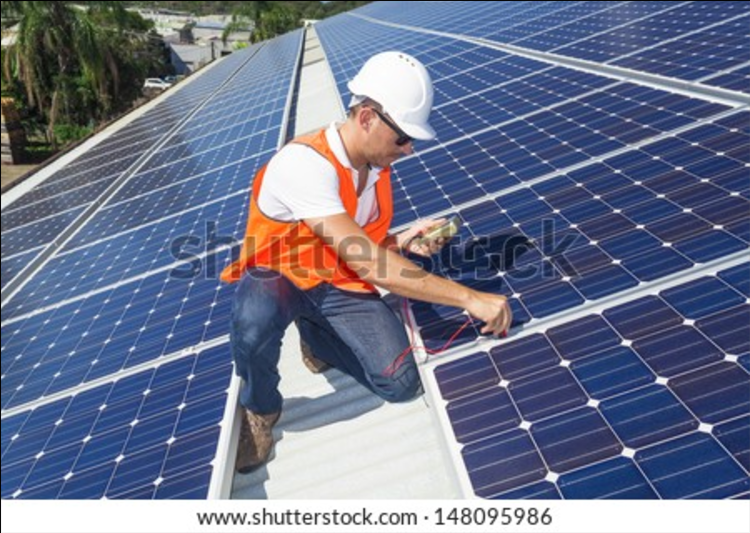
4. Incorporating solar panels.

Solar energy is a renewable resource that building owners can use to power buildings. Solar panels can be installed on the roof of a building to capture solar energy, which can then be used to power buildings, heat or cool the interior space, and heat water. Solar panel installation has increased in recent years as the technology has become more affordable.

5. Using wind energy.

Building owners can install wind turbines on the roofs, including metal roofing, of buildings to generate electricity. Wind energy is a renewable resource that can help to reduce a building’s carbon footprint.

6. Implementing green roofs.

A green roof is a roof that is partially or completely covered with vegetation. Green roofs help insulate buildings, reduce storm water runoff, and improve air quality.

7. Installing double-glazed windows.

Double-glazed windows are more energy-efficient than single-glazed windows. They help keep heat in during the winter and cool air during the summer.

8. Using low-flow plumbing fixtures.

Low-flow plumbing fixtures use less water than traditional fixtures, which can help to save water and reduce water bills.

9. Creating rainwater harvesting systems.

Rainwater harvesting systems collect and store rainwater for irrigation or other purposes. These systems can help to reduce water usage and save money on water bills.

10. Recycling greywater.

Greywater is water that has been used for showering, laundry, or dish washing. It can be recycled and used for watering plants or flushing toilets.

11. Enhancing natural lighting.

Building owners can use natural lighting to reduce the need for artificial lighting. That can be done by adding skylights or solar tubes or by painting walls and ceilings white.

12. Upgrading to LED lighting.

LED lighting is more energy-efficient than traditional lighting, and it also has a longer lifespan. By upgrading to LED lighting, buildings can reduce their energy consumption and save money.

13. Implementing an occupancy sensor system.

An occupancy sensor system is an energy-saving technology used to automatically turn off lights when a room is unoccupied. That can help to save energy and money on electricity bills.

14. Ventilating properly.

Proper ventilation is essential for good indoor air quality. Ensuring that buildings are well-ventilated can reduce the risk of health problems associated with poor air quality.

15. Using green cleaning products.

Green cleaning products are made with environmentally-friendly ingredients and are less harmful to the environment than traditional cleaning products. By using green cleaning products, buildings can reduce their environmental impact.

16. Educating occupants about sustainability.

It is vital to educate occupants about sustainability, so they can make informed decisions about how to save energy and water. Building managers can provide information about energy-saving tips, water conservation, and recycling programs.

17. Installing a green wall.

A green wall is a vertical garden that helps to improve air quality and create a more pleasant indoor environment. Green walls can also help to insulate buildings and reduce noise pollution.

18. Using food waste compost.

Food waste can be composted and used as fertilizer in buildings’ landscapes. That helps to reduce the amount of waste that goes to landfills, and it can also help improve soil quality.

19. Planting trees and shrubs around buildings.

Trees and shrubs can help to improve air quality, stabilize soil, and provide shade. They can also help to beautify the environment and create a more pleasant outdoor space.

20. Using green transportation options.

There are many ways to make transportation more sustainable, such as using public transit, carpooling, biking, or walking. Buildings must be located within walking distance of public transportation systems and must have the infrastructure to support bikers.

Clean Buildings Worldwide

Sustainability is becoming an increasingly important issue, and buildings must become more environmentally friendly. There are many ways to make a building more sustainable, such as installing energy-saving technologies, using green products, and planting greenery. By implementing these measures, owners can reduce the environmental impact of buildings.

Contributed Post.

If you like what you’ve read here, please let others know of this post, blog, and site.

And thanks for reading!  🙂

Unknown's avatar

15 Tips on Ensuring Construction Site Safety

Construction sites safety is essential for the protection of workers. Construction sites can be dangerous places, with various potential hazards, including falling objects, electric shocks, trips, falls, and chemical exposure. Here are some tips to follow to help prevent accidents and injuries on construction sites.

How to Make the Construction Site Safe

1. Construction Worker Certification

In the United Kingdom, most construction companies only hire workers with the Construction Skills Certification Scheme (CSCS) blue card. There are various construction certifications covering a wide range of specializations in the construction industry in the US. That ensures that all workers on the site have the necessary skills and safety training.

2. Safe Work Practices

Working safely on a construction site starts with following safe work practices. These include using the correct personal protective equipment (PPE) for the task, being aware of potential hazards, and working within your training and experience limits.

3. Risk Assessment

Before work begins on a construction site, you should conduct a risk assessment to identify potential hazards. Once you have recognized these hazards, you must take steps to mitigate them. Some common risks on construction sites include falls from height, being struck by falling objects, slips, trips, and electrical shocks.

4. Personal Protective Equipment

Personal protective equipment (PPE) is essential for construction workers. PPE includes hard hats, safety glasses, earplugs, and respirators. Wearing the correct PPE can protect workers from various potential injuries, including head injuries, eye injuries, and hearing loss.

5. First Aid

All construction sites should have a first-aid kit readily available. In an accident or injury, first-aid trained personnel should be on hand to assist.

6. Emergency Procedures

All construction sites should have emergency procedures in place in case of accidents or injuries. These procedures should be clearly posted on the site, and all workers should be familiar with them. In the event of an emergency, evacuation procedures should be followed to ensure the safety of all workers on the site.

7. Housekeeping

Good housekeeping is essential for construction site safety. All work areas should be kept clean and free of debris. Floors should be clean and dry to prevent slips, trips, and falls. Walkways should be clear and unobstructed to ensure that workers can move around the site safely.

There is also the issue of waste disposal. One solution that is ideal for large construction projects is to rent the appropriate-sized dumpsters. This will make waste disposal easier and more efficient, and help to keep the site safe.

8. Electrical Safety

Electrical hazards are common on construction sites. To avoid electrical shocks, it is essential to follow all safety procedures when working with electrical equipment. Only qualified personnel should work with electrical wiring and outlets.

9. Machine Safety

Construction sites often have a variety of machines in use, such as cranes, industrial mixers, forklifts, and excavation equipment. One area of concern is the use of machines where flammable materials are near electrical or heat sources as with the use of electric industrial mixers, which pose the danger of an explosion. The use of explosion-proof mixers is a good step towards enhancing safety. It is essential to follow all safety procedures when operating these machines. Only qualified personnel should operate heavy machinery.

10. Fall Prevention

Falls are one of the most common accidents on construction sites. It is important to use fall-prevention equipment, such as guardrails and safety nets, to prevent falls. Workers should be equipped with harnesses and other fall-protection gear when working at heights.

11. Excavation Safety

Excavations can be dangerous places, with various potential hazards, including cave-ins, falling objects, and electrical shocks. It is essential to follow all safety procedures to ensure the safety of workers on an excavation site. Properly shore up excavations to prevent cave-ins. Workers should be aware of potential hazards and take precautions to avoid them. Where possible, it would be advisable to work with professional contractors that specialize in excavation or earthmoving contractors to ensure that all the relevant safety measures are followed. As an added bonus, relying on experienced professionals will likely mean the job is done faster and to a better standard.

12. Working in Confined Spaces

Working in confined spaces can be dangerous due to the risk of asphyxiation and entrapment. To ensure the safety of workers, it is essential to follow all safety procedures when working in confined spaces. You should train workers in proper entry and exit procedures in confined spaces. Thoroughly ventilate all confined spaces before access.

13. Ladder Safety

Ladders are a standard piece of equipment on construction sites. They are also one of the leading causes of injuries on construction sites. It is essential to follow all safety procedures when using ladders to prevent injuries. Ladders should be inspected before use and only used for their intended purpose. Workers should be familiar with proper ladder-climbing techniques.

14. Chemical Safety

Construction sites often use a variety of chemicals, such as solvents, cleaners, and adhesives. These chemicals can pose a hazard to workers if they are not used properly. To ensure the safety of workers, it is essential to follow all safety procedures when working with chemicals. Chemicals should be stored in labeled containers and kept out of reach of children. Workers should be familiar with the Material Safety Data Sheet (MSDS) for each chemical they use.

15. Hazard Communication

Hazard communication is an integral part of construction site safety. All workers should be familiar with the potential hazards on the site and how to avoid them. Hazardous materials should be appropriately labeled and stored. You should train workers in proper hazard communication procedures.

Work Safely

Following these 15 tips will help ensure construction site safety. Housekeeping, electrical safety, machine safety, fall prevention, excavation safety, working in confined spaces, ladder safety, chemical safety, and hazard communication are essential aspects of construction site safety. By following safety procedures, workers can avoid injuries and accidents and continue earning a living. The project can be finished smoothly and successfully, and they can go on to the next one.

Contributed Post.

If you like what you’ve read here, please let others know of this post, blog, and site.

And thanks for reading!  🙂

Unknown's avatar

Keeping the Workplace Safe: 4 Things to Inspect

The office space can play a significant role in employee productivity and performance. If employers want their employees to be productive, they need to provide them with a workspace with everything they need. The list includes office equipment, supplies, and materials contributing to their work, all within arm’s reach. However, there is another crucial element to ensure that employees remain productive, and it is on the employers to provide them with it.

Employers should always focus on providing their employees with a safe and healthy workplace. It includes making sure the office space is clean and organized, and that employees have everything they need to be productive. Providing a safe and healthy workplace is essential for employee morale, and it can also help reduce the risk of workplace injuries. The first step to ensuring that the office workspace is safe and healthy is to inspect it, especially for these elements.

Electrical Safety

Employers should be aware of the dangers of having electrical appliances and devices in the office. It takes one faulty appliance to cause a fire or severe injury. That’s why it’s crucial to have an electrician do a full electrical inspection of the office’s wiring before employees are allowed to start working. It will help identify potential hazards and ensure that all the wiring is up to code. Employees should never be allowed to work in an office with any electrical hazard. It’s just not worth the risk.

When employees work in an office with electrical hazards, it puts them at risk for injuries. Those injuries can range from mild to severe and even be fatal. The most common type of injury caused by electrical hazards is a burn. Other types of damages include:

  • shocks
  • falls
  • asphyxiation
  • electrocution

Electrical hazards should be away from the office as much as possible, making it the first step towards a safer work environment.

Health and Sanitation

One of the most important aspects of having a safe and healthy workplace is making sure the office space is clean and sanitary. It includes keeping the floors, walls, and ceilings clean and the furniture, equipment, and supplies. It’s also important to regularly disinfect all of the surfaces in the office. Germs can spread quickly in an office setting, so it’s essential to take preventative measures to stop them.

Employers can maintain cleanliness in the office by implementing a cleaning schedule that everyone follows. It should include regularly cleaning the floors, walls, ceilings, furniture, equipment, and supplies. It’s also essential to disinfect all of the surfaces in the office regularly. Employees should be encouraged to clean their workspace daily, and employers should provide them with the necessary supplies.

Another way to maintain cleanliness in the office is to have a designated area for food. It will help prevent crumbs and spills from getting onto surfaces that must be kept clean. It’s also essential to have a designated area for trash so that it doesn’t build up in the office.

Working in a clean and sanitary office is vital for employee morale and productivity. It’s also crucial for employee health. When the office is dirty, it can lead to the spread of germs and illness. That’s why employers need to keep the office space clean and sanitary.

Emergency Evacuation Routine

One of the most important things employers can do is create an emergency evacuation routine for workplace safety. It will help employees know what to do in an emergency. It’s also crucial to have evacuation regulations in place so that everyone knows what to do during an emergency.

Employers should hold regular fire drills to ensure that employees are familiar with the emergency evacuation routine. Employees should also be familiar with the location of the emergency exits and how to use them. It’s also essential to plan what to do if there is a need for evacuation.

Employers should also test their emergency plan regularly to ensure it is effective. You can do this by simulating different types of emergencies. It will help ensure that employees are ready for anything.

Working in an office can be dangerous if the proper safety measures are not in place. That’s why it’s crucial to have a safe and healthy workplace. It’s also essential to have an emergency evacuation plan so that everyone knows what to do in an emergency.

Air Ventilation and Quality

Poor air quality can lead to several health problems for employees. It is especially true for those who work in an office setting. Poor air quality can cause:

  • respiratory problems
  • eye irritation
  • headaches
  • dizziness
  • nausea

These health problems can lead to decreased productivity and morale in the workplace.

Employers should take measures to improve the air quality in the office. You can do this by installing ventilation systems and filters to clean the air. It’s also important to regularly replace the filters in the ventilation system.

Employers should also encourage employees to open windows and doors to allow fresh air into the office. It will help improve the air quality and reduce the risk of health problems.

Working in an office with poor air quality can be dangerous for employee health. That’s why employers should take measures to improve the air quality in the workplace.

Employees are more productive when they feel safe and comfortable in their work environment. That’s why employers must ensure a safe and healthy workplace.

Contributed Post.

If you like what you’ve read here, please let others know of this post, blog, and site.

And thanks for reading!  🙂

Unknown's avatar

Saving Money On Car Ownership: Top Tips To Help

Owning and operating a vehicle is a substantial financial commitment, so it is no surprise that motorists are always seeking for methods to decrease their driving expenses. Fortunately, there are a plethora of options available to you, and when you combine them, they may have a significant influence on your financial situation in the long term. Continue reading to learn about some of the ways you may save money when it comes to purchasing and operating a vehicle.

Pexels

Purchase second-hand

While we all enjoy the idea of driving around in a brand new automobile, it is far from the most cost-effective means of getting about. New automobiles may cost upwards of $10,000, but a nice second-hand car can be had for a few of thousand dollars or even less. Another important consideration is that a brand new automobile will lose up to 20 percent of its value the moment you drive it off the dealership lot – this is an extremely high rate of depreciation. There are plenty of high-quality used automobiles available, whether via a dealership or a private seller; it is simply a matter of taking the time to search around and finding one that fits your budget and requirements.

Make an informed decision.

Many of us hurry into the purchase of a new automobile, whether it is brand new or brand new to us, without taking the time to consider exactly what it is that we require from the vehicle. This might result in us purchasing the incorrect vehicle – one that is either too little or too large. It may be inefficient on gasoline when used for long-distance travel, or it may be infamous for being undependable. In order to make the best possible decision when purchasing a car, it is necessary to take some time before purchasing to consider exactly what you want and need from a vehicle.

Look around for the best deal.

Both the car itself and all of the additional items that come with being a car owner are included in this category. Check out many dealerships to find out what the typical price of the automobile you want is. You may discover one that is significantly less expensive than the others or one that gives more for the money you have to spend. In the same way, while seeking the lowest vehicle insurance, comparison shopping is essential. Do not accept the first quotation that you receive; instead, conduct thorough research and obtain quotes from a range of sources. Even if you do not locate a lower-priced alternative, you may be able to receive a greater value for your money.

Is it expensive to keep them in good condition?

Some automobiles will, by their very nature, be more expensive to maintain than others. It might entail obtaining a part from a foreign country or locating a qualified technician or garage to repair a malfunctioning component. Finding out about things like the cost of transmission replacement in advance will go a long way toward helping you save money in the long run.

Keep it in good working order.

While having your automobile serviced will cost you money, it is one of the most effective methods to extend the life of your vehicle while also saving you money. General maintenance should be performed every six months or every five thousand miles, and should include a change of oil, replacement of air, oil, and fuel filters, replacement of wiper blades, and a visual inspection of lubricants and fluids. Also, it is a wonderful method to find out if any serious problems are emerging so that you can address them before they grow much larger and more expensive.

Contributed Post.

If you like what you’ve read here, please let others know of this post, blog, and site.

And thanks for reading!  🙂

Unknown's avatar

This Road’s Big Enough For Two, But How Can You Drive Safely Around Motorcycles?

Image Source: CC0 License

When it comes to driving, wars between vehicle types and their owner’s feelings of road-based ownership aren’t unusual, especially when it comes to cars and smaller vehicles like motorcycles. Unfortunately, this is one of the main reasons why motorcyclists alone account for as many as 15% of traffic-related deaths each year, especially as car owners simply disregard the rights that bikes have on the road. 

In reality, though, roads are always big enough for everyone, and drivers looking to avoid serious legal repercussions at the hands of a motorcycle accident attorney need to realize that every single time they get behind the wheel. Notably, making room for everyone means understanding how to look out for different road users at all times. That’s why we’re going to consider how car drivers can perform more safely whenever there are motorcycles around. 

# 1 – Always check your blind spots

Overlooked blind spots are responsible for many motorcycle accidents, especially considering that the smaller size of motorcycles makes them way harder to spot during potentially risky moves like changing lanes. With that in mind, any responsible driver should always prioritize the careful checking of blind spots, especially if they’re aware of motorcycles in the vicinity. This way, you can always be sure that you’re clear to move before you go, thus avoiding the potentially catastrophic mistake of knocking off a rider who was going full-tilt and is likely to suffer extreme injuries as a result. 

Image Source: CC0 License

# 2 – Keep your distance

Too often, drivers assume that the smaller nature of motorcycles means they don’t require the same space on the roads. In reality, though, motorcycles that move just as fast on the road as any other type of vehicle typically require the same amount of space to drive safely. This is especially true considering that, not only can motorcycles stop far more suddenly than cars, but they also don’t have the same brake lights as most vehicles. As such, car drivers should generally provide motorcyclists with the full lane while allowing as much as a four-second gap at all times in case of sudden stoppages. 

# 3 – Look out for left turns

Statistics revealing that 42% of motorcycle fatalities occur when a driver turns left also highlight the need to always take care when turning left at an intersection so that you can be sure a motorcycle with the right of way isn’t coming in the opposite direction. This also relates to your blind spots, but drivers especially need to be wary if their view of oncoming traffic is obstructed in any way. Predominantly, safe driving here therefore means always taking your time, and making sure you have a full lay of the road and its users in their entirety before making a rash move that could prove catastrophic. 

Image Source: CC0 License

It can be tricky to let go of the long-standing idea that cars rule the roads, but there really is room here for everyone if drivers simply ensure motorcycle safety using these pointers.

Contributed Post.

If you like what you’ve read here, please let others know of this post, blog, and site.

And thanks for reading!  🙂