Unknown's avatar

Why there are 3 credit bureaus

Why three? It’s a good question, and one that invites a few follow-ups.

One of the most common questions we hear concerns the three credit bureaus (Equifax, Experian, and TransUnion). The question is: “Why three?”It’s a good question, and one that invites a few follow-ups, such as “Do they all have the same information? Will my score be the same across the board? And if not, what does that mean?” It’s understandable that it all seems a bit confusing at first. In actuality, the reason for the number of credit bureaus is simple geography. What is now Experian grew out of the West, TransUnion the Midwest, and Equifax the South and East.

Credit reporting bureaus began as the U.S. was expanding and small groups of merchants began sharing financial information about their customers. This way when a new merchant opened they already knew about how much credit to extend to the people in town. These groups grew and consolidated over the years into credit bureaus. The term ‘credit bureaus’ may sound intimidating to some consumers, but their primary role is to actually help banks and lenders give out loans based purely on financial behaviors and not, like in the old days, on the judgments and assumptions of individual bankers.

The question about the information that’s being collected is really important. While most of the information collected by the three credit bureaus is similar, there are differences. For example, one credit bureau may have unique information captured about a consumer that is not being captured by the other two, or the same data element may be stored or displayed differently from bureau to bureau.

It’s also important to understand that while the credit bureaus provide an extremely similar service, there are differences in the way they work, and in the models or algorithms they use to create their credit scores. It turns out that it’s a really good thing that there are multiple bureaus. Basically, every system needs checks and balances. In the great sweep of data–collection, one bureau might pick up a bit of inaccurate information that, luckily, can be straightened out by cross–referencing another’s bureau’s information. Anything from a unique report to a simple clerical error can cause a mistake to occur. If there were only one bureau, one data bank to reference, good luck arguing your case. Think of it this way: in the world of credit scores, three’s not a crowd, it’s a relief. It’s backup when you need it and security that if there’s a mistake in one, there are two others to help prove it.

Contributed Post.  

This article was originally published on truecredit.com.

If you like what you’ve read here, please let others know of this post, blog, and site.

And thanks for reading!  🙂

Unknown's avatar

Why is it important to include CBD in Health and Wellness Routine

Why is it important to include CBD in Health and Wellness Routine

With continued research, fans of cannabis – both old and new – are coming to realize how useful CBD can be as part of an overall wellness regime.

Cannabis is not just something that “stoners” use on a recreational basis in an effort to get high. While it certainly can be consumed for recreational purposes, cannabis has so many more uses.

In fact, science continues to show us how the various cannabinoids in cannabis – including CBD – play a key role in health and wellness and serve as a natural alternative to traditional remedies for various ailments.

And in addition, Cannabis and its benefits can be obtained through a great variety of products, including CBD oil candles from Muddy Boot Botanicals

With continued research, fans of cannabis – both old and new – are coming to realize how useful CBD can be as part of an overall wellness regime.

How CBD Helps Your System

CBD – or cannabidiol – may have some incredibly promising cannabis health benefits to the mind and body, but how exactly does it work to do this?

CBD’s ability to promote better health and wellness stems from its interaction with the endocannabinoid system of the body. This system is tasked with regulating brain, endocrine, and immune functions, and influences various experiences in the body, including appetite, pain, stress, anxiety, inflammation, and mood, among others. 

More importantly, the system is responsible for maintaining homeostasis – or balance – in the body that’s needed to keep the body healthy and free of disease and ailments. 

The endocannabinoid system is made up of endocannabinoids, which are neurotransmitters that bind to cannabinoid receptors located throughout the central and nervous systems. The body produces its own cannabinoids that bind to these receptors, but cannabinoids from outside sources – such as CBD and THC from the cannabis plant – can also serve a similar function. 

When cannabinoids interact with the receptors of the endocannabinoid system – either directly or indirectly – they can relieve pain, minimize inflammation, improve mood, promote better sleep, and alleviate stress and anxiety. 

Why Incorporate CBD Into Your Wellness Routine?

As already mentioned, the endocannabinoid system’s main job is to maintain homeostasis in the body. The body’s internal conditions must constantly be controlled and in proper balance because the cells depend on this environment to function properly. If the conditions are not optimal, certain processes will not function the way they should, and that can lead to disease.

CBD can help the endocannabinoid system maintain this balance and help the body adapt to outside stressors. As such, adding this cannabinoid to your daily wellness regime can help you boost your overall level of health and wellness. 

Here are four main areas in which users can take advantage of the benefits of CBD.

Promote Better Sleep 

Good sleep is integral to overall health and wellness. Lack of proper sleep can bring about a myriad of health issues. In fact, not getting enough quality sleep can lead to high blood pressure, obesity, diabetes, and even heart disease. 

Many people go to great lengths to try and improve their sleep patterns, including taking sleep medications. However, CBD may be an effective natural alternative to pharmaceutical meds.

Studies have been conducted on CBD and its relationship with sleep, revealing that the cannabinoid can encourage better sleep and may be able to treat specific sleep disorders, including insomnia, sleep apnea, and narcolepsy, to name a few.

Induce an Anti-Inflammatory Effect

Inflammation in the body can lead to a host of issues because of the damage it causes to the cells and tissues as a result of oxidative stress from free radicals. A high level of oxidative stress can cause serious damage, even to our DNA.

Recent research has shown a link between CBD and reducing inflammation. More specifically, CBD can mimic how the immune system works to alleviate inflammation in the body. By reducing inflammation, a number of ailments can be relieved, including pain and skin conditions.

Reduce Stress and Anxiety

Perhaps the most well-known reason for introducing cannabis into a daily regime is to reduce stress and anxiety. Cannabinoids’ role in alleviating stress and anxiety stems from their interaction with certain receptors that influence serotonin. 

Low levels of serotonin in the brain can cause anxiety. Medications that target serotonin levels – known as selective serotonin reuptake inhibitors (SSRIs) – work to increase the level of serotonin in the brain by blocking reabsorption of the neurotransmitter. This, in turn, can alleviate stress and anxiety and boost a person’s mood.

CBD and THC can mimic the work that SSRIs do to make serotonin more readily available, thereby helping to relieve stress and anxiety and help patients feel better. The cannabinoids do this by enhancing 5-HT1A transmission and may affect serotonin faster than medications.

Promote Healthier Skin 

CBD’s anti-inflammatory and antibacterial properties are particularly useful when trying to improve the look and feel of the skin. More specifically, it can help alleviate certain skin conditions, such as acne, psoriasis, and eczema.

Studies have found that CBD and THC serve as effective agents in the function of sebaceous glands, which secretes “sebum,” an oily substance which can clog pores and cause acne flare-ups. Dilation of CBD topicals can minimize the secretion of sebum and therefore help keep the skin free and clear of breakouts. 

Different Ways to Incorporate CBD Into Everyday Life

There are various ways that CBD can be used and implemented into your daily regime, depending on your comfort level. Here are a few formats that CBD is available in:

Edibles. CBD can be quickly and easily added to beverages and foods and ingested orally. Whether you add the product yourself and create your own recipes or purchase edibles that are already infused with CBD, edibles are an easy and convenient way to add CBD to your daily regimen. 

Tinctures. Another simple way to consume CBD is to use tinctures that can be taken sublingually, meaning under the tongue. The great things about tinctures is that they provide CBD in a concentrated form that bypasses the digestive system and takes effect more quickly once it is absorbed through the mucous membrane under the tongue.

Topicals. Individuals who are looking to alleviate specific pain points may find topicals more convenient, as they can be applied and rubbed onto the exact areas where the pain is being experienced. Topicals are also useful for those who wish to apply them to the skin as a means to boost skin health and combat acne.

Vapes. To quickly take the edge off and alleviate stress or anxiety, vapes tend to work quite well. Consuming CBD in this manner also takes effect rather quickly because the CBD does not have to be digested before it starts working.

Capsules. An easy way to take CBD is in capsule format. That said, exact dosing might be a bit more difficult.

Final Thoughts

CBD continues to show great promise in the world of health and wellness. With so many different applications – including promoting better sleep, improving skin health, alleviating anxiety, and combating pain – CBD certainly has a bona fide place in this sphere. And with a variety of different modes of application and consumption, CBD can be implemented according to each individual user’s comfort level.
This article originally appeared on myfoli.com

Contributed Post.

If you like what you’ve read here, please let others know of this post, blog, and site.

And thanks for reading!  🙂

Unknown's avatar

5 Ways To Protect Your Business

When you’re a business owner, there are constant threats on the horizon. Whether it’s from clients not paying you on time, claims that are made against your business due to the fact that you haven’t followed safety regulations, or external threats such as burglary and fraud, there are always things that you need to be aware of, and steps that you need to take to ensure that your business is not at risk.

However, it can seem impossible to stay on top of them all, and you may not know how you can cover all bases when it comes to protecting your business. Here are 5 things worth keeping in mind.

Image credit

#1: Stay on top of cyber security

One of the biggest threats to modern business is through data hacking and cyber attacks, so you need to ensure that you’re always making every effort to keep your data safe. Speak to an IT professional about how safe your network really is, and make efforts to increase your security every so often. Hackers are always finding new ways of working, so you should be finding new ways of staying safe.

#2: Check the security of your office

In the modern day, no business owner should have an office that isn’t kitted out with CCTV, and other security measures. Look into the best ways to keep your office secure, and make sure that you invest in the necessary precautions. Your employees should feel safe, and you should feel at ease knowing that the building is secure at night, and that you’ve covered all of the necessary risks properly.

#3: Utilize the Cloud

The Cloud is something that every business should be utilizing, and it could save you a lot of headaches should there be a threat to your network. Keeping all of your data and documentation in a virtual space means that if your network does ever go down, you won’t lose a lot of sensitive data. This could protect you from legal ramifications, so ensure that everything is safely stored on the Cloud!

#4: Deal with claims properly

Every business owner will, at some point, need to deal with a claim made against them. Perhaps one of your employees has sustained an injury at work, and you haven’t followed the right procedures to cover yourself in this regard. It’s important to deal with claims quickly and efficiently, and speaking to a claims management company could save you a lot of time and money here.

#5: Keep up-to-date with safety regulations

One way to avoid claims altogether is to stay on top of the necessary safety regulations in your business. Ensure that you have fire exits that are easily accessible, that you’ve trained your employees on what to do in case of a fire, and that you’re constantly keeping an eye on any threats to safety that could arise in the office. These are small things to check, but they will make a big difference.

Make sure that your business is protected, and that you don’t lose out as a result!

Contributed Post.

If you like what you’ve read here, please let others know of this post, blog, and site.

And thanks for reading!  🙂

Unknown's avatar

Hemp How-to: Guide to Storing CBD Products and Other Hemp Supplements

how to store cbd products

Properly storing CBD products and other hemp oil supplements is key to preserving their freshness and making sure the cannabinoids don’t degrade or break down prematurely. You want to be able to get the maximum benefits from these products, and by observing the best practice when it comes to storing them, you don’t only extend their shelf life, you also preserve their potency.

There are three things hemp oil supplements don’t get along well with heat, light, and oxygen. So to make sure your CBD products are not compromised, always keep them in a place where these elements are well controlled. Here are a few things you need to remember when it comes to storing CBD products:

  1. Store CBD products in a cool place

Prolonged exposure to heat will definitely ruin your stash of hemp oil supplements and other CBD products. If you’re looking for a place to store them, make sure it’s never near appliances that produce heat like an oven, dryer, heater, or even the refrigerator. CBD oil does not have to be refrigerated, however, if you live in a hot, humid place it is a good idea to store it inside the fridge. The low temperature inside the fridge might thicken your CBD oil, so if this happens, just place the bottle under warm water and it should be ready for consumption in a few minutes.

Another thing to avoid is leaving your CBD products in the car. It could get really hot in there, and this condition could cause the cannabinoids to degrade and lose some of its therapeutic properties.

where to store cbd oil
  1. Keep CBD products out of direct sunlight

Like other similar neutraceuticals, CBD products and other hemp oil supplements could lose their efficacy when exposed to direct sunlight. Always keep them in their original bottles, which are usually opaque, as they’re designed to protect contents from light damage. Store in a dark cool place, away from open windows.

Along these same lines, be sure when buying CBD oil to look out for products which are sold in clear bottles or containers. The packaging may look beautiful, but being in a clear bottle means its cannabinoid content will degrade more quickly due to the extra light exposure.

Who remembers this old Sam Adams commercial? What they talk about here is exactly what happens to cannabidiol products…

  1. Keep CBD products sealed in air-tight containers

Oxygen can also contribute to the breakdown of natural cannabinoids, and could leave your precious CBD products less effective. This is why they usually come in air-tight containers that are specifically designed to keep the contents protected from air exposure. When storing CBD oil, make it a habit to double check if the lid or cap is properly and tightly closed after each use, to make sure air doesn’t seep in. Also, be sure to only buy CBD oil which comes in a completely sealed container. If the seal is broken, ask for a new one. 

How Long Does CBD Last Once Open?

After you’ve opened your CBD oil, you may be wondering what just happened to the shelf life. We analyzed CBD products from several major brands and found that most have an expiration date of one or two years, if refrigerated. Outside of the refrigerator, you can still expect a year shelf life if stored away from light, heat, and humidity.

How to tell if CBD Oil Has Gone Bad

Typically, a CBD supplement gets used far before it nears the end of its shelf life. However, it’s always good to know the signs of an expired hemp product.

If you’re new to CBD oil, take a moment to smell your product the first time you open it. In general, hemp oil has an aromatic and herbal smell. However, there are endless formulations out there that can affect the scent. Depending on the product, it could smell like olive oil, mint leaves, or any number of essential oils that may be used.

But once hemp oil goes bad, it’s bad. The once pleasant aroma turns unmistakeably rancid.

[RELATED ARTICLE: Full Spectrum CBD, Broad Spectrum CBD, Isolate, and PCR: Decoding the Difference]

Final Thoughts

CBD products and other hemp oil supplements usually last a year, if properly stored. Proper storage can definitely prevent degradation of cannabinoids and make sure you get the most out of them. However, you also have to consider other factors, like the method of preparation, ingredients used, and the actual finished product. CBD and hemp extracts typically have carrier oils, for example, and the shelf life of the product can be influenced by these base oils. In these cases, it’s best that you store them the way you would store their base oils, the most common being olive oil, MCT oil, and coconut oil.

If you choose to cook or bake with your hemp oil supplements, these can also contain perishable ingredients. These would expire more quickly, than say, capsules and oils, and would have the same storage requirements as their non-CBD versions.

Contributed Post. Article originally posted on https://madebyhemp.com/

If you like what you’ve read here, please let others know of this post, blog, and site.

And thanks for reading!  🙂

Unknown's avatar

How to read a credit report

Once you know how to read a credit report, you’ll have a better sense of what to look for.

You have a different credit report at each of the 3 national credit bureaus: TransUnion, Experian and Equifax. Each bureau’s report may have information from different sources reported at different times. If this sounds overwhelming, don’t worry. Once you know how to read a credit report, you’ll get a good idea of the categories of information all credit reports show. You’ll also have a better sense of what to look for. So let’s jump right in.

Personal Information
Each of your 3 credit bureau reports shows basic identifying information like: name, current and past addresses, date of birth and employer. There’s also a space for a consumer statement, a place where you can explain certain parts of your credit report.

Look for:

  • Inaccurate information. Sometimes you’ll see your name or address spelled in different ways because whoever reported your information had it that way in their records.
  • Unfamiliar addresses. This could be a sign someone is using (or is trying to use) your information fraudulently. 

Inquiries
This section lists creditors who’ve asked to see your credit report. When you apply for credit—a mortgage, credit cards, car loans and all sorts of other kinds of financing—the company considering giving you that credit will almost always pull your credit report to evaluate whether giving you the credit is worth the risk. This request is called a credit inquiry.

The reports you see show “hard” and “soft” inquiries. Hard inquiries are those that happen when you apply for credit cards or other types of loans and they stay on your report for 2 years. “Soft” inquiries, which aren’t listed on the reports creditors see, come from companies making you credit offers.

Look for:

  • How many inquiries are listed. This is a good way to pay attention to how often you’re applying for credit. Too many hard inquiries may be viewed by creditors as a negative.
  • Unfamiliar inquiries. If you see any of these, investigate them immediately. You may have just forgotten about a credit application you made last year, but it also may be a sign a criminal has applied for credit in your name. Better to double check now than be sorry later. 

Accounts
This area of the credit report lists all your accounts, open and closed, active and paid, individual and joint. For each account, you’ll see information on: 

  • The loan/credit itself
  • The creditor (including contact info)
  • Balance
  • Account status
  • Monthly payment history
  • Whether or not you paid on time 

Look for:

  • Unfamiliar accounts. If you see an account you don’t recognize, follow up with the creditor to verify it. It may be a sign someone has fraudulently opened an account in your name.
  • Negative information. Look for any late payments or accounts in collections. By law, the credit bureaus must remove most kinds of negative information from your report 7 years after the information first appeared on the report. 

Public records
If you have court judgments against you, they will be listed along with the settlement amount and the date the record will be expunged. This section also may show information about tax liens and bankruptcies.

Look for any listings, whatsoever. Public records showing up on any of your 3 credit bureau reports can seriously impact your credit. If there is anything listed in this section, make sure it’s accurate. If it isn’t, dispute it with the credit bureau as soon as possible. 

Take the next step: protect your credit and start saving money.

Contributed Post.

If you like what you’ve read here, please let others know of this post, blog, and site.

And thanks for reading!  🙂

Unknown's avatar

5 Crimes You Need To Safeguard Yourself Against

Photo – Pexels

Is crime really on the increase in the United States? Some people, especially those who work in the media, would certainly have you think that it is. Some people also believe that now there are many new crimes that take place online, these are also pushing the number up too.

The jury is still out as to whether the crime rate is actually on the rise, but one thing that might be interesting to note is that the five most common crimes over the past few years are still those that have been quite common for the past decade or more. Here are five common crimes that we all need to safeguard ourselves against. 

Burglary

Lots of homeowners go to many different lengths to secure their home. Thankfully, there is no shortage of security methods right now. You might want to install a burglar alarm so that you are always notified whenever an intruder tries to get in. Some homeowners also equip their home with CCTV as well. It’s worth taking a look on some home blogs to see the various ways other people have secured their home. 

Car Theft

There are a lot of car-related crimes carried out these days and many people end up hiring a defense attorney to help them get out of DUI and car theft charges. You might be surprised to learn that there are more car theft crimes carried out than DUIs, generally speaking. Just like securing your home, there are also different ways to keep your car safe. If you don’t have a garage to store it in, then it is really worth investing in a car alarm.

Cybercrimes

As mentioned above, cybercrimes are quite widespread these days, so much so that they are one of the five most reported crimes these days. As long as you use very strong passwords for each of your online accounts, then you should be fairly safe. It’s also a good idea to use the latest anti-virus software and firewalls to ensure that no viruses try to infiltrate your network.

Fraud

Fraud is still a very common crime as well, and a lot of it is being fueled by online scams. As long as you are always aware and use common sense, you should find that it is simple enough to stay away from fraudsters. If you are ever in any doubt about a strange email that you receive from your bank, it is best to phone them and query it before you do respond to it or click on any links. 

Assault

Sadly, assault is still a very common crime. The best way to not be targeted is to stay discreet and keep your purse and phone away in pockets or a bag at all times. Also, use your common sense and don’t walk alone at night through a dangerous area or neighborhood.

Crime is always going to be a problem unfortunately but, as you can see from the points above, there are various ways you can protect yourself from it.

Contributed Post.

If you like what you’ve read here, please let others know of this post, blog, and site.

And thanks for reading!  🙂

Unknown's avatar

Steps to Surviving an Office Renovation

When you need to move your business from being based at home to having an office then there are plenty of things to be thinking about. Likewise, when your current office lease starts to expire, then choosing to stay where you are, and perhaps think about upgrading your existing space instead, could be the thing to actually yield some pretty significant savings. However, being able to successfully do just that and make some big savings, then it will be something that will need a lot of planning, and a lot of time taken to ensure that the whole thing is done well. So with that in mind, here are some important considerations, so that if this sounds like you, and an office upgrade or renovation is on the cards, then you can help it all run much more smoothly.

image

Stay or Go?

Before you think about renovating your space, then it is a good idea to make certain that relocating isn’t something that is a better option. Have a think about your ideal space requirements, and then with a designer or even an architect, you could see what would actually be possible where you are, or if a move would be better. You could even see what the issues are with where you are currently, as a landlord could consider reducing the price if they have some fixes to make, and if it would keep you as a tenant.

Establishing a Budget

In truth, the complete cost of a project or renovation will not be fully known until the work has been done. If there are any new projects, then a good thing to think about is having about 10% contingency in your budget, but that could reduce as time goes on and you see how well things are going. If you are making structural changes to the office site, then another 10% of contingency is a good idea to think about. You should also think about incorporating costs for things like temporary protection, site office hire, and partitions, as well as things you normally might not consider like having to cover the costs of overtime and additional workloads for you and your team. So carefully plan out a budget, but do remember to have a bit of a contingency plan.

Communication

In a lot of ways, there is a perception that a renovation done by the current occupants is just as important as the implementation of the work itself. But any change that comes to an office space or to a workplace, brings with it some possible anxieties, which can be very true if the reason for going so, or the impact, is not well understood. So make sure that communication over the project is rather clear and informative, so that all people that are involved, are aware of the expectations. Likewise, creating some actual mock-ups of what things could look like, can be a good way for the team to test things out and keep everyone in the loop.

Contributed Post.

If you like what you’ve read here, please let others know of this post, blog, and site.

And thanks for reading!  🙂

Unknown's avatar

5 Smart Steps to Manage Debt

Why is Debt so Bad?

For starters, the last thing you want to deal with is a collection agency. It’s just more challenging overall to have a good lifestyle when you’re struggling with financial stability. Getting a rental, a mortgage, and sometimes even a job can all be a challenge, thanks to bad credit reports. But managing your debt and getting out of this hole is going to be the best way around it. Let’s take a look at everything you can do.

Dealing with debt can be difficult. Here are 5 steps you can take to make things easier.

For many, debt is a four-letter word and is accompanied by feelings of dread, denial, even despair. Especially if you have a lot of debt, gaining the upper hand on it can seem hopeless. Fortunately, there are proven strategies you can start using, whether you want to avoid debt or really need to get a handle on it. Here are 5 steps to start putting into place now.

1. Set up a budget.

It doesn’t have to be fancy or detailed to start out. Think of a budget as a plan and just get something down on paper. By thinking through all the different categories of spending you have, you’ll get a sense of what your total spending looks like and gain perspective on how dire your debt situation is.

2. See where you can cut expenses.

With even a simple budget in hand, you’ll be able to start seeing easy ways you can save money. Maybe it’s eating out a little less often. The important thing to keep in mind is this: every little bit helps and can go a much longer way toward debt freedom than you might think.

3. Create and contribute to an emergency fund.

What does saving have to do with debt? A lot, and in a way, they’re two sides of same coin. Whether you’re managing debt or trying to stay away from it, saving cash for emergencies means you may not have to borrow for them.

4. Follow a debt payoff plan.

There are at least 2 schools of thought when it comes to paying down debt. One is to tackle debt with the highest interest rates first. Since debt carrying higher interest rates grows more quickly, you can gain some breathing room by tackling that first.

Another school of thought is to pay off accounts with the smallest balances first. This can work well with your psychology: by paying off small accounts completely, you’re creating some quick wins that may give you the confidence and momentum to put a dent in accounts with bigger balances.

5. Negotiate, consolidate.

One way to make a serious dent in your debt burden is to try to negotiate a settlement. There’s no harm in calling your lender to see if you can’t make a compelling offer to pay more sooner in exchange for some debt forgiveness down the road. Just make sure if you agree on something, you get it in writing. Another way to make a big gain on debt loss is to explore consolidation. If you can get a consolidation deal that combines higher-interest debt into lower-interest monthly payments, this can be a lifesaver that can help you reduce the amount of money you’re using to service debt. It can also give you breathing room when it comes to the growth of your payments.

Digging out of debt can be discouraging. But by following smart steps, sticking to a plan and staying positive, you can be back on your feet sooner than you may think. Just remember, too, that the best way to deal with a lot of debt is to be careful about how much of it you take on in the first place! 

Take the next step: protect your credit and start saving money.

Contributed Post.

If you like what you’ve read here, please let others know of this post, blog, and site.

And thanks for reading!  🙂

Unknown's avatar

What’s Your Vitality Plan?

Originally posted by Kay Van Norman on silvernest.com on Sep 2, 2017 10:07:08 AM

Building financial security and maintaining health are consistently listed as top aging concerns for adults over 55. Most of us know creating a financial portfolio (make a plan, balance assets, make regular deposits) is important to ensure lifelong financial security. But what about your vitality?  Do you have a plan? Have you considered what “assets” you need to support lifelong vitality?

Using the familiar structure of a financial portfolio, the Vitality Portfolio® strategy encourages you to create a practical roadmap for lifelong health:

  1. Make a Vitality Plan
  2. Balance Vitality Assets (function, core and wellness)
  3. Make Regular Deposits

Making a Plan

How long do you expect to live?  I ask this question during keynote speeches and people always seem to have a number in their head. In future blog posts (Aging – It’s a Family Affair) we’ll explore how people come up with it, but for now consider your number — and more important, consider what you want to be able to do through your 60’s, 70’s, 80’s, 90’s, and 100’s! Making a vitality plan helps you set, track, and reach your goals.

Functional Assets

Strength, mobility and endurance are “mission critical” assets for maintaining independence; yet optimizing function through physical activity is the most underused healthy aging strategy available today! It’s easy to disregard functional changes that happen gradually, so here’s some food for thought.

Statistics don’t motivate action unless they’re personally relevant. For example: Strength declines approximately 1-1 ½% per year after about age 30. That doesn’t sound like a lot until you do the math.  If you’re not regularly challenging your strength – you’re losing it – on average about 60% by age 70 and 75% by age 80. Imagine going about your daily life carrying a backpack filled with your body weight (i.e. ½ the strength requires double the effort). Consider how difficult daily tasks would become and how many activities you would have to give up.  

Physical frailty IS common and predictable with age, but it’s NOT due to age or inevitable! Studies show even 90+ year olds can prevent and reverse loss of muscle mass and strength with resistance training.

Take charge! If you get fatigued while walking – walk more! If you’re having trouble rising from a chair, do it more; every time you sit down, stand up and sit down 3 more times. See how many knee lifts you can do during TV commercial breaks or commit to standing up and sitting down 5-10 times during each commercial break.  

To maintain the gift of mobility gently stretch and move your muscles and joints through every range of motion. Embrace cardiovascular exercise to help your heart, lungs, and blood vessels deliver oxygenated blood throughout the body. Endurance activities bathe your brain in oxygenated blood so are also closely linked to brain health! Get out and move briskly every day; walk, swim, dance, or even do seated exercises that elevate your heart rate – toe touches, heel presses, knee lifts, low kicks, marching in place all with arm swings. 

Age is not a diagnosis so confront functional challenges with physical therapy intervention.  Consciously invest in lifelong functional independence.

Core Assets: Ageless Thinking and Resilience

Attitudes and expectations directly impact aging. Engage Ageless Thinkingby consciously rejecting negative expectations of aging. Activate Resilience by embracing adaptive strategies to overcome challenges – regardless of age.

Thirty years ago people with disabilities were often institutionalized with no expectations or opportunities; and outcomes were bleak. The disability movement changed attitudes and expectations and literally transformed lives. Now young people with profound disabilities are given resources, tools, and encouragement to overcome and live fully in spite of challenges, and they accomplish astonishing things!  

Unfortunately, attitudes haven’t changed much for adults who face physical or cognitive disabilities later in life. They most often receive resources, tools, and support to cope with disabilities.  There’s a profound difference in mindset between coping and overcoming – resulting in profoundly different outcomes. If you’re facing a challenge take age out of the equation, embrace adaptive strategies, and insist on pursuing the fullest recovery possible.    

Wellness Assets

Visualize the six dimensions of health: physical, social, emotional, intellectual, spiritual, and vocational as spokes on a wagon wheel. Consider how many deposits you regularly make into each dimension (spoke) and then draw your Wellness Wheel. Are some “spokes” large (carrying most of the load) while others barely exist? Are you missing an entire “spoke”?  It takes conscious effort to balance wellness assets across the body, mind, and spirit.   

Don’t leave your vitality to chance!  Make a plan, balance your assets, and make regular deposits into lifelong vitality.  Visit www.kayvannorman.comfor a free downloadable Vitality Portfolio® tool-kit to get you started.

Contributed Post.

If you like what you’ve read here, please let others know of this post, blog, and site.

And thanks for reading!  🙂

Unknown's avatar

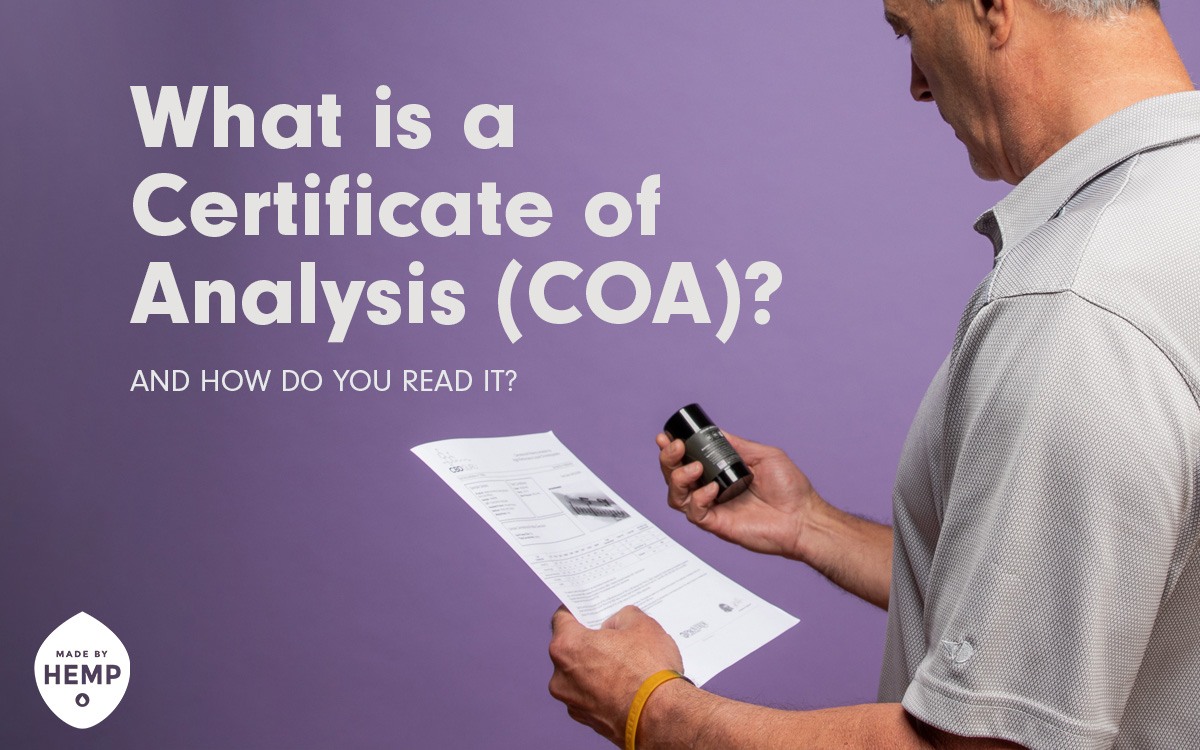
What is a Certificate of Analysis (COA) (and How to Read)

in CBD NEWS

What is a certificate of analysis coa

CBD is like a box of chocolates. You never know what you’re going to get unless you do a little reading. With CBD oil, it should be as easy as checking the box, but there’s an unfortunate problem of mislabeled products. Protect yourself from fake or low-quality products by doing your due diligence —always check the Certificate of Analysis. If there isn’t one, steer clear. 

What is a Certificate of Analysis (COA)? 

A Certificate of Analysis, or COA, is a document from an accredited laboratory that shows the quantity of various cannabinoids in a product. 

Manufacturers should send every batch of every product they make to a lab for testing, to protect their customers and prove that their products have as much CBD as they advertise. 

Always check the COA before using a CBD product 

COAs aren’t always easy to get your hands on before buying a product. You may need to reach out to the company to request it. 

However, once you receive your product, there should be a QR code on the label that you can scan and be taken to a webpage with the product’s COA. Most iPhones can scan QR codes through the regular camera, just open the camera app and point it at the QR code (don’t take a picture, just hover over the QR code) and a notification should pop up with a web address. For Android or older iPhones, simply go to the app store and search for a “QR code scanner”. There are free options to download.

cbd qr code coa

Not all states require QR codes on CBD products, but it has become a common practice anyway as reputable companies want this information to be readily available to all of their customers. 

If you can’t get a COA from the manufacturer’s website, customer service, or the product label, that’s not good. A quality CBD company will always get their products lab tested. After all, a COA is as much for the customer as it is for the company to double-check the quality of their work for quality assurance purposes. 

🚩 4 red flags to watch out for in a Certificate of Analysis

Once you get a Certificate of Analysis, inspect it thoroughly. Here are a few things to watch out for. 

1. Too much THC

To be considered hemp oil, by law, it cannot contain above 0.3% THC. If it contains more, then it’s considered marijuana and may not be legal in your state. 

Also, if your product is advertised as containing no THC, then reading the COA is a good way to verify that claim. 

2. Less CBD than advertised

This one is obvious, but for good measure, we’re mentioning it. It’s very important to make sure the Certificate of Analysis reflects the advertised CBD content on your product’s label. 

3. Missing cannabinoids

If a CBD product is marketed as full-spectrum, broad-spectrum, or PCR, that means it contains a variety of cannabinoids. The COA should show the product contains at least small amounts of CBDa, CBG, CBC, CBN, and/or other cannabinoids, in addition to CBD. 

4. Tested in-house

When buying a car from a stranger, you don’t take their word for the condition they claim the car is in. You check it out or bring someone with you that knows what to look for. 

That thought process is similar when it comes to testing CBD products. If the Certificate of Analysis came from the company themselves, meaning they tested it in-house, they might be telling the truth —but it’s not as reassuring as an unbiased professional performing the test. 

Unless you really trust a company, it’s a good idea to make sure their COAs come from an accredited third-party lab. If they don’t, ask if they can provide one as they may have both available. 

How to read a COA lab test 

COAs are not always easy to read, and there are many different formats. 

Typically, you’re going to see COAs that show the results in one of the following three ways: 

  • Milligrams (mg) of CBD in the full product 
  • Milligrams (mg) of CBD per gram (g) 
  • Milligrams (mg) of CBD per milliliter (ml) 

Note that we are using CBD as an example, but the same goes for all other cannabinoids in the COA. 

That first type of result means you don’t need to do any work or calculations, as it already shows you the total amounts of each cannabinoid in the product. However, for the others, you will need to know one thing about the product in order to make your calculations. 

Before explaining those two test result formats, we should refresh our memory on units of measurements. A milliliter (ml) is a measurement of volume. So even though most liquid CBD products will show the size in ounces (oz), you can convert that. 1oz will always equal 30ml. However, grams (g) is a weight. Two 30ml tinctures will not weigh the same in grams, as the weight is affected by each ingredient in the product’s unique formulation.

MG per G 

If the results show the amount of cannabinoids per gram, then you need to know the total weight of the product in grams. The weight does not include the packaging, just the product itself. Most products do not show their weight in grams on the label, so you may need to ask or check if the COA contains that information. 

For example, a product weighing 25 grams with an advertised 300mg of CBD should have 12mg of CBD per gram. 

MG per ML 

If the results show the amount of cannabinoids per milliliter, then it’s a little easier. However, this type of measurement only (easily) works for liquids. Simply take the total milliliters of the product and multiply it by the amount of CBD per milliliter. 

Liquid tinctures will always tell you their size, such as 1oz (30ml) or 2oz (60ml). 

So, for example, a 1oz (30ml) tincture with an advertised 300mg CBD should contain 10mg of CBD per milliliter. 

Other types of lab tests 

In addition to the standard cannabinoid profile, it’s also common to find full-panel lab tests. These show the cannabinoid profile and terpene analysis, as well as checking for any molds, pests, or heavy metals that could be harmful over certain levels. 

Checking COAs on Made by Hemp 

At Made by Hemp, we make sure COAs are not only easy to access, but they’re also easy to read. Go to any product listing in our CBD store and click the “lab test results” link below the product title to review the results in PDF format. 

Our test results are all from a third-party lab. However, our results are in milligrams of CBD per gram so, to assist with reading our COAs, the weight in grams of the product is included in the COA and the calculations are performed to immediately show you the total CBD in the product. 

As a bonus, the percentage of each cannabinoid is included in the results, which is especially helpful to see that it contains 0.3% or less THC per the legal limit. 

Contributed Post. Article originally posted on https://madebyhemp.com/

If you like what you’ve read here, please let others know of this post, blog, and site.

And thanks for reading!  🙂