Unknown's avatar

How To Reduce The Risk While You Drive

It has to be said that injuries on the road are more common than you might think. Reckless driving and a variety of other risk factors that can increase your chances of losing control while out on the road, so it’s important that you can take the time to reduce the risk while you drive if you want to reach your destination safely. 

Fortunately, this guide contains a number of proactive steps that you can follow to stay safe while you’re driving, and implementing these ideas can provide you and your passengers with ultimate peace of mind no matter where in the world you might be headed. 

So, what are you waiting for? If you’re interested in finding out more, then simply read on! 

Image Source – Pexels 

Visit A Garage Regularly

One of the most important steps that you must follow to become a safe and secure driver is to take your car to a garage regularly. When you take your car to the garage, an expert is able to ensure that it’s in the best condition possible. This will give you total confidence while you drive, while minimizing the likelihood of dangerous scenarios and situations.Experiencing even a minor fault with your vehicle could send you off the road and lead to extreme injuries or even fatalities, so it’s a good idea to take your car in for a check up every now and then to ensure everything is in great working order. 

If ever your mechanic does find a fault, get this fixed immediately – you simply cannot afford to wait around and ‘hope’ that nothing bad will happen, as in reality you will be dicing with death driving inside an accident waiting to happen. It’s a good idea to learn more about your options when it comes to taking your car to a garage, as you might be covered under your insurance to get it fixed. This should mean that the cost of any mechanical or body work is considerably lower!

Never Get Distracted

When you’re driving, all of your attention has to be on the road in front of you. You simply cannot allow yourself to get distracted by anything that’s going on around you, as taking your eyes away from the road ahead for just a second could lead to catastrophe. Do not look at your smartphone while at the wheel – if you receive a phone call that you need to answer, use the hands free feature that allows you to speak without the need to hold your phone or pull over to answer in a safe place. Discourage any other passengers from wreaking havoc in your vehicle, too, as your kids can easily take your attention away from the road. If you do find that your children are becoming a little too loud and boisterous in the car, then pull over and deal with the situation away from the main roadway. 

There’s no time like the present to become a safer driver, so get out there and improve your skills today.

Contributed Post.

If you like what you’ve read here, please let others know of this post, blog, and site.

And thanks for reading!  🙂

Unknown's avatar

Get The Whole Family Moving With Your Next Holiday

If you’re trying to get the family involved in a little more physical activity, then you might want to incorporate that into the next holiday that you all take together, as well. Of course, you don’t want a holiday to feel like a fitness retreat, you want it to be fun, as well. For that reason, we’re going to look at the trips you can take that get the family moving while having a great time, as well.

Link – Pixabay License

Move those feet

One of the greatest feelings you can enjoy during your holiday is the feeling of actually adventuring and exploring. Climbing that hill and seeing the landscape spread out before you can be a truly wonderful feeling, which is why hiking can be such a great time out with the family. Of course, you want to make sure that you pick a hiking trail that is of a suitable difficulty level for the whole family, especially keeping in mind the ages of everyone involved. However, it’s also a relatively cheap holiday activity, which can keep your trips from getting too expensive.

Get out into the wild

When you go out camping, you’re likely to do a lot more than just sit around a campfire all day. Taking a walk through the wilderness, collecting firewood, and even a little fishing can make your trip out there all a lot more involved and will get you moving, as well. Of course, safety comes first so you should make sure that you pack and prepare everything you need for your trip, before setting off double check your emergency training and skill up with emt test prep to keep your family safe. Otherwise, have fun, a little living on the wild side can be sure to bring a new layer of enjoyment to your holiday.

Hit up some real adventure

If you want to find something for the whole family too but you don’t want to be stuck with just one activity the whole trip, then you might want to look for those establishments that offer a wide range of activities. Places like adventure centres could be just what you’re looking for, with different options like rowing, climbing walls, zip lines, and much more able to help you give your trip that variety that will keep it fresh the entire time. These are great picks for involving family members of different ages in different ways, too.

See the world on a saddle

If hiking sounds a little too slow-paced for you and yours, and you want to really be able to see more of the country, then you might want to look at some of the top biking routes that you can take. These trips might not be as well suited to anyone who could be considered a child, better for adults and older teenagers only, but it can be an excellent way to enjoy the freedom of a road trip but with a lot more physicality involved.

The above are only some examples of holidays that will get the family moving and staying active a lot more. There are plenty of other options out there worth looking into, too.

Contributed Post.

If you like what you’ve read here, please let others know of this post, blog, and site.

And thanks for reading!  🙂

Unknown's avatar

Start Looking After Your Teeth Now

Photo by Andrea Piacquadio: https://www.pexels.com/photo/woman-in-yellow-button-up-top-790744/

At any age, it’s important to take care of your teeth. But a lot of people think it’s too late to improve their oral health if they didn’t start taking care of their teeth when they were young. This is the furthest thing from the truth! Here are five reasons why you can always start taking better care of your teeth now.

Stop Further Damage To Your Teeth 

If you haven’t taken care of your mouth in the past, it’s likely that your teeth and gums are hurting. But you can stop more damage from happening by taking better care of your teeth now. This is especially important as you get older because the damage you’ve already done to your teeth will show up more and may cause more problems in the future.

Lower The Chances Of Gum Disease

 Gum disease is a serious problem that can lead to tooth loss and other health issues. But it can also be stopped. If you take good care of your teeth and gums, you may be less likely to get gum disease. This is especially important for older people, who are more likely to have gum disease than younger people. Also, gum disease is often caused by not taking care of your teeth, so make sure you do everything you can to avoid getting it.

Improve The Health Of Your Teeth 

Your oral health has a lot to do with how healthy you are as a whole. So, if you take better care of your teeth, you can improve your health as a whole. This is especially important as you get older because bad oral health has been linked to heart disease, stroke, and other long-term conditions. Your ability to process healthy foods can also be affected by how well your teeth are taken care of. This is important as you age and your body’s needs change.

Saving Money In The Long Run 

Many people think they can save money by not taking care of their teeth. But that’s not the case! In fact, if you don’t take care of your teeth now, you’ll probably end up spending more money in the long run. This is due to dental problems getting worse over time, which can lead to the need for more extensive and costly treatment in the future. For example, if you have a chipped tooth, dental bonding may be a simple, low-cost way to fix it. But if you don’t do something about it right away, it will get worse. Because of this, you need to make sure you stay on top of your family dentistry

Improve Your Self Confidence 

Having teeth and gums that are healthy can do a lot for your self-esteem. If you haven’t been smiling because your teeth aren’t in good shape, taking better care of them can help you feel better about yourself. This is important for people of all ages, but it can be especially helpful for older adults who may worry about how they look as they get older.

In Conclusion 

It’s never too late to care for your teeth better. If you want to keep your teeth from getting worse or if you want to improve your overall health, you should start taking better care of your oral hygiene today. So don’t put it off! Start making changes right away to help your oral health.

Contributed Post.

If you like what you’ve read here, please let others know of this post, blog, and site.

And thanks for reading!  🙂

Unknown's avatar

How Food Can Affect Your Teeth (& What To Do About It)

It’s fair to say that food and drink can have a huge impact on your teeth and oral health as a whole, yet many people are totally unaware of the different risks and dangers that can come from their diet. 

Thankfully, this informative guide aims to teach you all you need to know about the way food and drink can impact on your teeth and oral health, as well as what you can do to combat these side effects sooner rather than later. So, what are you waiting for? Read on to discover more!

Image Source – Pexels 

Food 

Lots of different food items can be detrimental for your teeth and oral health, but sugar is often the worst culprit. Sugar can lead to cavities and countless other issues that make it tough to maintain great oral hygiene, and overconsumption of sugar can even lead to tooth decay and eventual tooth loss if left unchecked. Other foods that have a strong color can also cause problems for your teeth. Things like tomato ketchup and even soy sauce can encourage staining on your teeth, making them change color over time if you fail to clean them properly. You may also find that cold foods such as ice cream can cause problems for your teeth, as those with sensitivities often feel excruciating pain when consuming sub-zero foods. 

Drink

Many drinks can lead to tooth problems, and unfortunately it tends to be the most popular beverages that have the worst impact. For example, coffee and red wine can cause severe staining when consumed repeatedly, encouraging your teeth to take on a totally different color. High sugar drinks such as milkshakes or fruit smoothies can have the same cavity-encouraging impact as high sugar foods, too. Even alcoholic beverages like vodka can be detrimental to your oral health, as they may have a particularly high or low pH that upsets your mouth’s natural environment. Some foods can actually help your teeth, too. 

Solutions 

So, what can be done about these harmful foods and drinks besides avoiding them altogether? Well, one of the best solutions is to keep a water bottle and a packet of sugar free gum inside your bag, as this combination can help to clean your teeth on the go after you’ve eaten or drank any of the items listed above. Brushing your teeth thoroughly and swilling with mouthwash afterwards if you’re at home will be a better solution, but this isn’t always possible. If you do notice that you are experiencing oral health issues from your diet, then get in touch with an expert immediately. If you have discoloration then you can get expert tooth whitening, or if you lose a tooth then you can benefit from implant supported dentures. There are lots of solutions that you can make the most of, so don’t fret if you find yourself experiencing dental trouble. 

Learning about how your diet can impact on your oral health will help you to make the best decisions in the future. Good luck in your quest to take gear care of your teeth!

Contributed Post.

If you like what you’ve read here, please let others know of this post, blog, and site.

And thanks for reading!  🙂

Unknown's avatar

Changes to Your Dental Health You Should Be Aware of as You Age

Image credit

Dental health is just as important as general health. Although you may not think about it often, your teeth are essential to your body. The risk of gum disease, tooth decay, and other issues increases with age – but there are ways to combat them! This is why you need to find a good family dentistry practice that can provide you care through each stage of your life, so they know your mouth and what you can expect as you get older. As you age, you should be aware of several changes to your dental health. Below we will cover tips and tricks on keeping your pearly whites in tip-top shape as you age.

Gum Disease

Gum disease, also known as periodontal disease, is an infection that occurs when the bacteria in your mouth build up and begin to eat away at the gums and bones around your teeth. The first sign of gum disease may be an inflammation of the gums (gingivitis). If you don’t treat gingivitis, it can progress to periodontitis, damaging the ligaments and bones that support your teeth. If left untreated, gum disease can cause tooth loss. You can lower your risk of gum disease by brushing your teeth twice a day, flossing regularly, and visiting the dentist at least twice a year. If you’re over 40, you may want to see a dentist at least once every six months.

Increased Risk of Oral Cancer

Oral cancer is a rare but severe disease, and the risk of it increases as you age. The risk for most people is very low, but you can lower your risk even more by visiting the dentist regularly. Your dentist will likely be able to spot and monitor any potential signs of oral cancer, which include lumps or thickening of the tongue, loose teeth, and unusual bleeding. You can also lower your risk of oral cancer by limiting the number of tobacco products you use, as well as alcohol and coffee, which can irritate the gums and increase the risk of gum disease.

Loss of Enamel

When we are young, the enamel on our teeth is tough and robust, but it loses its strength as we age. This is especially true for people who used to take fluoride while they were growing up. The fluoride keeps teeth strong and prevents tooth decay, but it is only effective when on the teeth. Once your teeth have formed, the fluoride will be absorbed by the teeth, providing protection but also contributing to the loss of enamel if overconsumed. This is why you will notice that your teeth will get softer as you age. You can slow down the loss of enamel by using soft-bristled toothbrushes and gently brushing your teeth. You should also visit your dentist regularly and have your teeth cleaned.

Conclusion

As you get older, you will experience changes in your dental health. Gum disease is the biggest threat to your oral health, and the best way to prevent it is to brush your teeth twice a day and visit your dentist regularly. You can also lower your risk of oral cancer and the loss of tooth enamel with regular brushing and dental cleanings. With these tips and tricks, you can keep your teeth healthy as you age and into retirement!

Contributed Post.

If you like what you’ve read here, please let others know of this post, blog, and site.

And thanks for reading!  🙂
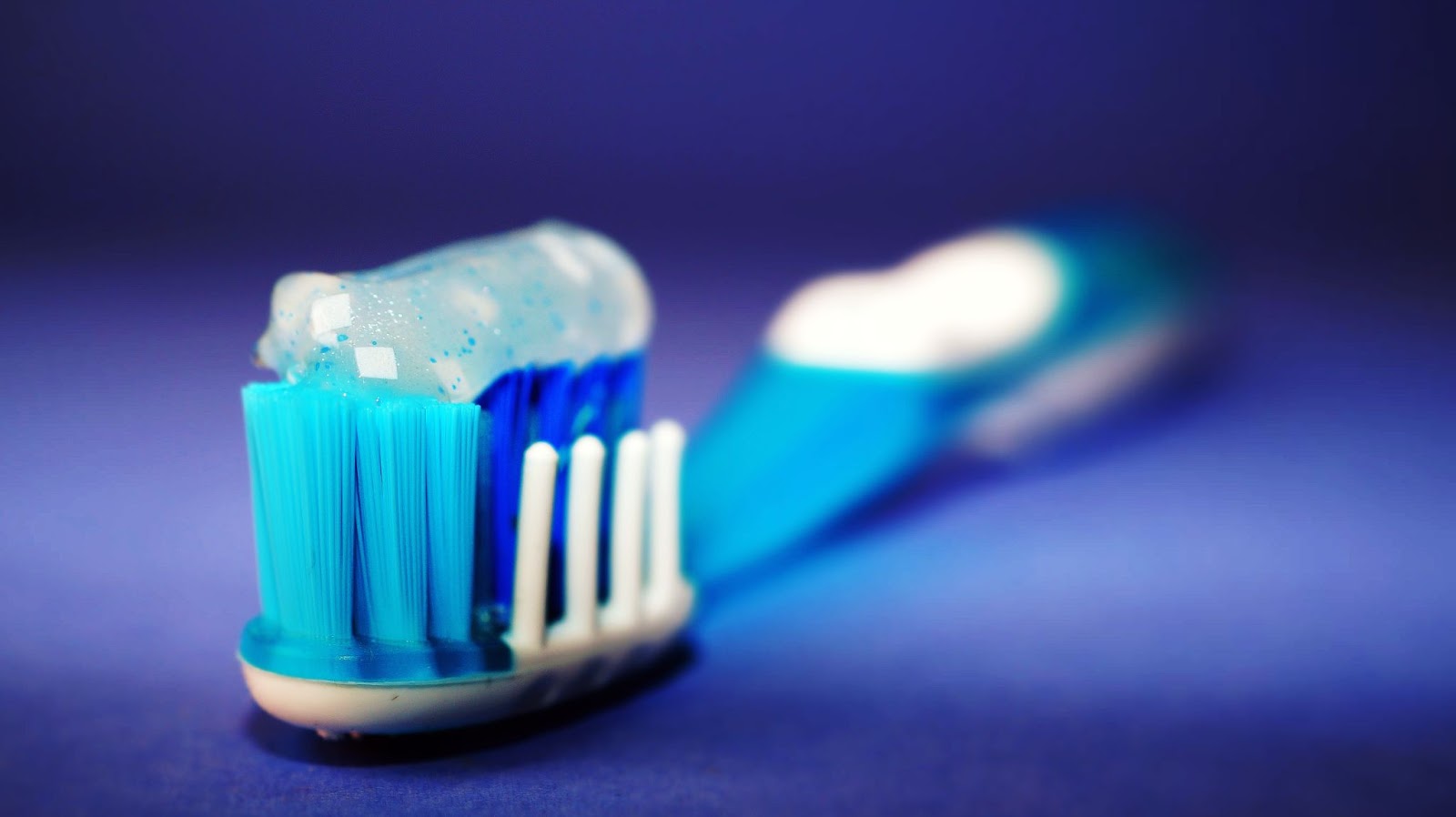
Unknown's avatar

How Important is Dental Health in the Workplace?

Maintaining good dental health is essential for everyone, but it is significant for people who work in the corporate world. Not only does having a healthy smile make you look more professional, but it can also positively impact your overall well-being. In this blog post, we will discuss the importance of dental health in the workplace and some benefits of keeping your teeth and gums healthy!

Photo by Juan Pablo Serrano Arenas

Why is Dental Health Important in the Workplace?

It’s no secret that good oral hygiene leads to overall better physical health; however, many overlook its importance in the workplace. Poor oral hygiene has been linked to many serious medical issues, such as diabetes, heart disease, stroke, dementia, and more. In addition, poor oral hygiene can also lead to pain and other symptoms that affect day-to-day functioning in the workplace. Employers can help keep their employees healthy and productive by promoting good dental habits in the workplace.

The Benefits of Good Oral Health at Work

Good dental hygiene in the workplace can have several benefits for employers and employees alike. It can help reduce absenteeism due to illness or pain from poor oral health. Healthy teeth and gums can also improve self-esteem and confidence, which is especially important in a professional setting. Furthermore, having good dental health can lead to better overall physical health since many systemic illnesses, such as diabetes, have been linked to poor oral hygiene.

Finally, one growing trend that has been gaining popularity in the workplace is all-on-5’s; this dental procedure involves placing five specially manufactured dental implants into your mouth, which are then used to support prosthetic teeth. All-on-5s is an effective and cost-efficient way to replace missing or damaged teeth and can significantly improve an individual’s oral health.

How Companies Can Support Employee Dental Health

Companies can provide dental benefits, such as a dental plan or discount program to promote employee dental health. Some employers may even cover specific treatments, such as orthodontic care or teeth whitening. Additionally, having an on-site dentist or sponsoring regular visits to the dentist is another great way to encourage employees to take care of their oral hygiene.

Wearing Mouth-guards for Protection

Employees may be exposed to dental hazards such as flying debris or complex objects in specific jobs. In these cases, it is essential to equip them with safety gear, such as mouth-guards that protect their teeth from damage or injury. This preventative measure can help safeguard employees’ oral health and keep them safe at work.

Tips for Maintaining Healthy Teeth & Gums at Work

Maintaining healthy teeth and gums at work is easier than you think. Here are a few simple tips to help keep your mouth in optimal condition:

  • Brush your teeth at least twice a day
  • Floss daily
  • Visit the dentist regularly
  • Eat nutritious foods that support dental health
  • Avoid sugary snacks or drinks

By following these simple tips, you can maintain optimal oral hygiene, which can help prevent pain, illness, and other negative impacts on your personal and professional life.

The key to successful oral hygiene is to develop long-term habits and maintain regular visits with your dentist. Then, with the right approach, employers can help employees stay healthy and productive.

Contributed Post.

If you like what you’ve read here, please let others know of this post, blog, and site.

And thanks for reading!  🙂

Unknown's avatar

How to Get Perfect Eyebrows

It seems like everywhere you look, people have perfect eyebrows. And not just the lucky few born with them, but people who have taken the time to learn how to shape and fill them in perfectly. The good news is, it’s not as difficult as it looks!

With a little bit of practice, you can have perfect eyebrows, too. Here’s a step-by-step guide on how to get perfection.

Determine the Shape of Your Eyebrows

To get perfect eyebrows, determine the shape that you want. The first step to doing this is to determine the shape of your face. This will help you narrow down the types of eyebrow shapes that suit you best.

If you have a round face, for example, you’ll want to avoid round or oval-shaped brows. Instead, opt for a more angular shape to help make your face appear longer and thinner. If you have an oval-shaped face, you’re lucky-almost any eyebrow shape will look good on you!

Once you’ve determined the shape of your face, it’s time to look at the thickness of your brows. If you have thin brows, you’ll want to avoid any shapes that are too thin or angular. Instead, go for shapes that are soft and curved, as this will help give the illusion of fuller brows. If you have thick brows, on the other hand, you can pretty much pull off any type of eyebrow shape.

Tweeze, Wax, or Thread Them

To get the perfect eyebrows, you can tweeze them, wax them, thread them, or a bit of all three.

Tweezing is plucking individual hairs from the brow with a pair of tweezers. This is a good option if you only have a few stray hairs that need to be removed. However, it’s important to exercise caution when tweezing because it’s easy to accidentally remove too much hair. If in doubt, always tweeze less rather than more.

Waxing involves using a wax strip to remove several eyebrow hairs at once. This is a good option if you have a lot of excess hair or your brows are particularly unruly. However, waxing can be painful, and it can sometimes cause redness and irritation. If you have sensitive skin, you may want to steer clear of this option.

Threading is an ancient hair removal method that has gained popularity in recent years. It involves using a piece of thread to remove hair from the root. Threading is generally less painful than waxing, and it’s also gentler on the skin. However, it can be difficult to find someone who knows how to do it properly.

Use a Pomade

Even if you’re an expert at eyebrow shaping, there’s one step that you might be missing: using a pomade. A pomade is a type of wax used to shape and hold your eyebrows in place. Unlike other eyebrow products like gels or powders, pomades give you a bit more control over the shape of your eyebrows. Plus, they can help your eyebrows stay in place all day long, even if you sweat or rub your face.

There are a few factors you’ll want to take into consideration when selecting a brow pomade. First, think about the desired result. Are you looking for a natural look or something more dramatic?

Second, consider the formulas. Some, like the Anastasia brow pomade, are waterproof and long-lasting, while others are lightweight.

And don’t forget about the price. Just because a product is expensive doesn’t mean it’s better quality. Do some research and read reviews before making your final decision.

When choosing a brow pomade, another important thing to do is to choose the right color. Always go for one shade lighter than your natural hair color. This will help create a more natural look.

If you can’t find an exact match, don’t worry! You can always mix two shades together until you find the perfect hue.

To use one, first, start with clean, dry eyebrows. Then, dip a small brush into the pomade and apply it to your brows in short strokes. Be careful not to use too much pomade; a little goes a long way. Once you’ve applied the pomade to your liking, use the brush to shape your eyebrows into place.

Don’t Forget the Finishing Touches

Once you’ve shaped and filled in your eyebrows, it’s time for the finishing touches! Use a clear eyebrow gel or Vaseline to help set your brows in place and make them appear fuller and thicker. And that’s it!

With these easy steps, anyone can achieve perfect eyebrows at home without spending a fortune at a salon! Remember to start by determining the shape of your eyebrows. Then you can tweeze, wax, or thread them. Also, choose and use the right pomade. Finally, don’t forget to put in the final touches for flawless brows every time.

Contributed Post.

If you like what you’ve read here, please let others know of this post, blog, and site.

And thanks for reading!  🙂

Unknown's avatar

4 Health Screenings You Can Get From Your Doctor

While not many people enjoy seeing their doctor, they are your go-to expert for all things health-related. While it can be challenging having to deal with them from time to time, you know that at the end of the day, you can rely on your doctor for anything, such as a referral to TMJ therapy, getting proper vaccinations, and so much more. But what about when it comes to health screenings?

Sure, there is the annual check-up that everyone should do, but checking your height, weight, and blood pressure isn’t all too helpful if you think about it. Sometimes, those screenings truly detect what’s happening in the body. So, here are four health screenings you can get and should look into at your next appointment.

Image credit

Colon cancer screenings

Whether you are concerned about your family’s history of colon cancer or want to know if you are at risk, you should talk to your doctor. They can help you determine what screenings are appropriate for you. Whether you need a colonoscopy or a stool test depends on several factors, including your age and your family history of cancer. For the most part, you can expect your GP to send you to a specialist if you need a colonoscopy or a stool-based test. While they will only refer you, they are open to allowing you to have a test or a check-up with a specialist to see if it’s truly necessary.

Osteoporosis screenings

If you’re hitting a certain age, then this is a screening that you shouldn’t ignore. Almost 20 percent of women and 5 percent of men over age 50 suffer from osteoporosis, a bone disease that causes bones to become weak. Often called a “silent disease,” osteoporosis does not cause symptoms until it causes a fracture. While this doesn’t sound too serious, it’s a major deal, and doctors will closely monitor their older patients for this.

The most effective way to diagnose osteoporosis is through bone density tests. These tests use low-level x-rays to measure the density of your bones. These tests can be performed in less than 15 minutes. They will also identify whether you are at risk for fractures. Other bone screening tests are also recommended for specific groups of people. These tests include dual energy x-ray absorptiometry (DXA), a noninvasive, quick test that measures the density of bones in the spine and hip. Overall, you can count on a GP to help you get this screening; if you’re over 50 years old, you’ll especially need the screening.

Cholesterol screenings

A cholesterol screening can be a great way to detect problems with high cholesterol. It can also help you decide whether or not to take cholesterol medicines. The American Heart Association recommends screening for cholesterol at least every four to six years, starting at age 20. More frequent testing may be recommended if you have high blood pressure, a family history of heart disease, or other risk factors. This screening doesn’t even need to send to a specialist, maybe a local lab at best. A blood test does this, and it will measures total cholesterol and LDL (bad) cholesterol. In addition, your doctor may want to test your triglyceride levels.

Blood glucose screenings

While colon cancer and osteoporosis screenings need to be done by a specialist, this can be done right at the GP’s office. Blood glucose screenings are a great way to detect diabetes and other health conditions before complications become severe. This test can help you determine the type of diabetes and identify the underlying cause of your disease. 

Contributed Post.

If you like what you’ve read here, please let others know of this post, blog, and site.

And thanks for reading!  🙂
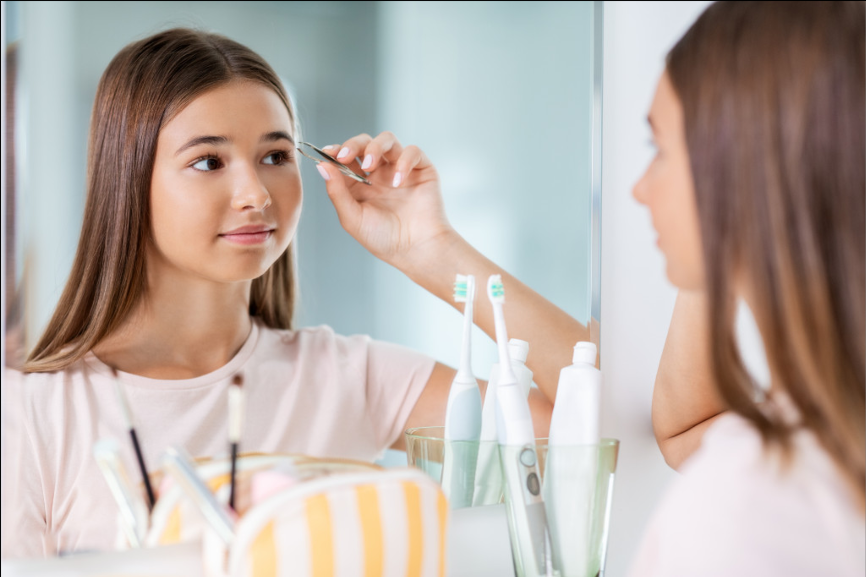
Unknown's avatar

How to Keep Your Children Healthy All Year Round

As a parent, you want nothing more than for your children to be healthy and happy. But sometimes, despite your best efforts, colds and cases of flu make their way around the family. According to the Centers for Disease Control and Prevention (CDC), on average, children between the ages of five and fourteen get sick with the flu about three to four times a year.

There are things you can do, however, to help reduce the chances of your children getting sick in the first place and help them recover more quickly if they do falls ill. Here are some tips for keeping your children healthy all year round.

1. Wash Those Hands!

One of the simplest-and most effective-ways to keep your children healthy is by teaching them to wash their hands regularly and properly. Make sure they know to scrub all over, including under the nails, for at least 20 seconds. It’s also important to remind them to wash their hands after using the restroom, before eating, and after playing outside. You can also help by keeping hand sanitizer in the house and/or in your purse or diaper bag when you’re on the go.

If your child is old enough, teach them how to properly cough or sneeze into their elbow to help prevent the spread of germs. This will also help to keep their hands clean. They can also wear a face mask if they are sick to help prevent the spread of germs to others.

2. Schedule Regular Check-Ups

Make sure to take your children for regularly scheduled check-ups with the pediatrician. These well-child visits are essential for ensuring your child is on track developmentally and is up-to-date on all vaccinations. These visits are also an excellent time to ask the doctor any questions you may have about your child’s health.

Choose a clinic with medical diagnostic testing equipment so your child can get any necessary tests done in one visit. This will save you time and money in the long run. These tests can help to identify any potential health problems early on so that they can be treated quickly and effectively. If your child has any chronic health conditions, such as asthma or diabetes, follow up with their specialist regularly.

3. Boost Their Immunity with Foods & Supplements

Did you know that certain foods and supplements can help boost your child’s immunity? Incorporating these into their diet is a great way to keep them healthy all winter. Some immunity-boosting foods include citrus fruits, leafy greens, yogurt, garlic, and ginger. You can also give them daily vitamin C or probiotic supplements to help fight off sickness.

But don’t forget that hydration is essential, too! Make sure your children are drinking plenty of water throughout the day. This will help flush out toxins and keep their bodies functioning properly. They can also sip on warm teas or chicken soup when they feel under the weather. You can also make your own immunity-boosting chicken soup by adding some extra ingredients, such as garlic, ginger, and turmeric.

4. Keep Them Active

Staying active is not only good for physical health but mental health as well. Kids need to get at least 60 minutes of exercise every day. This can be in the form of organized sports, free play, or even just playing tag in the backyard. Getting those kiddos up and moving will help keep them healthy-inside and out!

Because more children are inactive nowadays, there has been an increase in childhood obesity. This can lead to many health problems, such as heart disease, diabetes, and high blood pressure. Help your child avoid these issues by ensuring they get plenty of exercise daily. Taking them for walks, bike rides, or hikes is a great way to get some fresh air and quality family time, too.

5. Get Them Outside

Spending time outdoors can help to reduce stress, anxiety, and depression. And what better way to get some vitamin D than by soaking up the sun? Children are typically outside more in the summertime, but that doesn’t mean they should be indoors all winter. Make an effort to get them outside every day, even if it’s just for a few minutes. Let them play in the snow, build a snowman, or go for a nature walk. Just being in nature can work wonders for their mental and physical health.

You can do many simple things to ensure your children are always healthy. From teaching them proper hand-washing techniques to boosting their immunity with foods and supplements, these tips will help you keep your kids happy and healthy all year long. Always consult with a trusted medical professional if you have any concerns about your child’s health.

Contributed Post.

If you like what you’ve read here, please let others know of this post, blog, and site.

And thanks for reading!  🙂

Unknown's avatar

7 Hints on Keeping Your Athletic Teams’ Physical Health Tip Top

Athletic teams are always looking for an edge over their opponents. Often, this comes in the form of better physical conditioning and health. However, it can be tough to keep track of all the players’ health and ensure that they are staying in top shape. This blog post will discuss seven hints on keeping your athletic teams’ physical health tip-top!

1) Schedule regular check-ups and health screenings:

Make sure to schedule regular team doctor visits and health screenings. This will help identify any potential health problems early on and get the players the treatment they need. In addition, players should be encouraged to see their own personal doctor for regular check-ups.

Via Pexels

2) Develop a healthy eating plan:

Nutrition is key for athletes to perform their best. Work with a nutritionist to develop an eating plan that will help the players meet their energy needs and stay in top shape. Make sure healthy snacks and drinks are available at all practices and games. Some examples of food can be:

  • Fruits and vegetables
  • Whole grain bread and pasta
  • Lean protein sources such as chicken, fish, tofu, beans, and lentils
  • Healthy fats such as avocados, nuts, and seeds

3) Promote adequate sleep:

Athletes need to get enough sleep to recover from their workouts and perform their best. Create a team sleep schedule and ensure everyone sticks to it. Players should aim for at least 8 hours of sleep per night. Naps can be helpful for players who have early morning practices or games.

4) Incorporate strength training:

In addition to cardiovascular exercises, athletes should also do strength-training exercises to build muscle and prevent injuries. Strength training can be done with free weights, resistance bands, or bodyweight exercises. Make sure to focus on all major muscle groups, including the legs, back, chest, shoulders, and arms.

5) Stay hydrated:

Dehydration can lead to fatigue, cramping, and even heat stroke. Therefore, players should drink plenty of fluids before, during, and after practices and games. Sports drinks can be helpful, but water is the best option for staying hydrated.

6) Ensure physio and chiro assistance:

Injuries are inevitable in any sport. However, you can help prevent them by ensuring the players have access to a qualified physiotherapist and chiropractor care. These professionals can help identify potential problems and give the players the treatment they need to stay healthy. In addition, players should be taught proper stretching and warm-up techniques to help prevent injuries.

7) Promote mental health:

Mental health is just as important as physical health for athletes. Encourage the players to talk about any stressors in their life and seek counselling if needed. A healthy mind will lead to a healthy body!

In conclusion, following these five hints will help you keep your athletic teams’ physical health in tip-top shape! Make sure to schedule regular check-ups and health screenings, develop a healthy eating plan, stay hydrated, ensure physio and chiro assistance, and promote mental health. Doing so will help the players perform their best and prevent injuries.

Contributed Post.

If you like what you’ve read here, please let others know of this post, blog, and site.

And thanks for reading!  🙂