Unknown's avatar

Moving To The City? How To Find The Right Home In The Crowded Metropolis

Hunting for a new home is not an easy task, particularly if you are looking for one in the city, but whether you are searching for a house to buy or an apartment to rent in the metropolis, here are the things you need to consider:

Local Real Estate Market

Buying or renting a new home can be tricky if you are new to the area. It may not be apparent to you at first which parts of the city are on the rise and which ones are already on the decline.

Make the most of available resources so you can familiarize yourself with the local real estate market. A particular area may appear underdeveloped at first glance but is set to undergo significant transformations in the future.

When hunting for a home, find out if there are commercial, residential, or public developments being planned for in a specific area, and assess if this could affect the desirability of the place. Plans to build public infrastructures such as schools, hospitals, and terminals for public transport could significantly affect the desirability and property value of homes in a particular area.

Location

Long commutes may affect your health and productivity so consider the pros and cons before you decide to live too far

away from work or school. Be aware though that the location of a prospective home can significantly affect its market price.

A home on a busy road, for instance, or one that stands next to a crowded public or commercial property, where there is an unusual amount of traffic and noise may fetch a lower price. Houses and condominiums near business districts, on the other hand, fetch a higher price.

Safety

Assess the safety of the neighborhood. Do some researchers about the crime activity in a particular area before you hand over your money for the property. Make sure to make an in-person visit. A high rise apartment that appears to have a beautiful view of the city on its images on the internet may be located near an industrial site, which can expose you to toxic fumes.

Transportation

Familiarize yourself with the transportation options of the city from buses to subways and taxis. It is important to do thorough research on a city’s public transportation options before you relocate to your new home. If you will depend on any of these to get around the city, go for where public transportation is easily accessible. You may have to lease or buy a new car if you opt to settle in a home where there is no public transportation nearby and you should include this cost in your moving budget.

Get Help From An Expert

Get help from an experienced real estate agent if you are new or unfamiliar with the area. These professionals are experts when it comes to assessing potential homes for you. They can also provide you with the necessary information about the local market to help you make an educated decision. Be honest with your agent about your situation, including your time frame for the move and your budget, sothey can steer you towards a place most suitable for your needs and preferences.

There are many things to consider when moving to a new home in the city. Familiarize yourself with the local real estate market, the safety of your future location, and the accessibility of your perspective home to public transportation.

Contributed Post.

If you like what you’ve read here, please let others know of this post, blog, and site.

And thanks for reading!  🙂

Unknown's avatar

The 4 Most Important Elements of a Sustainable Home Build

Photo by JoĂŁo Jesus from Pexels

As environmental concerns and discussions about sustainability become more widespread, many prospective homeowners are looking for ways to make their build more eco-friendly. With new, innovative technologies coming out all the time and lots of strong opinions on which eco-friendly approaches are best, designing a sustainable home can feel like an overwhelming task. 

If you’ve been dreaming about building a sustainable home but aren’t sure where to start, take a look at the four factors that will have the biggest effect on reducing your home’s footprint and enable you to live a sustainable lifestyle. 

Use utility-efficient designs and supplies

All sustainable home builds should focus on reducing water, heat, and electrical usage. Some of the most popular heating options today include geothermal heating, solar panels, masonry heat systems, and hydronic heat systems. 

The best place to begin is to be aware of any issues with your current location. Any plumber can look at the area and see if there are major issues with sewer lines, or if your location is not conducive to efficient sewage. If you build a property on a faulty mainline, the quality of water you use could be compromised.

To conserve water, collect rainwater and recycle your greywater. If you have lots of outdoor space, consider putting in an irrigation system in place of underground sprinklers. If you have the space and a license, well drillers can provide you with your own source of clean, safe drinking water, saving you from purchasing plastic water bottles. 

Keep in mind that although some of these features have high upfront costs, many will save you money in the long run and increase the value of your home. 

Look for eco-friendly materials

When deciding on the materials for your build, there are three main considerations to keep in mind:

  • Is the material easily renewable? 
  • Can they be locally sourced? 
  • Are they free of contaminants and harmful chemicals? 

Bamboo and wool are popular materials, as they meet the first and third criteria. Having an extensive understanding of all potential building materials is just one of many things you should know before you self-build. Even if you’ve hired a builder to do the work for you, you shouldn’t expect to take a back seat in the project. Make sure you have a firm idea about what materials you want and be ready to negotiate this with your builder. Consider every element of your home. For roofing, ask for recommendations from home remodeling contractor, Action Builders.

Less is more

Energy-efficient design or not, larger eco-friendly homes will always use more energy than smaller eco-friendly homes. How much space do you truly need to live comfortably? Focus more on building a functional, comfortable space than your dream eco-mansion. 

There are lessons to be learned here from tiny house architects. While you shouldn’t feel pressured to live in a space that small, their designs are worth taking a look at to get some ideas on how you can maximize the space you have. Less space means less waste. 

Plant a permaculture-inspired garden

Living sustainably is all about seeking connection and mutual benefit with the natural environment around you. Your sustainable home should therefore not shut out the outdoors, but seamlessly integrate into it. 

Your garden is just as important as the house itself. Design your garden using permaculture principles, which take an approach to agriculture that mimics and supports natural processes. Cultivate your own fruits and vegetables to your heart’s content while simultaneously giving back to the environment. 

That being said, sticking exclusively to permaculture principles exclusively isn’t for everyone. To reduce your reliance on the supermarket and eat locally, factor space for a polytunnel into your build to grow produce that you wouldn’t otherwise be able to.

Contributed Post.

If you like what you’ve read here, please let others know of this post, blog, and site.

And thanks for reading!  🙂

Unknown's avatar

Tips You Need For Choosing Your New Building Lot

When you are in the position of choosing to build a home or buy an existing property, it’s an exciting place to be! You get to weigh up the pros and cons for both, and if you decide to build a home over buying one, you’re going to get to choose a building lot for your house to sit on. The fun thing about this is that you now have some things to consider. Your house needs to be a home and that starts with the type of building in which you want to live. You also have to think about the size of the lot you want to buy, whether it’s close to things that matter to you and whether your land is coveted by others.

There are some cases in which you will need to think about whether you will ever need the help of cell tower lease experts, but you need to know this in advance before you buy. The best thing that you can do is take the tips below for choosing the plot of land that you need the most. So, with this in mind, let’s run through them all one by one.

Tilt-shift Photography of Houses

Image Source: Pexels

  • The Area. It’s so important that you consider the area in which you want to live. Is the plot of land you’re looking to buy close to the nearest stores, services, churches and public transport? Before you choose anywhere to buy, you need to walk the area and do a drive-through so that you know how long it takes to get to each amenity. Don’t just do this once, either. You need to go to the area you’re looking to buy in at night time, on a busy weekend, during the early morning, different weather types – an area can look different depending on the time of day. You’ll find that some real estate agents will schedule their viewings and open houses on the best times of day rather than in the evening, and this is a tactic to ensure that you don’t see any unsavory activity! Due diligence is a must, so make sure that you get to know the area properly. You want to know how far you are from cell towers, electronic wires and more.
  • The Growth. When you buy a property, you want to know whether there is room for you to grow the property and improve it. Sometimes, it takes looking at the masterplan of the builders for the area, so this will tell you whether there are any planned buildings in the future, large developments to be built or cell towers that are looking to be built, too. This will give you some insight as to whether you need to consider looking elsewhere to build your property. You need to know that there isn’t going to be a highway built through your neighborhood a year after your purchase: it’ll kill the value of your newly built home!
  • Your Preferences. When you choose a town to build a house in, you need to consider the personal preferences that you have when it comes to the area. Each town has a range of areas and you need to think about what you want from yours before you go ahead and build or buy.
  • Distance. When you build a home on a lot, you usually find that it’s surrounded by other lots and you need to know whether your new home is going to be plagued by traffic noise or locals walking up and down. You want your home to be a peaceful one and it can only be peaceful if you know how to find it.
  • The Children. If you have children, consider the crime rates and the safety of the roads in the area around your new build. The safest streets are going to be popular and likely expensive, but that doesn’t mean that you should discount them. Choose a lot with a large backyard if you have children, and try to find somewhere with a parking space, too.
  • The Footprint. What’s the shape of the lot you’re buying? You want to be able to envision your new home fitting into that space, and whether you like the look of it. Finding the footprint of the house will help you to better plan it, and you can think about what the building will look like when it’s finished.

When you build a new home, you need to consider all of these points. There is a lot to think about, and now you can get through each of these before you make any decisions.

Contributed Post.

If you like what you’ve read here, please let others know of this post, blog, and site.

And thanks for reading!  🙂

Unknown's avatar

Saving Time When You Have To Move In A Hurry

Usually, when it comes to moving home, you want to ensure that you have all of the time that you need to prepare, get organized, and move as effectively and as stress-free as possible. However, some situations require you to get a move on sooner rather than later, and any delays can end up costing you big time. When that’s the case, here are a few time-saving tips to help you get the move underway.

Link to Pic – Pixabay License

Get rid of some stuff

If you want to reduce the time that it takes to move all of your possessions, then why not give yourself fewer possessions to move in the first place? Websites like Ziffit make it a lot easier to sell just about anything nowadays. There are also plenty of ways to donate unwanted items and, although wasteful, you can always simply discard the things that you don’t need anymore. This can make it easier to find cheaper moving vehicles since you need less space, and will also reduce the time it takes for both packing and unpacking.

Be organized in your pack

One of the biggest time-wasters when moving is disorganization in your packing. If you don’t know where things are and where things go, you’re going to spend a lot of time looking from box to box. You don’t need to keep a precise inventory of everything that you’re moving. You can simply use a labeling system to get a good idea of what is each box. Packing a box per each room tends to be the easiest way to organize them. Then, when you need to fetch or put something away, it’s a lot easier to know where it goes.

Have your car taken care of

If you’re moving a long distance, then you might think to drive the car yourself. However, this trip alone can take a lot of time and can disrupt the schedule of getting settled on the other side. You might even have to plan the drive ahead of the moving van to meet it on the other side. Or you can decide to take another means of transport and have teams like CarsRelo take care of it for you. This frees you to otherwise organize and deal with the move rather than being stuck on the road.

Make sure you have the accessories that you need

If you don’t have the right equipment, then moving your possessions is going to take a lot longer. Heavy objects are going to need things like furniture dollies. You’re going to want to use furniture pads to protect your objects from damage in transit. Ropes and fasteners can help you ensure that things don’t move around on the road. If you don’t prepare these in advance, you’re going to spend a lot more time figuring out how to move certain objects and make sure they stay safe on the road.

Moving is rarely an easy thing to do, but the above tips can at least ensure that it doesn’t take all year to make it happen.

Contributed Post.

If you like what you’ve read here, please let others know of this post, blog, and site.

And thanks for reading!  🙂

Unknown's avatar

Condo Living Pointers for Urban Families

For single people, condo living seems to be the perfect living arrangement. A compact space that is large enough for one person and facilities, such as pool and gym, that cater to your active lifestyle. However, condo living is not just for soloists and independent urbanites. It may also be ideal for small families.

Some may contest that condo living is impossible for families with little kids. But this should not be the case, as some benefits are actually directed to families, such as walkability to pre-schools and proximity to workplaces and establishments, such as Estancia Malls at Capital Commons.

If you are looking to raise your kids in a condo, there are a few things that you may want to remember:

Ditch the studio

You may think of getting a studio condo, but this is the first thing that you should not do. Studios are not suitable for families with kids, knowing that kids grow up, and soon enough the space will be too cramped for everyone. Go for large spaces that allow you to build different rooms. This may cost a bit more, but it will be worth it for everyone in the end. You do not want to be woken up unceremoniously by your kids’ playtime while you are taking a nap.

Build an extra room

Yes, your condo has a limited size, but that does not mean that you will not be able to accommodate your kids’ space requirements. If you are living in a 60-square meter condo, you can actually come up with at least three rooms. Make the third room as your kids’ nook where there they can enjoy their me-time. Fill it with books, toys, and games that will occupy them while you are minding your household tasks or work. What’s good about this is that the third room may double as your home office when your kid is not using it.

Encourage kids to make friends

Socialization may prove to be challenging for condo dwellers, but it is not impossible. Depending on where you live, the condo association may occasionally hold events for kids, such as parties and workshops. Take these opportunities to help your kids meet new people and make friends. Otherwise, let the condo playground and park be the venue where they can play with other kids. If your neighbor has a kid, you can invite them over to your unit for a movie marathon or some games.

Always plan for the weekend

One of the many benefits of living in the condo is your proximity to different establishments. Your unit may be close to malls, parks, and libraries, which all make ideal places for family bonding. So, make it a point every to go out with your family every weekend. That way, your kid will not be bored and will always have something to look forward to.

Condo living means comfort

Who says condo living is just for single people. With the right perspective and a few lifestyle adjustments, a condo unit may also make the perfect home for families with young ones. It is an opportunity worth taking.

Contributed Post.

If you like what you’ve read here, please let others know of this post, blog, and site.

And thanks for reading!  🙂

Unknown's avatar

Can You Afford To Move Home?

Pexels. CCO Licensed.

Before you can take the decision to move home, you need to be sure that you can afford it. There are lots of costs that you need to factor in when taking the decision to move – some of which can often get overlooked. Here are some of the biggest costs to consider.

The upfront costs

Upfront costs can vary depending on whether you’re planning to rent or buy and whether you’re selling a home.

If you’re moving into a rented home, costs to consider include the deposit (usually equal to around three months rent) and any agency fees that you may have if you decide to use an agency. You may be able to pay for some of these costs using money released from a previous deposit if you’re already renting.

If you’re buying a home, there are numerous costs to consider. The down payment is the biggest cost that many buyers focus on – first-time buyers can spend years saving up for this, while current property owners tend to use any equity from their home. Other costs that get overlooked when buying a home are home inspection fees, appraisal fees, solicitor fees and extra mortgage application fees. Thi guide at opendoor.com delves deeper into all the costs of buying a home. 

Meanwhile, if you’re selling a home you may have to consider stamp duty and the cost of marketing your property. Using an estate agent is a big expense, but far more efficient than marketing your property yourself. Shop around to find an estate agent that you trust and make sure to enquire about fees upfront.

The cost of moving your possessions

When it comes to the actual move, you may have to consider the added costs of moving your possessions. This is likely to depend on how many possessions you plan to move and over what distance.

For small moves you may be able to get away with hiring a van and possibly roping together some friends/family to help with the move. Van hire costs can vary, so it’s worth shopping around.

If you’re moving more than an apartment’s worth of belongings or moving over a significant distance, you may want to look into moving companies as found at onthegomoving.com. Some moving companies are able to also offer storage if you need to temporarily keep possessions somewhere. There are also international moving companies for moving to another country.

The living costs of your new home

If you’re planning to upsize, a new home could come with added living costs such as high energy bills and higher mortgage repayments. Make sure that you’re ready to take on these added continuous payments. If you’re downsizing, this may not be such an issue.

Can you afford it?

To work out if you can afford the move it’s worth thoroughly assessing your finances. Work out how much money you have access to now, how much all of the moving costs are likely to come to and how much you can afford to pay in the long run. You don’t want to end up running out of money halfway through the moving process and having to beg, steal and borrow to avoid pulling out. You also don’t want to move into your new home and have no money to pay the bills. Do the math so that you’re financially ready as you can be.

Contributed Post.

If you like what you’ve read here, please let others know of this post, blog, and site.

And thanks for reading!  🙂

Unknown's avatar

6 Things To Know Before You Self-Build

How exciting is it to be in charge of the build for your own home? Well, we’ll tell you: VERY EXCITING!

You can be in charge of a build and watch your dream home come to life before your eyes. There is a huge process involved in building your own home, and it’s important that your build progresses as smoothly as possible. You must have a clear understanding on what the company you’ve chosen can do for you. If you’re going independent and choosing a builder yourself, you should consider everything from the fact you may have to hire an independent builder with a linear actuator for construction applications to the size of the land you have bought. A self-build takes a LOT of work, and you will need some help. So, let’s look at six things that you should know before you begin.

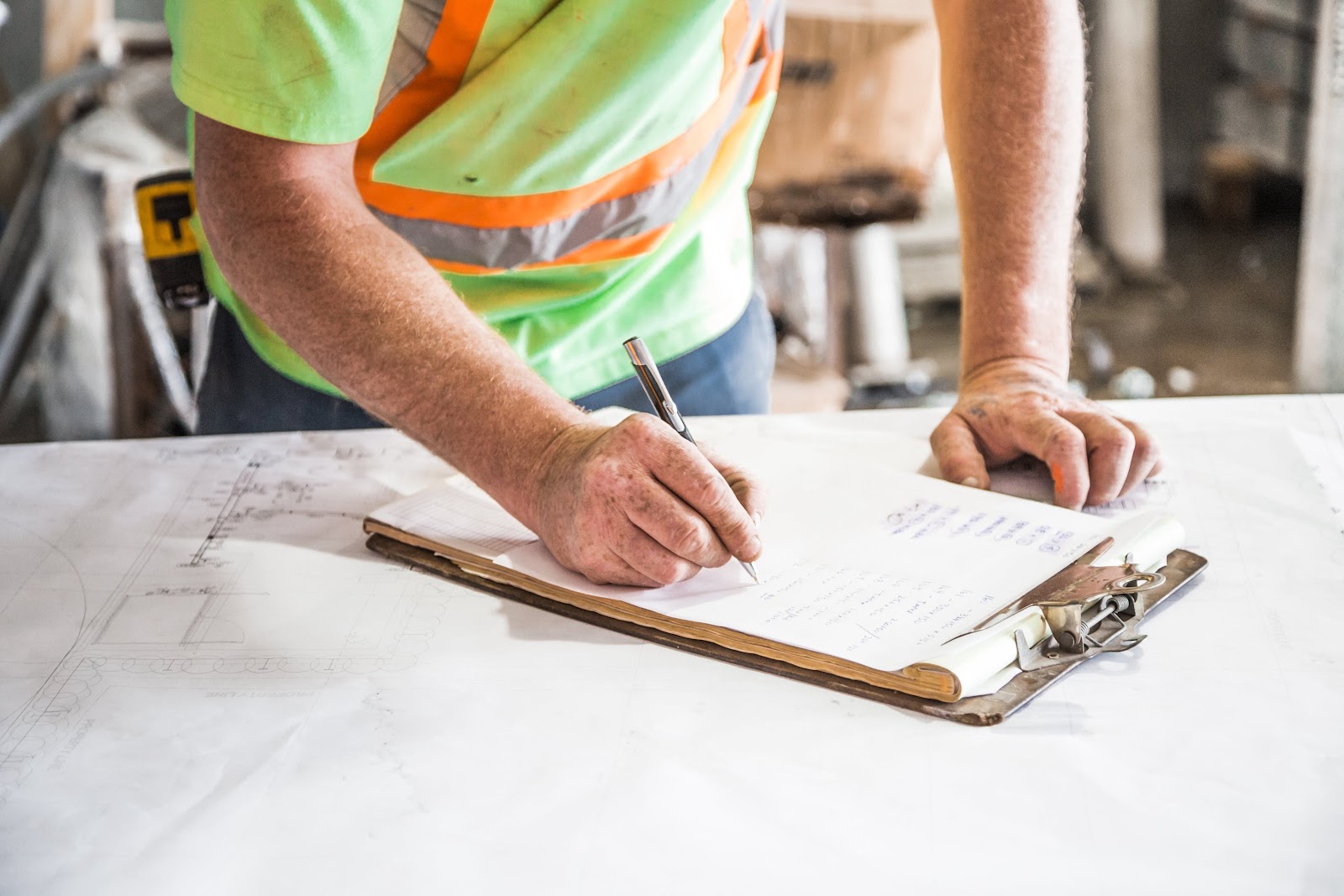
Person Writing on Paper on Top of Table

Image Source: Pexels

  1. Do Some Research

Before you can build your own home, you need to get your research done and understand exactly what the build is going to entail. The more you understand how the project is going to go, the more you can weigh up the benefits of calling in some reinforcements. You should also know when you should budget for the experts, such as in plumbing and electricity.

  1. Think About Finance

Independent financial advice is as valuable as the advice that your bank manager can give you. Speak to the experts and get the information that you need for your finance. You need to make sure that you can afford your project before you get started, or you will risk being behind with the build.

  1. Think Of The Possibilities

You want to build your dream house, but that doesn’t mean that you should go for the biggest house that you can fit on the plot. You need to think about enlisting the help of an architect or a designer to help you to map out your home. You can still have the house of your dreams, but with their help to scale the space, you can see it come to life and approve it properly.

  1. Get Motivated

A self-build project is not a small project on which you should embark. Establishing your forever home is not easy, but that doesn’t mean that you can’t make it a beautiful place to be. If you want that energy-efficient house, you can have one, but you need to get motivated about this project. It’s important that you’re excited to live in this house!

  1. Have You Got Standards?

The final costs of the house will be dictated by the fixtures and finishes that you choose. There are variations in price between all construction systems and yet it’s not as much as you may think it is! Think about your standards and what you want for your home and you can predict the costs more accurately.

  1. Get Assessed

You may be building this house yourself but that doesn’t mean that you shouldn’t use the services of an assessor. They can check in the ground for buried pipes, soil contamination and a range of unknown issues that you may not know about that could end up costing you!

Contributed Post.

If you like what you’ve read here, please let others know of this post, blog, and site.

And thanks for reading!  🙂

Unknown's avatar

Avoid Home Disasters With This Top Advice

When you buy a home, you suddenly realise that this is the biggest purchase you might ever make in your lifetime. Sure, you might move on from one home to the next. But initially, a property is a big expense. Once you buy your home, it doesn’t stop there. You may want to decorate it, maintain it, and you may need to make some renovations. However, home ownership means that those costs or potential problems never stop. With that in mind, here are some of the ways you can avoid potential home disasters. Simple things can make a big difference, especially financially.      

Image source – Pixabay – CC0 License 

Don’t be left in the cold

As winter is fast approaching once more, your thoughts may have turned to your current heating system. The last thing anyone wants is to be left with no heating on the coldest day of the year. However, as your system may not have been used for some time, it’s vital to have it checked out to avoid any potential issues during the next few months. A professional will be able to predict if there are any lingering issues, giving you the opportunity to rectify it at a lesser cost. 

Avoid electrical disasters

The problem with our electrical system is that there is an abundance of things that could go wrong. Mostly ones that you can’t predict. Blackouts might occur during bad weather. Perhaps fuses blow up with electrical surges. You may even have put the wrong light bulbs into fittings. While electrical disasters can never be something you are prepared for, there are options to think about, just in case. If disaster does strike, you are ready and waiting to resolve them as soon as possible. 

Keep tabs on roofing after bad weather

Bad weather is inevitable during the winter months. With the wind and heavy storms looming there is no surprise that your roof can take the brunt of it. It’s always worth keeping tabs to ensure that no slates or rivets have come loose. If you can take a closer look. Depending on the type of roof you have, it may need specialists to help fix the issues. Companies like RPS Metal Roofing, for example, can help with metal roof incidents, whereas other building merchant providers might be able to help with slate or other materials that have been used. Getting the specialists in will ensure no leaks begin to take place causing further damage to your home. Water damage can cause damp and mould build up within the walls. All of which can be started with a leaky roof. 

Prepare for the colder weather ahead

It’s bound to get colder as each day passes during winter. So it’s essential to avoid any possible disasters that could occur due to the cold weather. One, in particular, would be to protect your pipework. Water pipes leaving and entering your home can freeze during the colder months. Once they begin to thaw, they can suddenly burst to cause you huge leaks and issues. Protecting those pipes with a foam surround is an excellent way to avoid your pipes freezing in the first place. You may also want to consider doing those annual DIY jobs like clearing the gutters. Wet weather can hit hard and blocked gutters could cause further damage if not taken care of. 

Let’s hope this has inspired you to prepare and avoid those disasters that could occur. 

Contributed Post.

If you like what you’ve read here, please let others know of this post, blog, and site.

And thanks for reading!  🙂

Unknown's avatar

How to Assess if You’re Ready to Buy a House

Becoming a homeowner is a dream most people have and consider it a crucial milestone in adulthood, whether it’s to provide for the family or set oneself up for a productive, independent life. Of course, there are a lot of things to think about before making the leap to buying a house. After all, it is a long-term commitment that comes with its own challenges. A good starting point is to give yourself a quick self-assessment to see if you’re ready to start looking into properties.

Here are some key questions you should be asking yourself:

  • Do you have the income to sustain a household?

In terms of finding an affordable place that you can start with, there are plenty of low-cost housing options, so it comes down to if you can get a mortgage loan and afford to pay it off on time. You should also consider whether you can handle all the utility bills that will come with your home and other maintenance needs on top of your lifestyle.

Will you be living alone, or will you be providing for others? Will expenses be shared? These considerations have to be done before taking up that loan offer so that you don’t end up having debts and late payments piling on top of each other. A suitable way to compute this is by checking your monthly debt-to-income ratio and the amount you have in savings.

  • Are you prepared for the upkeep that follows?

Houses come with a lot of maintenance needs, and that is not only another financial cost to consider but also a logistical one. Do you have the time, resources, and energy to take care of your home? Repairs may be needed, and consistent cleaning is required.

You should also think about any changes you might be planning on doing to your house down the line. Recent data shows that in the US,90% of new homeowners plan to remodel their home after buying it (even if they don’t plan on doing it immediately). It would be better to make sure you’ve adequately assessed whether you can handle this with the kind of property you’ll get and if you have a well-thought-out schedule and budget.

  • Have you mapped out the next five years?

One of the most important things about making such a major purchase, like a home, is figuring out how it can serve for years to come. Whether you are buying it for personal use or leasing out, make sure that it is in good physical state. Its location should not make it a regrettable place to be in at least five years down the line. Furthermore, you need to match your purchase with the lifestyle you plan to maintain. If you’ll be moving around a lot, consider whether it’s worth it to buy a house and if it will still feel like a functional space in the future.

These pointers should help you think things over and figure out whether it’s a good time for you to purchase your new home finally. Doing so will ensure that it won’t become a regret in the future.

Contributed Post.

If you like what you’ve read here, please let others know of this post, blog, and site.

And thanks for reading!  🙂

Unknown's avatar

More Space, More Value: Home Additions that Increase Property Value

Thinking about staying or moving to another home in a few years? Whatever it may be, certain home additions are worthwhile undertakings, especially when they significantly increase the price of your home.

Patios and Carports

Many urban homes in Brisbane have carports, patios or sometimes both. These house extensions effectively expand a house without requiring extensive construction. A patio can increase your home value by 10 to 20 per cent, and a carport is an attractive addition for families with more than one vehicle. If you’re not planning to sell your home, you can still make use of an extended patio. It extends your living area while keeping the sun at bay and keeping your house cooler. The larger space is perfect for gatherings and barbecues, afternoon tea time or evening parties. A carport will protect your vehicle from the sun, maintaining its paint job and allowing you to drive off without suffering from suffocating heat during summer months.

Conservatories and Greenhouses

A garden won’t affect your house’s valuation, but a well-made conservatory or greenhouse would. A conservatory or a separate greenhouse will give your house a more refined look. You can make full use of a greenhouse even if you have no plans to sell your house. Australia is particularly hot, so make sure you choose your crops properly. Vegetables like tomatoes, cabbage, spinach and peppers are popular crop choices. If flowers are more to your liking, geraniums, petunias, chrysanthemums or orchids can be good options. You can even opt for specialty plants like cacti and other succulents or Venus flytraps and other carnivorous plants. Modern greenhouses can be constructed using polycarbonate sheets instead of glass, so you don’t have to worry about damage or accidents – especially if you have kids or pets in the house.

The Usual Backyard Cabin

Granny flats are everywhere in Australia. An extra living structure in your property will certainly raise its price, but you will probably choose to stay if you opt for a backyard cabin. While popularly used to provide a living space for older relatives, granny flats can have multiple uses. It can serve as an office if you work from home or run a business; you can even list it as a coworking space online. Use it as a workshop for wood-crafting or hobby space for the whole family. Keeping the mess outside of the house can make your family a lot happier and saner. If you don’t want to make a lot of changes, just rent it out as an Airbnb accommodation or perhaps a short-term lease. A backyard cabin is easy to maintain, and contractors can easily reconfigure it if your elderly parents finally decide to move in.

House additions cost money, but they make your house more spacious and comfortable or give it more character. The right additions pay for themselves by either raising your quality of life or raising your house’s valuation if you plan on selling in the future. So choose a project that best suits your needs.

Contributed Post.

If you like what you’ve read here, please let others know of this post, blog, and site.

And thanks for reading!  🙂