Unknown's avatar

5 Tips for Investing in Real Estate

  • Real estate investment offers the potential for long-term wealth creation
  • Have clear, SMART goals to guide your investment decisions
  • Expand your knowledge of various investment types and understand the dynamics of the local market.
  • Choose a desirable location with strong economic indicators and future growth prospects
  • Explore exclusive opportunities with the potential for promising returns.

Real estate investing offers a compelling opportunity to create wealth over time. You can secure a steady income stream and long-term financial stability by effectively leveraging your resources and understanding the market dynamics. This guide presents five critical tips to help you confidently embark on your real estate investment journey.

1. Understand Your Investment Goals

Having clear investment goals provides direction and purpose to your real estate ventures. Are you looking for short-term profits through flipping properties, or do you aim for long-term gains via rental income and property value appreciation? Understanding your objectives helps you select the right property type, location, and investment strategy that aligns with your financial aspirations and risk tolerance.

Your goals should also be SMART: specific, measurable, achievable, relevant, and time-bound. Having SMART goals provides a framework that guides your investment decisions and helps you track your progress effectively, adjusting your strategies as needed to optimize your returns.

2. Educate Yourself

Education is paramount in real estate investment. Familiarize yourself with the different types of real estate investments, financing options, legal requirements, and tax implications. Understanding the terminology and principles of real estate investing will empower you to make informed decisions and communicate effectively with brokers, agents, and other industry professionals.

Many resources are available to budding investors, including books, courses, seminars, and online platforms dedicated to real estate investment. Engage with these resources actively, participate in forums and discussions, and consider joining local real estate investment groups to expand your knowledge and network.

3. Choose the Right Location

Location is a crucial factor that significantly influences the profitability of your real estate investment.

Here are some tips on how to choose the right location:

Economic Indicators

Look for areas with strong economic indicators, such as job growth, low unemployment rates, and diverse industries. These factors contribute to a stable and growing economy, attracting tenants and buyers to your property.

Low Vacancy Rates

Vacancy rates reflect the demand for rental properties in a particular area. A low vacancy rate means a high demand for rental properties, which can lead to higher rents and a steady stream of tenants. Research the vacancy rates in potential locations before making an investment decision.

Future Growth Prospects

Investing in a location with positive future growth prospects can result in significant returns on your investment over time. Look for areas with upcoming developments, such as new businesses, transportation systems, or community revitalization projects. These factors can contribute to an increase in property value and rental income.

Neighborhood Amenities

Proximity to amenities such as schools, shopping centers, parks, and public transportation can make a location more desirable for potential tenants or buyers. These conveniences can also attract families, young professionals, and other demographics interested in renting or buying your property. Conduct thorough research on the amenities available in prospective locations to determine their impact on the attractiveness of a property.

4. Leverage Financing Wisely
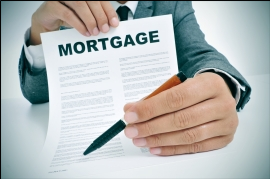
Using leverage-borrowing funds to increase the potential return on investment-is a common practice in real estate investing. However, it’s essential to approach financing strategically and responsibly. Evaluate different mortgage options and choose one that aligns with your investment goals and financial situation. Be mindful of the interest rates, loan terms, and any potential penalties or fees associated with the loan.

While leveraging can amplify your returns, it also introduces additional risks. It’s crucial to clearly understand your cash flow and maintain a financial buffer to cover mortgage payments during vacancies or in case of unexpected maintenance issues.

5. Consider Exclusive Investment Opportunities

Consider properties in upcoming, sought-after locations for a unique and promising investment. One such opportunity lies within Minami Residences. These residences offer a blend of luxury, convenience, and accessibility that appeals to discerning investors and tenants alike. Situated along Arnaldo Highway in General Trias, Cavite, Minami Residences features a nature-inspired community with world-class amenities and a strategic location near the CALAX Open Canal exit.

Final Words

Real estate investment is a nuanced and multifaceted endeavor that requires strategic planning, continuous learning, and a keen eye for opportunity. By understanding your investment goals, educating yourself, selecting the right location, using financing wisely, and considering exclusive opportunities, you position yourself for success in the competitive real estate market. With diligence and commitment, real estate investment can indeed become a cornerstone of your financial portfolio, providing you with a resilient source of income and wealth accumulation over time.

Contributed Post.

If you like what you’ve read here, please let others know of this post, blog, and site.

And thanks for reading!  🙂

Unknown's avatar

Improving the Home Before Selling: The Minor Improvements

  • Boost your home’s sale value by addressing minor improvements, enhancing curb appeal, and updating fixtures.
  • To bolster initial impressions, exterior enhancements include landscaping, lighting, paintwork, and door/window treatments.
  • Interior upgrades involve refreshing walls, updating fixtures, enhancing floors, and refreshing kitchens and bathrooms.
  • Ensuring proper maintenance and repairs, particularly for the electrical and plumbing systems, is crucial for functionality.

Many homeowners are often disappointed by the initial selling value of their homes due to various factors. One common reason is the presence of minor defects that may have been overlooked but can significantly decrease the home’s overall appeal to potential buyers. For instance, outdated fixtures, peeling paint, or unappealing landscaping can create a negative impression, reducing the property’s perceived value.

According to the National Association of Realtors, homes with such issues sell for 10% less than comparable, well-maintained properties. Furthermore, a study by Zillow found that homes requiring minor improvements took an average of two weeks to sell compared to homes in good condition. This underlines the importance of addressing minor home improvements before listing a property for sale.

However, you might not know what to do when making these improvements. Fortunately, you can do many simple tasks that don’t require a significant investment of time or money. Here are some tips for improving your home before putting it on the market:

Exterior Improvements

Curb appeal is the first impression prospective buyers get of your home. It is the aesthetic charm your house presents when viewed from the street and can be a significant factor in attracting or deterring potential buyers. A well-maintained front yard, clean windows, and an inviting entrance can increase your home’s perceived value and attract higher offers.

Landscaping

Start with essential yard maintenance. Trim overgrown bushes, mow the lawn regularly, and remove weeds from flower beds. Consider investing in colorful annual flowers or potted plants to add vibrancy and life to your yard. Also, make sure walkways and driveways are clean and free of clutter.

Outdoor Lighting

Good outdoor lighting can enhance your home’s curb appeal, especially for potential buyers who drive by in the evening. Illuminate the walkway to your front door with path lights, and consider installing low-voltage landscape lighting to highlight architectural features or attractive plants. Lighting adds a sense of security and warmth to the property, making it more appealing to potential buyers.

Exterior Paint

Repainting the exterior of your home is one of the most cost-effective upgrades you can do. Use good quality paint that will last longer, and choose a neutral color that won’t clash with the property’s surroundings.

Door and Window Treatments

Your home’s front door and windows are essential for creating curb appeal. Consider updating your window treatments with new shades or blinds, but avoid net curtains, as they give off a dated look. Alternatives to window net curtains are available, making them priority changes when improving home value. Additionally, make sure the front door is in good condition and repaint it if necessary. Consider adding a new handle and knocker to give your front entrance an extra touch of personality. Wooden shutters would be an attractive alternative for modernizing the property’s façade. Also, make sure to oil any squeaky hinges on the front door.

Interior Improvements

Minor interior improvements can significantly increase your home’s selling value by creating a more modern, functional, and inviting environment. Potential buyers often visualize themselves living in the space, so anything that enhances its comfort, aesthetics, or usability can influence their perception of the home’s worth.

Refreshing the Walls

Repainting the interior walls can make a significant difference. Fresh, neutral colors make rooms appear larger, brighter, and more appealing to a broad range of buyers. Additionally, repairing any minor wall damages like dents, holes, or cracks before painting can help to create a more polished look.

Updating Fixtures and Fittings

Updating old or outdated fixtures and fittings can enhance your home’s appeal. Consider replacing dated light fixtures, faucets, doorknobs, or cabinet handles with modern designs. These little touches can transform your home’s overall look and feel without requiring a substantial investment.

Floor Enhancements

If your home has worn-out or stained carpeting, consider replacing it. Hardwood floors are popular among buyers due to their durability and timeless appeal. If hardwood isn’t an option, consider laminate or vinyl flooring, which can mimic the look of natural wood. If your floors are in good condition, cleaning them thoroughly adds shine and enhances their appearance.

Kitchen and Bathroom Upgrades

The kitchen and bathrooms often make or break a sale. Simple upgrades like re-caulking around the sinks, tubs, and showers or replacing old and discolored tiles can make these spaces more attractive. Consider painting the cabinets or swapping out the hardware in the kitchen for a quick and affordable refresh.

Maintenance and Repairs

Functionality is as important as aesthetics in any home. Doing repairs and maintenance can help your property stand out from the competition and increase its selling value.

Electrical Work

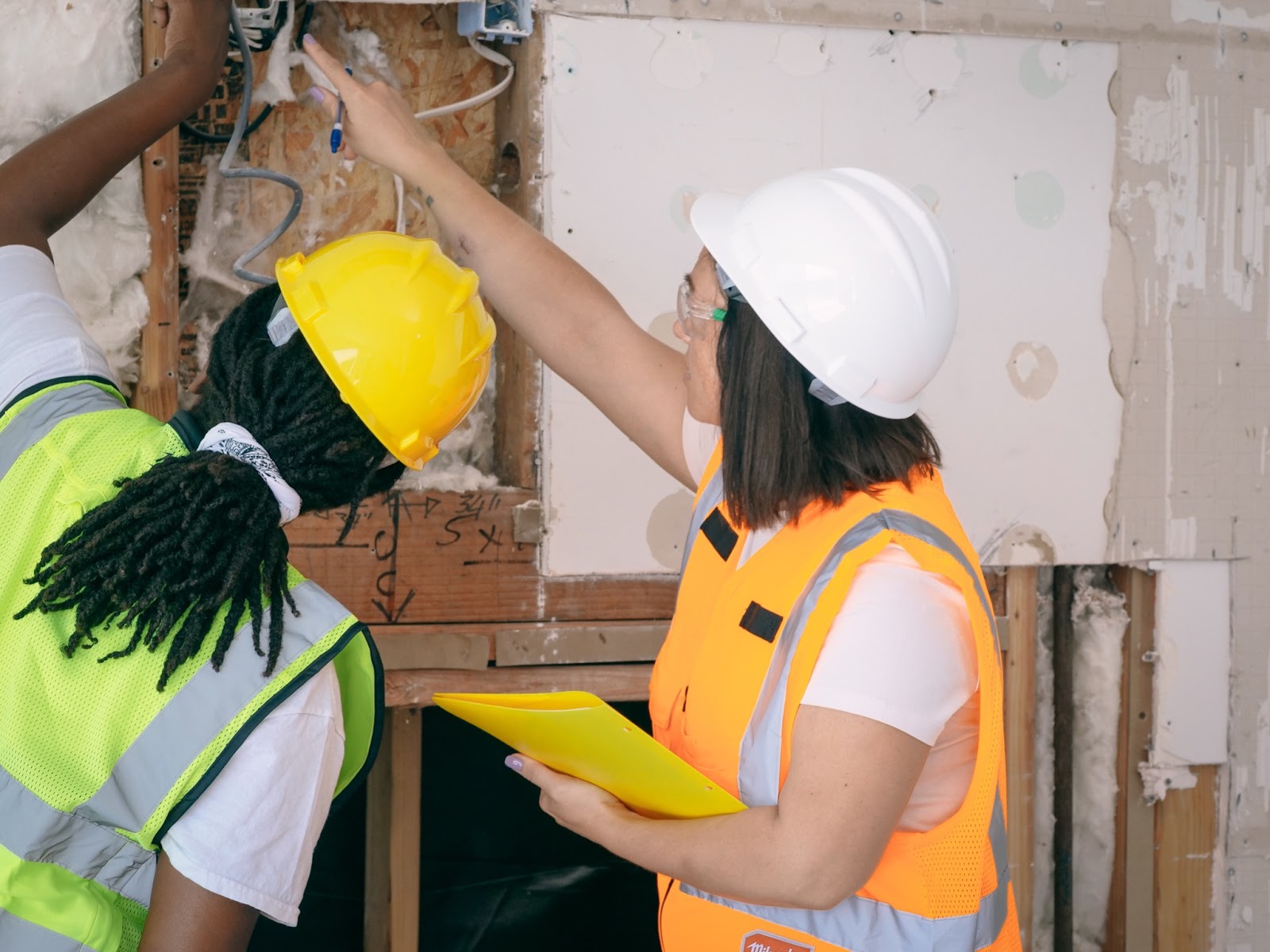
Ensuring all outlets are working correctly, replacing old light switches, and checking smoke alarms are essential for safety reasons. Add extra electrical outlets or dimmer switches to create a more inviting ambiance. Additionally, having an electrician inspect the wiring for potential safety hazards is always a good idea.

Plumbing System

Checking the plumbing system and replacing old pipes is one of the most critical maintenance tasks before listing your home. If there are any leaking taps or blocked drains, they should be fixed immediately. Also, check for any signs of water damage and assess the water heater’s condition.

Final Thoughts

Making minor improvements to your home before listing it on the market can make a massive difference in attracting buyers and getting top dollar for your property. From exterior landscaping to interior painting, investing time and effort into upgrading your home can pay off big time when you sell. Consider hiring a professional home inspector or real estate agent to help you assess what needs attention and advise you on the most cost-effective upgrades. With some careful planning and some elbow grease, you can increase the selling value of your home and ensure you get top dollar for it.

Contributed Post.

If you like what you’ve read here, please let others know of this post, blog, and site.

And thanks for reading!  🙂
Unknown's avatar

5 Factors That Affect Your Chances of Owning a Home

Purchasing a home is a significant financial investment. That said, make sure you’re ready to be a homeowner before you start looking for properties or comparing one mortgage quote with another. Let’s take a look at some of the things that both lenders and homeowners should think about.

Earnings and employment status

Image credit 

Your lender isn’t only interested in knowing how much money you make. They’ll also want to review your job history to ensure that your income is regular and reliable. Getting the correct papers to demonstrate consistent employment is the key to preparing your income. You’ll probably only need to supply recent pay stubs and W-2s if you’re on the payroll. On the other hand, if you’re self-employed, you’ll need to produce your tax returns and other documentation that the lender asks for.

Liquid assets

You’ll still need liquid assets to fund your home purchase, even if you have a mortgage. These include the following.

  • Down payment: While it is possible to buy a home with no money down, most homeowners will require some cash for a down payment. The amount of money you’ll need for a down payment is determined by the sort of loan you take out. You can purchase a property with as little as a 3% down payment, though there are benefits to putting down more. 
  • Closing fees: Before you move into your new house, you’ll need to pay for closing costs. Closing costs are the prices you pay to your lender and any third parties in exchange for your loan being created. The amount you’ll pay can vary depending on where you live and the type of loan you have. It’s a good idea to budget for 3% to 6% of your home’s value in closing fees. Part of it may be rolled into your mortgage or reimbursed by the seller via seller financing.

Credit score

Your credit score significantly impacts the types of loans and interest rates you are eligible for. Lenders use your credit score to estimate how risky it is to lend money to you. As you prepare to secure a mortgage, taking actions to enhance your credit score can benefit you significantly. Better numbers imply more favorable lending terms and lower interest rates. What credit score will you need to get a home loan? To qualify, most lenders require a credit score of at least 620. A credit score of 720 or higher will usually earn you the most acceptable loan terms.

Commitment to living in a single location

A mortgage can be a long-term commitment of up to 30 years. Even if you don’t have to live in your house for the duration of your loan, it’s still a huge decision. It’s harder to relocate when you own a property. Unless you’re buying a second house, you’ll probably have to sell your present one first, which can take a long time. Determine whether you’re prepared to stay in your current location for at least another few years. Take into account your job objectives, family duties, and other factors. Each of these considerations will significantly impact the style of home you purchase and the location of your primary residence.

Timing 

Image credit 

A suitable time to buy a house is determined by personal characteristics (such as financial readiness and lifestyle preferences) and market conditions (such as current mortgage rates). In the end, the best timing to buy a house is determined by your circumstances. Before making any significant financial decisions, such as purchasing a home, seek advice from a financial specialist.

Contributed Post.

If you like what you’ve read here, please let others know of this post, blog, and site.

And thanks for reading!  🙂

Unknown's avatar

How to Find the Best Home Property for Your Family

  • Determine your budget and consider other costs such as property taxes, mortgage payments, insurance, and maintenance.
  • Work with a reputable real estate agent with experience in the specifications you’re looking for.
  • Consider your family’s needs and think about how they may change in the future.
  • Look for a home property in an area with access to convenient locations such as shopping centers and restaurants.
  • Get a home inspection and pest inspection if necessary.

Finding the perfect home for your family can be a daunting task. With so many options available, it can feel overwhelming to find that one ideal property to call your own. However, the search can be easier if you know what to look for. This article will discuss the top tips when searching for a home property for your family.

1. Determine your budget

Determining your budget is the first step to finding the right home property. Determine how much you can afford to spend on a home and stick to your budget. It’s important to remember that the home’s purchase price is not the only cost you’ll have to account for. Here are other costs to consider when budgeting for a home property:

a. Property taxes

Due to the tax reforms, many areas nationwide have changed their property taxes. Make sure you factor in these changes when budgeting for a home. You should also remember that property taxes can rise as the value of the home increases.

b. Mortgage payments

In addition to the home’s purchase price, you must account for the mortgage payments. Research mortgage packages and options to pick the best one for your budget.

c. Insurance

Homeowner’s insurance can help protect your home and family from unforeseen damages or injuries. Research different insurance providers and compare their rates before settling on an option.

d. Maintenance

Your new home will require regular maintenance and upkeep. Be sure to factor in the costs of any necessary repairs, renovations, or upgrades when budgeting for a home property. You may also consider setting aside money for regular maintenance and cleaning.

2. Work with a reputable real estate agent

You want to work with a real estate agent who has experience in the area you’re looking for and is knowledgeable about local market trends. Ask for recommendations from friends or family who’ve recently purchased a home in the same area. A good real estate agent will help you find the best property for your budget and assist you through the process of closing.

It is also wise to know what to ask your real estate agent. Ensure you understand the home’s details, such as any potential issues with plumbing or electrical systems and any necessary renovations. By asking the right questions, you can be sure you’re making an informed decision.

3. Consider your family’s needs

Do you need a large backyard for your children to play in? Do you want a home that’s close to schools and parks? Do you need a home office? Determine your family’s needs and keep them in mind as you search for homes. If you need more space, you may want to look for a property that has the potential to be expanded. This could be a great way to get the home you want without spending extra.

You should also think about how your needs may change in the future. If you plan to have more children, look for a home that can accommodate an extra bedroom. If you’re an aspiring home chef, consider a kitchen with plenty of counter space for meal prep. Always think ahead to ensure you get the most out of your new home.

4. Look for the right location

The location of a home is just as important as the home itself. Consider the quality of the schools in the area, the crime rate, and the availability of public transportation. Don’t forget to consider the commute time to work and other daily activities. Many families also prefer finding a home in an area that offers access to amenities such as shopping centers and restaurants. Analyze the surrounding area to ensure it meets your family’s needs and expectations.

5. Get a home inspection

When you find a good property, ensure you get a home inspection. Home inspections can uncover potential problems with the home that you may not have noticed on your own. This will help you make an informed decision about whether to move forward with the purchase or not. You may also want to opt for a pest inspection if you live in an area prone to pests.

Finding the perfect home property for your family can be time-consuming, but it’s worth it in the end. By following these tips, you can make the search easier and find a home that your family will love for years to come. Remember to prioritize your family’s needs, work with a reputable real estate agent, and get a home inspection before making final decisions. With the right preparation and research, you can find the perfect home property for your family.

Contributed Post.

If you like what you’ve read here, please let others know of this post, blog, and site.

And thanks for reading!  🙂

Unknown's avatar

Buying An Old House? 3 Precautions To Remember

Buying An Old House? 3 Precautions To Remember

Old homes hold character, charm, and history, making them a preferred choice among many homebuyers. A downside, however, is the potential challenges they present. Remember that buying an old property usually means taking up the cost of extensive repairs, replacements, and inspections to restore its value. According to data, foundation repairs on an old house range between $20,000 and $30,000, which is only one aspect you must take care of on the old property. Are you considering buying an old house? Here are some precautions to keep in mind.

  1. Get a thorough home inspection

Image Credit

Home inspections are an essential step when buying a property. Conducting checks on every aspect of the building ensures it’s safe for habitation. Housing reports indicate that many potential homeowners who conducted these inspections were spared the headache of purchasing a property that may cause problems later. It is no different when you’re interested in an old property. It is even more crucial to do these checks on an old house. Safety risks are heightened with such property, and it’s important to do the needful to avoid compromising your health and that of other house occupants. These inspections include getting a detailed report on the identified problems. An outdated electrical system, leaky roof, and problematic plumbing must be attended to. The information gathered will provide enough background to what must be done to bring the property up to local codes and safety standards. It is worth noting that repairs on old houses are not to be treated as DIY projects. Contacting a professional contractor to take it up for the best results would be wise.

  1. Consider the condition of the property’s outdoor areas

Many old homes have spacious outdoor areas. As exciting as this may be, as it allows you to make the most of available space, it could pose a safety risk. For instance, being an old house, the possibility of a weakened deck substructure raises safety concerns. Do you see signs of pest invasion on the immediate land around the old property, such as chewed parts of the wooden deck? It may be an obvious sign of wood beetles and termites. Perhaps, the compromised deck has nothing to do with pests but is due to deterioration, having been exposed to the elements for a long time. Your safest bet would be to have professionals carry out deck replacement on the property to ensure safety and allow you to enjoy your outdoor space alone or with loved ones when you finally buy the property.

  1. Be certain of renovation costs

Image Credit

Sometimes, buying an old property may not be worthwhile if the cost of repairs and renovations exceeds the purchase price. Despite that, certain indicators may compel you to still go for it. For example, if you have the financial resources to foot the total cost of renovations of an old house, expensive repairs may not deter you. Also, you may be emotionally attached to the old home because of its history, which can be a powerful influence that makes you want to pay for all the work needed. Whether you can afford these costs or not, getting estimates from at least three contractors is vital. The idea is to compare bids to see who offers the most value in terms of cost and the detailed work to be done. It is very tempting to choose the cheapest estimate as a cost-cutting measure. However, it would be best to remember that cheap things can cost you more than you ever imagined in the long run. A house is one the biggest investments you’ll ever make, so it’s essential to assess all costs to help you make the best decision and get value for money. 

Contributed Post.

If you like what you’ve read here, please let others know of this post, blog, and site.

And thanks for reading!  🙂

Unknown's avatar

Boosting Your Rental Home’s Value With Patio Improvements

  • Upgrade the roofing around the patio for better insulation and increased usability in harsh weather.
  • Improve utilities by adding seating and installing outdoor lighting to make the area more inviting.
  • Include a fire pit or outdoor fireplace for ambiance, warmth, and improved aesthetics.
  • Create an area rug to bring cohesion to the elements in the space and create an inviting atmosphere.

With the rental market continuing to be competitive, landlords need to make sure their property stands out from the rest. One way to do that is by sprucing up your patio and making it an attractive feature for potential buyers.

There are many ways you can improve your patio and increase rental home value. With some creativity and elbow grease, you can transform your outdoor living space into a beautiful oasis that will add real estate value to your rental home. Here are some tips on upgrading your patio and increasing its appeal in today’s market.

Upgrade the Roofing

Upgrading the roofing around your patio is a great way to increase a rental home’s value while making it more comfortable and usable as a living space. Insulated roofing will withstand harsh weather, last longer, and provide better energy efficiency.

Knowing the cost of insulated patio roofing before upgrading is essential so that repairs fit within budget constraints. Replacing shoddy existing roofing with high-quality insulated materials can directly improve the overall value of any rental home and give the landlord much greater use of their outdoor living space than an uncovered patio.

Improve on Utilities

Here are some ways you can improve on utilities for your patio:

Add Seating

Adding seating to improve a patio can effectively increase the value of a rental home. It is essential to consider the space’s function and how it aesthetically appears. To make it inviting, incorporate comfortable cushions and cozy throws for cool nights. Choose chairs with weather-resistant materials, such as plastic or resin.

When selecting furniture, remember that bigger is better – it’s easy to move pieces around but more difficult (and more costly!) to replace them if they are too small for the space. Installing outdoor lighting is also a great way to add ambiance and boost the appeal of a patio, which can ultimately increase its rental home value.

Include a Fire Pit or Outdoor Fireplace

Installing a fire pit or outdoor fireplace to your patio is an incredible way to add value and appeal to your rental home. This improves the look and feel of your rental home and creates a safe and cozy space for friends and family to socialize. However, fire feature installation must be conducted properly to ensure safety and long-lasting investment.

The appropriate permits should be acquired from local city regulations before studying the building’s electrical, gas, and waterworks requirements. Professional contractors should also be hired to help build the right size, shape, and style extension and ensure all necessary components are included, like drainage, quality hearths, fire linings, etc.

Create an Area Rug

Creating an area rug for your patio is a great way to increase your rental home’s value while also improving its overall look and feel. Not only will this transform the space and make it more inviting, but an area rug brings cohesion to the elements it touches, such as furniture and decorations.

When choosing a rug, there are certain things to consider, such as the size and the material. For example, if you have a large patio with multiple seating arrangements, then you’ll want to choose a larger-size area rug that can be adjusted to fit within all of these areas. As far as materials, natural fibers tend to better withstand weather and wear than synthetic ones so they may be worth considering if your patio will receive plenty of sun or foot traffic.

Install Lighting

Properly planned and correctly installed lighting can greatly enhance the nighttime ambiance of any outdoor space, making it more appealing and inviting.

Strategically placed lights can create a safer environment and draw attention to architecture or landscaping features that may otherwise be missed.

Even low-voltage systems can have a significant impact if properly designed, with areas illuminated and dimmed to feature certain elements.

Utilize Colorful Planters with Flowers and Greenery

Adding some simple decor and color to a patio through the use of colorful planters with flowers and greenery discounts can be a great way to dramatically improve your rental home’s aesthetic. Not only do these additions provide a visually pleasing element, but they also add value to the rental home when the time comes for a potential sale.

Using bright flower pots in different sizes and heights is an easy way to bring life and character to any patio.

The contrast of color between the blooms and shade of green from plants or vines, in addition to general textures, will also play a role in creating a pleasant visual aesthetic you’ll enjoy every time you step outside. Enhancing your outdoor space through colorful planters with flowers and greenery will greatly benefit you both now and later.

By making these simple upgrades to your patio, you can easily boost the value of your rental property! With a creative eye, some extra effort, and well-thought-out planning, you can easily craft your outdoor living space into an inviting oasis that will undoubtedly increase the value of your rental property.

Contributed Post.

If you like what you’ve read here, please let others know of this post, blog, and site.

And thanks for reading!  🙂

Unknown's avatar

Good Reasons To Consider Living in a Mobile Home

Have you ever considered living in a mobile home? These manufactured homes are prefabricated housing units that are designed to be easy to transport and maintain. They’re often used for semi-permanent housing, but there are also many mobile home communities that exist around the country that are designed for these homes. While it can seem strange living in a mobile home compared to a regular house, there are actually a number of good reasons why you should consider it as a lifestyle choice.

Source: https://unsplash.com/photos/SdBgm3n_aRc (CC0)

Mobile homes are surprisingly affordable

Mobile homes are generally much more affordable than traditional homes, making them a great option for those who want to live on a smaller budget. You get all the amenities of a regular house but in a condensed form. Building mobile homes is also a lot easier and faster than a regular house, hence why they’re so affordable.

Mobile homes can offer lots of flexibility

Mobile homes are also flexible in how they can be used, where they are placed, and can even be changed and modified to your liking. Because of their modularity, it’s also possible to use services like Top Notch Mobile Home Services to easily repair them, fix foundation issues, and even perform renovations. So if you’re looking for a flexible home that adapts to your needs, there’s no better choice than a mobile home.

Mobile homes are often more energy efficient

Many modern mobile homes are built with energy-efficient features that can help you save money on your monthly utility bills. For example, they’re fitted with energy-efficient doors and windows, and they have insulation around the structure which can help keep the home warm during the winter. This results in a surprisingly eco-friendly home.

Mobile homes offer community living benefits

Many mobile home parks offer a sense of community. They often feature amenities like pools, playgrounds, and even social events that can help you build relationships with your neighbors. This is great for people who are looking to live in a friendly and welcoming community, or just want a departure from typical urban living standards where you might not even know your neighbor for years.

Mobile homes can be more accessible

Mobile homes are often built with accessibility in mind, making them a great option for people with disabilities or mobility issues. It’s also easy to renovate mobile homes in the event that you want to add more accessibility features to them. A mobile home is also typically just a single floor, meaning there are no stairs or other obstructions.

Mobile homes promote a minimalist lifestyle

Living in a mobile home can encourage a minimalist lifestyle. It helps you learn what it means to live comfortably, and it assists you in shedding unneeded possessions. This could help you transform your lifestyle, helping you to embrace a future where you don’t need to travel or move with lots of different items. It also means you can live more affordably by only focusing on the most important things in your life.

Contributed Post.

If you like what you’ve read here, please let others know of this post, blog, and site.

And thanks for reading!  :

Unknown's avatar

Preserve The Value Of Your Home

Are you interested in preserving the value of your home? There are numerous steps that you can take here which may also increase the value overtime. Here are the options we recommend. 

Pexels CCO License

Look After Your Floors 

One of the first things you can do if you are wanting to look after your home and preserve its value is look after the flooring. You may have the original floors from when you moved in or you could have changed it along the way. Regardless of the type of flooring you have, if you keep it looking as good as new then buyers will be more interested in buying your home when the time comes. If you have carpets throughout your home then you will need to vacuum regularly and shampoo them as well. If you have hardwood floors these are much easier to look after, all you need to do is sweep, mop, and steam them to keep them fresh. You can also wax these to keep them looking shiny and new. Take a look at floor wax for hardwood to find the best one for you.

Fix Repairs As Soon As They Are Noticed 

Next, you should make sure that you are fixing any repairs around your property as soon as you notice them. If your home falls into a state of disrepair, then it’s all too easy for it to be viewed as a fixer upper and this is the last thing that you want when you are trying to sell your home. If you are worried about this, then we recommend that you do think about hiring a professional to complete any significant repair work. This does include issues with your roof. If these are not repaired without delays, then it can lead to further problems including damp and structural defects. 


Make The Necessary Updates 

You might also want to consider regularly updating your home in key areas. In doing so, you can ensure that your home never looks or feels outdated. This can be an issue with your property overtime and will eventually lead to you struggling to compete with some of the newer homes on the market. It’s worth noting that this does include all the design elements including the furniture. You need to update your furniture regularly even if you know it’s going to be removed once you leave the home. It will always impact how a buyer perceives a property. 

Consider Larger Changes 

Finally, you can consider making larger changes to your home to ensure that the value of the property increases. There are lots of options that you can explore here. For instance, you might want to think about completing a conversion or an extension in your home. This will impact the overall available floor space for your property and that will always change the actual value of your home. If you are completing more significant alterations of the property like this, then it does need to reach the right standards. It has to reflect the same quality build as the rest of your home. 

We hope this helps you understand some of the key steps that you can take to preserve the value of your property and why this is important when you are thinking in terms of a future sale.

Contributed Post.

If you like what you’ve read here, please let others know of this post, blog, and site.

And thanks for reading!  🙂

Unknown's avatar

7 Tips for Making Your Real Estate Project a Success

Photo by David McBee from Pexels

Real estate can be a lucrative investment, but it can also be a risky one. Whether you’re a first-time investor or an experienced developer, there are specific steps you can take to increase the chances of success for your real estate project. 

From conducting thorough research to utilizing technology, these tips will help you navigate the complex world of real estate and increase your chances of success.

  1. Conduct Thorough Research 

Before you even begin looking for a property, you must conduct thorough research on the area you’re interested in. This includes researching the local economy, demographics, and real estate market trends. Look at things like population growth, job growth, and the average income of residents in the area. This information will give you a better understanding of the demand for housing and help you identify potential areas for growth.

2. Learn from the Pros 

Another critical step in making your real estate project a success is learning from professionals in the industry. This includes real estate agents, developers, architects, and contractors.  

For example, you can find information online from real estate professionals such as David DeQuattro, who can provide insight due to their experience in the field. These experts have the knowledge and expertise to help guide you through the process and can provide valuable insights into the local market. They can also help you identify potential issues and offer solutions to help you avoid costly mistakes.

3. Have a Solid Business Plan 

A solid business plan is essential to the success of any real estate project. This plan should include a detailed budget, projected cash flow, and a marketing plan. The budget should include all costs associated with the project, including the purchase price, closing costs, and renovation costs. The projected cash flow should outline the expected income and expenses for the project. And the marketing plan should detail how you plan to market and promote the property to potential buyers or renters.

4. Utilize Technology 

Technology is becoming increasingly crucial for businesses and especially has a huge role in the future of real estate. From virtual tours to online marketing, technology can help you reach a wider audience and streamline the process. Utilizing technology can also help you stay organized, keep track of leads, and communicate with other professionals involved in the project.

5. Location, Location, Location 

One of the essential factors in any real estate project is location. A property in a prime location will be more desirable to buyers and renters and will likely appreciate in value more quickly than a property in a less desirable location. Look for properties in areas with strong job growth, good schools, and low crime rates.

6. Have a Contingency Plan 

No matter how well you plan, things can always go wrong with a real estate project. That’s why it’s crucial to have a contingency plan in place. This plan should include a way to handle unexpected expenses, delays in construction, and changes in market conditions. Having a contingency plan in place will help you stay on track and minimize any potential losses.

7. Don’t Be Afraid to Walk Away 

Finally, don’t be afraid to walk away from a deal if it doesn’t make sense financially. Real estate can be a volatile market, and there will always be other opportunities. It’s better to walk away from a bad deal than to lose money on a project that isn’t going to be successful.

Conclusion

Real estate can be a challenging but also rewarding investment. By conducting thorough research, learning from professionals, having a solid business plan, utilizing technology, considering location, having a contingency plan, and being willing to walk away from a bad deal, you can increase your chances of success for your real estate project. Remember that success in real estate takes time and patience, but by following these tips, you will be well on your way to achieving your goals.

Contributed Post.

If you like what you’ve read here, please let others know of this post, blog, and site.

And thanks for reading!  🙂

Unknown's avatar

3 Ways To Find The Perfect Rental

Image Credit: PIRO4D from Pixabay.

Looking for an apartment isn’t the most stress-free process. You’ll be looking for somewhere to live, after all, which can be stressful in itself. Add in the countless rentals you’ll tour, put an offer on, and possibly be rejected from, and it’s easy to feel worse and worse as the process drags on.

You’ll need to know how to find the perfect rental while making sure you can get it. Minimizing all the stress you’ll usually have to deal with will be essential to this. Thankfully, three practical tips are more than helpful with this.

How To Find The Perfect Rental: 3 Top Tips

1. Ask For A 13-Month Lease

It’s not uncommon to find yourself in a competitive rental market. You’ll need to do something to make yourself stand out among other potential renters. That doesn’t always mean offering more money for the apartment.

While that could be an option, your budget could make this unaffordable. If you’re set on renting the apartment for the long-term, it could be worth asking for a 13-month lease, or even longer.

It shows your potential landlord that you’re serious about staying there, and that you’re not likely to break the lease anytime soon. It makes your offer more appealing.

2. Look Online

You’ll need to start your apartment hunt somewhere, even if you’ve narrowed it down to apartments for rent East Greenbush NY. Taking your search online lets you find more options than you thought there’d be, while being able to narrow them down depending on your preferences.

Doing this reduces the amount of time you’ll need to spend touring apartments. You can limit yourself to ones you’re actually interested in, saving you a lot of time and hassle. Even if you’ve got a tight budget, you can find apartments that fit this.

3. Use A Broker

Real estate brokers are usually only thought of when buying and selling homes. While these can be the most common professionals in the industry, there are also brokers that specialize in rentals. Using one of these can make the process much easier for you.

Using one of these lets you access quite a few rental listings that you otherwise mightn’t be able to see. They can also help you with negotiations and similar factors when you’re trying to rent a property.

All of this should come at no charge to you, as they’re typically paid by the property owners. It’s an easy and stress-free way to find the perfect rental.

How To Find The Perfect Rental: Wrapping Up

If you don’t know how to find the perfect rental and secure it for you, it can be a stressful and daunting process. By using a broker, having a look online, and even asking for a longer lease than other apartment hunters, you can make it much easier for yourself.

While there’ll still be some time and effort involved, you shouldn’t need to deal with as many of the headaches as you thought you would. There’s nothing stopping you from finding the perfect apartment.

Contributed Post.

If you like what you’ve read here, please let others know of this post, blog, and site.

And thanks for reading!  🙂