Unknown's avatar

3 Unconventional Ways to Improve Your Health

Image via Pixabay

When you think of “improving your health,” there are likely a few core concepts that jump straight to mind.

First and foremost, everyone knows that in order to be healthy it’s important to get plenty of exercise. So, that might mean regular treadmill sessions at the gym, laps in the swimming pool, and a commitment to cycling to work instead of driving.

Then, it’s also pretty common knowledge that eating a balanced diet with plenty of fruit and veg is essential for maintaining optimal health, so in your mission to be a healthier you will inevitably include things like tailored meal plans, and green smoothies, and “an apple a day.”

All of that stuff is great – essential, even – but there are also some lesser-known and more unconventional ways you can go about improving your health.

Here are a few of those ways.


  • Get genetically tested for disease susceptibility


Not everyone is equally as susceptible to every health condition. Some people have certain genetic predispositions to diseases that you can’t determine through a regular checkup.

In some cases, these genetic predispositions will vary according to race and ethnicity, but sometimes they will be all your own, and there will be nothing obvious to suggest that you are in a higher risk band.

In order to detect and counteract any of these unfortunate conditions, you could consider getting genetically tested for disease susceptibility.

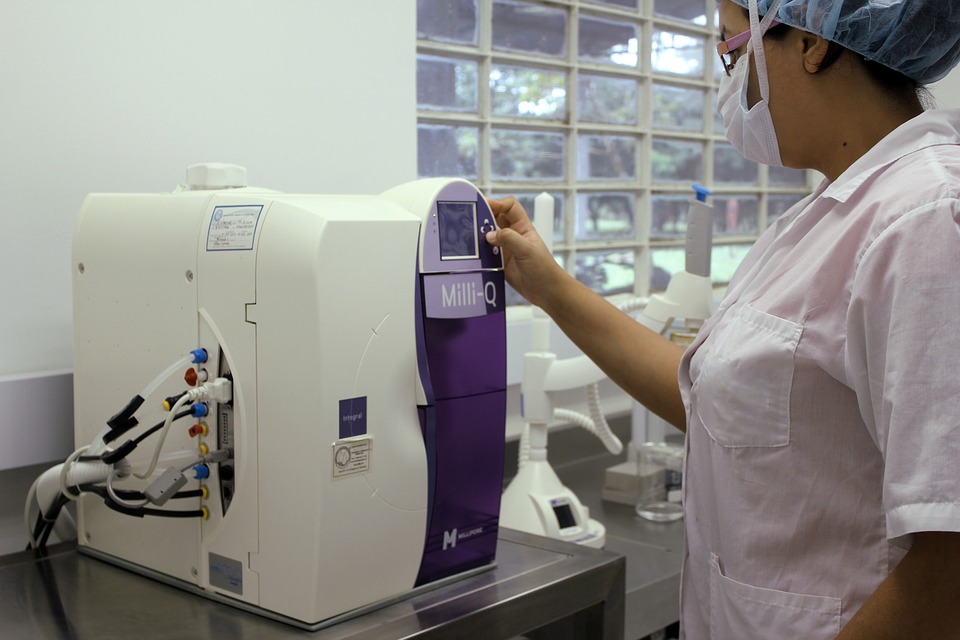
A researcher using a chip SEQ kit might be able to help you out here, and various commercial companies offer genetic screening for various diseases.

Of course, you should be careful who you release your genetic data to, and shouldn’t expect  that every disease can be detected through such a procedure. But it’s something to consider, anyway.


  • Practice breathing exercises


Breathing is easy, right? We all do it automatically, from birth, and that’s just all there is to it.

In fact, though, there are certain health and fitness gurus who argue that there is more to the art of breathing than that.

The medical marvel and daredevil, Wim Hof, for example, uses a specific breathing exercise in order to allow him to withstand incredible degrees of cold, and also to take conscious control of his immune system. That sounds like nonsense, but there are actually studies that have been done on him by reputable institutions that confirm it.

There are a lot of different types of breathing exercises out there. It may be worth investigating a few of them on your quest to boost your health.


  • Go for periods of time without eating


All right, so this is slightly dangerous advice, and of course it’s important to mention that you shouldn’t take it too far.

Nonetheless, there is ample research suggesting that occasional (not excessive) fasting – as in, going without food for set periods of time – can work wonders for your health.

Among other things, fasting helps to regulate blood sugar levels, and engages a process in your body known as “autophagy.”

Autophagy is, simply, a “recycling” process, where your body breaks down and consumes damaged cellular tissue, and regenerates new, healthier cells.

Contributed Post.

If you like what you’ve read here, please let others know of this post, blog, and site.

And thanks for reading!  🙂

Unknown's avatar

How To Stay At Your Active Best As You Age

There’s much to love about growing older. You learn more about yourself, about other people, about the world in general. You come to understand that life, while it has its downsides, is overall a pretty spectacular journey to be on. But while there might be a lot of personal, mental, and spiritual growth as you age, there are some areas that seem to be in decline: your physical side. Our mind can get sharper, but our bodies begin to slow down. Not fair! The good news is that this isn’t just something that we have to accept. If we want to stay active as we age, then we can — but we need to take control of it, and take steps to make sure it happens. Below, we take a look at a few tried and tested tips that’ll have you up, moving, and active, no matter how old you are.

Source: Pexels.com

Get Moving

The most powerful acts are usually the most simple. If you want to be active, then there are few things better you can do that to just get moving. If you live with a mindset that encourages you to take the stairs rather than the elevator, to sometimes walk instead of drive, and all-around be more mobile, then you’ll find that you’re able to keep the big issues — the ones that lead to decreased mobility and activity — at bay.

Review Your Lifestyle

There’s an element of genetics at play when it comes to how much we’re able to move as we age. But really, some people use that as an excuse. In fact, it’s more likely that a person’s lifestyle will influence their level of activity, rather than anything that’s hardwired in their body. So if you want to stay active in your later years, then you need to start reviewing your lifestyle. Drinking too much alcohol, will eventually catch up with you — it has a huge influence on the quality of a person’s later years. Similarly, if your current lifestyle involves sitting down too much, you’ll find it harder to get up and active as you age. Life can be tiring, but make sure you’re not giving in to its demands and spending too much sat down on the couch.

New Hobbies

It seems that most people are naturally active when they’re younger. They effortlessly slip into playing a sport, or hiking, and the like. But there comes a point, usually after their mid-twenties, when these things start to fade away. They put their energy into other things, and their past, more active hobbies take a backseat. Before they know it, they don’t have any sweat-inducing hobbies that they regularly do! It’s never too late to change that, however. If you can’t currently point at any activities that get your heart rate up, look at picking one up. There’s no shortage of awesome options out there! Give them a go, and you never know where it’ll lead you.

Handling Injuries

Of course, it’s not always possible to pick up a new physical activity, especially if you have an injury. There are plenty of people who lead active lifestyles, until they suffered an injury. But it’s important to remember that while these things are frustrating, they’re not things you just have to accept. You can get help to overcome the pain with Precision Sports Physical Therapy, and get back to peak physical condition. One injury can have a seriously detrimental effect on your lifestyle if it’s left untreated. Don’t fall into an inactive lifestyle all because of a bad knee!  

Maintaining the Body

Even if you don’t suffer from one specific injury, the general wear and tear of life can bring your levels of activity down. As such, it’s a good idea to take preventative measures, which will help keep those slight aches and pains at bay, and keep your body in overall tip-top condition. One of the best ways to do this is to practice yoga, which will keep those limbs limber and your body strong. If you’ve never done it, it’s a good idea to join a class, as it’s important that you do things correctly. At the end of the class, you’ll be walking on air, we promise.

Source: Pexels.com

Set Targets

If you’re just relying on your inner motivation to stay active, then there’ll come the point when you slow down. Something else will come up, and you’ll forget all about it. One way to stay on top of your active lifestyle is to set targets — you might say that you’re going to run a half-marathon, or go on a multi-day hike every month, or anything else. Whatever you need, essentially, in order to keep your quest to be active at the forefront of your mind.

Regular Checkups

Your doctor will be a great ally in your quest to stay healthy and active. Make a habit of getting regular check-ups — they’ll be able to tell you the things you need to do more/less of in order to stay at your best. Don’t underestimate how important they are!

Find a Group

You might struggle to always stay active if you’re just trying to do everything by yourself. As such, why not look at finding a group with whom you get active? You’ll be more inclined to get out of the house on those rainy days if you know you have friends waiting for you on the other side of the door.

In the Outdoors

The lure of visiting a dark and grim gym multiple days a week may not be all that appealing, and that’s understandable. Instead, why not get your fill from the great outdoors instead? You’ll be more inclined to keep your body ready for activity once you’ve experienced all the beauty and wonder of nature. You don’t necessarily need to take a trip to a National Park, either — you can also have some outdoor fun in your yard. Get into gardening, and you’ll be using your body just enough to be considered active. Plus, it’s also highly rewarding…

Stay Happy

Life can give us some pretty heavy blows. And when it does, we usually want to do little other than to stay wrapped up indoors, away from the world. But if we make this too much of our lifestyle, then we’re going to fall into a sedentary lifestyle. As such, one of the best ways to stay up and active is to simply make sure you’re feeling happy! Of course, this is usually easier said than done, right? Well, yes, but a lot of research has been done in recent years to determine what it is that makes people happy. Getting exercise, eating well, talking with others, and limiting the things that bring us down (such as alcohol/junk food) will all lead to a healthier state of mind.

In Control

Ultimately, it’s important to remember that your body is under your control, no-one else’s. If you don’t take care of your body, then it’ll fall into a state of disrepair — that’s just a fact! Moving forward, make a conscious effort to take care of your body. It’s usually when we begin living on autopilot that problems materialize.

Conclusion

Don’t fall into the trap of believing that your days as an active person has to come to an end just because you’re getting older. There are people in their eighties and nineties running marathons and climbing up mountains — they show what is possible! Look to them as inspiration, rather than around at other people your age.

Contributed Post.

If you like what you’ve read here, please let others know of this post, blog, and site.

And thanks for reading!  🙂

Unknown's avatar

Carb Cycling Guide for Athletes

Authored by Nate Martins •
January 9, 2019

10,080–that’s how many minutes are in a week. Maintaining a diet through all those minutes, for weeks or months, requires supreme, almost unwavering willpower.

Even The Rock doesn’t do it; his Sunday night cheat meals are stuff of legend, consisting of thousands of calories of his favorite food.

The social side of dieting is tough. It takes dedication to remain unmoved on a diet; happy hour invites, dinners out, work-sponsored lunches–saying “no” to all these are small wins on the battlefield of dieting. For a diet like the ketogenic diet, avoiding carbohydrates can feel like tip-toeing through a minefield of Western, carb-centric eating.

For athletes, it can be difficult because we rely so heavily on carbohydrates for fuel. Of course, there’s growing research about how to use bodily fat as a fuel source,1 but carbohydrates have been the gold standard exercise nutrition for years.

Carb cycling is planned consumption of different amounts of carbohydrates, usually throughout the week. Everyone can develop their own carb cycle based on need; for example, keto athletes might work in carb days during especially hard training blocks.

While carb cycling isn’t for everyone, it can be a great way to optimize a diet based on your personal needs.

What’s a Carb, Anyway?

There are three different types of macronutrient fuel sources in our food: fats, proteins and carbohydrates.

An image of an egg, granola, chicken and exogenous ketones to show the different ways the body uses fuel

The main function of dietary carbs is to be a source of energy. Some even argue they aren’t essential, and can be made from dietary protein and fat.2 This process is called gluconeogenesis, a metabolic pathway generating glucose from non-carbohydrate substrates.

Carbs (especially refined carbs) raise blood sugar, resulting in the body producing extra insulin to bring that blood sugar down. Insulin is a hormone that triggers fat storage–so more carbs means more insulin which means more conversion of carbs to fat stores.

As a fuel source, carbohydrates replenish glycogen stores in the muscle and liver. They also maintain blood glucose concentrations as fuel for the body, but also for the brain. That’s the spike in energy you experience after an afternoon stack, as blood glucose fluctuates throughout the day when we consume carbs.

Simply put, carbohydrates are the body’s most readily available fuel. But when we don’t use that fuel, carbohydrate manifest as fat.

When following a keto diet, lower carb intake is necessary (like 25g of carbs per day–the amount in a single banana). This encourages the body to burn fat and also to convert fat to ketones. Consuming carbohydrates causes insulin release, which inhibits ketone production in the liver.

Science Behind Carb Cycling

What is carb cycling, and why is it beneficial? Looking at the science can provide some clarity. Maybe a more accurate definition of carb cycling is carb manipulation.

The goal is to match the body’s need for glucose depending on activity or activity level overall.

High-Carb Days

High-carb days are usually matched with workouts when you might need more glucose–like high-intensity interval sessions or a long day in the weight room.

An image of a man at the gym showing how high-carb days can help performance

When you exercise at a high intensity, the body makes most of its energy from carbohydrates, either breaking it down aerobically (with oxygen), or anaerobically (without oxygen), forming lactic acid. This would be the optimal time to introduce a higher amount of carbohydrates into the diet because the body uses more carbohydrate during the workout itself, and then after the workout to make glycogen to refuel and decrease muscle breakdown.3

When looking for your highest possible power or speed output, carbs are often necessary for the body to produce its best results during intense training sessions.

Low-Carb Days

In traditional carb-cycling, low-carb days are meant for days on which you do not train–the idea is the body doesn’t need carbs because its demand for fuel is far less than on workout days.

A man stretching backwards doing yoga on a pillow

But further investigation by scientists have shown some of the advantages of training on these low carb days, which has two main benefits: it helps to speed up general adaptations to aerobic training, and it increases fat burning and thus improves endurance.

One of the key, groundbreaking experiments in this field was conducted using single-legged cycling exercise. Athletes had to cycle using just one leg at a time; the left leg cycled one hour straight, and the right leg did two half hours with a few hours in between where no recovery fuel was given. This means that the right leg was training in a carb depleted state during the second session. Muscle biopsy samples revealed that the twice-trained leg saw bigger gains in the enzymes that are key for aerobic respiration. This led to the conclusion that low-carb training could accelerate aerobic gains.4

Strategic low-carb days focus on switching the body back to using fat as energy and increase aerobic capacity. Research is continuing on this topic, but athletes are looking to boost the ability of the body to tap into fat as a fuel source, since we store more fat than carbohydrates.

Training in a low-carb state has been shown to increase the ability of the body to burn fat over the long haul, improving metabolic flexibility.5 There have even been studies noting keto-adapted athletes can use fat in preference to carbohydrates for moderate intensity endurance exercises, in which carbohydrates would usually be used as fuel.6

But it takes time. Robert Sikes is a professional bodybuilder and founder/owner of Keto Savage. He’s a bodybuilder on the keto diet; backstage at events, he receives inquisitive looks from competitors when they find out he’s keto. But the results speak for themselves and after events, he’ll even get asked about he’s able to train with such little carb intake. He says it can take years to full fat-adapt, and that it’s something that doesn’t happen in the short term.

“You need to allow yourself to be completely adapted to life without carbs. Play the long game. Be diligent with hitting macros and eating wholesome foods.”Robert Sikes

By controlling carbs, and the types of carbs consumed, there also may be a benefit in manipulating insulin and insulin responses.7,8 This would likely help with improving metabolic health.

It is becoming widely accepted that athletes should adopt carb cycling or periodization of carbs based on training needs. This ensures fuel for the work required (so training intensity isn’t compromised), while also empowering the body to metabolically trapeze between carbohydrates and fats as fuel sources as available.9

Is your training yielding minimal results?

Diet and training regimen should go hand-in-hand. We’re analyzing research to help athletes optimize training for their goals.

Benefits of Carb Cycling

The benefits are carb cycling are measured against personal goals. Do you want to improve body composition? How about improve training or recovery?

Ask yourself what you want to achieve with carb cycling to best understand its benefits.

An image of a male soccer player kicking the ball on the field

Body Composition

As with most diets, a major goal is usually weight loss. Because we consume such a high amount of calories as carbohydrates in Western diets, limiting those calories and carbs will ultimately lead to fat loss. The process aligns with most other diets: consume fewer calories than the body burns, enter a calorie deficit and promote weight loss.10

Though specific research on carb cycling is limited, generally studies show that limiting carb intake works well for weight loss. One study analyzed overweight women who had a family history of breast cancer. Three groups were randomly assigned different diets: calorie-restricted and low-carb diet, low-carb but unlimited protein and healthy fat, and a standard, calorie-restricted diet. Women in both low-carbohydrate groups showed better results for weight loss.11

Performance and Recovery

Training in a low-carb state can help with weight loss, boost fat burning capacity, and can speed up aerobic adaptation to training. However, athletes face a compromise when employing low-carb diets; they need the carbohydrates to perform at the highest intensity (especially in a race), and want to keep that energy system working well, but still want the benefits of carb restriction.

Making sure the body has carbs for tough training can help performance. The body needs fuel for the most difficult exercise days. Since carbohydrates are the body’s most readily available fuel source, consuming carbs before a workout enables the body to train harder for high-intensity, short-duration exercise.12 Interestingly, even the presence of carbohydrates in the mouth (meaning, not actually ingested) can lead to increased performance, because they activated brain regions believed to be involved in reward and motor control.13

Carbs can also help accelerate recovery. After exercise, consuming carbohydrates can lead to glycogen resynthesis and protein synthesis (after resistance training).14,3 So, it’s easier to perform and recover if you have enough carbohydrate in your diet. Carb cycling means those big training days can be high quality.

Other Benefits

By cycling carbohydrate consumption, you may be afforded some of the benefits of both higher-carb and lower-carb diets–and avoid some of the common negative side-effects.

Metabolic Health: The combination of two types of diets may help you become metabolically flexible.5

The days with low-carbs may have a positive impact on insulin sensitivity; this study showed the benefits of a low-carb, high-fat diet on glucose metabolism, lowering fasting glucose and insulin values.8 And when compared to a low-fat diet, a low-carb diet led to greater weight loss, which in turn led to a decrease in triglyceride levels15–high levels of triglycerides have been associated with cardiovascular disease.16

Hormone Health: There are some concerns that hormones might be negatively affected by a badly put together low-carb diet, but this could be mitigated by strategic carb feeding.

High-carb feeding periods can potentially boost the levels of some vital hormones, like cortisol. There are some concerns that cortisol can decline when following a low-carbohydrate or ketogenic diet (although not much research supports this fear). To combat this possibility, either make sure your keto diet is well-formulated with enough calories and nutrients,17 or cycle periods of carbohydrate feeding to give your body a break.

In men, testosterone concentrations were higher after a ten-day high-carbohydrate diet, while cortisol concentrations were consistently lowered on the same diet, suggesting the power of diet (specifically the ratio of carbohydrate to protein) as a factor in hormone regulation.16

Thyroid hormones are essential to regulating metabolism,18 being crucial determinants of resting metabolic rate. But they themselves are in turn regulated by diet and metabolism because glucose fuels the production of those thyroid hormones. The thyroid produces a large amount of T4 hormones, which are then converted into T3 hormones (T3 is the active thyroid hormone influencing many body processes). When carb intake is reduced, conversion of T4 to T3 reduces.19 People worry that this might lead to a lower metabolic rate and thus slow down weight loss with a low-carb diet

Longevity: The ketogenic diet may help to increase lifespan and health.

This might be increased further by taking a cyclical approach to the diet: alternating high-carb and low-carb weeks. One study fed a ketogenic diet to mice every other week. Results showed avoidance of obesity, reducing midlife mortality, and prevented memory decline.20

How to Carb Cycle

Anyone from the amateur dieter to the serious athlete can carb cycle. There are different options for how carefully you implement carb cycling, depending on training and recovery needs as well as your overall goals.

Creating a schedule, tracking your progress and targeting carbohydrate intake can help develop a well-formulated plan to succeed cycling carbs.

Create a Schedule

Before a single carb touches your lips, think about your goals. These will formulate your carb cycling plan.

A guide to scheduling carb cycles, with a woman studying, a woman lifting weights, an avocado and a fitness watch

Do you want to lose weight, or maintain weight? Do you want to boost aerobic fat burning capacity or target a lean body composition?

Then consider your typical training week. Which days are your most intense workouts? Which days can you recover, even without carbs? Do you meal prep to make sure you get enough quality, low-carb foods?

Serious athletes might want to take it one step further and consider carb cycling over a longer period, to keep up with training or competition cycle. Instead of breaking up a single week into high-carb and low-carb days, each week would have a different carbohydrate goal. Weeks with a heavy training load would be carb-heavy, while weeks with a lower training load or coming into a weigh-in could be more low/moderate-carb.

Your answers to these questions will determine how you go about cycling carbs. Don’t be afraid to change the schedule and be a bit flexible once you get started.

Log calories and macros

Establishing a calorie goal could prove helpful (especially if you’re trying to lose weight). Multiply your bodyweight by ten, and that’s the amount of calories to work toward if you want to lose weight. To gain weight, you can multiply your bodyweight by 15 to garner a ballpark daily calorie target.

Tracking your macros in a food journal or an app will help keep you accountable. Taking note of everything you eat will let you make sure you get enough calories from the right type of macronutrients while giving you a better understanding of how diet impacts your training output.

Target for a High-Carb Day

High-carb days should accompany your toughest training sessions of the week, such as intense intervals or prolonged weight training. These days call for about 2g of carbs per pound of bodyweight, and they’ll be your highest calories days. If you’re working out four times a week, and weight training once or twice a week, then you should have about one or two high-carb days each week.

Note that you might want to eat high-carb the night before a heavy morning workout to make sure that you are fueled up and ready to go, even if the training on that day was not that intense.

Target for a Medium or Low-Carb Day

Low-carb or medium-carb days can be used to fuel less-intense workouts or recovery days. Depending on training volume, low/medium carb days can be anywhere from 50g – 150g of carbs.

Training low doesn’t mean training on zero carbohydrates. On low-carb days, be sure to prioritize other macronutrients such as good quality protein and fat. High protein intake is important for post-workout recovery and the development of muscle mass. When cutting back on carbs, make sure you get enough calories, and the bulk of these should come from fat.

There are a few strategies that you can use to control your carb intake around your training sessions.

Training low: start your training having limited your carb intake beforehand. Implementing this strategy is simple. You may wake up and workout in the morning without eating before. You may even increase the effect by limiting carb intake the night before. If you workout during the evening, you may limit carbs from morning until that evening training session.

Sleeping low: don’t refuel using carbs after a workout, and stretch out the period before you refuel by sleeping overnight before refuelling with carbs at breakfast. This has shown promise, with a recent review in elite cyclists describing how the “sleep low, train low” method (where morning exercise commences with less than 200 mM of glycogen), improved results for cycling efficiency.20

On low-carb days, be clever to ensure quality training and recovery. Performing on a low-carb day can be difficult, so consider taking a low-carb or keto energy source, such as HVMN Ketone. Elite athletes have used HVMN Ketone to give them BHB as a fuel during high intensity time trials, showing that if you really want to avoid carbs, swapping in ketones can be a great energy alternative.

Another way to get a boost is to mouth rinse with carbs; this can improve performance without needing to actually eat carbs. You can also use caffeine before your workout, which is another reliable, carb-free way to get your body ready to perform.

What about recovery? BHB from HVMN Ketone is a carb-free alternative for recovery on low-carb days. Studies have shown that not only is less glycogen broken down in training with HVMN Ketone,21 but glycogen22 and protein resynthesis23 are also increased by 60% and 2x respectively. BHB could be a great way to help protect your recovery but also keep carb intake low.

Foods to Remember

An image of oats, broccoli and blueberries showing helpful carbs, food low in carbs and foods with fiber

With all this talk of carbs, you need to know where to find them so you can either stock up or steer clear.

A carb cycling diet requires high quality, healthy carbs and whole foods. Every once in a while it’s fine to treat yourself in epic, The Rock-like proportions, but from day-to-day, it’s all about maintaining balance. Good carbs include whole grains (like brown rice and oats), legumes (like beans, a good slow-digesting carb) and tubers (sweet potatoes).

Foods low in carbs include meat (beef, chicken, fish), eggs, vegetables (like bell peppers, broccoli and mushrooms), nuts (almonds, walnuts) and dairy (cheese, yogurt). Building a meal plan to incorporate all these types of food should help with each phase of the carb cycling. Even better? Meal prepping, so the stress of cooking depending on the day goes out the window.

But don’t forget about fiber; it plays an important role in weight loss, energy maintenance, regulating blood sugar and controlling hunger. Though fiber is a carb, it doesn’t raise blood sugar like other carbs and plays an important metabolic role because it doesn’t convert to glucose.

Is Carb Cycling Right For You?

It depends on your goals. It also requires some experimentation–based on your lifestyle and fitness routine, finding the right balance of high-carb and low-carb days can take some time and will probably change over the long-term.

What’s nice about carb cycling is the flexibility. It empowers a dieter some choice, while also providing the ability to fuel on days where it’s required, like ahead of intense training sessions. Benefiting from each could help an athlete reach goals for exercise, as well as goals for body composition. But remember to check with your doctor before implementing such wholesale changes to the way you eat.

Contributed Post.

If you like what you’ve read here, please let others know of this post, blog, and site.

And thanks for reading!  🙂

Unknown's avatar

Making Your Work Mornings That Bit More Bearable

source

Some people manage to leap out of bed in the morning in a great mood, they’re naturally more energised at this time of day and waking up is no real issue to them. Aren’t they annoying? For us mere mortals, mornings are far more of a struggle. If you’re finding yourself snoozing your alarm over and over and generally feel rubbish however, then something needs to change. You might not ever love mornings but they can be far easier to deal with if you follow these tips.

Get enough sleep the night before

It goes without saying that without enough sleep, your morning (and your day in general) is going to be pretty miserable. No one likes the sound of the alarm clock when they wake up, but when you’ve had a solid sleep it’s far easier to drag yourself out of bed. Make this a priority and your life will genuinely improve. You’ll be much more alert, in a better mood and even things like controlling your appetite will be easier. This is because without enough sleep, our hunger hormones are thrown out of whack.

Organise your work stuff ahead of time

Leaving everything until the morning is never a good idea. When you wake up and are already pressed for time, the last thing you need is to be running around like a headless chicken and panicking because you can’t find the things you need. Before going to bed, pack up your lunch and your work stuff, and get your clothes ready. Lay out everything you need on a chair in your bedroom so you can get up and get changed without any messing around. Having a shower before bed will save you a few minutes in the morning too.

Eat breakfast

It’s easy to forfeit breakfast for a little extra sleep in the morning, but making the time to eat can most definitely help you to get your day off to a good start. A bowl of cereal with chopped fruit, a smoothie made up with yoghurt or some wholemeal toast all wouldn’t take long to make in the morning. You’ll feel more alert and it can give you an energy boost when you need it most.

Find the best method of transport to work

For some people, public transport will be the best way to get to work. If you work in a busy city for example, the traffic will be bad but trains, buses and trams will be very good and run regularly. However, for others, driving will be the best option. Maybe your work is a little out of the city centre, or is far from where you live. Perhaps your work hours involve you getting there before or after rush hour. If so, then getting your own vehicle could be the best way to go. You can find used cars that won’t break the bank and would be ideal for getting you from A to B.

Use your commute to be productive

Get your morning off to a good start by using your commute to be productive. If you’re on public transport you could answer emails or tick off smaller items from your to-do list to get ahead for the day. If you’re driving, you could listen to an inspirational podcast on your way to get you in the best frame of mind.

Contributed Post.

If you like what you’ve read here, please let others know of this post, blog, and site.

And thanks for reading!  🙂

Unknown's avatar

Warning: Running A Business Could Be Hazardous To Your Health!

(image)

Sorry to be alarmist, but it’s true!

While we aren’t trying to put you off from running your own business; there are plenty of reasons why you should work for yourself instead of ‘working for the man,’ but in terms of your health, there are definite hazards that need to be avoided.

Don’t worry, you won’t have to hurriedly shape up your resumé to return to the safer confines of a 9 to 5 job to preserve your life, but you should consider the following issues.

#1: The sedentary lifestyle. For those business owners working from home, especially when seated in front of a computer screen for many hours during the day, it is worth knowing the health risks of a sedentary lifestyle. These risks include weight gain, high blood pressure, and the increased chances of a stroke and heart disease. You can find out more here. Therefore, make every effort to exercise each day, both before and after work, and take regular breaks to stretch your legs and give your eyes a rest from the computer screen, to offset any issues associated with the sedentary lifestyle.

#2: Feelings of stress. We can all feel stress, but if not dealt with, there are consequences to our health, both physically, with headaches and high blood pressure, and mentally, with issues around depression, anxiety, and burnout. So, should you run a business, it is important to deal with your stressors. If you have strict deadlines to meet, as an example of one common stressor, you might want to hire other staff to help you tackle other work pressures, or outsource certain tasks, so you have time to commit to the project deadline at hand. Within your business life, you should also improve your work-life balance as this can reduce feelings of stress. And forming good habits within your lifestyle will also help, as by eating a healthy diet, and by exercising regularly, you will be more physically and mentally able to deal with the stress in your life.

#3: Neglecting health problems. When working for yourself, you don’t have the sickness benefits that are provided within a usual 9 to 5 job. Therefore, you are more likely to neglect and fight through any health problems instead of taking time off, especially when you are reliant on money coming in. And you might neglect a visit to the doctor or to the pharmacy, especially if you are snowed under with work. By being neglectful in either way, you might suffer the consequences to your health later on. So, here’s our advice. For starters, get into the habit of saving money so you can afford to have time off when you are unwell. Secondly, if you notice any symptoms of ill health, don’t ignore them, hoping they will go away. The sooner you get to see your doctor, the sooner you will be able to deal with any issues and get back to work. And finally, you might also consider registering with a doctor dispensing of medication, so when you are working, you won’t have to disrupt your working day too much because of long queues at the pharmacy.

Running your own business is an excellent idea, but you won’t make a success of it if you fall prey to ill health. Follow our suggestions, then, and not only will you have better health physically and emotionally, but your business should also be healthy on a financial level too!

Take care, and thanks for reading!

Contributed Post.

If you like what you’ve read here, please let others know of this post, blog, and site.

And thanks for reading!  🙂
 

Unknown's avatar

Taking Active Steps to Improve Your Life

Photo Source

Whether you are in a slump or leading a lifestyle that leaves you relatively content, it’s always important to bear in mind that things can get better. There’s always opportunity for improvement and increased levels of happiness in your living! Something else to bear in mind? Positive change rarely makes its way towards you. You have to actively seek it out yourself. So, what kind of steps can you take to actively improve your life? Here are just a few to consider!

Cutting Out Bad Habits

We all have some sort of bad habit – after all, nobody’s perfect. But acknowledging your bad habits and taking steps to remove them from your life can significantly boost your happiness. So, take a moment to mull over some bad habits that you have. They could pertain to your physical health or your mental health. Common bad habits for your physical health that you might want to cut out could include:

  • Smoking – smoking is highly addictive, so admittedly, it is a pretty difficult habit to kick. But we are all well aware that it is highly detrimental to us, as it can cause cancer, cardiovascular disease, and a whole host of other health issues. Consider making use of alternatives that can be used to cut out smoking and ween you off nicotine, such as nicotine patches, nicotine gum, or vaping.


  • Excessive Drinking – sure, alcohol may well be legal for adults to consume. But excessive drinking can cause liver damage and can prove addictive. If you feel dependent on alcohol, you might want to consider sober living for men.


There are also plenty of bad habits out there that can have a negative impact on your mental and emotional wellbeing. Some to consider removing from your life could include:


  • Procrastination – as the old saying goes, procrastination is the thief of time. We tend to procrastinate when we feel anxious about something, but putting off the task at hand only serves to increase anxiety levels in the end.


  • Perfectionism – being a perfectionist can result in high quality work. But you’ll often find that it unnecessarily places excessive pressure on you. Don’t allow yourself to become distressed by setting unachievable or unrealistic targets!


Spend More Time Doing What You Love

Many of us end up spending most of our time doing things that we feel we have to do. But why not spend more time doing things that you love? This can give you a greater feeling of satisfaction with life. Sometimes it just means turning down plans and events that you feel obligated to attend when your attendance isn’t actually necessary. If you have an interest, chase it. Join a class, attend a club, dedicate your free time to it.

Sure, life might be coming along just fine for you right now. But why settle for mediocrity? “Okay” shouldn’t be enough! Taking active steps to improve your life can see you become a much happier and more rounded individual, placing a smile on your face!

Contributed Post.

If you like what you’ve read here, please let others know of this post, blog, and site.

And thanks for reading!  🙂

Unknown's avatar

How Is Science Helping To Improve Reproduction?

Science has helped humans come on leaps and bounds over the past hundred years. We are now able to use and create technology that is incredibly advanced. Not only does it make our lives a lot more convenient, but it can also make them a lot healthier and safer as well.

There have been so many tech developments in the world of healthcare and medicine over the past few decades that humans have never been able to lead such healthy lives. Not only that, though, but reproduction and having babies has also been made easier for some couples as well. For some couples who have certain fertility issues, it could have been extremely difficult for them to conceive a baby naturally. These days, though, many of these couples are now able to start a family thanks to new scientific methods.

That’s just one of the ways science has helped to improve reproduction – read on to find out about some others!

Pixabay

Improved Diagnosis Of Fertility Issues

Doctors can now diagnose fertility issues in people a lot quicker these days thanks to scientific improvements in the diagnostic process. Any men who are worried about their fertility can now go to a fertility clinic and take advantage of their computer aided sperm analysis service. As these computers aren’t that advanced just yet, some fertility clinics still get a laboratory andrologist to take a look at the sperm to see for themselves. However, the use of the computer analysis still speeds up the diagnosis process so that men can get the treatment they need much quicker. Scientific advancements have also shortened the diagnostic time for women as well, and any female fertility problems can be swiftly picked up.

Pixabay

Better Treatments To Help Reproduction Problems

When a fertility problem has been correctly diagnosed, it is them important that the couple get the necessary treatment that will allow them to conceive. After years of research, there are now a few different treatments that can help improve the rates of reproduction in couples who do have some issues. Even though IVF has been used by a lot of couples for some years now, many scientific developments over the past decade or so have slightly improved this whole process.

LGBT Couples Have The Chance To Be Parents

Thanks to the development of medical procedures like artificial insemination and IVF with a donor egg or sperm, LGBT couples are now able to become parents if they wish. All they need to do is find a willing donor who will donate the sperm or the egg that is needed. More often than not, it is usually a close friend who donates, but there are now agencies that match up couples and donors. The artificial insemination can then be done at home – this is known as the turkey basting method. However, for better success rates, this should be carried out in a hospital where science can be used to improve the chances of the process working.

Pixabay

The Risk Of Certain Diseases Can Be Reduced

Have you heard the term “designer baby”? This has been a bit of a buzzword for the past few years or so and it has become quite a controversial topic as it is thought that this new science could be misused by some couples. There is now scientific methods that give scientists and doctors the chance to alter the DNA and genetic makeup of a fetus at the point of contraception. Even though this can be used for a lot of good, such as removing any potentially dangerous genes that could result in the development of a life-threatening disease, it does mean that simple things like the sex and eye color of a baby can be altered. Many people disagree with using this technology for changing non-dangerous features of a baby, like hair and eye color, as it is just the same as playing God. Using this kind of science to create a technology isn’t legal in most countries just yet, but that might all change in the future.

Some Health Conditions Can Now Be Spotted Very Early

Of course, there are some health conditions that aren’t genetic and changing the genes of a baby might not be enough to prevent them. But recent developments have helped scientists come up with ways to spot these potential conditions while the baby is still in the womb. If these are spotted at an early stage of the pregnancy, then some treatments could be carried out during the pregnancy to try and help the baby, depending on what the health issue is. If there are no treatments that can be administered during the pregnancy, then at least doctors will have a head start on treatment as soon as the baby is born.

Endangered Species Are Being Helped To Reproduce

It isn’t just humans who are being helped by new and improved scientific process and technology in reproduction. A lot of animals have benefited from many recent developments as well. For instance, many endangered species that used to struggle to reproduce, such as pandas, now have an easier time conceiving. Some fertility treatments that are used on humans, such as IVF, have been trialled in certain species with positive results. Not only that, though, but other treatments and methods have also been used to try to encourage more sexual activity between animals as well.

Pixabay

Science Can Prevent Reproduction For Couples Who Don’t Want A Baby

It’s also possible to look at things from the other side of the coin. Thanks to science, couples who do not wish to conceive and have a baby can now have sex without worrying about the implications. There are now many different methods of contraception, including the pill and hormone injections, that will make it almost impossible for them to conceive. These are great for couples who aren’t yet ready to start a family or just don’t want to have kids at all.

As you can see, there are many cool ways in which science is helping reproduction!

Contributed Post.

If you like what you’ve read here, please let others know of this post, blog, and site.

And thanks for reading!  🙂

Unknown's avatar

Overload Principle: Training with Purpose

How do you know you’ve hit a plateau?

Have you trained for countless hours with sparse results? Strict dieting with little to show for it? Strength training without the ability to increase weight? When was the last time you hit a PR, anyway?

Plateauing happens to athletes at all levels. It’s good for training regimens to become a way of life, but doing those sessions over and over again can become like mindlessly checking a box. Inputs remain the same–which can be detrimental to increasing performance outputs.

Incorporating overload principle into training may be one of the steps you need to get off that plateau.

A runner sitting on a plateau overlooking a vista

Building Muscle–How it Actually Works

Overload principle states that in order for muscle to increase in size, strength and endurance, it must be regularly challenged to produce an output that is as near as possible to maximum capacity. The technique pushes the body past its limits, further breaking it down to force adaptations that lead to performance gains.

Skeletal muscle is composed of fibers that contract when our muscles are put to work. During high intensity, challenging exercise, muscle fibers are broken down. These small breakdowns are called “microtrauma,” and cause the muscle to rebuild stronger, overcompensating to protect itself from other breakdowns with new muscle-building protein.

The rebuilt fibers increase in thickness and number, resulting in muscle growth. To support this, we need enough dietary protein to ensure the rate of muscle protein synthesis is greater than the rate of muscle protein breakdown; this is how our muscles grow.

The same process happens in all of the muscles of our body. The heart muscle also gets bigger with training, enabling more oxygen to be used by other muscles. An exercise-induced release of vascular endothelial growth factor (VEGF) stimulates the formation of blood vessels, leading to the capillarization of the muscle, allowing increased blood flow, oxygen, and nutrient delivery (which is a critical factor in muscle growth).1 More enzymes are also produced that are utilized in energy production.

A woman squatting in the weight room using overload training, which says that muscle fibers and broken down during exercise, then muscle growth is a result of the fibers increasing in thickness and number

Interestingly, when it comes to muscular hypertrophy (the building of muscle), the exact mechanisms aren’t totally understood; there are likely many factors at play. Current hypotheses include some combination of mechanical tension, metabolic fatigue and muscular damage.

But with training adaptations like overload principle, there can be results like slower utilization of muscle glycogen, greater reliance on fat oxidation, less lactate production during exercise, and adaptations to skeletal muscle.2 To produce muscle growth, athletes must apply a load of stress greater than what those muscles have previously adapted to.3

The idea of overload principle is rooted in how muscles grow–and it begins immediately after exercise, but can take weeks or months to actually manifest.

Practice Before Overloading

Before introducing heavier weight or adding more miles to an exercise program, it’s essential to have the correct technique for those exercises cemented. Muscle memory and the repetition of techniques with proper form are crucial for executing an exercise flawlessly.

Normally, these skills are best learned when fatigue doesn’t impact an athlete’s ability to perform the movements correctly.

But once introduced on top of a good skill base, overload principle can be a powerful tool to reducing the overall risk of injury.

Implementing Overload Principle

Without overload principle, fitness level is less likely to increase; training programs might not yield strength gains because the body adapts to static repetition.

There are two basic components of overload principle: the overloading, and the progression. Overloading is what we’ve discussed above, the adding of stress, weight, etc. to achieve greater fitness.

Progression is the way in which the overloading should be added to training. This can be achieved through an increase in frequency, intensity, time of exercise, or a combination of these.

There’s lots of misinformation online about the best ways to exercise. We’re setting the record straight by analyzing the latest scientific studies–so you don’t have to.

Are You FITT?

The FITT principle is a way to approach overload training strategically and safely, by overloading these different aspects of exercise.

Frequency: How often physical activity is performed, which is normally about three to five times per week.

Intensity: How hard a person exercises during physical activity, which can be measured in different ways and is different for everyone. Heart rate is one way to monitor intensity during endurance, while weight can illustrate intensity of strength training; however, neither of these measures something like flexibility.

Time: The length of physical activity. Again, time varies depending on the person and fitness goal. Stretch-training for flexibility may take 15 minutes, but the minimum for aerobic activity is about 20 minutes of continuous exercise.

Type: The specific physical exercise one is training to improve. Someone trying to improve strength might overload weight and reps; a runner looking to improve endurance might overload distance and time.

By using the FITT principle to understand overloading, this may also help with burnout. Often, we seek performance gains, increasing intensity wildly in the hopes of achieving our goals. This can lead to overly fatigued muscle and even injury.

Compartmentalizing overload training, and already knowing the movements on which you’ll overload, can help reduce some of the dangers of pushing your body past its limits.

How to Overload

You probably already have a training plan. It has days with long runs and short runs, rest days and strength training days.

But do those workouts all look the same, week after week? If so, you may be treading in workout water. It’s time to budget overload training into your workout plan.

A note: if you’re serious, it may be worth getting help from a coach. You can’t keep overloading the same thing over and over–that defeats the purpose of overload training in the first place. Always increasing the same element, like volume, may lead to another plateau. It’s important to mix it up, looking at your training plan like a journey: there will be peaks and troughs to keep the body guessing.

A runner using overload principle, which stats that runners should increase distance, increase intensity and increase speed

When Running

Running with overload principle in mind applies the same techniques as strength and resistance training: increase difficulty (in some way) systematically.

Adding intensity to your workouts is a good place to start. Speed workouts and hill training can help improve muscle strength, overall speed and eventually, race day performance. These intense workouts should come twice per week, incorporating things like interval training, tempo runs, hill workouts or lactate threshold training (which could serve a dual purpose as being both a difficult workout and help you improve your lactate threshold).

Adding duration to runs is also an essential way to overload. One long run per week should be added to a training plan. Many runners prefer to conduct these long runs on weekends (specifically Sunday), because Monday is a popular rest day. You can even add mileage to this run over the course of several weeks.

There are also tools that can help overload training. A weight vest can be added while running or walking to increase lower-body strength and endurance. And running with a training mask on can make your respiratory muscles work harder, which increases respiratory compensation threshold (RCT) and can improve endurance performance.5

Ample recovery time is also important; muscles need time to recover. Work in a rest day after a day of overload training. Since you’ve just pushed yourself further than you’re used to going, recovery will help encourage those gains. If resting isn’t an option, try alternating hard training days with easy training days.

When Weight Training

You probably already strength train or cross-train between regular workouts–these strengthen muscles and joints, decreasing the risk of injury.

The type of strength training varies by athlete depending on their goals. Many employ circuit training, weightlifting or plyometrics training. In general, overloading would include increasing the number of sets or increasing weight used in this training.

The safest way to overload is first to increase reps or sets, getting as comfortable as possible with the exercise, then increase weight.

For example: let’s say you’re doing three sets of eight reps of bicep curls with 10 lb dumbbells. When overloading the following week, jumping to 15 lb dumbbells would be a 50% jump in weight–which is too much to overload. Instead, overload by increasing the number of reps or sets. Try for three sets of ten reps or four sets of eight reps before increasing weight.

On the flip side, someone pushing 100 lbs on a bench press would likely be able to increase weight to 105 lbs–that’s only a 5% jump in weight. For exercises with larger muscles, the overload increment can also be larger. Still, it’s best to focus on increased reps or sets before jumping up in weight.

To approach overloading systematically, make sure you keep a training log to track each increase in weight for all your exercises.

A woman lifting a barbell using overload training, which states that lifters should first increase the number of sets and reps, then increase the weight when the movement has been mastered

Overloading Outside of Exercise

Even though overloading happens in the gym, building muscle happens outside of it. All that overloading might be for naught if you don’t recover properly.

We’ve outlined the best supplements for runners to take, but here’s a high-level look at what can help increase muscle and improve recovery.

BCAAs: These branched-chain amino acids provide the body with building blocks to maintain lean muscle mass.6 The body breaks down protein into these amino acids, which then are sent throughout the body to be used again in protein building–and thus, muscle-building. One study even showcased they alleviated skeletal muscle damage.7

HVMN Ketone: Can be used before, during and after workouts. HVMN Ketone has been shown to increase the efficiency of working muscle by 28%,8 and in testing, athletes went ~2% further in a 30-minute time trial.9 For recovery, HVMN Ketone decreases the breakdown of intramuscular glycogen and protein when compared to carbs alone,9 while also expediting the resynthesis of glycogen by 60% and protein by 2x.10,11

Protein: Whey, casein and soy protein are the most popular choices here, and all should be taken post-workout. Whey is a great source of BCAA, and is absorbed the fastest by the body. It’s largely considered the most effective protein for building muscle.12 Casein protein is slower to absorb, so it can be taken before bed. One study showcased consuming it before bed led to a 34% reduction in whole body protein breakdown.13

Overloading to Measurable Gains

Overloading may be the best way to break the body out of its routine and spur the growth you’ve been looking for. By pushing the body past its limits, even for a set or an extra mile, your body will adapt to be able to handle that stress during the next training session.

It’s important not to over-overload. This can lead to injury and be detrimental for your overall training goals by putting you on the sidelines for a few weeks. Measured overloading is the best approach, tracking the increases to understand how they’re helping work toward your goals.

Take it one step at a time. Before you know it, you’ll be off that plateau and on your way to climbing a whole new mountain.

How do you get off the plateau? Share in the comments below.

Marginal gains?

You train, you work hard, you put in the hours–you should be seeing results. We’re developing more resources to help you get the most out of your workout.

Authored by Nate Martins •
September 25, 2018

Contributed Post.

If you like what you’ve read here, please let others know of this post, blog, and site.

And thanks for reading!  🙂

Unknown's avatar

How to Monitor Your Own Health Between Checkups

Image source

It is quite normal to go for regular health check-ups and blood tests, but how can you make sure you are keeping well in between them? You may well see your physician twice a year to see if all is well, but what can you do and what signs should you look for until your next visit? Here are some tips to help you stay healthy between checkups…

Have A Healthy Lifestyle

A healthy diet will help you to stay well between visits to your physician. The three major things you should try to fit into your diet every day are fruit, vegetables, and fiber. You should also make sure you are active for at least part of the day, and find time for some relaxation too. These things all form part of a healthy lifestyle and will help to keep you fit until your next checkup.

Sleeping Well

If your sleep patterns have not changed and you sleep well each night, that will go a long way toward your general well-being. However, if you notice that you are having disturbed nights or trouble sleeping, that could be a sign that something is not right. After 8 hours every night, you should feel alert and energetic. If you feel sluggish during the day, this could be another sign that something is wrong.

Keep on eye on your sleep and if it changes, speak to your physician before the checkup time arrives.

Watch The Color Of Your Urine

Your urine should ideally be the color of pale straw. If it is dark, it could simply be a sign you are not getting enough fluids, but it could also be something more serious. If you get it tested at a place like LifeBrite Laboratories, you can find out for sure and potentially put your mind at rest There are also companies, including that one, which will carry out blood tests to search for illnesses and vitamin deficiencies amongst other things, so you can really get a grip on your health and make any changes necessary.

Are You Losing Hair?

Hair loss can be attributed to several health conditions, including thyroid disease and low levels of iron in your blood. If your hairbrush seems to have more of your hair than your head, make an appointment with your physician to get checked out now.

Check Your Extremities If You Are Diabetic

People with diabetes can suffer from problems with their extremities, especially the feet. If you are diabetic, check your feet every day for broken skin, blisters, cuts, bruises, and fungus. If they are clear, it is usually a sign that you are managing your blood sugar levels well. If you have any of these symptoms you should visit your doctor now rather than wait for your checkup.

Check Your Heartbeat After Exercise

Immediately after finishing exercise count how many times your heart beats in 15 seconds. Then multiply that by 4 to give you the rate for 1 minute.   Sit back and relax for two minutes and then do the same thing again. The difference between the two numbers should be more than 55 and if it is not, you need to see your physician soon.

Women with a poor heart rate are more likely to have a heart attack than men, but whatever gender you are you should not ignore a poor heart rate.

Contributed Post.

If you like what you’ve read here, please let others know of this post, blog, and site.

And thanks for reading!  🙂

Unknown's avatar

Taking Control: How Seniors Can Improve Their Quality Of Life

Photo via Pixabay by Free-Photos

For many seniors, finding a way to balance physical and mental health is a challenge. For those who are living with a disability or with chronic health issues, good quality of life can be hard to attain, which can lead to feelings of depression or anxiety. You may be worried about finding room in your finances to make home modifications to maintain your safety or to make daily life easier, or you might simply want to make the most of your post-retirement years by traveling. Those things can be possible with some small changes to your lifestyle that will help to boost your quality of life.

Those changes might include daily exercise–which can help you feel better and get a better quality of sleep–as well as finding a healthier diet that can reduce inflammation and boost your energy. You can also engage in mindful activities, such as yoga, gardening, and brain games, to keep your mind sharp and to take care of your mental health.

Keep reading for some great tips on how to get started with improving your quality of life.

Take advantage of your health care plan

It’s essential to make sure you’re getting the most out of your health care plan, as this can help to reduce the stress that often comes with trying to stay healthy and paying for it. If you have Medicare, do some research to find out everything you can about your policy, especially if you need supplemental coverage to help cover dental or vision costs. Check the Advantage plans that are available in your state, and make sure you pay close attention to the sign-up dates, as there are sometimes specific eligibility windows.

Stay motivated

Often, one of the biggest issues seniors have with daily exercise is finding the motivation to do it when they’re tired. The best way to avoid this is to make sure you’re getting enough rest each night, but you can also make your workout routine one that’s fun so you’ll want to keep doing it. You can achieve this by asking a friend or loved one to join you, or by finding an activity you truly enjoy doing, such as swimming or playing a sport.

Try a supplement

Many seniors use supplements to enhance their quality of life, including cannabidiol. Otherwise known as CBD, this oil is derived from the marijuana plant but doesn’t include any mind-altering effects, meaning you don’t feel the “high” that you would from using marijuana. CBD has been shown in studies to reduce inflammation, and can help to relieve chronic pain and issues related to glaucoma and certain cancers. Talk to your doctor about whether CBD is right for you.

Eat right

There are many benefits to eating right, including better sleep and overall better health, but it can also boost your self-esteem to learn how to make good choices. If you have room for a garden, consider growing some veggies you enjoy. Look up a cooking tutorial online to learn how to create a delicious, healthy meal for your family. These are great ways to boost both your physical and your mental health, meaning you’ll be taking care of your overall wellness at the same time.

The more you can do to improve your daily life, the better able you’ll be to cope with stress, anxiety, and even symptoms of depression. Making an effort to do so will also allow you to stay active and vital well into your retirement years, thereby boosting your ability to enjoy yourself and have fun.

Contributed Post.

If you like what you’ve read here, please let others know of this post, blog, and site.

And thanks for reading!  🙂