Deadlines, demands, and danger are all common forces on a construction site. The client will have strict preferences, and you will have to meet their expectations in a range of different areas. This can make the life of someone working in this industry into a very stressful one, especially if you own or manage your own company. To help you out with this, this post will be exploring some of the aspects of this field which can cause anxiety, along with some solutions which will make it easier to move in the right direction.
The Law
When you’ve spent your life working with bricks, wood, and metal, the idea of sitting down with a pile of law books can be a depressing prospect. It’s unlikely that you’ll have had the chance to learn about this field before, and this makes it incredibly difficult to understand the rules which you have to follow. Thankfully, you can put someone else to this task, saving yourself a huge amount of time and effort in the process. To find a legal professional, you’ll need to do some research online. This can be as simple as looking for the best people in your area, and most people will be able to do this over a couple of days.
The Employees
Having people work for you is an exciting prospect, but it can also come with a lot of dread. You will be responsible for these people, providing them with work and a safe environment to do it in. If you fail to meet the requirements which are in place, you could find yourself struggling to keep your business moving forwards, with your team getting frustrated if they are treated badly. Government operations, like the Construction Industry Scheme, are designed to make the lives of employer’s easier. Not only can options like this handle complicated tasks for you, but they can also offer advice, giving you the chance to follow a path which works properly for you.
The Money
Building work is never cheap, and it usually takes a long time to complete. This makes working in this industry risky for some, especially when they don’t charge for a job until it is done, as you may not get paid for the time, effort, and investment you’ve made. Overcoming this is nice and easy, with a contract being the very best way to keep your clients in order. If you’re able to get long-term contracts with governments or other organisations, your business will have the chance to become far more secure, as these sorts of jobs don’t tend to disappear unless you don’t uphold your side of the bargain.
With all of this in mind, you should be feeling ready to take on the challenge of taking the stress out of the field of construction. A lot of people struggle when they enter fields like this, finding it hard to know what they need to do to escape the pressure. Of course, though, it doesn’t have to be this way, as long as you’re willing to put some effort into it.
Contributed Post.
If you like what you’ve read here, please let others know of this post, blog, and site.
Smoothies are a great way to start your day off on the right foot. These recipes are packed with clean, healthy ingredients as well as some of our favorite superfoods. Read on for some simple recipes to jump start your day!
Green Machine
1/2 dropper Spearmint flavored Tasty Drops (depending on serving size)
1 frozen banana
1/2 avocado
1/4-1/2 cup ice
1 cup almond, soy, or coconut milk
1-2 handfuls of spinach
1-2 tsp agave, maple syrup, honey, or other natural sweetener (optional)
Strawberry Dream:
1/2 dropper Berry flavored Tasty Drops (depending on serving size)
1 frozen banana
1 cup frozen strawberries
1 cup almond, soy, or coconut milk
1/4 cup ice
1 Tbsp almond butter
1 Tbsp ground flax seeds
2 tsp vanilla
1-2 tsp agave, maple syrup, honey, or other natural sweetener (optional)
Cacao Maca:
1/2 dropper Vanilla flavored Tasty Drops
1 frozen banana
2 Tbsp cacao or cocoa powder
1 tsp maca powder
1 Tbsp almond butter
1/4-1/2 cup ice
1-2 tsp agave, maple syrup, honey, or other natural sweetener (optional)
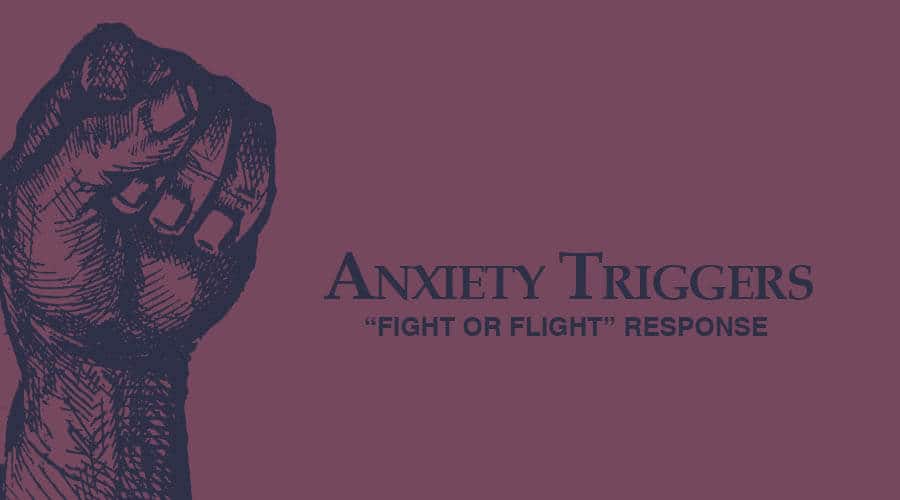
In our modern, fast-paced world, stress is becoming a very common component in our everyday lives. It has become so common, in fact, that we no longer seem to notice stress until it has compounded into something bigger and has started affecting our health. Stress, or rather, stress hormones (a primary stress hormone like cortisol), are released into the body to trigger our “fight or flight” response. In dire situations, these hormones help elevate our energy supplies, increase the concentration of glucose in our blood, and even help our brain use glucose optimally for quicker decision making. However, long-term activation of the body’s stress system could cause a host of health problems — anxiety, depression, heart disease – to name a few.
Therefore, it is important we learn of ways to relieve ourselves of stress. Below are five simple ways to relieve stress:
1. CBD Oil
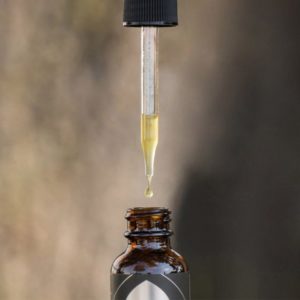
You’ve probably heard of CBD quite often this whole year. There is good reason for that. Aside from its uses in alleviating the symptoms of epilepsy, it is also being used as a natural means of reducing anxiety and a great way to relieve stress. This is because all mammals have an endocannabinoid system. This is a network of CBD receptors along our central nervous system. These receptors react to CBD by fixing imbalances, strengthening our immune system, and relieving symptoms of stress and anxiety. So a couple of drops of CBD oil every day might just be a great way to help relieve stress.
2. Meditation
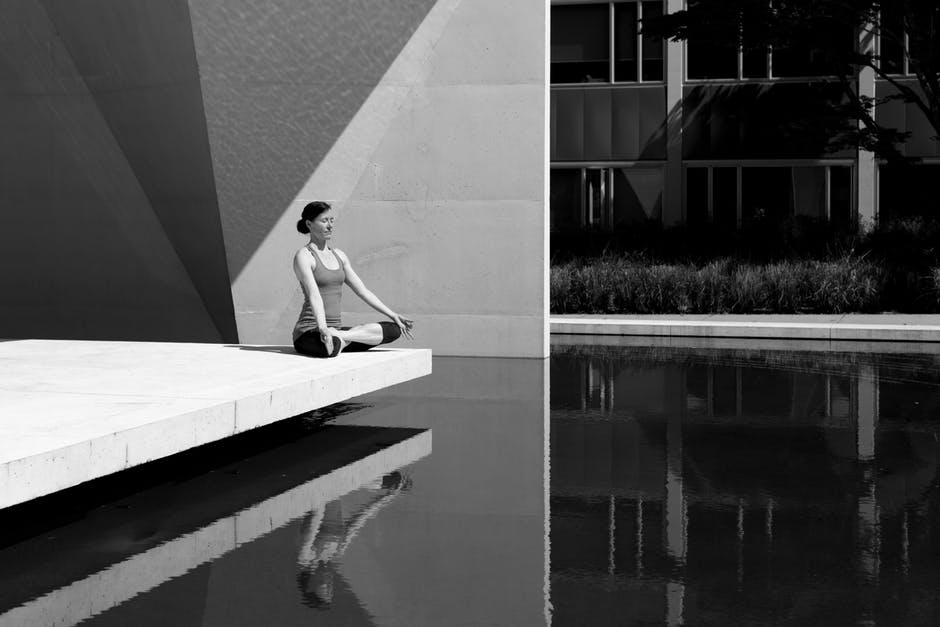
If you are looking for a very cheap way of reducing stress without taking anything, meditation is the way to go. Meditation has been known to help ease stress and anxiety by focusing our attention to emptying our mind and breathing deeply. Not only will this help you relax, but it could also re-energize you to help you face the rest of your day with a bit more calm. If you find yourself stressed by too many meetings or an impending deadline, take a few minutes to center yourself, empty your mind of any thoughts, and breathe.
3. Exercise
Physical activity causes our body to release happy hormones like dopamine and serotonin. To people who have experienced what is called the “runner’s high”, this is actually the rush of endorphins released by your body as a response to running. Endorphins help our body reduce stress by helping our body overcome pain, and regulate our sleep. The stress hormone cortisol actually reduces the production of happy hormones in our body which will lead to more stress for us. Exercising would help build these hormones back up in our system.
4. Reduce caffeine
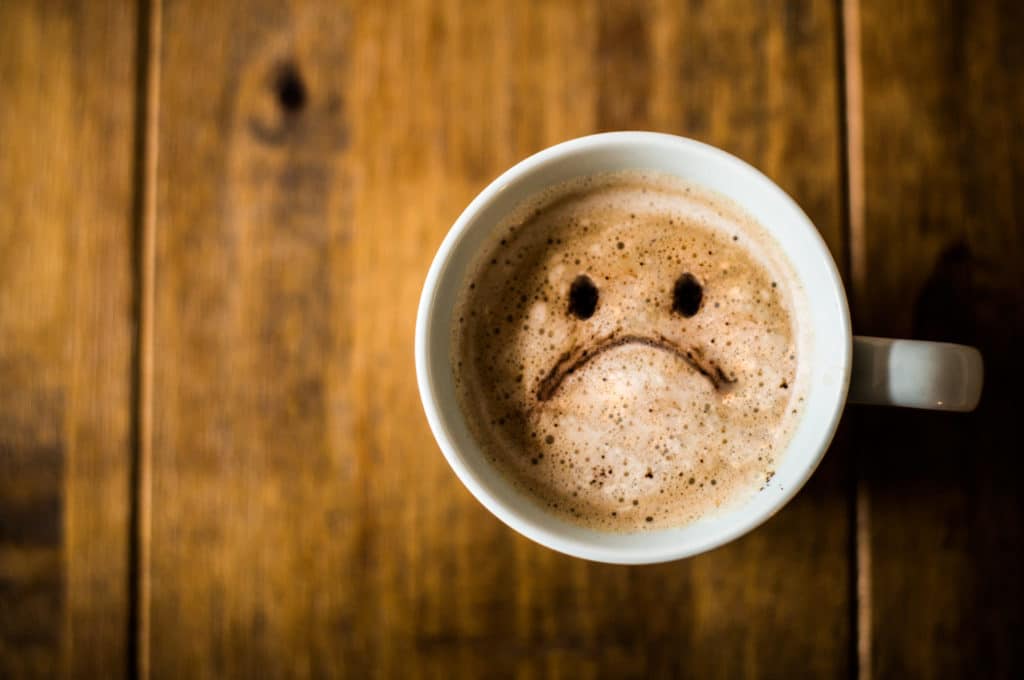
We all have a caffeine threshold. Caffeine is known to help keep us awake and give us that boost of much-needed energy, especially in the mornings when all we want is to go back to sleep. However, too much caffeine can contribute to anxiety which in turn causes stress. It could also cause heart palpitations, cold sweat, and some digestive upset when you take too much caffeine. So if you find yourself getting anxious after your second or third cup of coffee, it might be a good idea to skip that cup of joe and maybe have something with lower caffeine levels. Perhaps a nice low caffeine tea, or, dare we say, some decaf coffee?
5. Socialize
Spending time with friends and family is a great stress reliever. No matter how introverted and socially averse you are, there is always someone you prefer spending your time with. And for those of us who are extroverted, being with people is an energizing experience. Laughing and having an enjoyable time with the people you love will help you relax more, and forget about your woes. In women, spending time with family and children helps in releasing oxytocin, a natural stress reliever.
No matter your station in life, stress is unavoidable. Keeping these five tips in mind will help you in managing or maybe even relieving stress. And in turn will help you enjoy life more, avoid health issues, and even develop a healthier relationship with yourself and with your social circle.
Anxiety is a normal coping mechanism; however, in excess, it can be detrimental. More than just a situational response, anxiety disorders are characterized by a persistent and oftentimes irrational dread of everyday situations which can interfere with daily activities.
Forty million U.S. adults are affected by an anxiety-related disorder; however, the prevalence of these disorders should not diminish their impact.
Excessive anxiety is a central symptom of several neuropsychiatric disorders including generalized anxiety disorder (GAD), panic disorder (PD), post-traumatic stress disorder (PTSD), and obsessive-compulsive disorder (OCD). Anxiety is a complex disorder that can develop through various factors including genetics, brain chemistry, personality, and life events.
Anxiety and Emotional Response
Anxiety is our body’s response to an emotional situation. Biologically, anxiety activates our “fight or flight” response to warn us of potential threats.
During such time, norepinephrine and cortisol flood our system to boost to perception, reflexes, and speed. These chemicals increase the heart rate, blood flow to the muscles, and air flow. With chronic anxiety, the response is never deactivated, and the physical and emotional effects of anxiety remain.
Anxiety and the Endocannabinoid System
The endocannabinoid system (ECS) plays an integral role in regulating emotional response.
Specifically, the ECS supports nerve activity that determines our response to emotional or aversive events.
An Introduction to the ECS
As discussed in a previous blog, the endocannabinoid system is a biological system responsible for maintaining homeostasis. The ECS is composed of endocannabinoids, degradative enzymes, and cannabinoid receptors. Endocannabinoids such as anandamide (“the bliss molecule”) and 2-arachidonoylglycerol (2AG) are synthesized, or created, by our body on demand in response to an imbalance. They interact with the cannabinoid receptors to direct the body back to proper functioning.
CB1 Receptors and Anxiety
CB1 receptors, which are primarily located on nerve endings, are one of the two major cannabinoid receptors.
Studies have found the activation of the CB1 receptor produces anxiolytic (anti-anxiety) effects.
When discussing conditioned fear, the effect of CB1 receptor activation is complex; however, CB1 receptor activation can reduce fear and prevent the activation of existing memories from the past. Additionally, CB1 receptor activation protects against the adverse effects of chronic stress, which can lead to anxiety. For this reason, CB1 receptor activation has been studied for anxiolytic drug development.
Endocannabinoids activate the CB1 receptor; therefore, a higher level of endocannabinoids can be beneficial for those with anxiety-related disorders. Additionally, chemicals that inhibit the FAAH enzyme from breaking down anandamide increase endocannabinoid availability and are also being studied for their anxiolytic effects.
Living with Anxiety
There are many ways to manage anxiety; however, less than 40% of those with an anxiety disorder seek treatment. Still today, there is a stigma surrounding mental illness that discourages those struggling from seeking help. We can help end the stigma of mental illness by having open conversations about mental health, encouraging mental health education, and showing compassion to those with a mental illness.
If you or a loved one is struggling with an anxiety disorder, we encourage you to learn more about the disorder and the options for treatment.
Authored by Brady Holmer • March 12, 2019 • 10 min read
It’s two weeks away from marathon race day. Legs should feel fresh, mind should be focused, and fitness should be at an all-time high. This is what you’ve trained for the past several months, never missing a workout. It’s time for all of the hard work, dedication to diet, and mental preparation to pay off.
But things feel off. Nailing goal workouts is difficult. Running similar times requires more effort. Fatigue is chronic despite adequate rest. Muscle soreness lingers.
Taking a week off from training doesn’t help and on race day, a personal record feels impossible. You start the race with little enthusiasm, each of the 26.2 miles spent thinking about the finish line. Rather than running a fast time, the goal becomes simply to finish. The excitement of the race is gone.
These symptoms represent a classic case of “overtraining syndrome” or OTS. OTS is something that many athletes may suffer from but may know little about.
What is Overtraining Syndrome?
Training dedication is important. But if you overtrain, you may not even make it to the start line.
Overtraining and Overtraining Syndrome Defined
Operationally, overtraining is defined as a training imbalance where stress > recovery.1When high levels of physical activity or high-intensity training are paired with inadequate rest and recovery time, performance suffers.
A separate but related condition to overtraining is known as relative energy deficiency syndrome in sport (RED-S). This syndrome results from an imbalance between dietary energy intake and expenditure. RED-S is characterized by loss of general health, proper growth, and reduced sport performance.2 Many physiological functions such as metabolism, menstrual function, bone health, immunity protein synthesis, and cardiovascular health are negatively impacted by RED-S. This syndrome may be an early precursor to full-fledged overtraining syndrome.
Short-term overtraining is reversible with a proper rest period. In overtrained athletes, a rest period of one or two weeks can reverse many symptoms and lead to a performance rebound. This distinguishes overtraining from the more severe overtraining syndrome (OTS).
Overtraining syndrome results when overtraining continues for an extended period of time; some might call it burn out.
Since OTS is more severe than overtraining, recovery time is longer. It may take a rest period of weeks or even months to reverse OTS, maybe because it’s usually coupled with other types of stress: high altitude living, training monotony, suboptimal diet, and academic, occupational, or relationship strain.
Overtraining, or Under Recovery?
For athletes, the concept of overtraining might seem odd. You understand a high training load is needed to adapt and get better (known as “supercompensation”). However, too high of a training load with too little recovery is a poor way to achieve proper gains. Recovery is when the actual training adaptations occur, not during the training session. In fact, sometimes overtraining may not even be evidence of training too much, but recovering too little.
Your Brain and Body on Overtraining
It’s well documented that mental strain can have physical impact. When the mind wears down from overtraining (or stress outside training), it can impact performance negatively.
Negative Mood States are Higher in OTS
The mental side of training and recovery are equally important as the physical. Overtraining can have wide-ranging effects on mental health and motivation, which can negatively impact day-to-day training and performance in competition.
One of the early signs of overtraining might be large emotional swings accompanied by more negative thoughts than normal. Mood changes likely occur due to alterations in endocrine hormones and changes in the nervous system.
Ultramarathoner and HVMN Athlete, Jeff Browning, has been there. He says there are a lot of puzzle pieces to running 100 miles and the mind is a big piece.
“I don’t let negative talk take root. I’ve learned to slay mental dragons by constantly switching to positive speak. That’ll give you an improvement in performance.”Jeff Browning
Overtrained athletes exhibit higher levels of negative moods like tension, depression, anger, fatigue, and confusion. They also have lower levels of positive mood states such as vigor and motivation during training.3 One study observed that in a group of athletes suffering from chronic fatigue, 80% had levels of clinically significant depression.
Overtraining may also cause feelings of edginess with symptoms of insomnia, lack of appetite, restlessness, and sleep disturbances. This may seem counterintuitive, since overtraining is usually associated with chronic fatigue, but it likely results from a “hyper-aroused” state. A constant, high release of stress hormones characterizes sympathetic overactivity; this is one reason an elevated resting heart rate is observed in overtrained athletes.
Neuroendocrine Dysfunction
The Hypothalamic-Pituitary-Adrenal Axis (HPA) regulates a majority of our body’s hormonal system. As part of the sympathetic nervous system (SNS), it helps respond and adapt to challenges by releasing stress hormones such as cortisol and adrenaline: think “fight or flight.”
Proper coordinated function of the hormonal and nervous system is critical for athletic performance, helping prepare the body for high-intensity exercise and competition by increasing heart rate and blood pressure and releasing catecholamines (hormones produced by the adrenal glands).
Overtraining syndrome causes central nervous system dysfunction; while release of stress hormones might remain high, their ability to cause the proper response in target organs is diminished. Hormones responding to exercise or low blood sugar are rendered ineffective.4,5
This is the “autonomic imbalance” hypothesis of overtraining. Sympathetic/parasympathetic nervous system dysfunction and insensitivity to stress hormones results in impaired performance during racing and training.6 Overtrained athletes have a harder time performing. This suggests chronic fatigue can have effects in the brain as well as the body.
High-intensity, high-volume training may also result in reduced cognitive processing speed.7 For sports and race situations requiring decision making and composure, this is dangerous.
Heart Rate Variability as a Biomarker for Overtraining
A popular biomarker for athletes to indicate recovery status, heart rate variability (HRV) might be useful to detect potential overtraining. The applications of HRV are discussed at length in a recent HVMN podcast episode: “What You Can Learn From Heart Rate Variability” ft. Jason Moore.
HRV is a measure of the variability in the time between heartbeats (the beat to beat interval) and reflects autonomic nervous system balance–the balance of parasympathetic and sympathetic nervous system activity. Increased HRV generally indicates a good balance, whereas a reduced HRV may indicate a shift towards greater sympathetic activity due to chronic stress and overtraining.
Along with an elevated resting heart rate, lower HRV is found in athletes who are overtrained.8 This could indicate nervous system imbalances as a result of overtraining/under recovery. Regardless, the underlying problem is too much stress.
Effects on Mental Health
A daily self assessment of mood and well-being might be able to point out a possibility of overtraining or a path toward OTS. Athletes know their bodies well, and a simple mood check-in might be a quick way to assess recovery status.
Feeling a bit off during a workout? Less motivated to train? Recognizing changes in mental state during training can indicate when to dial back the intensity or take extra recovery time.
How Overtraining Influences Performance
A heads-down training approach is something to be admired, and it’s a way many athletes train in hopes of better performance on race day. But it’s a thin line. Overtraining, and not allowing enough recovery time, can actually impair performance.
Training, Racing, and OTS
While no true biomarkers for overtraining exist, one sure sign of overtraining is “an inability to sustain intense exercise and/or a decrease in sport-specific performance.”9
In other words…you’ll suck on race day.
In the short and long term, a state of overtraining in endurance athletes has been shown to decrease time to fatigue by 27%, reduce power output by 5.4%, and increase trial time by 9.8%10,11–it kills performance measures
Along with reducing performance and work output, overtraining increases the effort required to sustain the same level of intensity: running at the same speed feels harder, lifting a lighter weight seems more difficult.
Athletes report a higher rating of perceived exertion (RPE) for the same workload when they are overtrained versus well-rested.12
While endurance athletes are often the subject of overtraining talk, it is important to realize that no athlete is immune. Overtraining syndrome has been observed in endurance athletes, strength athletes, and elite judo athletes.13,14,15
The Immune System Suffers in Overtrained Athletes
Of all the things athletes want to prevent, arriving at the starting line sick or losing training time due to illness are high on the list.
Overtraining severely impairs immune system function, leading to increased risk of illness and infection.16 Being around group of teammates or training partners in gyms, sporting facilities, and public venues only increases this risk by exposing athletes to more pathogens and infectious bacteria.
Depressed immune function and higher rate of infection are consistent findings in studies of overtrained athletes. In particular, athletes training at high volumes seem especially prone to upper respiratory tract infection (URTI),17 a viral infection of the nose, throat, and airways.
The immune system is less able to fight pathogens during overtraining16 due to a lower number of immune cells fighting bacteria. Even the most elite athletes are at risk. Olympic athletes classified as chronically fatigued are shown to have higher levels of infections leading up to the games,18 a period where they are undergoing strenuous training.
Recovery and nutrition strategies targeted at improving immune function may prevent illness during overtraining. Increasing dietary carbohydrate and intake of certain polyphenols (plant micronutrients) are effective in supporting sport19 performance and anti-viral capacity of athletes.
Preventing and Treating Overtraining Syndrome
Taking adequate recovery time to bounce back from overtraining presents a major setback, so preventing overtraining should be one of every athlete’s goals.
However, if you’re feeling overtrained or suffering symptoms of OTS, the first step is to immediately reduce training volume. This might involve low-intensity training or active recovery. In some cases, an extreme amount of rest may be necessary to prevent full-fledged overtraining syndrome from developing.
Below are some strategies to optimize recovery, prevent the onset of overtraining syndrome, and treat symptoms if you find yourself in an overtraining rut.
A Well-Planned Training Program is the Key to Success
The best way to prevent overtraining is to stick to a well designed training program. Athletes in all sports tend to overperform on the easy days and underperform on the hard days.20 Don’t make this mistake
Having a coach or a training partner to provide accountability and support throughout training can be helpful here. A support system can also keep you accountable if you need a few days off. Training partners can encourage the need to rest and remind you bigger things are down the road.
The Importance of Getting Enough Zs
The scientific literature is consistent: the body needs sleep. Inadequate sleep negatively affects areas of performance such as memory and attention, injury risk, speed, and endurance.21 Sleep is often sacrificed by athletes in favor of training or other lifestyle demands, such as travel, competition schedules and work.
Overtraining is associated with sleep disturbances.22 Athletes should pay extra attention to sleep time and sleep quality, following some key strategies to enhance sleep hygiene and promote optimal recovery.
Increase sleep duration by getting seven to nine hours of quality sleep each night (recommended for all adults).
Athletes may need even more sleep due to higher training volumes, as it’s necessary to restore mental and physical functions.
Research indicates that sleep extension improves several measure of performance in athletes.23
Sleep can treat overtraining symptoms too, and is perhaps the best recovery tool available to athletes. Take a few rest days and focus on sleep if you find yourself experiencing training fatigue.
It can help to optimize sleep environment with a cool, dark room, free of electronics and artificial light–all are shown to increase sleep quality. Adding a nutritional supplement such as Yawn from HVMN into to a sleep routine can further promote high-quality sleep. Ingredients like magnesium glycinate, L-glycine, and L-theanine promote sleep and enhance the recovery process in athletes who may need help getting some proper shut-eye.24
Fuel for Success
Optimal performance and recovery require proper fueling at every stage of training. Inadequate carbohydrate and protein intake, in addition to long term negative energy balance, impair recovery and lead to symptoms of overtraining. Even with proper planning, studies show that many athletes fail to meet a sufficient calorie intake to maintain energy balance25 and might suffer from vitamin and nutrient deficiencies.
Protein is vital for tissue restoration, muscle building, immune function, and recovery from hard training sessions. Athletes in training need more protein to support training and recovery needs. Increased protein intake can also prevent unintended loss of weight in the form of lean muscle mass.
Up to 1.7g/kg of bodyweight in protein should be consumed for athletes in a variety of disciplines such as endurance and strength training to prevent muscle breakdown and support immune system function.
Adequate intake of carbohydrates to support training intensity and promote recovery is another important factor in preventing overtraining. While low-carbohydrate diets may have a place in some programs, sufficient intake of carbohydrate to support high-volume and high-intensity training in athletes is recommended.
Studies provide evidence that less adaptation to training occurs in glycogen-depleted endurance athletes, and that symptoms of overtraining can be prevented by a high carbohydrate intake during times of high training load. Athletes consuming a high carbohydrate diet containing 8.5 g/kg of carbohydrate during a period of high training maintained better performance and mood compared to a group consuming a lower carbohydrate diet containing 5.4 g/kg throughout the same training program.26
What if you are feeling overtrained, sluggish, or in a slump? Try to eat yourself out of overtraining by increasing your calorie intake, consuming high-quality protein sources, and eating foods rich in a variety of nutrients. Energy insufficiency is often a cause of overtraining, and giving your body what it needs can get you back to training.
Track Biomarkers
Staying in touch with yourself on a day-to-day basis will let you become aware when things seem off. Take a daily mood assessment before and after training. Is your attitude or willingness to train more negative than usual?
As discussed above, heart rate variability (HRV) tracking can also let you know if you’re overtraining. Getting your blood work done to test for possible endocrine or metabolic imbalances may be a more in-depth but worthwhile assessment of training status.
Could Ketone Esters Help Prevent Overtraining?
Recently, an increasing number of athletes are experimenting with the ketogenic diet and exogenous ketones (such as HVMN Ketone) as tools to enhance endurance sport performance and recovery. Strategic use might help athletes avoid overtraining, but there is still a lot of work to be done to understand their full potential.
Early studies suggest that ketone esters might accelerate muscle replenishment.
For example, athletes who added beta-hydroxybutyrate or BHB (the ketone ester present in HVMN Ketone) to a post-workout meal, set themselves up for enhanced muscle protein synthesis, indicated by increased signaling of the growth regulator mammalian target of rapamycin complex 1 (mTORC1).27
Another possible application for ketone esters is to help the body store carbohydrate in the muscles as glycogen. Replenishment of muscle glycogen was accelerated following ketone ester supplementation when coupled with in IV infusion of glucose.28 The jury is still out here, as another research group didn’t see the same effect on glycogen when the ketone ester was taken with a post-workout shake.27 Because of the powerful effect of ketones on the body, it’s certainly likely that adding ketone drinks to regular nutrition could boost muscle recovery.
Overtraining is a Delicate Balance
Like rain clouds in the distance, overtraining threatens any athlete in a hard training block. Dedication and overuse is a thin, looming line that many athletes don’t realize they cross until it’s too late. For many athletes, it’s probably easier to push harder than pull back.
But perspective is necessary. If you’re worried about overtraining, speak to a coach or friend and hold yourself accountable to get necessary recovery time. Learn to listen to your body for whispers of overtraining. It’s a complex scenario involving mental health, nervous system function, and physical symptoms that decrease performance in the short and long term.
Importantly–don’t beat yourself up about it. A black hole of overtraining can be a dark and lonely place, so getting help is one of the best ways to treat OTS. Be patient, recover properly, know it’s a process and take the necessary steps to try and prevent overtraining before it’s too late.
Contributed Post.
If you like what you’ve read here, please let others know of this post, blog, and site.
This year has been a year when most of the world focused on health and wellness in a more holistic manner: both physical and mental wellness. And it is beginning to look like 2019 will be a glorious continuation of what we have been opening our minds up to in 2018. So what can we expect to see in the health and wellness sphere in 2019?
1. Ayurveda
The 5,000-year-old health system, Ayurveda (in Sanskrit means “knowledge of life”) is responsible for a lot of health movements in 2018. Perhaps the most familiar of which would be the ketogenic diet. Ayurveda is an old system of medicine that incorporates plants and animal products, particularly fats. The practice of Ayurveda involves using fats both for consumption, meaning eating fats like ghee, and external use, like oils for the skin. The practice connects both mind and body in bringing about wellness.
2. More Plant Based Alternatives
2018 has seen the rise of plant based food, a whopping 23% rise in sales. Gone are the days when the choices we had regarding plant based food were TVP and tofu. Now it is beginning to look like there will be a huge movement in the plant based fish sector. Expect your local Whole Foods aisles to have more plant based fish meat choices. The plant based fish movement stemmed from the awareness of people of the negative impact of overfishing has on our environment.
3. More Sleep
A lot of people, students and workers alike, are severely lacking in sleep. In the coming year, we will have a better understanding of our circadian rhythm and the effects of melatonin and cortisol on our sleep patterns. If these two hormones get out of whack, our circadian rhythm will be thrown out of its cycle and our sleep gets messed up.
4. CBD Oil
This year has seen a massive rise in popularity of CBD oil. Despite its being taboo in certain circles, Whole Foods Market’s projection predicts that CBD oil will have an even higher spike in popularity in 2019.
Expect that in the coming year, we will be learning more about the endocannabinoid system or the ECS. This is a major bodily system which compounds like CBD and other cannabinoids interact with. We have seen how CBD oil has helped manage anxiety and we’ve marveled at its anti-inflammatory and anti-seizure effects. Cannabis might also help with setting our sleep pattern straight. It most certainly helps with keeping a lid on anxiety and stress.
5. Eco-consciousness
More and more people are becoming aware of global warming and the dire situation the Earth is currently in. Expect that in 2019, the strong rise of the eco-friendly movement will continue. It is predicted that the use of single use plastics and other single use items will see a further decline and the BYOB (bring your own bag) movement will continue to become more popular.
6. Mental Health
This year, mental health continues to be given its due importance. People are now realizing that in order to be physically healthy, you need to think about your mental health as well. Hemp based products (like CBD oil) has become a more popular alternative to the usual stress medications. It is predicted that 2019 will see the continuation of this mental health trend.
7. Oat milk
Is oat milk the new soy? This year, sales have grown by an impressive 45%. Lactose averse people have found a good alternative to dairy and soy milk and the rise of its popularity does not seem to be ending soon. Grab yourself a bottle of oat milk this 2019 because it looks like they will be flying off the shelves still.
8. MCT oil
Aside from CBD, 2018 brought MCT (medium chain triglycerides) oil into the spotlight. This oil is odorless and colorless and stays liquid at room temperature. Putting MCT oil into your coffee, making it “bulletproof” is a good way of boosting your energy. Expect to see MCT become even more popular in 2019 as more people become aware of its benefits.
9. Body Positivity
Thanks to Rihanna and her Fenty brand, body positivity moved from the fringes to mainstream. Body positivity saw a rise in popularity in 2018 as more and more people focus on loving their bodies instead of shrinking them to fit into the mold that society wanted them to look. As more people shift their focus to mental health, this 2019 will see an even bigger rise in the body positivity movement.
10. Hemp based products
Aside from CBD oil, hemp based products have found their way into our lives from our beauty products, to our food. With the 2018 Farm Bill already signed into law, hemp based farming will be legal nationwide. Expect that in 2019, there will be more choices in hemp based products.
If you run a business where you hire other people then one of the most important thing to realise is that you’re responsible for their health and safety whilst they are under your supervision at work.
However this can be quite overwhelming for employers to figure out what kind of rules and regulations they should be following in terms of keeping their employees safe, so in this post we’re going to share with you some of our top tips for how to ensure your employees are safe at work.
Keep things comfortable:
Most people don’t automatically think that comfort and safety go together, but it’s important to understand that for example if your employees have to work outdoors, for example on a building site and they’re working during winter or when conditions are particularly harsh, or even if they’re working in the middle of summer then the temperatures and the environment in which they are working depending on what they have to wear can make them less or more comfortable, so for example if it’s very cold outside then you may want to consider renting a generator so that you can perhaps keep things a bit warmer for them as this will enable them to not focus so much on being cold, but be able to focus entirely on their work which will in turn impact their safety.
Analyze the working environment:
Every working environment is going to be different, so for example you may have an office where employees work for you and their safety is just as important as someone who works on a building site, although the things that you need to have in place to ensure their safety are going to be different, so for example, you could be responsible for ensuring that all computer screens are at the optimum height, at the right brightness, and that all desks and chairs are suitable for people so that they don’t suffer any kinds of headaches or repetitive strain injury.
Have regulations in place:
All employers are required to have health and safety regulations in place that they have to follow so it’s important that you have these and that you make sure that everyone is on board, understands them and is following them, so you should have them for example, printed out in common areas and also they should be part of the on boarding process when you hire new people.
Perform regular reviews:
Keeping up-to-date with your health and safety regulations is key as is making sure that your employees also feel safe and protected when at work, so performing things like regular reviews, checking things over, checking equipment and making sure that everything is functioning as it should be and also asking people how they feel working there.
We hope that this post has been helpful in helping you to identify some of the things that you can do to make your workplace a bit safer for the people who work for you, and also to help you understand what kind of things that you might need to have in place and what things that you don’t have to really think about as well as tips for ensuring that health and safety can be an ongoing thing but it doesn’t have to be overwhelming.
Contributed Post.
If you like what you’ve read here, please let others know of this post, blog, and site.
Navigating a divorce is stressful and unpredictable. Regular exercise and a healthy diet go a long way in managing our stress and making us feel a whole lot better in general. A grounding activity like yoga or Pilates is relaxing and helpful. Maintaining healthy habits and taking care of ourselves is vital during this uncertain time.
My Journey to be Well
Around the time that I separated in 2014, I read an article about staying healthy during divorce. I started a holistic health care regimen while I was going to graduate school. Just as that regimen helped alleviate the stress and pressure of school, it stood to reason, it would help alleviate the stress and pressure of the divorce process. That article certainly confirmed it, so I continued my health and wellness path, switching modalities as needed, based upon how I was feeling and what I needed at the time.
For example, when I first began my holistic journey, I adopted a daily meditation practice. That was fine-tuned later when I took a Spirituality in Leadership class in business school; then I started taking classes to learn Qigong, the meditation practice that goes with Tai chi. Now I do a simple 10-minute breathing/meditation exercise every morning and set my intention for the day. It doesn’t take a lot of time, but it is a very simple, grounding experience.
Exercise is key. I try to walk or use the elliptical every day, preferably in the morning, after my meditation exercise and before I start checking and getting involved in answering and sending emails. If I exercise first thing, then I’ve done it and don’t have to think about it for the rest of the day.
Get Yourself a Team
The rest of my wellness regimen is covered by my wellness support team. Much of the stress and unpredictability of your divorce can be alleviated from the beginning, if you put a wellness support team in place, and I highly advise it. The wellness team members are there in their expert capacity in each of their modalities to help you deal with the stress and intense emotion caused by the divorce.
My suggestion is to get referrals for all of these team members from people that you trust, family, friends or colleagues, and then interview each to make sure that the person is the right fit for you. It is important that you feel truly supported by each of your team members.
The Four Members of your Wellness Team
Therapist (LFMT, MFT) – Hopefully your divorce attorney or mediator has suggested that you start seeing a therapist; I am suggesting that you do. There will be a lot of emotion during the divorce process and a lot of diving deep into the whys and hows of your relationship. A therapist is the best person to work through all of that with you.
Massage Therapist – Massage is a great stress reliever. I started having regular massages about eight years ago and it has made a world of difference relieving stress during my divorce.
Acupuncturist and/or Chiropractor– Either or both of these practitioners helps relieve the stress that manifests itself in different parts of our bodies, most often our neck, shoulders and spine. We tend to tighten all of these when we are stressed and in “fight or flight mode”. Personally, I hadn’t been to either for 30 years because my first experience with both was not that great: huge needles at the acupuncturist and intense bone cracking at the chiropractor. I learned recently that there are acupuncturists who use little thin needles with great effect, and a chiropractor who uses less intense bone cracking techniques. I am now a huge fan of both and I receive treatments regularly. Both have done wonders helping me to achieve stress relief! Also, it is often possible to find practitioners who are also covered by health insurance.
Certified Coach – A certified coach plays a different role than a therapist. A coach is more like a mentor, a person with whom you discuss your goals and your plan for achieving them. In the process you explore your values and life purpose. A coach will guide you and help you to be accountable for what you say you want/are going to do. Together, you will create a vision of your reinvented life!
My wellness team told me they were pleased that I was being proactive and preventative in keeping myself healthy during this time in my divorce, instead of waiting to seek them out when the process was over and I was ill from the stress of it all. That, unfortunately, is what most of their patients did. I encourage you not to be MOST patients! I celebrate your continued path to health and well-being!
Sandra Hughes is a leadership coach for adults 40+ going through significant transitions. She created Life Reinventedto help people navigate divorce. She has a CPCC designation from The Coaches Training Institute, and MBA from Santa Clara University. Sandra had a long corporate career before navigating her own divorce after 27 years of marriage. She is committed to helping people achieve integrated lives and finding the joy they deserve.
You can learn more about homesharing at Silvernest.com – Silvernest boldly breaks the rules of aging so you can share your home on your own terms. We’re creating the next generation of roommates. A more modern kind. A well-matched kind. A kind that’s just your style. Because around here, the details are totally up to you.
When you think of “improving your health,” there are likely a few core concepts that jump straight to mind.
First and foremost, everyone knows that in order to be healthy it’s important to get plenty of exercise. So, that might mean regular treadmill sessions at the gym, laps in the swimming pool, and a commitment to cycling to work instead of driving.
Then, it’s also pretty common knowledge that eating a balanced diet with plenty of fruit and veg is essential for maintaining optimal health, so in your mission to be a healthier you will inevitably include things like tailored meal plans, and green smoothies, and “an apple a day.”
All of that stuff is great – essential, even – but there are also some lesser-known and more unconventional ways you can go about improving your health.
Here are a few of those ways.
Get genetically tested for disease susceptibility
Not everyone is equally as susceptible to every health condition. Some people have certain genetic predispositions to diseases that you can’t determine through a regular checkup.
In some cases, these genetic predispositions will vary according to race and ethnicity, but sometimes they will be all your own, and there will be nothing obvious to suggest that you are in a higher risk band.
In order to detect and counteract any of these unfortunate conditions, you could consider getting genetically tested for disease susceptibility.
A researcher using a chip SEQ kit might be able to help you out here, and various commercial companies offer genetic screening for various diseases.
Of course, you should be careful who you release your genetic data to, and shouldn’t expect that every disease can be detected through such a procedure. But it’s something to consider, anyway.
Practice breathing exercises
Breathing is easy, right? We all do it automatically, from birth, and that’s just all there is to it.
In fact, though, there are certain health and fitness gurus who argue that there is more to the art of breathing than that.
The medical marvel and daredevil, Wim Hof, for example, uses a specific breathing exercise in order to allow him to withstand incredible degrees of cold, and also to take conscious control of his immune system. That sounds like nonsense, but there are actually studies that have been done on him by reputable institutions that confirm it.
There are a lot of different types of breathing exercises out there. It may be worth investigating a few of them on your quest to boost your health.
Go for periods of time without eating
All right, so this is slightly dangerous advice, and of course it’s important to mention that you shouldn’t take it too far.
Nonetheless, there is ample research suggesting that occasional (not excessive) fasting – as in, going without food for set periods of time – can work wonders for your health.
Among other things, fasting helps to regulate blood sugar levels, and engages a process in your body known as “autophagy.”
Autophagy is, simply, a “recycling” process, where your body breaks down and consumes damaged cellular tissue, and regenerates new, healthier cells.
Contributed Post.
If you like what you’ve read here, please let others know of this post, blog, and site.
There’s much to love about growing older. You learn more about yourself, about other people, about the world in general. You come to understand that life, while it has its downsides, is overall a pretty spectacular journey to be on. But while there might be a lot of personal, mental, and spiritual growth as you age, there are some areas that seem to be in decline: your physical side. Our mind can get sharper, but our bodies begin to slow down. Not fair! The good news is that this isn’t just something that we have to accept. If we want to stay active as we age, then we can — but we need to take control of it, and take steps to make sure it happens. Below, we take a look at a few tried and tested tips that’ll have you up, moving, and active, no matter how old you are.
The most powerful acts are usually the most simple. If you want to be active, then there are few things better you can do that to just get moving. If you live with a mindset that encourages you to take the stairs rather than the elevator, to sometimes walk instead of drive, and all-around be more mobile, then you’ll find that you’re able to keep the big issues — the ones that lead to decreased mobility and activity — at bay.
Review Your Lifestyle
There’s an element of genetics at play when it comes to how much we’re able to move as we age. But really, some people use that as an excuse. In fact, it’s more likely that a person’s lifestyle will influence their level of activity, rather than anything that’s hardwired in their body. So if you want to stay active in your later years, then you need to start reviewing your lifestyle. Drinking too much alcohol, will eventually catch up with you — it has a huge influence on the quality of a person’s later years. Similarly, if your current lifestyle involves sitting down too much, you’ll find it harder to get up and active as you age. Life can be tiring, but make sure you’re not giving in to its demands and spending too much sat down on the couch.
New Hobbies
It seems that most people are naturally active when they’re younger. They effortlessly slip into playing a sport, or hiking, and the like. But there comes a point, usually after their mid-twenties, when these things start to fade away. They put their energy into other things, and their past, more active hobbies take a backseat. Before they know it, they don’t have any sweat-inducing hobbies that they regularly do! It’s never too late to change that, however. If you can’t currently point at any activities that get your heart rate up, look at picking one up. There’s no shortage of awesome options out there! Give them a go, and you never know where it’ll lead you.
Handling Injuries
Of course, it’s not always possible to pick up a new physical activity, especially if you have an injury. There are plenty of people who lead active lifestyles, until they suffered an injury. But it’s important to remember that while these things are frustrating, they’re not things you just have to accept. You can get help to overcome the pain with Precision Sports Physical Therapy, and get back to peak physical condition. One injury can have a seriously detrimental effect on your lifestyle if it’s left untreated. Don’t fall into an inactive lifestyle all because of a bad knee!
Maintaining the Body
Even if you don’t suffer from one specific injury, the general wear and tear of life can bring your levels of activity down. As such, it’s a good idea to take preventative measures, which will help keep those slight aches and pains at bay, and keep your body in overall tip-top condition. One of the best ways to do this is to practice yoga, which will keep those limbs limber and your body strong. If you’ve never done it, it’s a good idea to join a class, as it’s important that you do things correctly. At the end of the class, you’ll be walking on air, we promise.
If you’re just relying on your inner motivation to stay active, then there’ll come the point when you slow down. Something else will come up, and you’ll forget all about it. One way to stay on top of your active lifestyle is to set targets — you might say that you’re going to run a half-marathon, or go on a multi-day hike every month, or anything else. Whatever you need, essentially, in order to keep your quest to be active at the forefront of your mind.
Regular Checkups
Your doctor will be a great ally in your quest to stay healthy and active. Make a habit of getting regular check-ups — they’ll be able to tell you the things you need to do more/less of in order to stay at your best. Don’t underestimate how important they are!
Find a Group
You might struggle to always stay active if you’re just trying to do everything by yourself. As such, why not look at finding a group with whom you get active? You’ll be more inclined to get out of the house on those rainy days if you know you have friends waiting for you on the other side of the door.
In the Outdoors
The lure of visiting a dark and grim gym multiple days a week may not be all that appealing, and that’s understandable. Instead, why not get your fill from the great outdoors instead? You’ll be more inclined to keep your body ready for activity once you’ve experienced all the beauty and wonder of nature. You don’t necessarily need to take a trip to a National Park, either — you can also have some outdoor fun in your yard. Get into gardening, and you’ll be using your body just enough to be considered active. Plus, it’s also highly rewarding…
Stay Happy
Life can give us some pretty heavy blows. And when it does, we usually want to do little other than to stay wrapped up indoors, away from the world. But if we make this too much of our lifestyle, then we’re going to fall into a sedentary lifestyle. As such, one of the best ways to stay up and active is to simply make sure you’re feeling happy! Of course, this is usually easier said than done, right? Well, yes, but a lot of research has been done in recent years to determine what it is that makes people happy. Getting exercise, eating well, talking with others, and limiting the things that bring us down (such as alcohol/junk food) will all lead to a healthier state of mind.
In Control
Ultimately, it’s important to remember that your body is under your control, no-one else’s. If you don’t take care of your body, then it’ll fall into a state of disrepair — that’s just a fact! Moving forward, make a conscious effort to take care of your body. It’s usually when we begin living on autopilot that problems materialize.
Conclusion
Don’t fall into the trap of believing that your days as an active person has to come to an end just because you’re getting older. There are people in their eighties and nineties running marathons and climbing up mountains — they show what is possible! Look to them as inspiration, rather than around at other people your age.
Contributed Post.
If you like what you’ve read here, please let others know of this post, blog, and site.










 Sandra Hughes is a
  You can learn more about homesharing at




 lifespaceblog