Properly storing CBD products and other hemp oil supplements is key to preserving their freshness and making sure the cannabinoids don’t degrade or break down prematurely. You want to be able to get the maximum benefits from these products, and by observing the best practice when it comes to storing them, you don’t only extend their shelf life, you also preserve their potency.
There are three things hemp oil supplements don’t get along well with heat, light, and oxygen. So to make sure your CBD products are not compromised, always keep them in a place where these elements are well controlled. Here are a few things you need to remember when it comes to storing CBD products:
Store CBD products in a cool place
Prolonged exposure to heat will definitely ruin your stash of hemp oil supplements and other CBD products. If you’re looking for a place to store them, make sure it’s never near appliances that produce heat like an oven, dryer, heater, or even the refrigerator. CBD oil does not have to be refrigerated, however, if you live in a hot, humid place it is a good idea to store it inside the fridge. The low temperature inside the fridge might thicken your CBD oil, so if this happens, just place the bottle under warm water and it should be ready for consumption in a few minutes.
Another thing to avoid is leaving your CBD products in the car. It could get really hot in there, and this condition could cause the cannabinoids to degrade and lose some of its therapeutic properties.
Keep CBD products out of direct sunlight
Like other similar neutraceuticals, CBD products and other hemp oil supplements could lose their efficacy when exposed to direct sunlight. Always keep them in their original bottles, which are usually opaque, as they’re designed to protect contents from light damage. Store in a dark cool place, away from open windows.
Along these same lines, be sure when buying CBD oil to look out for products which are sold in clear bottles or containers. The packaging may look beautiful, but being in a clear bottle means its cannabinoid content will degrade more quickly due to the extra light exposure.
Who remembers this old Sam Adams commercial? What they talk about here is exactly what happens to cannabidiol products…
Keep CBD products sealed in air-tight containers
Oxygen can also contribute to the breakdown of natural cannabinoids, and could leave your precious CBD products less effective. This is why they usually come in air-tight containers that are specifically designed to keep the contents protected from air exposure. When storing CBD oil, make it a habit to double check if the lid or cap is properly and tightly closed after each use, to make sure air doesn’t seep in. Also, be sure to only buy CBD oil which comes in a completely sealed container. If the seal is broken, ask for a new one.
How Long Does CBD Last Once Open?
After you’ve opened your CBD oil, you may be wondering what just happened to the shelf life. We analyzed CBD products from several major brands and found that most have an expiration date of one or two years, if refrigerated. Outside of the refrigerator, you can still expect a year shelf life if stored away from light, heat, and humidity.
How to tell if CBD Oil Has Gone Bad
Typically, a CBD supplement gets used far before it nears the end of its shelf life. However, it’s always good to know the signs of an expired hemp product.
If you’re new to CBD oil, take a moment to smell your product the first time you open it. In general, hemp oil has an aromatic and herbal smell. However, there are endless formulations out there that can affect the scent. Depending on the product, it could smell like olive oil, mint leaves, or any number of essential oils that may be used.
But once hemp oil goes bad, it’s bad. The once pleasant aroma turns unmistakeably rancid.
CBD products and other hemp oil supplements usually last a year, if properly stored. Proper storage can definitely prevent degradation of cannabinoids and make sure you get the most out of them. However, you also have to consider other factors, like the method of preparation, ingredients used, and the actual finished product. CBD and hemp extracts typically have carrier oils, for example, and the shelf life of the product can be influenced by these base oils. In these cases, it’s best that you store them the way you would store their base oils, the most common being olive oil, MCT oil, and coconut oil.
If you choose to cook or bake with your hemp oil supplements, these can also contain perishable ingredients. These would expire more quickly, than say, capsules and oils, and would have the same storage requirements as their non-CBD versions.
Is crime really on the increase in the United States? Some people, especially those who work in the media, would certainly have you think that it is. Some people also believe that now there are many new crimes that take place online, these are also pushing the number up too.
The jury is still out as to whether the crime rate is actually on the rise, but one thing that might be interesting to note is that the five most common crimes over the past few years are still those that have been quite common for the past decade or more. Here are five common crimes that we all need to safeguard ourselves against.
Burglary
Lots of homeowners go to many different lengths to secure their home. Thankfully, there is no shortage of security methods right now. You might want to install a burglar alarm so that you are always notified whenever an intruder tries to get in. Some homeowners also equip their home with CCTV as well. It’s worth taking a look on some home blogs to see the various ways other people have secured their home.
Car Theft
There are a lot of car-related crimes carried out these days and many people end up hiring a defense attorney to help them get out of DUI and car theft charges. You might be surprised to learn that there are more car theft crimes carried out than DUIs, generally speaking. Just like securing your home, there are also different ways to keep your car safe. If you don’t have a garage to store it in, then it is really worth investing in a car alarm.
Cybercrimes
As mentioned above, cybercrimes are quite widespread these days, so much so that they are one of the five most reported crimes these days. As long as you use very strong passwords for each of your online accounts, then you should be fairly safe. It’s also a good idea to use the latest anti-virus software and firewalls to ensure that no viruses try to infiltrate your network.
Fraud
Fraud is still a very common crime as well, and a lot of it is being fueled by online scams. As long as you are always aware and use common sense, you should find that it is simple enough to stay away from fraudsters. If you are ever in any doubt about a strange email that you receive from your bank, it is best to phone them and query it before you do respond to it or click on any links.
Assault
Sadly, assault is still a very common crime. The best way to not be targeted is to stay discreet and keep your purse and phone away in pockets or a bag at all times. Also, use your common sense and don’t walk alone at night through a dangerous area or neighborhood.
Crime is always going to be a problem unfortunately but, as you can see from the points above, there are various ways you can protect yourself from it.
Contributed Post.
If you like what you’ve read here, please let others know of this post, blog, and site.
Building financial security and maintaining health are consistently listed as top aging concerns for adults over 55. Most of us know creating a financial portfolio (make a plan, balance assets, make regular deposits) is important to ensure lifelong financial security. But what about your vitality? Do you have a plan? Have you considered what “assets” you need to support lifelong vitality?
Using the familiar structure of a financial portfolio, the Vitality Portfolio® strategy encourages you to create a practical roadmap for lifelong health:
Make a Vitality Plan
Balance Vitality Assets (function, core and wellness)
Make Regular Deposits
Making a Plan
How long do you expect to live? I ask this question during keynote speeches and people always seem to have a number in their head. In future blog posts (Aging – It’s a Family Affair) we’ll explore how people come up with it, but for now consider your number — and more important, consider what you want to be able to do through your 60’s, 70’s, 80’s, 90’s, and 100’s! Making a vitality plan helps you set, track, and reach your goals.
Functional Assets
Strength, mobility and endurance are “mission critical” assets for maintaining independence; yet optimizing function through physical activity is the most underused healthy aging strategy available today! It’s easy to disregard functional changes that happen gradually, so here’s some food for thought.
Statistics don’t motivate action unless they’re personally relevant. For example: Strength declines approximately 1-1 ½% per yearafter about age 30. That doesn’t sound like a lot until you do the math. If you’re not regularly challenging your strength – you’re losing it – on average about 60% by age 70 and 75% by age 80. Imagine going about your daily life carrying a backpack filled with your body weight (i.e. ½ the strength requires double the effort). Consider how difficult daily tasks would become and how many activities you would have to give up.
Physical frailty IS common and predictable with age, but it’s NOT due to age or inevitable! Studies show even 90+ year olds can prevent and reverse loss of muscle mass and strength with resistance training.
Take charge! If you get fatigued while walking – walk more! If you’re having trouble rising from a chair, do it more; every time you sit down, stand up and sit down 3 more times. See how many knee lifts you can do during TV commercial breaks or commit to standing up and sitting down 5-10 times during each commercial break.
To maintain the gift of mobility gently stretch and move your muscles and joints through every range of motion. Embrace cardiovascular exercise to help your heart, lungs, and blood vessels deliver oxygenated blood throughout the body. Endurance activities bathe your brain in oxygenated blood so are also closely linked to brain health! Get out and move briskly every day; walk, swim, dance, or even do seated exercises that elevate your heart rate – toe touches, heel presses, knee lifts, low kicks, marching in place all with arm swings.
Age is not a diagnosis so confront functional challenges with physical therapy intervention. Consciously invest in lifelong functional independence.
Core Assets: Ageless Thinking and Resilience
Attitudes and expectations directly impact aging. Engage Ageless Thinkingby consciously rejecting negative expectations of aging. Activate Resilience by embracing adaptive strategies to overcome challenges – regardless of age.
Thirty years ago people with disabilities were often institutionalized with no expectations or opportunities; and outcomes were bleak. The disability movement changed attitudes and expectations and literally transformed lives. Now young people with profound disabilities are given resources, tools, and encouragement to overcome and live fully in spite of challenges, and they accomplish astonishing things!
Unfortunately, attitudes haven’t changed much for adults who face physical or cognitive disabilities later in life. They most often receive resources, tools, and support to cope with disabilities. There’s a profound difference in mindset between coping and overcoming – resulting in profoundly different outcomes. If you’re facing a challenge take age out of the equation, embrace adaptive strategies, and insist on pursuing the fullest recovery possible.
Wellness Assets
Visualize the six dimensions of health: physical, social, emotional, intellectual, spiritual, and vocational as spokes on a wagon wheel. Consider how many deposits you regularly make into each dimension (spoke) and then draw your Wellness Wheel. Are some “spokes” large (carrying most of the load) while others barely exist? Are you missing an entire “spoke”? It takes conscious effort to balance wellness assets across the body, mind, and spirit.
Don’t leave your vitality to chance! Make a plan, balance your assets, and make regular deposits into lifelong vitality. Visit www.kayvannorman.comfor a free downloadable Vitality Portfolio® tool-kit to get you started.
Contributed Post.
If you like what you’ve read here, please let others know of this post, blog, and site.
As the world embraces CBD for its medicinal value, CBD product manufacturers and other health professionals continue to discover more and more ways to take advantage of its health and medicinal benefits. This offers consumers more options and allows them to choose the method most convenient for them. Methods include oils, tinctures, edibles, patches, vape oil, and topicals in the form of creams, lotions, balms, and more.
Topical CBD, unlike other CBD products, doesn’t enter the bloodstream but is no less effective. Depending on the issue you’re trying to address, it could even work faster than say, tinctures and edibles, which are ingested, and work from inside the body. Because topical CBD is applied right to the skin and exactly where it’s needed, the cannabinoid is absorbed directly into the affected area so it’s able to work faster, providing quick relief.
Whether you’re new to cannabidiol and deciding which product is for you, or you’re just exploring other options, we’ve got everything you need to know about topical CBD right here.
What is Topical CBD? (and How Does it Work?)
Topical CBD is a product infused with cannabinoids, which are compounds found in the cannabis plant, and designed to be applied externally, onto the skin. It is known to provide quick localized relief without ingestion. Since topical CBD it is applied externally, it only affects the surface layers of the body. This is all it needs though.
Inside each of our bodies is an endocannabinoid system (ECS) which is a network of receptors which can be found in the brain, nervous system, and other parts of your body. The ECS is also in our skin and is the key to how topical CBD works.
Topical CBD works by interacting with the ECS receptor points in our skin. When these receptors are activated, they start to seek out “stressed” receptors and bring them back into balance. When we have stressed out receptors, we notice symptoms ranging from aches and pains to general soreness and stiffness.
Now that you know a little about how CBD works topically, let’s discuss the various types of skincare products it can be found in.
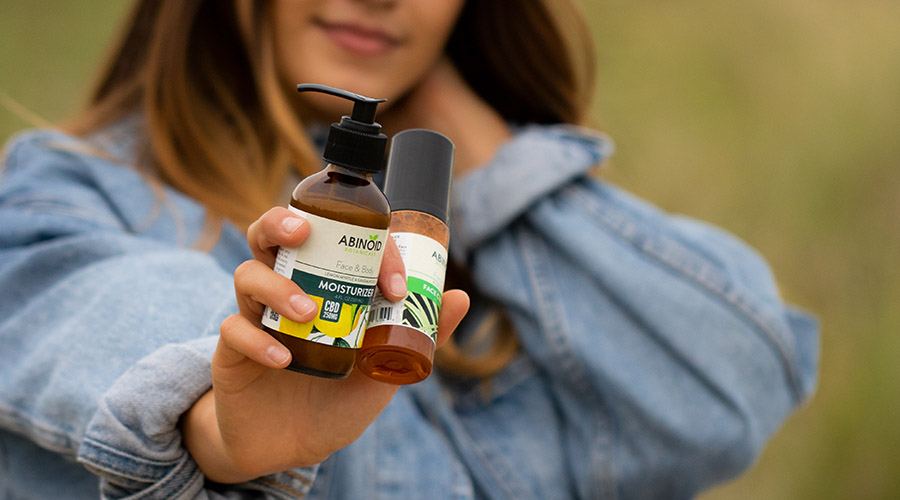
Topical CBD has essentially three different consistencies: creams and lotions, balms and salves, and oil. Here’s how they are different from each other.
CBD Cream and Lotion
CBD cream and lotion fall under the same category because while creams are slightly thicker than lotions, they have similar consistency and texture. These products make use of a small amount of water, along with moisturizing agents like shea butter, aloe vera, and other nutrients. These are formulated to moisturize and restore the skin barrier.
CBD Salve and Balm
Unlike creams and lotions, CBD salve and balm products do not use water, hence the more solid consistency. They are typically made with beeswax and fatty oils combined with CBD. They are thick and harder to spread throughout the skin compared to creams and lotions, therefore, these products are best used on specific, targeted areas that need relief.
Topical CBD Oil
Topical CBD oil often has other ingredients like olive oil or coconut oil. They are also formulated with other essential oils, vitamins, and minerals. They are the easiest to spread over large areas of the body and are best used as a massage oil to relieve pain and give your skin an over-all relaxing sensation.
How Do you Apply Topical CBD Products?
Make sure to clean the affected area prior to application. It’s best to wash it with soap and water to rid the spot of any other product residues, dirt, or natural oils as these could affect your skin’s absorption of the product.
Take a good amount of the product and massage it onto the problem areas. Leave it for a few minutes so it’s absorbed into the skin before covering it with a bandage or putting garments over it.
Use as frequently as needed to get the best results. CBD products don’t get you high, plus topical CBD doesn’t really enter the bloodstream so it won’t have any effects to the rest of your body.
Wash your hands when you’re done. CBD topicals have other active ingredients and while they provide relief to painful areas of your body, it could sting when it gets to your eyes and other parts of the body.
What are the Most Common Uses of Topical CBD?
CBD has been proven to have anti-inflammatory benefits, and because one of the most common causes of pain is inflammation, using topical CBD can provide relief and relaxation.
Sun Burn
Overexposure to the sun’s rays is what triggers sunburns. The affected skin then turns red and irritated, and in severe cases, it can cause swelling and blisters. These are signs of inflammation. CBD creams and lotions can help reduce the pain and inflammation and at the same time helps rehydrate the burnt skin.
Arthritis Pain
Arthritis is the inflammation of one or more of your joints, most commonly associated with aging. It causes moderate to severe pain, swelling, and stiffness, and could even limit your ability to move the affected body part. Topical CBD can help with the symptoms, according to a study made in 2015. It concludes that topical CBD application has therapeutic potential for relief of arthritis pain-related behaviors and inflammation without evident side-effects.
Muscle Pain
A lot of athletes have been using CBD to speed up muscle recovery after rigorous training. They often take it orally, but topical CBD has similar effects. CBD creams, salves, and balms can help relax the muscles and reduce inflammation and the physical discomforts caused by intense physical activities.
Other studies claim that topical CBD may prove helpful for other skin issues like acne, eczema, psoriasis, and more.
What are the Different Factors to Consider When Choosing a Topical CBD?
If you’re new to topical CBD and trying to figure out which product will work for you, it’s best to take a look at the different factors and understand how they come into play with each product. Here are a few things you need to consider.
Ingredients
There would often be other ingredients in topicals apart from CBD and they’re not always the same. Different manufacturers use different ingredients and once you know what you want to use the topical for, you have to make sure that the added ingredients in it do not counter your desired effect.
For example, if you hope to treat skin issues by using CBD cream but the formulation includes other comedogenic ingredients that could block your pores, it could do more harm than good. Always read up and do your research.
Concentration
The potency of topical CBD affects its effectiveness so you might want to check if a product’s potency is strong enough to make it past the skin so that it can work on providing relief to the affected area. Always opt for high-quality topicals that are highly concentrated to get the best results.
Consistency
Different consistencies of topical CBD may vary in effectiveness, and depending on what you want to use it for, one product may be better for you than the other. For example, balms and salves are thicker than lotions and creams and may work better because its thickness makes it easier for the skin to absorb it. On the other hand, if you have dry skin and need a little bit of hydration, you might want to go for lotions and creams as they contain moisturizing agents that could ease the dryness. It’s always a good idea to match the products to your specific needs.
Manufacturer
Make sure you source CBD skincare products from manufacturers you can trust. Legit CBD companies have high-quality products and provide you with an accurate chemical breakdown of everything that they offer, allowing you to make an informed decision when it comes to choosing the kind of topical that’s right for you.
Final Thoughts
Topical CBD for skin, like other CBD products, is a great alternative to over-the-counter medicines. Studies have proven their anti-inflammatory benefits without the side effects that traditional, prescription medications often have.
To maximize the benefits of topical CBD, know exactly what your problem areas are—it’s always good to have a specific target. Then, do your research so you know how to choose the best consistency and the exact product that can address it. Finally, observe best practices when using it.
CBD edibles are edible nutritional supplements that come in the form of a chocolate or tasty chew. Made to mask the earthy flavor of hemp, edibles are a pleasant CBD option. The great taste of these products makes CBD appealing to a wide audience. With CBD edibles, you don’t have to sacrifice taste for strength; edibles are as potent and nutritious as other supplement forms.
Hemp-derived CBD edibles are legal in the United States and do not require a medical card for purchase. These products have the legal level of THC (less than 0.3%) and are non-intoxicating. With CBD edibles, you can enjoy the benefits of CBD without a high.
Why Should I Choose a CBD Edible?
The number one reason why customers choose edibles is for taste. Hemp has a distinct flavor that, to some, is difficult to get used to. (Watch: What Does Hemp Taste Like?) With edibles, the flavor of hemp is completely covered. A piece of chocolate or a gummy bear can serve both as a nutritional supplement and a sweet treat!
Edibles are a great introductory CBD product. They come in a familiar form and require no instruction. If you are consuming a different form of CBD, edibles can be used as a replacement for your daily bite of chocolate or gum for an extra serving of CBD.
When something is as delicious as CBD edibles, it’s difficult to forget to take them each day. These products taste so great that you’ll look forward to supplementing your routine with CBD!
How Do I Choose a CBD Edible?
There are many types of CBD edibles on the market which can make it difficult to know which product to choose. We suggest considering two things: potency and form. First, edibles can range greatly in potency. Some edibles have a low potency; with these products, you may need to take an additional supplement. There are other edibles that have a higher potency and can be taken as a sole daily supplement. (Read: How Much CBD Oil Should I Take?) Second, choosing an edible is a matter of preference. Do you like chocolate or more fruity treats? With the many options to choose from, you are sure to find a product that suits your taste.
How Many Edibles Should I Eat Per Serving?
Servings are going to differ by product and person; it is best to start with the recommended serving size on the label. You may find that your ideal serving size is more or less than the recommended amount. It’s best to take your time and try out different serving sizes to see what works best for you. Some people enjoy taking CBD in the morning with other nutritional supplements to start their day while others enjoy taking CBD at night for its calming effect.
Learn More About CBD Hemp Edibles
With CBD edibles, nutritional supplements are easy to remember and pleasant to take! If you struggle to remember to take nutritional supplements, then CBD edibles may be perfect for you.
You are as good as the company you keep. Thanks to the entourage effect, that’s a good thing for those who use CBD products. The entourage effect is the idea all compounds found in cannabis are best when taken together than when taken separately. This can be likened to eating an orange when you want vitamin C benefits compared to eating a vitamin C tablet.
While the entourage effect plays a crucial role in the benefits of CBD, not all products will trigger this phenomenon. Knowing if your formula is entourage effect-enriched is critical for those using hemp extract for optimal wellness. Let Made by Hemp guide you through the ins and outs of the entourage effect.
How Do I Know if My CBD Product Has the Entourage Effect?
It’s so easy to get caught up in the excitement surrounding the ever-growing presence of CBD products in health and wellness shops. Like any new product you purchase, it’s important to check out the label. There are many telling pieces of information on them, including if the product has the entourage effect.
Now, most CBD products won’t openly say, “Entourage effect included.” Instead, you are going to look for other words that classify what type of CBD product you are purchasing. While they all come with their own sets of benefits, these each have a different level of potency. Here are some terms to look out for when shopping for the highest-quality CBD products.
Full Spectrum CBD Oil
Full spectrum is the terminology to look for when seeking a product which has the entourage effect. CBD products that are truly full spectrum are extracted while maintaining the integrity of as many cannabinoids as possible, including tetrahydrocannabinol (THC), therefore, CBD oil derived from hemp will have trace levels of THC up to .3% by law.
Its low concentration of this molecule makes the product non-intoxicating. However, with THC in the equation, all of the cannabinoids are present. All cannabinoids being accounted for is the basis of the entourage effect and what makes full spectrum CBD oil one of the highest-quality hemp products on the market.
So, if you are buying CBD oil, and it’s labeled as full spectrum as well as zero THC… it’s not full spectrum.
Broad Spectrum CBD Oil
Broad spectrum CBD oil also carries the entourage effect, for the most part. However, the formula is likely not as potent as full spectrum hemp extract. The reason for this is that broad spectrum CBD oil contains little to no THC.
After the extraction process, some companies will remove THC from the final product. However, the remaining cannabinoids remain in the formula, therefore, broad spectrum can sometimes also technically be full spectrum, depending on the formula. Since THC levels are so low in hemp to begin with, the differences are minimal. However, broad-spectrum CBD oil may not be as bioavailable or beneficial as full spectrum.
CBD Isolate
When you first see the words, “CBD isolate,” you might interpret that the product is a potent dose of this cannabinoid. While there are benefits to using CBD isolate, you are legitimately purchasing CBD that’s isolated from other hemp compounds. That means there are no additional cannabinoids in the formula. Therefore, if you are buying CBD isolate, you most likely won’t experience the benefits of the entourage effect.
The benefit to CBD isolate, however, is that it is completely THC Free, and thus anyone needing to avoid any amount of THC can feel safe taking this product as it won’t cause a failed THC drug test.
If you brush your hand over a hemp flower, you’ll notice microscopic hairs float into the atmosphere. These are known as trichomes. Like human hair follicles, trichomes have glands. Within these glands lie chemical compounds that make cannabis one of the most unique plants on this earth–cannabinoids.
Research indicates there are 113 known phytocannabinoids on record. Each cannabinoid has its own molecular structure that allows it to interact with our bodies’ endocannabinoid system in its own unique way.
The two most commonly known cannabinoids are THC and cannabidiol (CBD). THC is the cannabinoid primarily found in marijuana. It’s the reason the plant has intoxicating properties. However, there are low doses of THC also found in hemp.
Under federal law, all hemp extracts need to be formulated using hemp plants with a THC concentration of 0.3% or less. Otherwise, the product is technically considered marijuana. Instead of higher levels of THC, hemp plants are abundant in CBD.
CBD is responsible for opening the eyes of the mainstream media because this cannabinoid exhibits a litany of beneficial side effects, with none of them causing a mind-altering experience. With that being said, CBD doesn’t do all this beneficial work for your endocannabinoid system on its own. It gets by with a little help from its friends.
The Entourage Effect and Cannabinoids
While there are benefits to THC and CBD, you won’t experience maximum results without the other 111 phytocannabinoids discovered by humankind. Research on the entourage effect primarily looks at how THC and CBD interact with other chemical compounds found in hemp. However, there has been research and studies conducted on several phytocannabinoids and their potential benefits as well.
While in their beginning stages, the studies are promising. These early analyses also lend credence to the fact the entourage effect exists, and that this phenomenon plays a vital role in experiencing maximum benefits from hemp extract.
Cannabichromene (CBC)
Like CBD, CBC doesn’t seem to elicit an intoxicating experience. This cannabinoid also shows to be antagonists of our TRPV1 and TRPA1 receptors. These receptors play a role in our pain perception. In addition, early studies report that CBC may be potentially beneficial in neurogenesis.
Cannabinol (CBN)
This cannabinoid has started to make waves in the scientific community for its possible sedative effects. Our body converts THC to CBN. While it’s not psychoactive or intoxicating, the way CBN interacts with the CB1 receptor may be the reason those exposed to THC get those sleepy eyes. Preliminary sleep studies with CBN are promising for those who are looking for a non-habit forming sleep-aid.
Cannabidiolic Acid (CBDA)
CBDA is the precursor to CBD. Like CBD, the main objective of CBDA is to bring homeostasis to the system. Research on CBDA shows that this cannabinoid inhibits the COX-2 enzyme. As a result, CBDA may potentially be a potent anti-inflammatory.
Tetrahydrocannabinolic Acid (TCHA)
When pressure is acted upon THCA, it converts to THC. While research on this cannabinoid is still in its early stages, there are a lot of promising finds on this molecule. Anecdotal evidence points to THCA potentially having neuroprotective properties. Thanks to the entourage effect, THCA and CBC may play a role in boosting brain function.
Cannabigerol (CBG)
While there are minimal traces of CBG in hemp, both THC and CBD start off as this essential cannabinoid. CBG is broken down into CBGA, which then branches off to either CBDA or THCA. Eventually, it becomes one of the two cannabinoids most associated with cannabis.
Tetrahydrocannabivarin (THCV)
This cannabinoid is found in small doses in hemp. It has intoxicating capabilities. However, research indicates it may help with brain disorders, including epilepsy. Thanks to the entourage effect, many of the intoxicating side effects are offset, allowing the hemp extract user to experience the other benefits of THCV.
While cannabinoids play a huge role in how the entourage effect works, there is another critical component of this scientific phenomenon. These compounds also live within the trichome glands and are bound by the hemp plant’s volatile oils. They are known as terpenes and are the chemical compounds responsible for the science behind aromatherapy.
What Are Terpenes?
While cannabinoids get a bulk of the credit for the benefits of hemp extract, they don’t work alone. In a true group effort, other chemical compounds within the hemp plant also benefit from this symbiotic relationship.
When pressure is applied upon a hemp plant (as in during hemp extraction), the trichomes get ruptured. As a result, the trichomes release aromatic oils into the atmosphere. Compounds that cause these scents are known as terpenes.
Cannabinoids are synonymous with cannabis. However, terpenes are present in every plant. Scent compounds are a byproduct of biological evolution. To survive in the present day, plants needed to develop defense mechanisms that would keep insects and bacteria from destroying the crops.
Plants developed terpenes as a means to repel predators. However, their sweet smells attract pollinators such as birds, bees, and humans as well. Every non-extinct plant species today has perfected their scent that would allow the genus to prosper. Thanks to these terpenes, human beings can now prosper as well.
The Entourage Effect and Terpenes
Research indicates that terpenes play a critical role in the entourage effect. One analysis stated, “Selective cross-breeding of high-terpenoid- and high-phytocannabinoid-specific chemotypes has thus become a rational target that may lead to novel approaches to such disorders as treatment-resistant depression, anxiety, drug dependency, dementia and a panoply of dermatological disorders, as well as industrial applications as safer pesticides and antiseptics.”
There are over 100 terpenes in cannabis. Here are the terpene aromatic compounds commonly found in hemp.
Myrcene
This chemical compound is typically found in tangy plants like mango, lemongrass, and bay leaves. Studies on this terpene find that it exhibits strong antibacterial and antimicrobial capabilities. In terms of the entourage effect, myrcene has shown to exasperate the effects of THC.
Lastly, this compound keeps an eye out for the rest of the entourage. Research on myrcene suggests this compound combats resistance in the blood-brain barrier. Therefore, it opens the door for other cannabinoids and terpenes to reach more areas of the endocannabinoid system.
Caryophyllene
Caryophyllene is a spicy scent that is found in clove, black pepper, and hops. It is not known to have any intoxicating effects. However, studies on caryophyllene suggest this compound is effective in boosting potential anti-spasmatic and anti-inflammatory capabilities of hemp extract. These benefits make caryophyllene a must for athletes in need of CBD for recovery.
Linalool
One of the most well-researched terpenes, linalool is responsible for the floral scent of lavender, rose, and Roman chamomile. It also plays a crucial role in the entourage effect, promoting a sedative-like impact on the system. Research indicates this terpene helps boost production of GABA, a calming neurotransmitter in the brain. Thus, linalool is essential for regulating sleep patterns and may promote mental well-being.
Also, linalool has shown a lot of promise in rejuvenating skin cells. When combined with other terpenes like limonene and with cannabinoids like CBD hemp extract is a great addition to anyone’s beauty regimen.
Pinene
As the name suggests, this essential oil is responsible for the piny scent found in hemp, pine needles, and sage. Research on pinene is promising to support cognitive function. In fact, pinene helps counteract the psychoactive abilities of THC. This action allows the body to still reap THC’s non-mind-altering benefits. Lastly, pinene helps keep the entourage in the entourage effect robust by forming other terpenes, including limonene.
Limonene
Citrus fruits can thank this terpene for its distinct scent. However, CBD users can thank limonene for the hemp plant’s energizing effects. Limonene is quickly absorbed by the bloodstream, making it so beneficial for those who use CBD tinctures for a jolt of phytocannabinoid self-care. In true entourage effect fashion, limonene also assists the body in absorbing other terpenes.
Humulene
This compound is responsible for the wood-like scent found in clove, hops, and coriander. Humulene commonly interacts with caryophyllene. Research indicates, the two boost one another’s potential anti-inflammatory effects.
How to Experience the Entourage Effect with Hemp Extract
Just because it has CBD on the label doesn’t mean you are going to experience the entourage effect. It is essential that your product is either full-spectrum or broad-spectrum hemp oil. When you see these words, it means that the entire hemp plant was included during the extraction process.
Each part of the hemp plant is unique and requires different nutrients to carry out their purpose for the survival of the plant. The stems, seeds, and leaves of hemp have varying concentrations of amino acids, terpenes, and cannabinoids. Utilizing the whole plant isn’t just more sustainable; it can actually enrich the overall formula.
Research indicates that cannabinoids and terpenes can be increased naturally during the growing process. These sustainable plants require excess light in order to up their cannabinoid counts. However, thanks to federal laws, these practices can also make choosing a CBD company more difficult.
Opt for a CBD company or brand who works with farmers which are Farm Bill compliant and cultivate phytocannabinoid-rich hemp. The best way to check for this is to always ask for or review the lab test or certificate of analysis (COA) for each CBD product you purchase.
Originally posted by Silvernest Team on Mar 12, 2017 11:33:13 PM
For many baby boomers, retirees and seniors, winding down a career, or having an empty nest can be a shock. The quiet, and lack of daily demands can take some getting used to; and it is common to feel a lack of purpose. Studies show that NOT having a purpose in life can increase illness and reduce longevity.
With 10,000 people turning 65 per day, the aging population is growing, and with greater health and vitality, a new era of “active aging” is underway. The “Third Age” of life can be one of renewed purpose via encore careers, volunteering, caring for children or meaningful travel. Science shows the best gift we can give ourselves is to have an upbeat and positive attitude about the future- whatever comes.
“It is time to expand our perceptions of aging,” said Paul Irving, president of the Milken Institute. “Having a sense of purpose literally changes everything.”
Irving went on to offer four astounding statistics on the power of positive perceptions of aging and having a purpose:
Yale University research has shown that older individuals with positive self-perceptions of aging lived 7.5 years longer.
Rush University Medical Center found individuals with a high level of purpose were 2.4 times more likely to remain free of Alzheimer’s disease.
Older adults with positive perceptions of aging were 44% more likely to recover from severe disability than those with a negative perception of aging.
Having a sense of purpose in life was associated with a 19% reduced risk for both heart disease and stroke.
“Having a sense of purpose is not just ‘nice,’ it is as important to our society as good nutrition, smoking cessation or exercise and should be a public health mandate.”
At Silvernest, we have found that active aging extends into our perceptions of our homes. An empty house is a lonely house; and bringing in a roommate creates a positive vibe. Many homeowners say they are more motivated to take on little projects, cook meals, turn the music up and actually look forward to coming home seeing the lights on for a change!
Contributed Post.
If you like what you’ve read here, please let others know of this post, blog, and site.
If you have been experiencing a low mood for a while now, you may be suffering from depression. To establish whether depression is the cause of you feeling this way, it is always a good idea to seek medical advice so that you can begin to get help through it. It is not uncommon for most people to go through times where they are feeling a little down, but usually, this passes after a few days. However, if you find that your low mood is persistent and making you lose enjoyment for things that you typically love to do, then it is a good idea to get checked out.
While sometimes people are reluctant to take medication when feeling depressed, it is still best to consult a medical professional to discuss your symptoms. Several alternative ways can potentially help when you are experiencing depression, take a look at these suggestions that you may find useful:
Mindfulness
Mindfulness is a skill that is useful to practice even when you are feeling well. Mindfulness is all about being in the present moment, observing thoughts without judgment, and letting them pass.
Using mindfulness enables us to escape from unhelpful thought patterns that drag us into the past or way ahead into the future. Mindfulness is about acceptance and being present in the moment. Mindfulness is especially useful in depression as a way of being present with yourself without judging. Mindfulness is all about accepting the thoughts that come and go without attaching extra meaning to them and allowing yourself some peace. If mindfulness is something that you are interested in trying or reading about, you will find lots of useful books and articles to help you, and even some apps that can provide a practical way for you to get started.
Talk
Depression can be an incredibly isolating illness, where you can feel that you are trapped inside your mind. Speaking to someone that you trust about how you are feeling can often be a big relief. Confiding in a friend or family member will enable you to get some support to help you through the depression and on your journey to feeling well again.
As well as speaking with a friend or family member, you may decide to talk to a professional too. A therapist will be experienced in working with people that have depression and will be able to guide you through talking about how you are feeling, asking you questions that can help you to gain some insight and understanding into your depression. Many people find speaking to a therapist beneficial, and a way to untangle their feelings and make progress towards feeling better.
TMS Therapy
Transcranial magnetic stimulation is more commonly referred to as TMS therapy. TMS therapy is a treatment for depression and was first approved for use by the Federal Drug Administration over a decade ago.
TMS therapy works via electromagnetic pulses that stimulate the part of the brain that regulates moods. No anesthetic is needed for the treatment as tms therapy for depression is non-invasive, because the treatment is applied via an electromagnetic coil that is placed on the patient’s forehead.
TMS therapy is not suitable for everyone, for example, pregnant women, or those trying to become pregnant, or anyone that has metal devices already fitted in their body. TMS therapy is most commonly used on patients that are affected by major depression that does not respond to medication.
Diet
Making a connection between what you eat and your mood levels may seem strange, but increasingly food is cited as a way to improve your mood. Research shows that certain foods may help in the battle against depression, while others can be less helpful and could potentially make symptoms of depression worse. While everyone knows the foods that they should eat to improve their physical health, identifying foods that can improve mental health may not be something that you are aware of.
There are many similarities between a diet for physical health and one for improving mental health. A healthy diet that is full of fruit, vegetables, and wholegrains is ideal for your all-round health. Cutting down on sugary snacks, red meat and processed meat is also a good idea. While firm evidence on the impact of unhealthy eating on mental health is an ongoing debate, eating a diet that makes you feel physically healthy, is likely to help your mental health too.
Exercise
Exercise can offer many benefits for physical health, but can also have a positive impact on mental health, including depression. When you are feeling depressed, it can be hard to get motivated to get out and do some exercise, but if you do manage to get active, even for a little while it can give your mood a real boost.
If you are someone that doesn’t regularly exercise, don’t push yourself too hard, as you want the exercise to be an enjoyable experience. Even an activity such as going out for a walk in the fresh air can feel like hard work when your mood is low, but you will often feel much better for doing it.
Physical activity is thought to encourage the brain to produce endorphins, which are feel-good chemicals. Exercise also acts as a tool to break free from negative thought patterns, and an opportunity to get a change of scenery and focus the mind on something else. Group exercise can be especially helpful as a way of combining physical activity with social interaction, and it’s a great way to meet new people and make new friends.
Take Care
When you are stuck in a low mood taking care of yourself is something that you may not even be thinking about. However, taking small steps towards self-care can leave you feeling a little better, and not quite so stuck in your low mood.
Don’t forget that if you are feeling suicidal or are concerned that you may harm yourself or others, it is vital to seek urgent medical attention.
Contributed Post.
If you like what you’ve read here, please let others know of this post, blog, and site.
Empty nest syndrome is not a vague, theoretical issue—it’s a real problem impacting millions. According to the Mayo Clinic, grown-up kids’ transition out of the home can lead to their parents feeling sadness, loss and disconnection.
On the other hand, this major life transition also represents opportunity to rediscover old hobbies, find new interests and make new connections. An active lifestyle is important at all stages of life, but even more critical if you’re an empty nester. It creates a foundation of mental and physical health that allows you to stay independent and in your home for years to come.
Learn more ways to cope with empty nest syndrome on our blog.
An active lifestyle can mean anything from vigorous physical exercise like jogging or tennis to social activities such as team card games or group lunches. Walking a 5K, going to a baseball game or simply meeting friends for coffee all “count” as active.
Staying active has mental and physical benefits—and the two often go hand-in-hand. A study from researchers at the University of California, San Francisco found that older adults who experienced mental decline could significantly improve memory and thinking through physical exercise, and “the amount of activity is more important than the type.” In other words, any physical activity is better than none.
Mental and Physical Benefits of an Active Lifestyle
There are numerous studies linking physical activity with improved ability and wellbeing—both physical and mental. Findings include:
Increasing physical activity increases oxygen to the brain, which may help improve cognitive function.
A simple walking program can significantly reduce the symptoms of depression for people age 60+.
Staying active reduces the chance of injury, improves balance and strengthens joints and muscles.
Exercise and physical activity can also reduce the risk of falls.
One Unexpected Benefit
We all know physical activity is good for us, but what about socializing and dining with friends?
According to a study of hospitalized seniors, dining together can have significant unexpected impacts. The Mental Health Foundation also promotes the social, biological, and psychological benefits of sharing meals. When we eat together, we tend to consume more food and receive better nutrition, which can help prevent age-related health issues caused by malnutrition.
Dedicated training is something to be admired. Many athletes strive for the ability to get up and get out every single day whether it’s for a specific race or event or even, simply driven by a goal. Often that can mean adhering to a training plan based on both repetition and incrementally increased difficulty–monotony and overuse be damned.
But you may get hurt. Or plateau. Or experience a disruption in your training schedule. These can all be detrimental to accomplishing a goal. Then there’s also that inevitable boredom of doing the same training day in and day out. You swear that footprint on the trail was yours from yesterday.
Enter cross training, an exercise program usually employed outside of these intense training blocks to add some variance (physically and mentally) to workouts. It keeps the body guessing, and has many athletes reap the benefits for their main sport: decreased injury potential, and added strength to the most-used muscles.
Here, we’ll detail the science behind cross training, how to work it into your schedule, and some new exercises to try. Your main sport will thank us.
This is Your Body on Cross Training
Simply put, cross training is training in another discipline in improve your main sport. The options are almost limitless–runners can strength train, swimmers can paddle board, cyclists can do yoga. The goal is to supplement your main sport with training that’s beneficial for certain muscles, movements, or even, your brain and mood.
For most athletes, the inclusion of cross training into a workout plan is triggered by an injury sidelining them from regular training. I was no different–hours of basketball and running led to knee pain (from patellar tendonitis, known as “runner’s knee” or “jumper’s knee”) . But I was stubborn. When I should have stopped the joint-pounding activities, I continued to beat them like a drum. It got to a point where the pain wasn’t worth the workout; but I couldn’t give up working out all together. So I started swimming and incorporating yoga into my routine, which delivered positive and painless results.
Turns out, I’m not alone. Up to 56% of recreational runners experience injuries, with most of those relating to the knee. Supplements can help (like glucosamine, which promotes the development of cartilage), but up to 75% of those are overuse injuries.
Since a majority of injuries happen due to time dedicated to a single sport, cross training can help prevent injuries for the simple fact that it forces athletes to spend less time training singularly. Cross training doesn’t just maintain activity by reducing the risk for injury–it also can increase performance.
A study of 27 male runners were assigned one of three different resistance training regimens (in addition to their normal endurance training): heavy resistance, explosive resistance or muscle endurance training. In all three groups, running endurance performance increased. The heavy-lifting group in particular saw improvements to high-intensity running characteristics, like sprinting at the end of the race.
The benefits of cross training aren’t just physical; there’s also a potential mental benefit of switching it up. Mental fatigue can impact physical workouts–you may be less likely to workout knowing that you’re facing the exact same exercise every day. Especially if an athlete is in-season or training for a specific event, cross-training can provide an exciting challenge. It’s easy to be training heads-down; cross training can help you see the forest between the trees.
Implementing Cross Training
Divorce yourself from the idea that cross training takes away from your regular training schedule. While you’ll inevitably be spending time away from your sweetheart sport, absence makes the muscles grow stronger.
There are three main groups of cross training for endurance athletes: strength training, aerobic low-impact work and aerobic impact work, and each can be part of a cross training program.
Strength Training
Touching upon all major muscle groups is important for effective strength training.
Incorporating strength training into an endurance regimen can enhance physical fitness, as it did in this meta-analysis of distance runners. Even just 30 minutes per week, once or twice a week, can suffice. And it doesn’t necessarily have to be done in a gym; you can take the at-home approach to incorporating plyometrics or things like push ups.
Regardless of where you strength train, a full body workout will maximize the time you spend training. Consider hitting all the major muscle groups such as arms, chest, shoulders, back, core and legs (more on this later).
Aerobic Low-Impact Work
Probably the reason many athletes experiment with cross training: take stress off those weary joints and reduce injury risk.
Low-impact activities or no-impact workouts can be done two or three times as week. It’s easily implemented, as it can replace an active recovery day or even a harder workout day depending on the exercise; so for those who think they’re losing gains because of cross training, you may actually find yourself enjoying the cross training more than your main exercise.
Cycling, swimming and rowing are some of the most popular low-impact workouts. For flexibility and core exercises, yoga and pilates are go-tos. And you may even be able to workout longer and more frequently using these types of workouts due to the lack of stress they cause the body (swimmers can work out every day, and they’re hitting all the major muscle groups). For example, if you planned on running 45 minutes, you could easily spend 70 minutes cycling.
Aerobic Impact Work
Maybe the reason you’re reading this article is because of too much aerobic impact work.
If you’re training, the amount of aerobic impact work will likely be higher (and may be your only focus during that training block). But in the off-season, or times when you’d like to give your body a break, aerobic impact work should be done once or twice a week. As a general rule, cross-training is meant to limit the impact on the body.
Typically, cross training is meant to offer your body a break from the impact it faces during regular training. You can play team games, train run, circuit train or do CrossFit as a cross training method, as the impact is likely different from your normal routine. But be mindful: any impact work still puts strain on the body.
The Importance of Rest
Before getting into the specific exercises to try, remember the need for rest. Your muscles are asking for it.
The goal of every training session is to break down muscle and without recovery, a portion of that work might be wasted. During recovery, the body begins the process of rebuilding what has been broken down.
Muscle protein synthesis can increase by as much as 50% in the hours after a workout, helping encourage muscle growth. Concurrently, muscle fibers are rebuilt. These processes are a normal part of exercise, and recovery allows the muscles to become stronger. Fluid restoration is also key, as it helps deliver nutrients to organs and muscles through the bloodstream. And acids (via that hydrogen proton associated with lactate) accumulate during workouts–so recovery provides time for the body to restore intramuscular pH and blood flow for oxygen delivery.
In-season, professional triathlete, Kelsey Withrow, is laser-focused on training. When she’s not training, it’s all about recovery.
“As a professional triathlete, I focus all my time on swimming, running and biking. The rest of the time is for recovery.”Kelsey Withrow, professional triathlete
Even though cross training is meant to give the body a break from regular training, it’s still is a source of stress and requires recovery time (or you might burnout). For most athletes, it’s difficult to slow down. Many of us are goal-oriented, hardworking and ultimately–a bit stubborn. Budgeting recovery time is essential, as is providing your body with the necessary fuel to recover properly.
Supplementing recovery may help expedite that process and get you back in the saddle faster. HVMN Ketone has been shown to improve recovery by decreasing the breakdown of intramuscular glycogen and protein during exercise (when compared to carbs alone). It also expedited the resynthesis of glycogen by 60% and protein by 2x when added to a normal post-workout carb or protein nutrition.
Doing the same exercise can be mentally exhausting, leading to a mental fatigue that wears down on your desire to even do the workout. Research has shown that the mind is usually a good gauge of the body, with a mental strain reported by a questionnaire being closely related to stress signals in the hormones of the body. By switching it up with cross training, and also ensuring rest days, the mind will get a chance to recharge too.
Cross Training Exercises
Now is the time to incorporate cross training workouts. The exercises below touch on several different areas of exercise, from strength training to both low-impact and impact aerobic activities.
You can begin by folding in some additional exercises to your existing workouts. Runners may try hills or cyclists may try 30 second sprints–this isn’t cross training exactly, it’s just extra training. The benefits of cross training come with learning something new and focusing on different areas of the body that regular training can neglect.
Try working some of these exercises into your routine. It’s important to pick which is best for your personal needs.
Swimming
Benefits: Aerobic and cardio workout without the joint or muscle impact
Concerns: Technical ability can limit the quality of training
How to try it: Ensure you have the proper equipment (goggles, swim cap, fins, etc.), check lane times at your local pool, familiarize yourself with technique
A great whole body workout, swimming is one of the low-impact exercises most often used for recovery or cross training. Interestingly, reports show many people enjoy water-based exercise more than land-based exercise.
Swimming works the whole body; it increases heart rate without the joint-pounding stress of running, it builds endurance and can also build and tone muscle. Because of these benefits, it’s a great option for recovery–a study showed that patients with osteoarthritis showed reduced stiffness, joint pain and overall less physical limitation.
It also torches calories. Swimming has shown improved body weight and body fat distribution when compared to walking. An average person can burn almost 450 calories when swimming at a low or moderate pace for one hour. At increased pase, that could go north of 700 calories. For comparison, running for one hour at a leisurely pace burns about 400 calories.
Outside of the aerobic benefits, swimming (and water training, like deep-water running) has shown to improve cardiovascular health and lung capacity.
To incorporate swimming into your cross training routine, first find a place to swim. Then gather the necessary tools (like goggles, swim cap, fins, etc.), and brush up on form before jumping in the pool. Try it one to three times a week for 30 minutes to start.
Cycling
Benefits: Low impact, aerobic, and strength building
Concerns: Risk of injury and cost of equipment
How to try it: For outdoor cycling, get a bike properly fitted and map your cycling route. Or find a bike / spin class at your local gym. For beginners, try cycling 45 minutes to an hour
Another low impact workout, cycling is a great way to reduce stress on those joint while still clocking in the aerobic hours.
Similar to swimming, cycling burns calories at an impressive clip, anywhere from 400 – 1,000 per hour depending on the intensity of the ride. And since cycling is also a resistance exercise, it’s not just burning fat–it also builds muscle.
A systematic review analyzed the benefits of cycling, showcasing a myriad of results. There was a positive relationship between cycling and cardiorespiratory fitness, cardiovascular fitness and general fitness. Whether on the road, the track, or in the gym on a stationary bike, the benefits of cycling as a cross training mechanism stem from the fact it’s a low impact, muscle building, aerobic workout. It can help athletes train if they have experienced an injury.
There are several ways to train on a bicycle. You can ride hills to build muscle and strength, or do shorter sprints to build speed. There’s also an option for endurance, with riders cycling hundreds or thousands of miles over the course of a long session. For beginners, get a feel for the workout on a stationary bike. As you advance, visit a local bike shop to get your bike properly fitted.
Strength Training
Benefits: Increased muscle strength, bone density, injury prevention, mental health
Concerns: Improper form and too much weight can lead to injury
How to try it: Find a gym with the proper equipment and build a training plan, picking exercises that target both the upper and lower body.
Many endurance athletes don’t consider strength training as part of their workout routine, but it can help prevent injury while improving strength for your main sport. For runners, maybe that’s improved core strength for economy. For cyclists, maybe the outcome is a higher power output. Regardless of your sport, strength training is imperative to improving endurance for runners and cyclists.
In a study of postmenopausal women, high-intensity strength training exercises showed preserved bone density while improving muscle mass, strength and balance. It can also help prevent injury. In a study of soccer players who strength trained in the offseason, hamstring strains were lower (and that group also saw increases in strength and speed).
“You spend so much time beating your body down in-season, but I find that I’m healthier and stronger when I lift. With long distance, being strong helps. I try to put on a lot of muscle during a short period of time.”Kelsey Withrow, professional triathlete
The mental benefits of resistance training have also been documented; studies have shown it improves anxiety and depression.
A good strength training regimen will focus separately on different muscle groups. There are several options for lifters of all different levels, but starting with some simple bodyweight exercises (like push-ups or pull-ups) can allow you to build toward free weight training, weight machines, or rubber tubing. A meta analysis of periodized training–varying your strength training workouts–has shown results for greater changes in strength, motor performance and lean body mass. So don’t get stuck doing the same routine over and over again. A good way to push yourself is to incorporate overload training into some of that strength work.
If you’re strapped for time, a full-body workout once or twice a week (with dedicated recovery time) should suffice. Make sure to also spend some time nailing down form in the weight room, as improper form and too much weight can lead to injury.
Yoga
Benefits: Increased strength, mobility, flexibility and mood
Concerns: Improper form can lead to injury
How to try it: Find a studio and pick a class level that’s appropriate for your skill level.
An ancient practice designed to create a union between the body and mind, many athletes seek out yoga for its ability to increase strength and flexibility while also promoting mental health benefits.
Yoga can improve performance by targeting specific aspects of flexibility and balance–one study, which took place over the course of 10 weeks in male collegiate athletes, saw improvements in both balance and flexibility. In older adults, studies have shown improved balance and mobility. Strength is also a target of many yoga programs, especially in the core. Even a study in which a specific pose (sun salutation) was used six days per week for 24 weeks, participants saw increased upper body strength, weight loss and endurance.
But with yoga, the body is only half the game. It has been shown to decrease cortisol levels (the stress hormone), along with the ability to lower levels of depression, stress and anxiety. There have even been studies which showed overall quality of life improvements in seniors. Maybe part of these mental benefits are linked to better sleep quality. One study illustrated that a group participating in yoga fell asleep faster, slept longer and felt more well-rested in the morning.
Yoga isn’t an aerobic workout, but it stretches muscles, builds strength and has been shown to improve mood. Because it’s low-impact, yoga can be done every day. Typically gyms or studios have beginner classes, and they will typically last between 60 and 90 minutes. Athletes can use yoga as recovery days, so between one and three sessions per week would be perfect.
Remember: listen to your body. Athletes always want to push the limit, and many may scoff that yoga is difficult (compared, say, to running). But extending a stretch too far, or practicing yoga without learning form, can lead to injury.
Other Exercises
There are different activities that may be considered cross training, outside of the usual suspects we detailed above.
Hiking, for example, is a great way to build strength and get outside during a recovery day. Same goes with exercises like kayaking or stand-up paddle boarding–these can help build upper body strength while encouraging an athlete to get out of their comfort zone (literally, and figuratively).
“I spend a lot of time training indoors, so getting outside is a lot of fun. I’ll do one long run per week outside, and I’ll bring my dog. It’s a reset for me.”Kelsey Withrow, professional triathlete
We wouldn’t recommend team sports because there’s a risk of injury. But tennis might be an exception. While there are of course injury concerns with every sport and exercise, tennis has shown to improve aerobic fitness, lower body fat percentage, reduce risk for developing cardiovascular disease and improve bone health.
For more passive cross training, think about everyday things you can do to improve strength and balance. Even investing in a standing desk, or sitting on a medicine ball at work can encourage better posture and more movement overall.
Cross Training for Athletes
During peak training season, athletes feel the grind. You’re putting in the hours with a race or event or goal in mind, laboring over the same path, the same laps, the same routine, with little variance.
Cross training is meant to serve as a break, but one that’s productive. It can be a break from your normal routine, both physically and mentally. But it can also invigorate the mind, providing it with a new task to learn, a new challenge to face. And of course, the physical benefits of testing the body in new ways are evident.
To incorporate cross training, try one or more of these exercises a couple times a week. See how you feel. You’ll likely find one you enjoy more than others, one that maybe provides better results than the rest. It’ll take some time to find a balance.
What’s your cross training routine? Let us know in the comments and share your experience.
Contributed Post.
If you like what you’ve read here, please let others know of this post, blog, and site.










 lifespaceblog