Negative credit report items are automatically removed from your report. When? It depends.
When it comes to your credit health, thinking positively can go a long way. But to truly understand how your credit report affects your credit health, it’s also important to focus on the negatives. That’s because the fewer negative items on your credit report, the healthier it may appear to those evaluating it.
The first thing you should know is the national credit bureau (TransUnion, Experian or Equifax) producing a given report must remove negative items after they’ve been on your report for a certain amount of time. The questions are these: what kinds of negative items and when? The answers are not as straightforward as you may think.
Late Payments
If your report shows a late payment, that payment must be removed 7 years from the day you missed the payment.
Collections / Charged-Off Accounts
If you have an account that has been sent to collections or charged off, it will drop off of your credit report 7 years from the day you missed your first payment, not 7 years from the day the account was sent to collections or charged off.
Bankruptcies
For bankruptcies, the mention of the bankruptcy will generally remain in your credit report for up to 10 years from the date you filed. A completed or dismissed Chapter 13 bankruptcy remains on your file for up to 7 years from the date filed.
Regardless of which type of bankruptcy you file, the actual accounts included in a bankruptcy remain on your file for up to 7 years from the date of closing / last activity.
Inquiries
Though inquiries generally don’t have too much of a negative impact on your credit health, they can be seen as a drag on your creditworthiness if your report lists too many of them in too short of a time frame. Inquiries usually fall off your credit report 2 years after the date they were made.
Public Records, Generally
Civil judgments, foreclosures, forcible detainers, garnishments and attachments generally remain on your report 7 years from the date those actions are filed in a legal proceeding.
Public Records: Tax Liens
Tax liens are a little trickier. Paid tax liens will stay on your report for up to 7 years from the date it’s paid off. Unpaid tax liens, on the other hand, remain on file for as long as they remain unpaid.
To sum up, most negative items remain on your report for up to 7 years. Bankruptcies can remain on your report for up to 10 years and inquiries drop off your report after 2 years. Though the best course of action is to avoid having negative items on your report by paying your bills on time and avoiding too many credit applications, it’s a good idea to know what the rules are. That way, if you have some negative credit report items, you’ll know what to expect and what you can do to work toward healthier credit.
Contributed Post.
This article was originally published on truecredit.com.
If you like what you’ve read here, please let others know of this post, blog, and site.
Construction is an industry that is well-known for the hazards it can pose, due to the nature of the work it involves. Big machines, heavy lifting, dangerous environments; it all combines to make construction one of the most challenging industries in the world.
As a construction company owner, you undoubtedly know all of the above, and will have done all you can to keep your workforce as safe as possible. You’ll have read the safety guidelines, done the research, and gone out of your way to make sure every construction site is as safe as possible; from supplying ear defenders to every member of staff to ensuring you use commercial air scrubbers to making sure workers are breathing clean air to using signage effectively around your sites – you’ve done the work, and your sites will be safer as a result. Ideally you’ve also familiarized yourself with topics such as Ambient Air Sampling.
However, even if you are personally dedicated to safety, there is still an additional need to make sure that your staff share this commitment. Below, we’ve provided a few tips on how you can instill a safety-conscious attitude in those who work for you.
Provide safety training and ongoing refreshers
Ensuring that all members of staff understand the underlying principles of construction site safety is vital, and this is usually best achieved by providing thorough training to all new hires. However, training should always be continual, with refreshers and updates provided to staff on a regular basis.
Be rigorous about following the rules yourself
While you will no doubt do this anyway, it’s still worth mentioning due to how important it is for your workers to see you following safety guidelines. Whenever you are at a site, wear the right equipment and – if necessary – perform all the expected checks that are required.
Encourage workers to come forward if they see safety practices being broken
Employees should know that if they witness unsafe practices on a construction site you own, they can report this to you. Make it clear to all staff that you just want to know if there is a problem, and that they should always come forward if they are concerned – after all, doing so is important for everyone working on the site. If at all possible, provide a mechanism whereby workers can report concerns anonymously, as this may help to encourage workers to come forward.
Ask workers to raise issues with discomfort or unhappiness
Similar to the point above, workers should feel empowered to raise any issues they experience while working. If they are uncomfortable, in pain, or are otherwise finding the work troublesome to their well-being, they need to feel empowered to discuss this with upper management so that measures can be taken to try and resolve the problem.
Involve workers in safety management
Safety is not an issue that benefits from a “top down” approach – i.e. instructions being issued to workers and then enacted by front line staff who have not had the opportunity to contribute to the discussion. Ideally, safety should be much more inclusive, with members of staff actively involved in the decision-making process. You can ask staff to be involved in safety planning on every site you work on, and encourage regular meetings where workers can discuss existing safety practices and make amendments if necessary.
Be lenient if a staff member break the safety rules for the first time
It is not uncommon for construction company workers to penalize any member of staff who is observed to be working in a way that contravenes safety practices, but this approach can be unnecessarily harsh. While there is a need to take action if a worker continues to infringe upon safety rules, be very lenient in the first instance, focusing on correcting the behavior with additional training.
Reward positive behavior
One of the best ways to encourage an attitude of safety is to provide reward systems for good safety practices. This works particularly well for behaviors relating to safety equipment; if, for example, an employee wears all of their personal protective equipment every day for a week, then they become eligible for a reward of your choosing.
In conclusion
Safety is something that everyone who works on a construction site needs to see as a paramount importance, and the tips above will help to encourage your employees to share your focus in this area. As a result, you should be able to mitigate many of the hazards associated with owning a construction company, and ensure that you and your workers are able to enjoy an all-around safer, healthier working environment.
Contributed Post.
If you like what you’ve read here, please let others know of this post, blog, and site.
When it comes to buying a computer for your business it can be hard to make the right decision. From choosing the right model to finding something that is within your price range, you need to be sure you’re choosing the best possible options for you and your business. Whilst it may seem difficult at first, there are lots of tips and tricks you can try to help ensure you’re buying the right computer for you. With that in mind, here are 5 ways to protect your office building:
– Consider Your Budget Well In Advance
One of the best things you can do when it comes to finding the perfect computer for your business is to set yourself an overall budget. Although you may have an idea of how much you want to spend in your mind, you need to think about all of the extras that come with it. From accessories to insurance, buying a computer for your business is not cheap. For guidance when it comes to the average cost of a computer, you can visit this site here.
– Make Sure You’re Doing Your Research
Another important thing to consider when it comes to buying the perfect computer for your business is whether or not you’re doing enough research beforehand. Whether this means researching the most affordable options or researching the best places to buy your accessories, you need to be sure you’re as prepared as you can be when it comes to making your purchase. If you’re unsure, you might find speaking to a technically-minded professional will help.
– Consider What You’re Going To Be Using It For
When finding the perfect computer for you and your business, you need to be sure you’re thinking about what your computer is going to be used for. Whether you’re using it to complete your day-to-day errands or you’re using it to create high-quality videos or photos, you need to be sure you’re thinking about its functionality above everything else. Although you may be tempted to buy something because it’s affordable, you need to be sure it’s going to do everything you want it to do.
– Prioritise The Features You Need
When thinking about the features of your new computer, you need to ensure you’re prioritising the ones you need most.
Although there are computers that are all singing and all dancing, you may find that it’s just a few key features you’re looking for instead. If you’re unsure about what features you need in order to carry out your role in the business, a store assistant will definitely be able to advise you. All they need is a short description of the reasons why you use your computer. For a guide to common features of a computer, you can visit this site here.
– Think About Where You’re Going To Be Purchasing It From
Another important thing to consider when it comes to finding the perfect computer for your business is where you’re going to be purchasing it from. Although there are plenty of great options online, you may find it more beneficial to go into a store and speak to a professional. Not only will they be able to offer you advice when it comes to choosing the right computer but they will also be able to ensure you’re getting the best deal.
– Choose Whether Or Not You Want To Buy It Outright Or On Finance
If you’re purchasing a computer that is considerably high in price, you might want to consider buying it on finance rather than purchasing it outright. Although it will ultimately come down to the affordability of your business, you need to be sure you’re doing what is best for you.
– Don’t Forget To Purchase Insurance
When it comes to buying a computer for your business you need to ensure you’re also investing in insurance. Although the chance of something happening to your computer is low, the small cost of insurance will be much better than the cost of replacing your computer should something happen to it. If you’re worried about finding the right insurance for your computer, you can visit this guide here.
– Think About Any Accessories You May Need
If you’re buying a computer for your business, chances are you’re going to need accessories. Whether it’s a high-quality webcam for conference calls or software that allows you to do your job, you need to ensure you’re factoring it into the overall cost of your purchase. If possible, you might find it is more beneficial to buy everything from the same place. Not only will it allow you to put it all under the same insurance policy with ease but it will also give you the opportunity to make your purchase as simple as it can possibly be.
– Consider How Often You’re Going To Need To Upgrade
Although you’re not going to be upgrading your computer every year, you need to think about how often you’re going to have to upgrade in order to carry out your job efficiently. Whether it means upgrading the amount of space or RAID capacity you have or increasing the graphic capability, you need to ensure you can do absolutely everything your job requires with ease. For more information when it comes to space or for a free RAID calculators, you can visit this site here.
– Ask Around For Opinions And Recommendations
Finally, you might want to consider asking those around you for opinions and recommendations. Although they may not be able to suggest the perfect computer for you to purchase, they may be able to offer you advice when it comes to making the best possible decision. If you’re still unsure about what to do, you may benefit from taking a colleague with you to make your final purchase.
Are you looking for a new computer for your business? What do you need to consider to ensure you’re choosing the best possible option? Let me know your thoughts and ideas in the comments section below.
Contributed Post.
If you like what you’ve read here, please let others know of this post, blog, and site.
Technology is essential to the success of all businesses these days and when you use it in the right way, it can save you a lot of money. But so many business owners are not using it correctly because they’re not technology experts. If you make big mistakes with your technology, it can cause some big problems with productivity and in some cases, you could be wasting a lot of money. These are some of the big tech mistakes that your business needs to avoid.
Cyber security should be a priority for all businesses and you need to invest money in security software to protect all of your sensitive data. But it’s equally important that you have a disaster recovery system in place to recover your data in the event of an attack or an accidental loss. So many businesses put resources into preventing data loss but they don’t spend enough time planning how they will deal with it if it does happen. The problem is, no matter how much money you spend on cyber security, data loss is always a possibility and you need to be prepared for it if it does happen.
Not Upgrading Tech Regularly Enough
When you don’t have a huge technology budget, it might seem sensible to make do with old computers or old versions of software so you can save a bit of money. The problem is, it won’t save you money. In fact, it will probably end up costing you more in the long run. Old hardware is prone to breaking and that means spending more money on repairs. Outdated software will not be as quick and efficient and won’t have all of the same features as the newer versions, which means that your employees will not benefit and productivity will not increase. You will find that you spend less on maintenance and your employees are far more productive if you upgrade to the latest tech sooner rather than later.
Upgrading Software Faster Than Hardware
While it is important that you upgrade your tech on a regular basis, you need to make sure that you’re doing it in the right way. One of the more common mistakes that people make is upgrading their software but leaving their old hardware. That means you’re trying to run brand new software on a computer that is 5 years old and is coming to the end of its useful life, and that’s going to cause problems. There is no point in spending money on the latest software if your computers are not fast enough to run it properly. When you upgrade, you need to make sure that you are upgrading hardware and software at the same pace.
Lack Of Training
Training is so important when you introduce new technology to the business. You can spend as much money as you like on software, but you won’t see an increase in productivity if your employees don’t know how to use it properly. It’s more likely that you will see a big dip in efficiency until people get to grips with it. That’s why it’s important to train your employees on new technology before you roll it out.
If you can avoid these common mistakes, you will get a lot more out of your business technology.
Contributed Post.
If you like what you’ve read here, please let others know of this post, blog, and site.
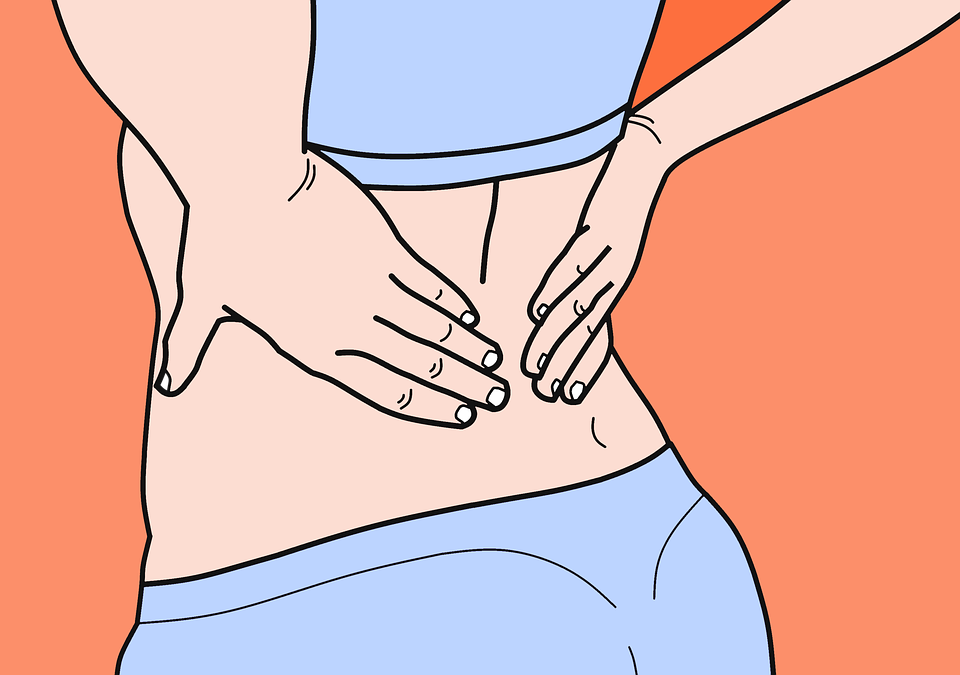
There are many pain related moans and groans that people like to have. If anything, we’d say that one of the hot topics as you start to get older is how much you ache and how horrible you feel. Anyone would think that we’re 80 years old with the types of ache and pains that we have. And if we were to pick a most common complaint, it would definitely be back ache. Back ache can seriously be crippling, and it can happen for so many different reasons. It could have been a childhood sports injury that’s not finally showing its true colours, or it could even be weight related, which is one that a lot of people forget about or don’t associate with back ache. But one thing we do know, is that backache can simply be life changing, especially as we start to get a little older. It can stop us doing some of the things that we seriously know and love, and it can even lead to depression!
Backache is something that we usually just get on with, simply because we accept our fate and believe that’s how we should live our lives. But there are some small causes that you could easily address, and then your back ache would just melt away. So the first is your posture. Your posture is going to have changed now you’re in the working world, and one of the ways it changes is because the majority of us are slumped over a desk at work. So this might sound a bit extreme, but there are back braces that you can buy off Amazon that pull your shoulders back, and straighten out that spine. Definitely something worth considering, especially if you look in the mirror and you can see that years behind a desk have created a little slump!
Serious Issues That Need Addressing
Some back problems go a little bit further than slumping over in the chair. Some of you will be suffering with the pain that you are due to serious issues, you’ve just been putting it down to poor posture, or the fact that everyone else seems to have backache too! So if you know it’s not your posture, and you know that the pain is getting more severe as time goes on, then a spinal specialist is who you need to see. Even if you have a consultation and they say it’s nothing serious, they’ll be able to give you the best recommendations that will give you the best outcome!
Simple Daily Changes!
One daily change that you can make, is starting the day with a good stretch. We’re actually meant to stretch daily, but do we? No. Stretching allows those muscles and joints to open up, not just in your back, but all over your body. The more flexible you are, the less stiff you’re going to be, and the less pain you’re going to feel! There are plenty of stretching routines specifically for the back that you can try!
Contributed Post.
If you like what you’ve read here, please let others know of this post, blog, and site.
We live in a society that is constantly reaching for the next level of peak health and appearance, using only naturally effective methods.
No pressure, right?
Despite this never-ending climb, one little plant is paving the way for people to reach their health and wellness goals: hemp. Hemp oil is a nutty and flavorful oil that is extracted from the stalks or seeds of the hemp plant. There are different uses for each type of hemp oil, each offering its own array of uses and unique wellness benefits.
Three powerful uses for hemp
Hemp oil’s benefits are so bountiful and unmistakable that scientists studied it in-depth even while it was banned in most of society, including the U.S. Thankfully, the 2018 Farm Bill completely cleared the air and legitimized hemp’s legality by separating it from its notorious cousin, marijuana. Both are from the cannabis family, but hemp doesn’t get you high.
There’s no doubt more benefits will be discovered, but for now, let’s jump into what hemp oil has already proven.
Hemp seed oil uses for cooking
Hemp seed oil offers a healthy alternative to vegetable oil, canola oil, or butter.
Its delicious nutty flavor makes it perfect for sautéed vegetables or meats, salad dressings, or dipping in bread. The main reason for swapping popular oils for hemp seed oil, is because of the wellness benefits it offers. It’s very high in essential fatty acids (EFAs), with a perfect 3:1 ratio of omega-3 and omega-6. As the name suggests, EFAs are essential for human health.
Another nutritious benefit of hemp seed oil is its content of insoluble fiber, protein, and array of minerals such as potassium, magnesium, iron, zinc, and calcium. These nutritional benefits make hemp a great choice for anyone, including vegetarians and diabetics. Aside from being extreme healthy, hemp seed oil is a delicious and flavorful alternative to vegetable oil and butter.
There is one catch. Using hemp seed oil to cook has some limitations. Mainly, it can smoke at low temperatures, so it should not be used for frying or deep-frying.
The other thing to keep an eye out for with hemp seed oil, is if it is being sold as either hemp oil or CBD hemp oil. Hemp seed oil does not contain cannabidiol (CBD) like hemp oil does. Therefore, hemp seed oil is much less expensive than CBD hemp oil or commonly referred to as CBD oil.
CBD hemp oil uses for health
Hemp oil is a loose term often used to talk about oil from any part of the hemp plant. It’s vital to distinguish the different types, so this next one is typically called CBD hemp oil or more commonly, CBD oil.
Oil extracted from the mature stalks and flowers (NOT the seeds) of the hemp plant contain an incredible compound called cannabidiol, or CBD for short. CBD interacts with the Endocannabinoid System to support a healthy balance throughout the body. Studies have shown it has potential for concerns related to anxiety and inflammation, with virtually zero side effects.
The benefits of CBD hemp oil don’t stop there. It’s also packed full of important vitamins and minerals that are important for your daily regimen. Most CBD oil supplements also feature the therapeutic benefits of plant terpenes.
It’s worth noting the potential medical uses for CBD hemp oil that are being studied. CBD research topics include inflammation, anxiety, PTSD, sleep, and much more.
Popular types of CBD hemp oil products
CBD hemp oil can be added to your diet in many ways, such as edibles, pure extracts, and even flavored tinctures. Edibles are available as gummies, chocolates, and more. Pure extracts are straight CBD hemp oil with no added ingredients. Finally, tinctures are liquid extracts from the hemp plant and come in many flavors. These liquid drops are a great way to enhance your diet and supplement your nutrition.
If you are just starting out with CBD hemp oil, our CBD Oil Buyer’s Guide is a helpful place to figure out which product type to start with.
Hemp oil uses for skin
Believe it or not, the benefits and uses of hemp oil are not limited to food or supplements. Hemp oil is becoming increasingly popular in cosmetics including lotions, shampoos, sunscreens, lip balms, and other skin products.
Hemp oil is rich in vitamins A and E, which act as antioxidants that heal the skin. It also contains fatty acids that keep the skin hydrated, and calcium to keep it smooth. For these reasons, it’s becoming wildly popular for rashes and dry skin. We’re starting to see hemp seed oil added to products like moisturizers and lips balms as well.
However, it’s still fairly uncommon to find skin care products made with CBD hemp oil. The skincare benefits of CBD are nothing short of amazing, particularly for inflamed muscles and joints.
With so many amazing vitamins, minerals and compounds, CBD hemp oil is a natural defense against dry, aging or sore skin.
Where does hemp oil come from?
Hemp oil can come from the seeds, stalks, or flowers of the hemp plant. Depending on which part it’s extracted from, it creates different types of hemp oil.
Hemp oil that comes from the seeds is rich in nutrients, vitamins, and EFAs. It does not contain cannabinoids, like CBD.
When hemp oil comes from the stalks or flowers, it contains a blend of cannabinoids (CBD, CBDa, CBN, CBC, CBG), terpenes, and other phytonutrients.
Difference between hemp oil and CBD oil
Sometimes there’s a major difference between hemp oil and CBD oil, and other time they mean exactly the same thing. It’s all about the context.
Hemp oil can refer to the oil extracted from any part of the hemp plant, even though we know there’s a huge difference between them. Both are, technically, “hemp oil.” It makes sense to use this term in either situation, but then how do we know what we’re actually getting?
If you buy a “hemp oil” salve with the hope it’s going to soothe sore muscles, fingers crossed it contains CBD or the benefits probably won’t meet your expectations. Find out how many milligrams of CBD or “hemp extract” are in it before buying.
Full Spectrum Hemp Oil vs CBD Isolate
Hemp oil can be considered “full spectrum” or sometimes called “broad spectrum” when it contains not only CBD, but also all the other plant parts in hemp.
CBD isolate is what you get when all plant matter and “full spectrum” characteristics are stripped away, leaving only CBD. CBD isolate should not be considered hemp oil, though it may be derived from hemp because it is only CBD and does not contain the other plant nutrients.
Make sure you do your research on the product to verify if it is in fact CBD oil or hemp seed oil. If you’re looking for a CBD oil salve, it’s a good idea to ask the manufacturer for lab test results to verify how much CBD is in it.
Hemp oil benefits
Hemp oil is considered a superfood thanks to its wide scope of nutritional and health benefits. Keeping in our important theme of separating the two types of hemp oil, let’s look at the benefits of each separately.
First up is hemp oil from the stalks of the plant, which contains several uniquely powerful compounds.
This type of hemp oil offers the benefits of cannabinoids. A wide range of cannabinoids can be present in hemp oil, like CBD, CBDa, CBC, CBG, CBN. By a long-shot, however, CBD is the most abundant of the group. Cannabinoids interact with our endocannabinoid system to support important functions in the brain, central and peripheral nervous system. This system aims to keep us in homeostasis, so it must have a tight hold on inflammation, anxiety, and stress.
Another benefit of hemp oil comes from the terpenes. While that may be an unfamiliar word, you’re most likely already familiar with their benefits. Terpenes are found in all plants, they are the reason for the benefits popularly associated with essential oils, like peppermint oil (terpene = menthapiperita).
Not only do terpenes attribute to the plant’s aroma and flavor, the therapeutic properties play a major role in the benefits of hemp oil. When cannabinoids and terpenes are working together, they enhance the benefits in what’s known as the entourage effect.
Bottom Line
Hemp oil is a natural product that offers a multitude of uses to support health and wellness. This versatile oil can be used in cooking, supplements, or skincare and provides a multitude of added nutrition. With so many different options for use, hemp oil can easily become part of a nutritional program that can help users improve and maintain their overall health.
Fed of buying unreliable cars? Finding a car that runs smoothly could save you a lot of money and hassle in the long run. Here are a few tips that can help you to guarantee a reliable car.
Consider buying brand new
The best way to guarantee reliability is to buy a car brand new. That isn’t to say that brand new cars don’t still have their faults – however you won’t have to deal with any wear and tear problems. The downside of buying a brand new car is the cost and many people may simply not be able to afford this option.
Use a trusted dealer
When it comes to used cars, the credibility of the dealer is important to take into account. A good dealership will only sell cars that are in acceptable working condition. You can find these dealers by asking for recommendations off of family and friends, as well as reading reviews online.
Choose a reliable brand
Certain brands have a good track record when it comes to producing reliable vehicles. For instance, Mazda is usually regarded as a pretty reliable brand. Try looking for dealers that specialise in such brands such as Renton Mazda. Avoid brand and models that have a bad reputation when it comes to faults.
Check the mileage
The more miles a car has done, the more wear and tear there’s likely to be. This means a greater chance of faults. Modern cars tend to have a ‘life expectancy’ of 200,000 miles – at this stage, most of the parts will likely need replacing. For more chance of reliability, you should usually aim for under 100,000 miles. Sites like Cenex offer for information on mileage.
Look into the vehicle history
It’s worth also considering the vehicle’s history. If there’s a long history of faults and repairs – and if the vehicle has switched hands lots of times – it could be a bad sign. You may also want to be wary of vehicle that’s been sitting idle on someone’s drive for years – a car that hasn’t run for a while could be as much of a problem as a car that’s got too many miles on the clock.
Bring a mechanic/knowledgeable friend with you to view the car
Bringing a mechanic or knowledgeable friend along with you could be beneficial. They may be able to take a look under the bonnet and spot any problems that may not be obvious. They may also know certain questions to ask the seller.
Always go for a test drive
A test drive can be a great way to see how a car feels. It may allow you to spot problems such as sticky gears or steering issues that you wouldn’t have otherwise known about. A trustworthy seller will always offer a test drive – if they refuse, it’s probably because they’re hiding something.
Contributed Post.
If you like what you’ve read here, please let others know of this post, blog, and site.
It’s easy to discount the experience of someone working in retail, or in hospitality as a water or point of sale staff, as it’s a job many people work, and is often considered to be the lowest rung of said industries. But to continue discounting them and consider this work unskilled is patently wrong. An employee working at a cash register will encounter many situations in the course of one day that will require them to exercise their best judgement. Treating them as automatons will only show you your own biases as a manager, and odds are, this perspective will lead your staff turnover to be pretty high.
But it’s not enough to appreciate and care for the experience of those at the front line at your business. It is also essential to keep them as safe as you can. As you can imagine, continual and repeated contact with the public can potentially open them up to a higher statistical likelihood of danger, particularly in places such as liquor stores, where denial of service might be a regular occurence.
With our advice, you’ll keep them as safe as you can:
Allow Them To Refuse Service
It is essential you afford your staff the ability to view a situation and manage it to the degree they are comfortable. When staff face many customers in a day, there’s a chance that at least one of them will cause a problem. Alternatively, in order to enforce certain legal codes, they may have to refuse service completely. Allowing them to do this indiscriminately should they choose to can help them avoid further confrontation with someone who is being disrespectful, or who may be causing trouble.
Cover Them
CCTV integration is excellent in that it can help your staff have video evidence of an issue they might be facing, prove their worthwhile conduct, or even catch those who have bad intentions before they walk into the store. Additionally, with a security team member continually viewing these feeds, they can react to issues that a staff member may not otherwise be able to respond to. Additionally, if you have the chance for it, a panic button under their station could help them alert your security to trouble and will help them become much safer in the event of an incident.
Manage Them Well
It’s not as if the only risks your customer-facing staff face will come from your customers. How you manage them is important. Do they have access to appropriate breaks? Do they have a chair to sit in or are you making them stand in a stationary spot for a 10 hour shift? Do you have a means to allow them to report issues to you confidentially? How do you ensure they are energized and motivated? Can you identify burnout where you see it and how do you progress from there? It’s these questions that make you a better management, and then additionally help you enjoy a better workforce.
With this advice, you are certain to keep your customer-facing staff as safe as possible.
Contributed Post.
If you like what you’ve read here, please let others know of this post, blog, and site.
In recent years, carb counting has become a major point of dietary emphasis. With many low-carb diets such as keto and Atkins becoming more commonplace, it’s crucial to account for carbohydrates properly.
The problem is, there’s an ongoing debate between whether carbs or “net carbs” should be counted as part of one’s macronutrient profile. While some groups argue total carb count is a more precise measurement, others disagree with this sentiment.
Not all carbohydrates have the same effect from a dietary perspective. While some are more digestible, others tend to pass through the body without being absorbed.
It’s important to understand the differences between carbs and net carbs so that you can determine which form of measurement is most conducive to your lifestyle and goals.
Let’s take a deeper look at various types of carbs and what roles they play within your body.
Let’s Define a Carbohydrate
Before we dive into net carbs, it helps to know what a carb actually is in the first place.
Carbohydrates are an umbrella term for molecules containing carbon, hydrogen, and oxygen atoms. There are two main types of carbs found in the foods we eat—simple carbs and complex carbs.
Simple carbs are found mostly in sugary foods and contain only one or two sugar unit molecules which can affect how quickly the food is digested and absorbed. Some examples are fruits and foods containing table sugar, like soda or cookies.
Complex carbs are slower-digesting in nature and contain several sugar units linked together. They are often found in whole grains, starchy vegetables, white and sweet potatoes, carrots, and oats.
While simple and complex carbs can be used as an energy source or stored as fat.
If a person consumes more carbs than needed, the body will convert excess carbs to fat.
There are other types of carbs which are not readily digestible by the body.
Fiber is different from the other two forms of carbohydrates. While it is similar in molecular profile, it does not provide a direct form of energy—it passes through the body without being digested and absorbed into the bloodstream for energy. The main role of fiber is to feed friendly bacteria in the digestive system.
Sugar alcohols also fall under the carbohydrate umbrella. They are typically used as a form of sweetener and contain only half the amount of calories as traditional carbohydrates. They are added to food as a reduced calorie sweetener and as a bulking agent.
Although each of these are considered carbs, the body handles each of them differently. It’s these differences that allow us to think that not all carbs are created equal, and we shouldn’t look at them as all playing the same role without our body.
Net Carbs Explained
Net carbs refers to carbs that are absorbed and processed by the body.
Simple and complex carbs are found in foods we eat. They are broken down in the small intestine and later become used as a source of energy in the body.
Those other types of carbs, such as fibers and sugar alcohols, can’t be broken as easily. Because our bodies don’t actually absorb these types of carbs (to use them for energy), many people subtract fibers and sugar alcohols from overall carbohydrate amount.
This is often where debate tends to arise.
While some count every single carb in their diet, others subtract fiber and sugar alcohols because the body does not retain these macronutrients in the same manner. Carbs are hiding in your favorite drinks
Why is Fiber Different?
Unlike other forms of carbohydrates, fiber is not directly used as a natural fuel source for the body. It passes directly into the colon and can’t be broken down by enzymes in the digestive tract. Because of this, less than half the total carbohydrates from dietary fiber are metabolized to glucose.1
Fiber is best known for its ability to relieve constipation, especially soluble fiber (hello fruit, oatmeal, avocados and broccoli!), but can also provide several other health benefits.
Elevated fiber intake has been shown to reduce the risk of colon cancer in one study, but as mentioned earlier, this cause and effect action is now being debated among the scientific community.2 Another review looked at 22 publications and found dietary fiber was associated with a lower risk of cardiovascular disease and coronary heart disease.3
Fiber consumption may be linked to lowering the risk of developing serious diseases.
The FDA Daily Value for fiber (the daily recommended amount) is 25 grams per day based on a 2000 calorie diet.
Even within fiber, there are two main types—insoluble and soluble fiber.
Insoluble Fiber
Insoluble fiber does not dissolve in water and can help speed the passage of bowel movements thereby preventing constipation. It contains no calories, nor does it spike blood glucose or insulin levels, and isn’t broken down by the gut.4
Insoluble fiber helps keep bowel movements regular and helps maintain a healthy digestive system. It’s typically found in the stalks, skins, and seeds of foods such as whole grains, nuts, and veggies,
Common foods with insoluble fiber include:
Beans
Whole wheat
Bran
Potatoes
Cauliflower
Nuts
Green beans
Insoluble fiber is an important part of a healthy diet that can help support several bodily functions.
Soluble Fiber
Soluble fiber dissolves in water and is digested by bacteria in the large intestine.
One of the benefits of soluble fiber is its ability to help you feel full (and potentially, this can help you lose weight). A study performed on soluble fiber found that consuming 14g per day was associated with a 10% decrease in energy consumption (less food eaten) and weight loss of 1.9kg over a four month period.5
As soluble fiber goes into your colon, it becomes short-chain fatty acids, which can help improve gut health and reduce inflammation.6 A meta analysis also looked at those with high fiber consumption and found soluble fiber can also help reduce the risk of developing type 2 diabetes.7
What are Sugar Alcohols?
Sugar alcohols are processed in a manner similar to fiber—they are not directly absorbed by the body. They’re found naturally in foods and can be used as low calorie sweeteners and bulking agents. Typically, they are used as sugar substitutes that contain about half the amount of calories as regular sugar.
As the name suggests, they’re a hybrid of sugar molecules and alcohol molecules.
Their chemical structure is similar to sugar, and thus have the ability to activate sweet taste receptors on your tongue. That’s part of their allure: sweet taste, far fewer calories.
You will typically find sugar alcohols in foods such as chewing gums, ice creams, frostings, cakes, cookies, candies, as well as some foods that claim to be low in carbs or sugar.
The most common sugar alcohols used today include:
Erythritol
Isomalt
Maltitol
Sorbitol
Xylitol
Erythritol has the least amount of net carbs. 90% of it is excreted in urine and only 10% enters the colon.8
There are limited studies available on sugar alcohols, but no known studies have shown raised insulin or blood sugar levels as a result.9 Studies have shown, however, that some individuals do not process sugar alcohols well and report excessive gas and sometimes, diarrhea.10 This is because sugar alcohols are fermented by the gut microbiome (fermentation produces gas as a by product) and because they affect the osmolarity within your intestine (they cause excess water to end up in your stool/colon). This response often depends on the amount consumed, so if you’re thinking of adding sugar alcohols to your diet or increasing the amount, do so cautiously.
How to Calculate Net Carbs
If you choose to use net carbs as a basis of your dietary calculations for macronutrients, it will help to make sure you are accurately accounting for them. Net carbs are calculated differently for both fiber and sugar alcohols. Be sure to read nutrition labels closely as “net carbs” are not listed separately.
Net Carbs from Fiber
Calculating net carbs using both carbohydrate and fiber amounts is super simple.
If you are eating whole foods containing fiber, simply subtract the fiber from total carbs to calculate the net carbs.
For example, an apple contains 25g of carbohydrates and 5g of fiber. The result would be 20g of net carbs. This is a little more difficult when consuming those whole foods because they don’t have nutrition labels. But a simple online search should help you give you a pretty accurate estimation.
If you’re consuming foods with a nutrition label, both carbs and fiber should be listed and thus, net carbs easily calculated.
Net Carbs from Sugar Alcohols
In most cases, half the carbs from sugar alcohols can be subtracted from total carbs. For example, if a food contains 8g of sugar alcohols, you can subtract 4g from total carbs to determine net carbs.
One exception to the rule is Erythritol. The carbs from Erythritol can completely be subtracted from total carbs.
Most of the time, you’ll be subtracting fiber from carbohydrate amount to determine net carbs. Sugar alcohols are less common, but check nutrition labels to see if what you’re eating contains them, and make this part of your calculation when determining net carbs
Should You Use Net Carbs?
People debate about whether counting net carbs provides a more accurate representation compared to total carbs.
Using net carbs will allow for more dietary flexibility because you’re able to eat fiber-rich foods without consuming too many carbohydrates. There are also numerous health benefits associated with fiber consumption; a study performed on individuals who regularly consumed fiber showed improved blood sugar levels and lower cholesterol.8
On the other hand, people on a keto diet may argue against net carbs because the carbohydrate amount you’re consuming may take you out of ketosis. Not all people process fiber the same way—therefore, it’s important to understand what works best for your body.
People trying to avoid carbohydrate intake may tend to eat more sugar-free problems, which can lead to other health problems such as weight gain, metabolic disorders, and type-2 diabetes.11
When it comes down to it, using net carbs can be an imperfect science. Using total carbs can help provide a better framework for helping you to stick to your diet. However, if you eat lots of fibrous foods such as vegetables, using net carbs may be the perfect choice for your lifestyle. Or, if you’re on keto, and you find yourself constipated, consuming more fiber might be advantageous. You may have avoided those carbs to stick to your macros, and in the process, avoided fiber as well.
No matter if you choose to use net carbs or not, always make the dietary choices that best fit your individual lifestyle and goals. The best diet will always be the one you can stick to long-term.
Contributed Post.
If you like what you’ve read here, please let others know of this post, blog, and site.
Ask anyone and they will be able to tell you what the house of their dreams looks like. For some, it’s a treehouse, like a grownup version of what they had as a kid; for others, it’s a chic city pad with views to die for. But no matter what your dreams are, if you have the time, money and passion, you can almost certainly build your perfect home.
If it’s time to move house but you can’t find anything you really want on the market, now is the perfect time to think seriously about building your dream home.
Research Building Methods
Unless you are an architect or builder, you probably won’t have much of an idea about how the building process works. In some ways, this gives you an advantage because you can dream up your scheme without any limitations and then research how to make it happen. If you work the other way around, you could quickly stifle your dreams simply by ignoring possibilities and going for convention.
The building industry is full of different choices from High Rise Pump Hire mechanisms to pour a concrete slab to build on through to seaming a zinc roof. This means that while there are some building conventions, as long as an architect approves your ideas, you can use a wide range of building methods to get the finish you want.
Find the Right Place to Build
Finding the right plot is essential for any design. This is because you need to work with the land to create the perfect design, you can’t just drop your design onto the land and hope it works. Finding a plot in the right location can be tough but if you are open-minded and willing to think outside the box, you should be able to find something within your budget and location.
Location is the only factor you can never change in a property (unless your house has wheels) so you must think carefully about where you want to live. For example, while a secluded hilltop might give you what you want in theory, a long hard winter could quickly put you off!
Refine Your Design
When you refine your design, you need to think about two main things: how usable is the space you have dreamed up and how affordable is it to build? Building an affordable house is definitely possible if you are willing to make a few tough choices. An architect is usually best placed to help you turn a dream into a refined design but do take your time in choosing the right person to help.
Refining your design should be just as creative a process as your dream house but this time, you need to think within a few practical parameters including the cost to run as well as to build. As you refine your plans, you might find that what you come up with actually works better than the dream might have done – especially now you are designing for a particular plot of land. Remember, what you are creating in reality has to be liveable first and foremost!
Contributed Post.
If you like what you’ve read here, please let others know of this post, blog, and site.













 lifespaceblog