Unknown's avatar

The Stress You Don’t Need When Moving Home

Did you know that many recent polls indicate moving home as one of the most stressful, if not the most stressful, events that can happen in a lifetime? Much of that stress is down to the process of selling and buying a home and the many legal or financial complications that can arise from it. But the actual moving day itself can play a huge role, too. A stress-free move isn’t impossible, however, and we’re going to look at problems that can get in the way of it.

Pic Link

Moving through a mess

Organising all your furniture and possessions can already be enough of a struggle, but if you’re doing it with a lot of unnecessary additions then it becomes even more burdensome. The best way to make packing and moving much easier is to give yourself less to work with. Long before you start packing, do an inventory of everything you own in the house. There are plenty of ways to get rid of unwanted items, from selling them to donating them, as shown by Allianz. Clutter isn’t just going to give you more work, it’s widely acknowledged to be an inducer of stress, as well. Strip down your belongings to the essentials.

Doing five things all at once

Getting rid of your unwanted goods can immediately cut down the workload, but that doesn’t mean you’re not going to still have a lot of work to do. Rather than picking one task at a time to tackle out of a seemingly endless list of chores, make a moving schedule. Schedule a day for packing in different rooms, for getting in contact with your movers, for cleaning the house one last time and more. As packing can often take the longest time, it’s a good idea to get started with that before anything else. The clean, on the other hand, should be done as late as possible when you have fewer boxes obstructing the task. Managing your time well is crucial. Plan enough in advance, and you can escape the threat of a looming deadline.

Packing without a plan

Packing isn’t all about finding enough boxes to fit all your stuff. You can make both your life and your movers’ jobs significantly easier by taking a more organised approach as shown at Real Simple. For one, think about where your boxes are going to go and make it easier for them to find the right destination. Label them with the rooms that they’re supposed to be going to. You can make the system even more efficient by using post-it notes in different colours to differentiate them. Right before moving day, place them so they’re easier to move, with the largest boxes and furniture being as close to the front door as possible without getting in the way.

Pic Link

Taking care of your own car

If you’re moving a short distance, such as in the same state or the same town, then driving your own car from the old home to the new isn’t much to worry about. You can even save some money by using your own space to transport some goods instead of using a larger removals van. However, if it’s a trip across state lines, then it’s well worth considering how services like Jayde Transport can help. It might cost a little more to use them, but having it transported for you allows you to take a plane instead of having to drive all day and all night. That gives you one less thing to worry about until you’re ready to pick it up from the depot.

Doing it alone

Depending on how much you have to move and how far you have to move, trying to go it alone can be difficult to the point of recklessness. It might include multiple trips and even multiple days to complete the move. By the time you’re done, you’ll be so exhausted that the prospect of unpacking becomes unbearable and your first night in the new home is a miserable experience. If you have the budget for it, it can save a lot of time and effort to hire a moving company. However, you can save money by asking friends to help, as well. Just make sure you get them a gift to show your appreciation if they do.

Having one plan

Always assume that your plans can go pear-shaped. If you’re planning on using a moving company, be aware that they might have to cancel with little warning. For that reason, always have a backup ready. Have a friend waiting on standby to help if you really need them. Check the availability of other moving companies and see if there’s one you could hire with very short notice. You might end up paying more, but it beats having to delay the move entirely if your initial plan falls through.
Pic Link

Not having an overnight bag packed

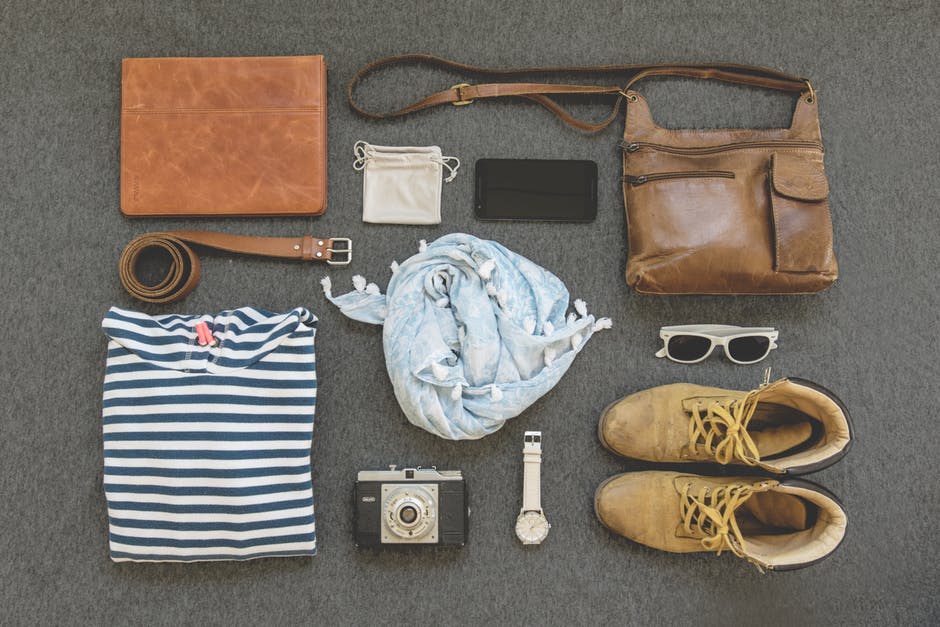
You have to be aware of the fact that your move might not be complete within a single day, either. You could arrive before your possessions, especially during a cross-country move, or you could find yourself arriving when it’s already late in the evening and it’s going to be difficult to get the beds unpacked. Even if you don’t want to do it, plan for an overnight stay without the majority of your possessions. Bring sleeping bags and pack an overnight bag so you can stay comfortable and get some sleep even if you’re not able to set up in the new home just yet. Your overnight bag should also contain some of the most important documents proving you’re the new homeowner in case you arouse any suspicions.

Moving home can be stress-free, but that doesn’t mean it’s guaranteed. Make sure you’re in the best possible condition to deal with the hassle of moving day. That means getting a full night’s sleep beforehand and keeping yourself fed and hydrated for the ordeal to come. It can be trying enough already, you don’t need to be tired and starving on top of the stress.

Contributed Post.

If you like what you’ve read here, please let others know of this post, blog, and site.

And thanks for reading!  🙂

Unknown's avatar

How Do You Know If You’re Really Healthy?

https://www.pexels.com/photo/portrait-of-beautiful-young-woman-over-white-background-255268/

The word certainly means something different to us all, but it means well. Because when you’re looking to be healthy, you’re keen to do something good – be something good. Health is precious; but it’s not always to know when you’re is in a good a position as you’d hope it would be. Sometimes, your bad habits can creep in, or the things that you consider to be healthy turn out to be worse for you than you think. So, it really can be difficult to know whether something really is good for you or not. And how are you meant to ever really tell? Well, if you’re keen to work out what’s best for you, here’s how can you can do it.

Get A Medical

Of course, the most obvious way to find out how healthy you are is to head to your doctor’s office and ask them! Getting a medical seems like something you need to do when you’re sick, or you’re worried about your health. But it can even be something good to get every once in a while – just to make sure that you are actually healthy. Because your vitals won’t lie. Speak to your doctor about your currently lifestyle and habits and see what they think – they’ll be able to tell you if you need to make any healthier changes.

Write A Diary

Another great idea for you to be able to work it out for yourself if to keep a health journal. This can be something that seems hard to do, especially if you’re worried about remembering to write in the diary in the first place, however it can be a great way for you to be honest with yourself and track how you’re progressing. By writing down your daily activities, along with what you eat and drink, you’ll get a good picture of your lifestyle overall.

Get Educated

Sometimes, the only way that you can really know how healthy you are, is to know more about food, exercise, and everything in between. By reading up on things that you do, like smoking or yoga, and even investigating things you’re considering, like the AlgaeCal plant calcium side effects, you’re going to be more educated. Then, you can use your education to make healthier decisions going forward.

Track Your Progress

Just like writing a diary, you should consider tracking your health progress with photos too. Progress photos can be great if you’re trying to get into a healthy weight range. Sometimes, scales just aren’t right. But tracking your progress with photos can show you just how healthy you’re becoming.

Know Yourself

Above all else, you should know in yourself if you feel healthy, and how to ensure that you can make changes for the best. Because how you actually feel in yourself is often the best and most accurate indicator. If you feel run-down and lifeless, then it’s a general indicator that you need to make a change. But if you feel full of energy and life, then you know that you’re on track. So know yourself and listen to how you feel, and you’ll always stay on track.

Contributed Post.

If you like what you’ve read here, please let others know of this post, blog, and site.

And thanks for reading!  🙂

Unknown's avatar

There’s Gold In Them There Hills: Finding Income From Property

As you get older, it becomes clear that to really secure your future and live comfortably, one job might not be enough. Those with real financial smarts look for other ways to find income. A second-job is one of the most time and energy inefficient ways of doing it however and just isn’t healthy for most people. Could property be the answer you’ve been looking for, instead?

Link to Picture

Becoming Mr. (Or Mrs.) Landlord

By far the most common thought when it comes using real estate as a source of income is to buy-to-let a property. It’s an industry as old as time and with more people turning to rental properties rather than buying homes straight-up, it’s a growing field with opportunities still out there for the taking. However, how profitable it is depends on how hands-on you are willing to be with it. You have responsibilities as a landlord that have to be fulfilled somehow. You can take care of maintenance, repair, advertising, and finding tenants yourself at little cost. Or you can choose to partner up with an agency that can do much of the heavy lifting for you. If you go down the latter route, make sure you get a thorough idea of how the agency works, not just in advertising, but the quality of tradesmen they use for repairs and so on.

In the biz

You don’t have to rent out to private individuals, either. Depending on where you are and the increase in new business, you could make more money per square foot by renting out space to business owners, as well. There’s a new industry growing around this as well. If you’re willing to run the building like a business and be thoroughly involved in its upkeep, you could run your own co-working space. Many freelancers and small teams that can’t afford their own property will instead come together to share a single working space. As a property owner, it offers you a broader market to target instead of relying on one income source.

Life’s a beach

The final rental property we’re going to look at is the idea of buying a vacation home. Vacation homes are significantly higher value than most other kinds of property. In time, its worth will likely increase so you can always rely on the fact that you can sell it even if it isn’t making much of a return through rentals. As popular as vacation homes can be, after all, they are largely dependent on the calendar. Most will not make even a fraction of what they earn when it’s “in season” for tourism in that particular location. Then again, there is the added perk of owning your own vacation home to use as you like.

Link to Picture

Good soil from growing

It’s not the most traditional option nowadays, but once upon a time land was most valuable because of the income that could be made from farming. There are still plenty of teams like Ranch Marketing Associates, LLC selling high-quality ranches that could end up being a valuable enterprise in their own right. There are more ways to make money from a ranch than by raising livestock or planting crops, however. You can run businesses on the side such as using it a tourist destination, using it to care for horses or rent them out for rides. If the land is picturesque, then that’s plenty of profit potential there alone. Don’t underestimate the value of good rural land.

Land with value

In general, don’t underestimate the value of land itself. When people think of real estate, they think of buildings, but sometimes the land can be significantly more valuable. If you’re able to get your hands on a large portion of land in the right place, it could be one of the most passive, hands-off forms of income you might ever find. As BWAB says, your mineral rights alone could make you a lot of money from oil and gas companies. Then there are other ways your land might be valuable such as logging offers if you own woodland or selling it to a real estate developer down the line. Of course, it’s not a good idea to buy land based on the speculation it might one day be valuable. It’s better to choose land that already has value, such as a ranch, with the knowledge that the volume of land might provide extra value down the line.

From flip to flip

Flipping houses is a high-risk, high-reward way to invest in real estate. It’s all about purchasing homes at well below market price, developing them, and selling them for a significant profit. Becoming a real estate developer takes a lot of work, so it’s not likely to be a side-gig or an extra source of income as opposed to a particularly lucrative main source of income when you get it right. But you have to know not only how to add value to a property or negotiate. You have to know the market with pinpoint precision, being able to tell which markets are up-and-coming and which potential buyers they best appeal to and how to target them.

Link to Picture

Get those dividends

Most of the examples above demand that you think of real estate not like any other investment, but rather like an asset that you use as a tool to make money or that you improve before selling. However, another way of taking a hands-off, passive income approach to real estate is to use investment platforms like Realty Shares to join up with other investors and developers. Rather than being responsible for the property yourself, you use some knowledge of the market to choose the right investments, often providing capital to a developer, and hoping for a return. Some people see it as a riskier move to make yourself less responsible for the property, but it’s a good option for those who don’t want real estate to take up too much of their time.

There are a lot of ways to supplement or even get your base income from property. Renting might be the most commonly used option, but it’s not the only one. Real estate is a broad market, with plenty of opportunities for enterprising minds. Could it be the revenue stream you’ve been looking for? Could it be where you thrive?

Contributed Post.

If you like what you’ve read here, please let others know of this post, blog, and site.

And thanks for reading!  🙂

Unknown's avatar

Are You Putting Yourself At Risk By Doing These Things Every Day?

Many people don’t realize that the habits they form and do every day can seriously impact their lives – either in a good or a bad way. Most of the time, little habits can seem innocent enough, but in reality they are wasting your precious time on this earth and distracting you from what’s truly important.

Take stock of your life and ask yourself whether you do these things every day. If you do, then it could be time to stop:

Hydrating With Caffeine

Many people start their day off with a cup of coffee, and if studies are anything to go by, a couple of cups in the morning is nothing to be concerned about. In fact, coffee in small amounts has the potential to be good for you. That being said, drinking coffee well into the afternoon can easily disrupt your sleeping pattern – switching to something caffeine free is a better idea. It’s important to remember that lots of other things contain caffeine too, from fizzy drinks to chocolate. Make sure you’re limiting your caffeine intake, or you could find yourself restless and anxious. Drink plenty of water and other non-caffeinated beverages too!

image

Spending Countless Minutes/Hours Online

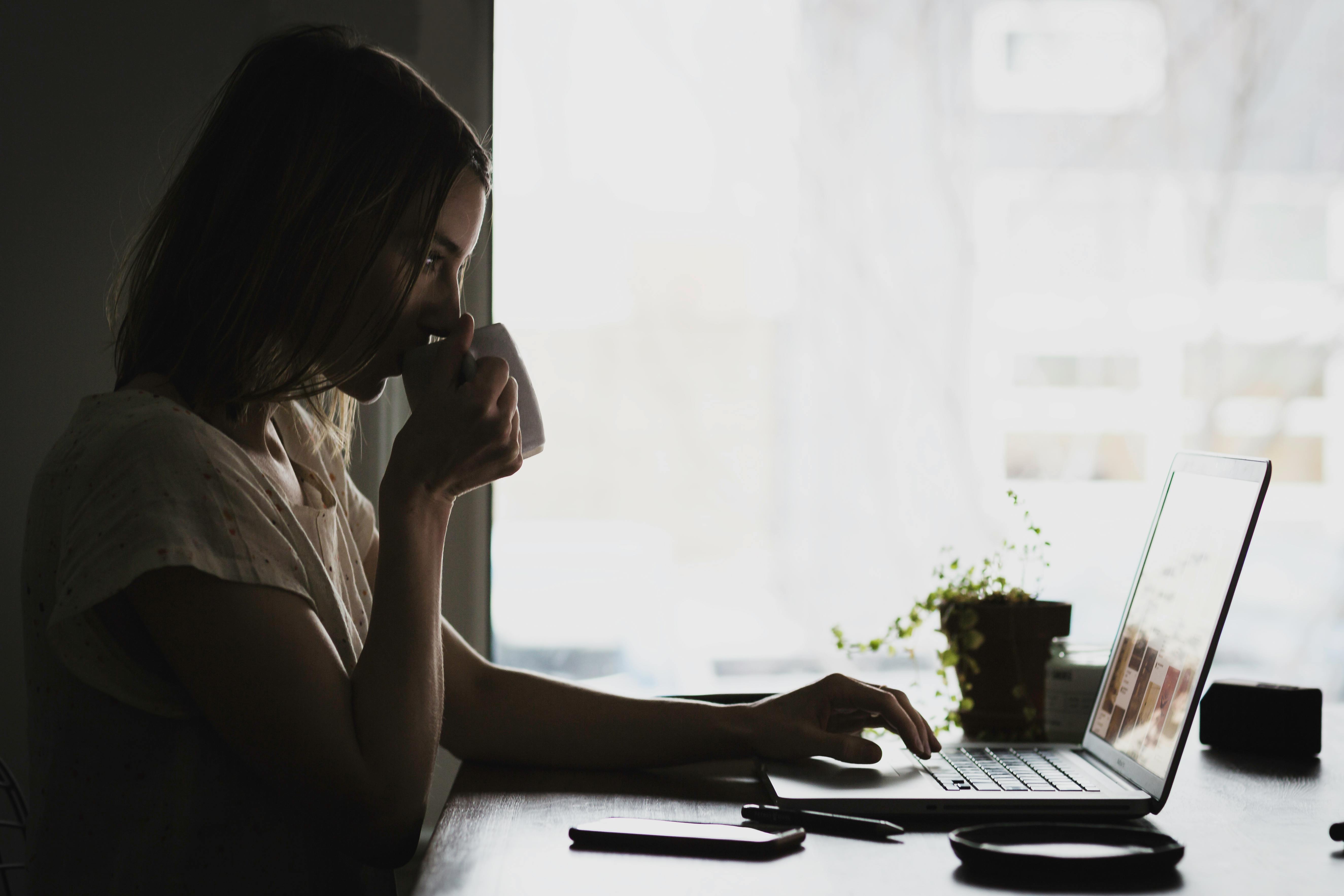
Spending too much time online is not good for us. If you work online, then there isn’t much you can do, but you should make an effort to get away from the computer and spend time outdoors if you can. Take regular breaks, and don’t sit in front of the screen for too long. This is another thing that can mess with our natural circadian rhythm, as well as cause untold amounts of stress. Don’t live your life online and make sure you interact with real people instead.

Driving Dangerously

There are many road accidents every day, all over the world. Many of which could have easily been avoided. If you’re casually checking your phone while driving, changing CDs, or taking your eyes off the road at all for any reason, you are driving dangerously. If you’re driving too fast, or even too slow, this is also driving dangerously. Driving without indicating, driving without making sure your car is fit to drive, all of these things amount to dangerous driving. You owe it to yourself and other road users to pay attention at all times, and make sure your car is fit for the road. While there are companies like Morris James Personal injury Group who specialize in helping after an auto accident, you don’t want it to get that far. Make sure you drive safely, and you won’t have to worry. Everybody thinks that it won’t happen to them, until it does.

Getting Up And Going To Bed At Different Times

Another one about your natural body clock and circadian rhythms. If you’re getting up and going to bed at different times, as well as snoozing your alarm, you’re wreaking havoc with your body’s natural rhythm. You should be getting up at very similar times each day, as well as going to bed at very similar times. You’ll get into a natural pattern this way, and you should fall asleep easier and even be able to get up without an alarm. You just need to ensure you’re consistent, and do this on weekends too. You’ll never feel fully rested if you fail to do this. Sleep is crucial, and less than 6 hours a night is as bad as having none at all. We should all be getting at least 7-8, although the actual amount can vary based on factors like age and activity level.

Indulging In Obvious Bad Habits

There are the obvious bad habits, such as drinking and smoking that you should avoid too. Drinking once in a while may not be so bad, but drinking too much too often is a huge risk on your body. Organs already have big jobs to do, without you putting poison into your body on top of this.

Reacting To Situations Without Thinking

When you react to a situation without thinking, you can easily cause more problems for yourself in the long run. For example, a problem with a colleague or even a family member. Do your best to stay mindful at all times, and think before you react.

Ignoring Small Issues Until They Get Worse

Small issues, such as niggling back pain or constant headaches, for example, can get worse until you end up seriously hurting yourself or ending up in hospital. It’s a good idea to have these things seen to as quickly as possible. Even if you think it’s nothing, it’s better to be safe than sorry.

Contributed Post.

If you like what you’ve read here, please let others know of this post, blog, and site.

And thanks for reading!  🙂

Unknown's avatar

Door to Door? Be Safe and Courteous!

So, you’re going door to door, are you? Well, whether it’s distributing fliers, selling items, handing out notices, getting sign-ups, and, whether it’s volunteer work, selling for a school or organization, a full or part-time job getting the word out, letting people know of an event or lost pet, or any other legitimate reason, etc., there are some things to know.

Go When You Can Be Seen

Firstly, do go when you can be seen, that is, during the day. Morning and early evening is ok, too, so long as there is sufficient light for someone to see what you look like. If it’s too dark to see what other people look like, then it’s too dark to be going door to door. For one, you might not see the potential assailant. And, for those whose homes you are going to, you’ll appear as just a dark menacing shape to them and, they may be extra suspicious of you, and for good reason. In some cases, their reaction may be extreme. Some years back, I heard of a guy getting shot as he and his group were knocking on doors, selling items to people. They had gone out late at night and one person, thinking it was a home invasion robbery about to start, shot one of the door to door salespeople.  Most people won’t react to that extreme, but they may not open the door, and probably won’t want to listen to what you have to say, and you won’t have a chance to get them the information or make the sale. During the daytime, those same people, seeing what you look like instead of some dark, menacing shape, will be much more likely to welcome you, as they are much less likely to feel threatened.


Go to the Front Door

Obviously, if your going door to door requires actual contact with the resident, you be going to the front door. But, even if you’re just distributing literature with no need to contact the resident directly, it’s still always a good idea to go to the front door. Even if there’s no adequate place to put the flier. If there really isn’t a place or way to put the flier in the front door area, then skip that house. If neighbors see you going to the garage, or especially, the back yard, they could rightly become suspicious and call the police on you. Always only go to the front door area!

Also, if you come up to a house and the front door is ajar or fully open and no one is there, skip that house. It’s most likely the owner just forgot to close the door and is probably inside, but, my feeling is that, if something in the house goes missing, you might be held liable and suspected of theft, even if you had nothing to do with it. It’s just a measure of self-protection that I believe in.

Finally, don’t place items you’re distributing in the resident’s mailbox or mail slot. I know in the United States, it is illegal to place non-postal or non-postage-paid items in any postal receptacle or slot, and this may be the case in other countries, too.

Respect “No Soliciting” Signs

I still distribute fliers and I do respect “No Soliciting” signs. While it’s most likely true that most people who put up those signs don’t want their doorbell rung or the knock on the door and wouldn’t mind the simple placing of a flier at their doorstep, it’s still a good idea to pay heed to those signs, regardless. When people see that you respect their wishes, they tend to respect you more. And, only if you are not selling something, if you see someone outside of a home with a “No Soliciting” sign, it’s ok to ask them if they want the flier. I’ve found that the resident will accept the flier much more often than not in these cases.

Sometimes, you will come across variations of the “No Soliciting” sign, such as “No Peddlers or Agents”, or simply a “No Trespassing” sign. Other wording, too, can tell you that they mean, “No Soliciting”, so do read and pay attention. In the case of the “No Trespassing” sign, if it is on a gate leading to the back yard and not in the front door area, then I’ll still go to that house, since they most likely mean, “Stay out of my back yard!”. But, if it’s on the front door or window, then I skip that house.

Sometimes you may by chance be at a house, then somehow spot a “No Soliciting” sign so small and obscure that an eagle would almost need glasses to read it! In these cases, unless you’ve made contact with the resident, it’s best to just skip that house. But, a word of advice to those of you who have put up a “No Soliciting” sign, please, don’t make it so small that it requires a magnifying glass close up to read, and don’t put it in an obscure place where someone is not likely to look. It keeps more of them from disturbing you and also allows them to skip your house and waste less of their time. Just a two-way courtesy where both sides win.

So, just pay attention to this advice and your door to door selling or distributing has a much better chance of going  without incident.

Happy distributing, selling and good luck!

If you like what you’ve read here, please let others know of this post, blog, and site!

And thanks for reading!  🙂


Unknown's avatar

10 Ways Your Job Could Be Damaging Your Health

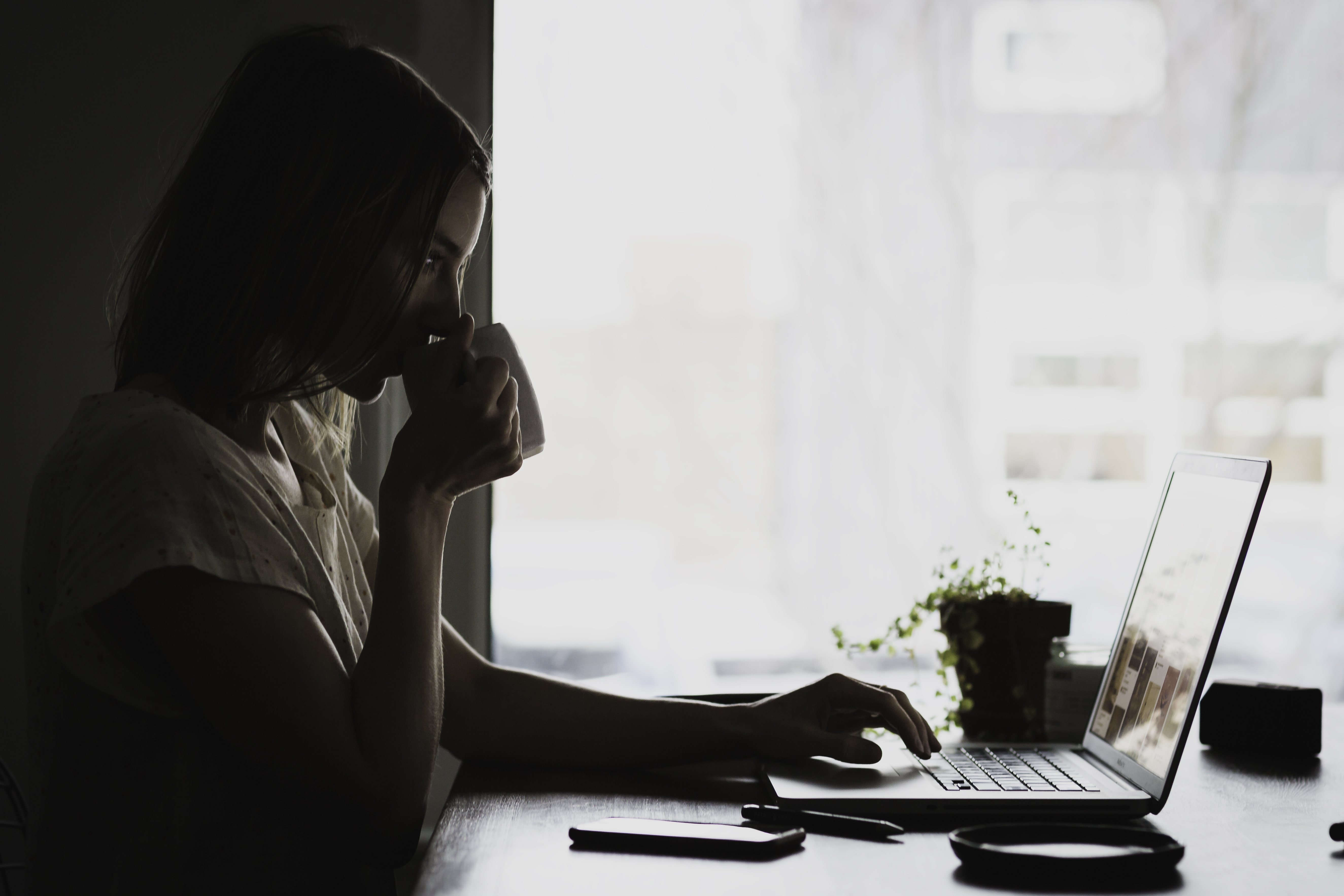
Image Source

Your day job is more dangerous than you may realise. Whilst you may not have the imminent dangers that a firefighter or bomb disposal technician faces, there may be more long-term and hidden health risks within your line of work. Here are just a few ways that you could be doing damage to your health in the workplace and how to minimise this harm.

Sitting down too long

Got a nine to five desk job? Sitting down all day could be doing all manner of physical harm to your body. Too much sitting down can waste away the muscles in your stomach and cause you to get overweight. Those craning over a desk meanwhile can cause damage to their spine and neck over time, whilst constantly bent knees can lead to these joints getting affected. Physical inactivity all day meanwhile has been linked to cardiovascular disease and high blood pressure.

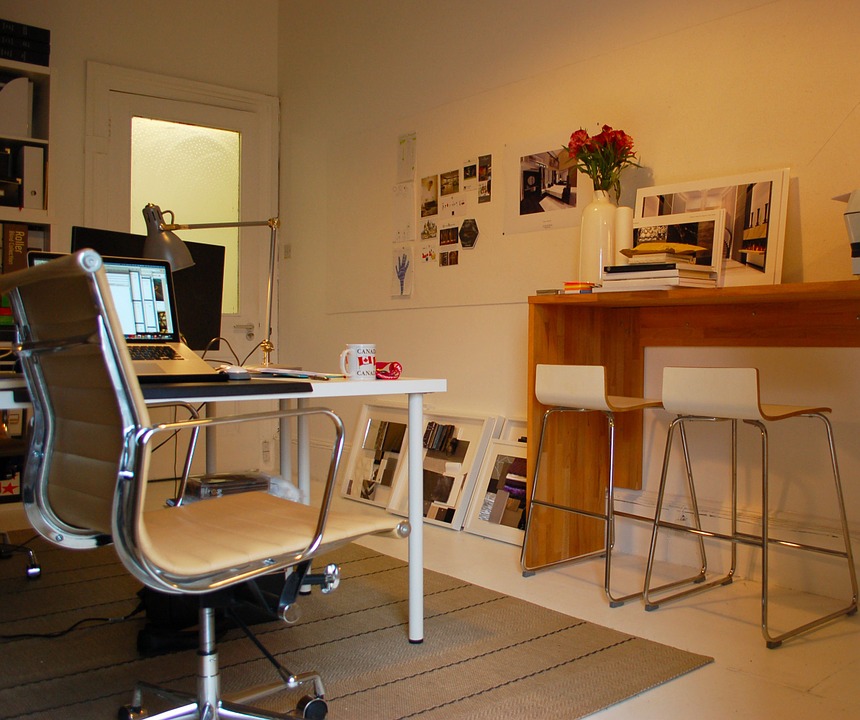
There are ways to combat some of these health risks. The simplest solution is to force yourself to get up more. This could include putting a phone on the opposite side of the room so you have to get up to answer it. There are even standing desks, which can allow you to use your PC whilst standing up. Another option could be to simply exercise more out of work hours. If you commute to your workplace by car but live nearby, you could even try walking or taking a bike. There even options whilst you’re at work – deskercises are exercises that can be performed behind a desk that allow you to stay active and can combat all the various health risks of sitting down all day. There all exercises out there for people with driving jobs that may see them sat behind a wheel all day.

Standing up too long

Those that don’t have a desk job and are constantly on their feet may also be putting their bodies at risk. Too much standing up can cause excess pressure on the hips, knees and ankles. This has been linked to musculoskeletal disorders such as heart diseases. Like sitting down all day, it can also cause heart problems.

Whilst these jobs may not give you the option to sit down frequently and take a break, there are still ways to limit the physical damage. Wearing comfy orthopaedic shoes can relieve the pressure on your joints. There are shoes in all professions that can ease this pressure. Heels are definitely not recommended for a job that requires you to be on your feet all day – these will speed up the damage to your joints. Taking the pressure off your feet whilst not at work can also help give your joints a rest (you can still do sat down exercises!).

Image Source

Noise exposure

Many jobs can leave workers exposed to high levels of noise which can cause hearing loss. Whilst some workplaces have to provide ear protection by law such as airports, construction sites and shooting ranges, other workplaces such as nightclubs and busy pubs don’t. Wearing ear protection is advised in any job environment which regularly exceeds 85 decibels, which includes nightclubs. If you don’t want to wear earplugs, you should at least consider taking a noise detox after every shift (i.e. not playing music loudly in your spare time or going to noisy places). This will give your ears time to recover and potentially allow damaged cells to rebuild.

Poor lighting

Working in a dimly lit environment can put a strain on the eyes and cause damage to your vision. This is especially the case with tasks that involve reading or looking at something closely. Contrasts in lighting can also be bad for the eyes. For example, staring at a bright computer screen in a dark room can cause strain.

Make sure that there’s always sufficient lighting in the work environment. As for computer screens, programmes such as Flux are useful to download, matching the lighting on your screen to the time of day to minimise the contrast. Try to minimise screen glare from the sun in summer as this too can cause eye strain.

Repetitive motions

Many jobs can cause people to develop repetitive strain injuries resulting in joint diseases such as tendonitis and arthritis. The most common RSI (repetitive strain injury) is tendonitis in the fingers as a result of too much typing on a keyboard. Many manual labour jobs may also come with their own unique RSIs.

Most of these repetitive strain motions aren’t easy to pick up until body parts start hurting. In cases, such as typing, it may be difficult to regularly take a break. There are programs out there such as Albion StopNow which can tell when to take breaks from typing to protect your joints. These breaks could be used to do other jobs such as using the phone, researching – or even doing some deskercises!

Poor air circulation

Poor air circulation indoors can lead to respiratory diseases such as asthma. With nowhere to escape dust and vapours from chemicals are more likely to enter the lungs and cause damage. Unclean air conditioning meanwhile can cause serious health problems and has been linked to the deadly lung disease Legionnaires.

An easy way to combat poor air circulation is to always keep the workplace well ventilated by keeping a window open. If the office faces a busy road, it could be worth fitting an extractor fan instead – this will stop pollutants from outside getting in the office. Air conditioning units meanwhile should be regularly cleaned out to avoid dust and dirt building up in them. Professionals can be called in to do this job.

Image Source

Unclean equipment

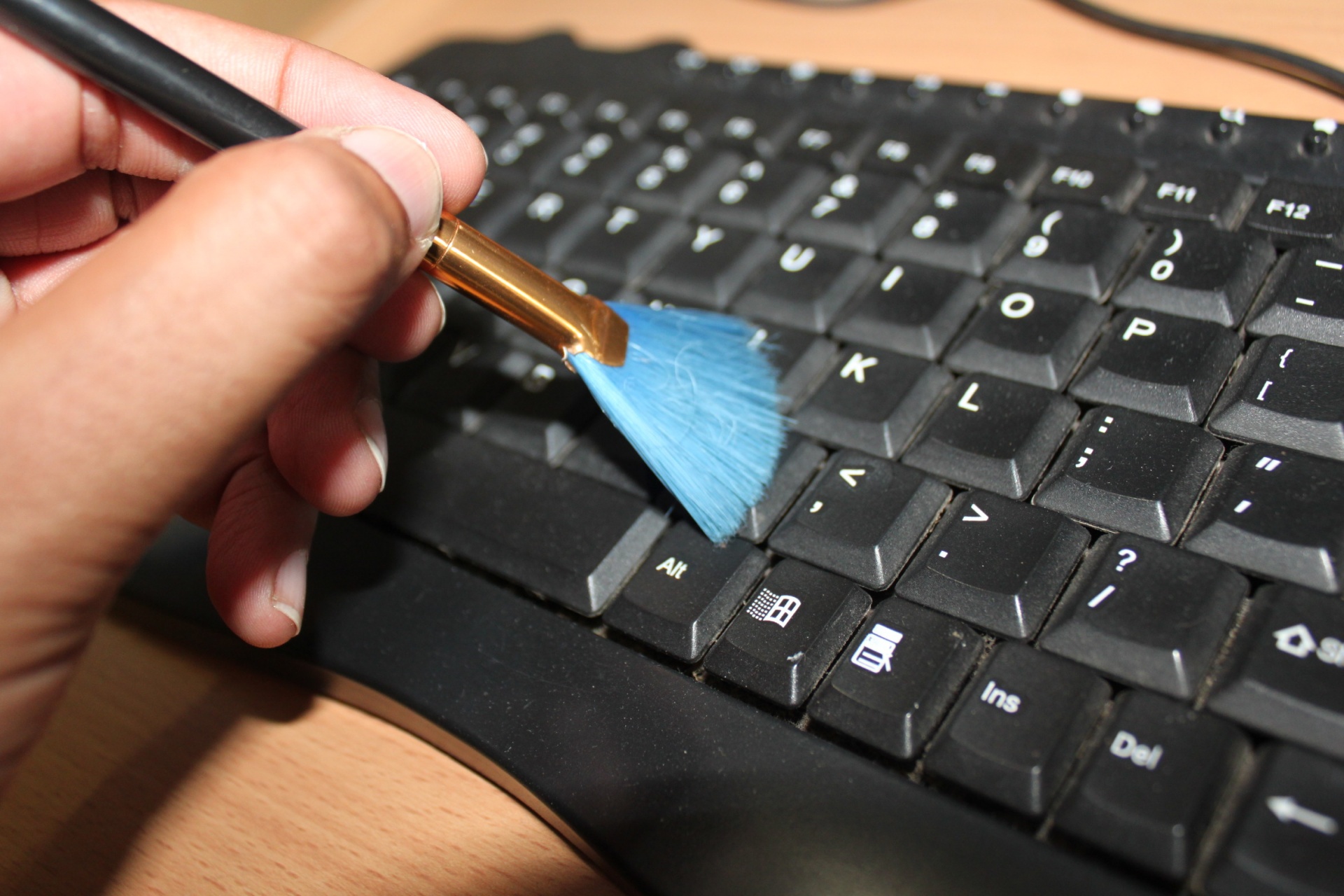
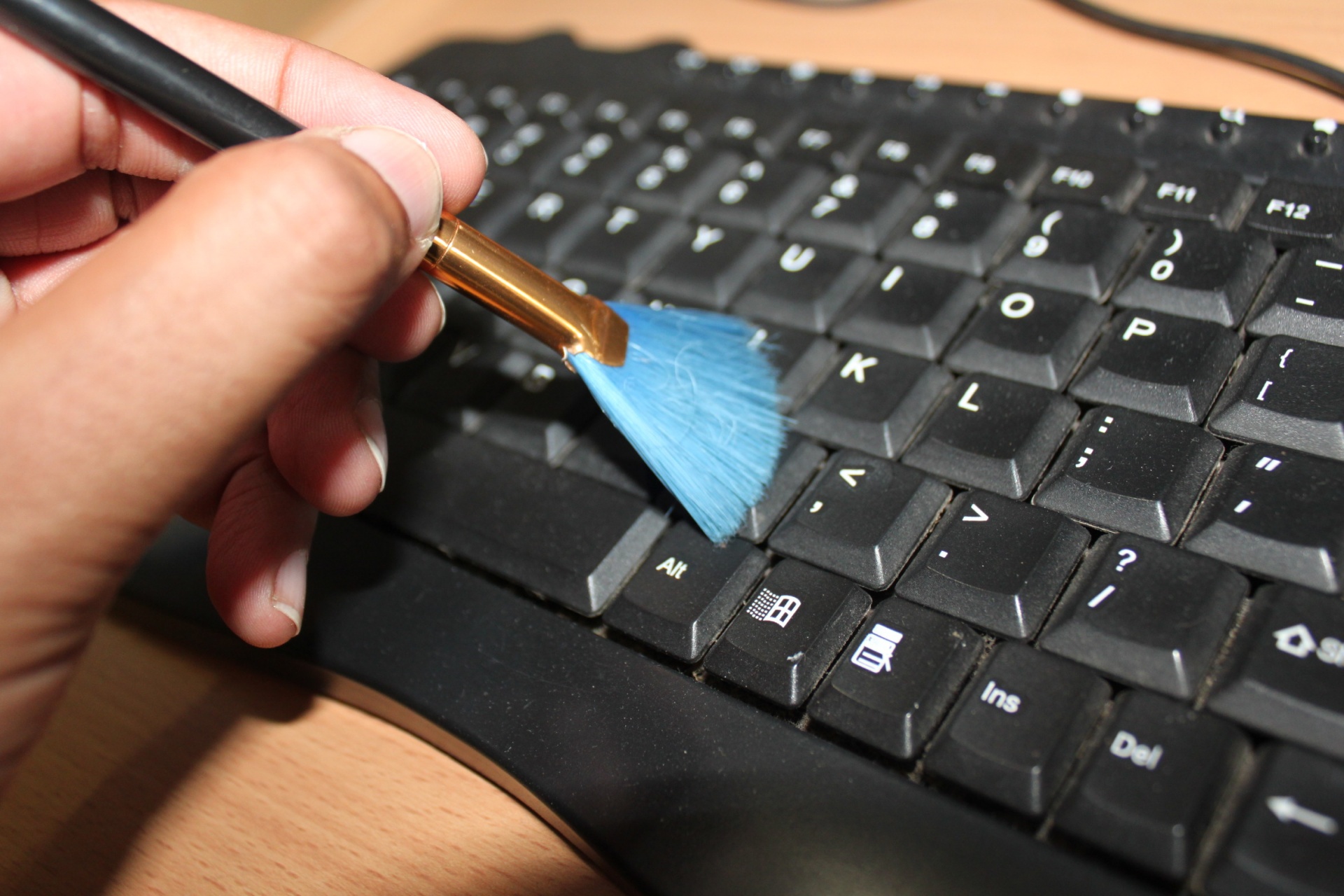
Many tools in the workplace can get regularly handled but never cleaned. These tools can often end up carrying bacteria which is spread amongst colleagues. This can cause illness to be easily spread. A common culprit is computer keyboards. All it takes is someone who is ill to sneeze on a keyboard and for another colleague to then use it. Computer keyboards meanwhile have been found to carry other bacteria as a result of crumbs falling between the keys and going mouldy, consequently causing illness.

It’s worth always giving such equipment a quick clean. It may even be worth giving your keyboard a deep clean once a year by taking all the keys off and wiping beneath. You can buy special cleaning kits for these items.

Chemical exposure

You don’t have to work in a scientist’s laboratory to handle chemicals. Many workplaces use chemicals for cleaning, although may not always use correct health and safety precautions. These chemicals can cause reactions in some cases that may result in rashes or respiratory problems.

You should always refrain from mixing cleaning chemicals and ideally use gloves when using such chemicals to prevent rashes on the hands. COSHH offer various health and safety laws concerning the use of chemicals – it could be worth talking to your employer if you do not think these rules are being put into place.

Too much coffee

Okay, so few jobs require employees to drink coffee. However, for many a regular cup of coffee comes part and parcel with the job. Too much caffeine however can cause high blood pressure, which can contribute to various cardiovascular problems. It can also cause dehydration and insomnia.

Try drinking less coffee throughout the day and more water. Whilst this may not wake you up like a hot cup of Americano, it’s far healthier and good for your concentration. Herbal teas may be a solution for those wanting a hot drink that’s healthy.

Work related stress

Constant stress at work is thought to be as bad for your body as smoking. Stress increases the blood pressure and leads to all manner of cardiovascular problems (it’s thought to be one of the biggest causes of heart attacks). It can also affect sleep and digestion, whilst muscle tension from being stressed can cause the body to feel tired and achy.

If your job is stressful to the point of being unenjoyable, it’s generally a good decision to find another job – even if it is well-paid your health is more important. If you can cope with the stress and otherwise find your job rewarding, it could be worth focusing on different ways to relax in your spare time. Taking a bath at the end of each day, drinking herbal teas, listening to music and meditating can all relieve stress. You should also consider how you get to work – commuting for many can be a stressful process that can often be made less stressful by taking alternative transport or doing a relaxing activity whilst commuting.

Contributed Post.

If you like what you’ve read here, please let others know of this post, blog, and site.

And thanks for reading!  🙂

Unknown's avatar

Alleviate Your Car Safety Worries

People have a lot to say about the fact that cars have a lot of technology to them today, but that’s only a natural progression when you think about it. Gone are the days in which three wheelers were seen hurtling down the road, and we no longer have the luxury to spot some horse-drawn carriages running through the streets. However, these old time stylings are more than made up for by the amount of ‘smart’ cars we have available to us, and how they can make the world of automobiles a little safer.

Cars are made to last a little longer than they used to be, and that’s largely due to people knowing manufacturing tips and tricks, and how to talk to the mechanic. Information being a lot more accessible means we’re a lot more secure in our vehicles, so use this to your full advantage. Here’s a few little tips on keeping your car a little safer when you’re out and about.

Pixabay

Know About Car Recalls

When it comes to the first step in keeping a car road worthy, you need to stay up to date on any new information about your make and model. If the car designer needs all models brought back in for a safety check, make sure you’re one of the first to get your vehicle back to the dealer.

Don’t let yourself ignore any warnings about this, as you could be seen as driving with a ‘defective’ vehicle, and that’s not good for you or your insurance rates.

Park in the Right Places

When you’re driving around a busy city, or even in the countryside, try and find yourself an official parking space, lot, or garage in order to store your car safely and cleanly. Try and find an area that’s lit and in view of the road, especially if you are driving along a back lane near some fields, as you want to be able to find your car again if you live the vehicle.

Similarly, if you live next to the road, try and park your car in view of windows and doors, as this means there’s always a possible eye kept on them.

Keep the Interior Clean

Your car interior is like another dimension when you enter it, and if it’s dirty and cluttered, you’re not going to feel too great about your surroundings. Jackets and towels all over the backseat? That’s not going to be nice to spot in the mirror. That funny smell coming from the takeaway cup in your door? Where’s the next bin you can stop off to deal with it when you’re on the motorway? Keep your car clean, and you’re going to go far in your vehicle.

If you have a neat car, the inside is going to look extremely boring, and that’s a good deterrent. It also means your car is going to last that little bit longer, as no nasty particles are going to be able to dig their way into the engine or any door and dashboard mechanisms.

You know, if you keep the windshield and rear window sparkling clean, you’re going to be able to see better and a lot more, as no grimy areas are going to obscure your vision. Just sprucing up your interior, and maybe the exterior, could very well make you a better driveway.

Know Your Legal Options

Legal options can be intimidating to even think about, but often enough the law is on your side when it comes to the rules of the road. If you do get into an accident, don’t let yourself panic about it. You have plenty of options open to you, whether they be in terms of insurance or otherwise.

Speaking of, we hear a lot about cars being written off by insurance companies, but you don’t always agree when it comes to spending money on a beloved car! Try and get a second opinion on your vehicle, and then see what write off category it’s in. If you can prove it’s still drivable this way, you should be all set. If you were in an accident that caused a huge amount of damage to your car, be on the lookout for car accident attorneys that go the distance, instead of the alternative. If you know where to look, it’s going to be a lot easier to get plenty of coverage for any problem you may run into (or runs into you).

Road safety vigilance is really all you need.

Contributed Post.

If you like what you’ve read here, please let others know of this post, blog, and site.

And thanks for reading!  🙂

Unknown's avatar

Converting Your Home To Business Premises: 5 Crucial Considerations

When you’re in pursuit of turning your business dream into reality, you have to think big.

Successful entrepreneurs are all united by the driving force of their ambition. Faced with situations that others might dismiss as unworkable, true entrepreneurs are prepared to throw themselves full-throttle into trying to overcome the obstacles in their path– even if that means sacrifice.

Sacrifices Start At Home

One such sacrifice that many business owners find themselves contemplating is a need for business premises… and not having the funds to rent and outfit entirely new premises. It’s at this point that many entrepreneurs may decide to rein in their business plans, or do something different, but a good entrepreneur knows that there are always options to pursue. If their business absolutely needs premises, then they’re going to obtain business premises– whatever it takes.

Unfortunately, what “it” sometimes takes is the home of the entrepreneur. After all, their home is something they are already in possession of. It’s a physical space, with a backyard they can use for storage, and there’s an established gas, electricity, and water supply to the property. When evaluated from a business perspective, there’s plenty of benefits there to consider. It really might work.

The downside, of course, is that their home becomes their office, their workspace. They lose that thing so crucial to a good work-life balance; having their own space.

If you’re a budding entrepreneur who is struggling to afford premises, then you may find yourself considering converting an area of your home into office space. You may have wondered just how much storage you can fit in the backyard; and idly considered how you might need to adapt your property to suit business requirements. Would it be worth it? Is this a step you should take, or a terrible idea from the outset? Let’s dive deeper into the things you need to know when considering converting your home into your business premises…

Know The Difference: Working From Home vs. Premises Conversion

Many people assume that there is little difference between “working from home” and “converting your home for use as premises”. However, this is an oversight, as the differences are actually rather stark. Many people work from home; this requires no adaptation for the most part, just a working internet connection and a laptop.

Conversely, converting your home into business premises is far more detailed and laborious.

So you have to figure out which you really need. Here are a few circumstances in which converting to premises is suitable:

    • You need a space to host customers or clients. Most people who work from home don’t need this; if they do, on occasion, have to meet a client, they will arrange it at a local coffee shop/business venue.
    • Your business requires you to hold large amounts of stock. While it’s possible to run some small ecommerce-type businesses without converting your home, anything more advanced will require larger storage capabilities than the average home can hold.


  • You want to offer a retail space. Some people choose to convert an area of their home into a retail space. This happens for various reasons; not being able to afford conventional retail outlets, wanting to take advantage of a good location (for example, if their house is close to an area that receives a high volume of foot traffic) or just out of preference– it’s a pretty short commute if you live above the store, after all.


If you don’t need any of the above, then you don’t need to consider a full-scale conversion.

If, however, you do need premises for one (or more) of the above reasons, then read on.

The Legal Hoops: A Guide To Jumping Through Them

The process of converting your home for use as business premises is an extensive, time-consuming one, and the biggest time suck of all will be the bureaucracy you have to deal with.

There are so many different legal areas you need to consider prior to a conversion. Here’s a primer on the areas you will need to investigate, the companies you will need to contact, and the notification you will need to give to ensure your conversion is allowed:


  • Call your home insurance provider. If you’re going to change the nature of your dwelling, then your home insurance company needs to know. In all likelihood, you will require an entirely new home insurance policy; one that covers you for business as well as domestic use.
  • Call your local authority. This is particularly necessary if you’re opening up a retail space; you must have permission to trade from the local government. Obtaining this permission can be a long, slow process; you neighbors will have a right to register their displeasure at your plans, and you will need to prove you are insured for business usage and public liability.


  • Learn your codes. You’re going to need permission for a material usage change for your home from three coding sections: Zoning, Business Ordinances, and Business Licensing. Hopefully, your initial call to your local authority will have directed your queries in the direction of these offices, but you are responsible for checking this has happened.

If all of the above sounds worrying, well, that’s because it should be. This road isn’t an easy one, and it will take time to ensure you are fully compliant with local requirements. However, there are plenty of steps you would need to take to register for any business premises, so don’t be unduly deterred by the list above– just focus on the paperwork and make sure everything is in order.

[credit]

The Conversion Process: What Do You Need To Do?

When you’ve obtained all of the appropriate permissions, you now have to move into the conversion process itself. There are numerous areas you’re going to need to consider.


  • What rooms are you going to dedicate to the business? A common choice is to convert the ground level of your home and “live” on the second floor. This works well, but what about the kitchen? You may want to adapt your home, which will require consulting with an architect and building firm.
  • What about entrances and exits? Firstly, you will be required to provide adequate fire escapes as part of the process you undertake with your local authority. You need to make changes to ensure that all of your business visitors — be it suppliers making deliveries, customers arriving for appointments, or eager shoppers — are able to access your property comfortably. For supplier deliveries, you may need to consider extra wide safety gates to ensure trucks can enter your property boundary correctly to load and unload. For customers, you’re going to need to think about where they will park their vehicles; your neighbors will swiftly turn to anger if the street is blocked up by customer cars.
  • Which security changes do you need to make? Home security is always important, but this necessity moves up another gear when your home is also your business. You may want to consider installing extra CCTV systems, and if you have gates, you’re going to want some kind of intercom system installed.
  • What do you need to redecorate? If you’re converting a space in your home for business use, that space needs to stop looking like a home. You’re going to need to redecorate, install new furniture, and ensure you have adequate lighting. If you’re opening a retail space, you are pretty much going to be outfitting the entire selling area from scratch– so you need to have room for this in your budget.
  • What happens if you want to sell the house in the future? Unless you are lucky and find a buyer who wants a home/business premises combination, you might find that you struggle to set your home for the amount it would be worth if it was still just a home. This is an aspect you’re going to have to calculate into your future financial planning, so be aware of it.


One thing that’s important to remember is that the conversion process will not be rapid. You will need to manage the project efficiently, juggling multiple different issues at the same time, and ensure that you keep an eye on your costs, too. It’s hard work, which begs the question… is it worth it?

So Should You Convert Your Home For Business Usage?

The above sounds like an exhausting list of potential problems, issues you are going to face, and more red tape than you have ever dealt with before in your life. Is it worth going through all of that stress?

The answer is probably “yes”. If there’s a reason you don’t want to invest in commercial premises, then the home conversion is the next best thing. Not only are you able to control everything about the process — there’s no landlord whose preferences you have to take into account, for example — but you will also save a fortune on leasing fees in the long term.

Ultimately, the decision is yours. If you don’t mind the short-term hassle, then you may just find that converting your home into business premises is the right solution for your business.

[credit]

Contributed Post.

If you like what you’ve read here, please let others know of this post, blog, and site.

And thanks for reading!  🙂

Unknown's avatar

Why Do Games Need So Much Power?

(Image Source)

When you look at the back of a modern games box, the recommended specification list you’ll see is much denser than those in the past. As machines have gotten more powerful, the games being played on them have been able to reach to new heights, becoming much larger and a lot more realistic. Of course, though, what exactly makes a game use so much power? Video, which appears to be very similar, can be run on mobile phones, and it often doesn’t make sense that you would need such powerful machines for your gaming needs. To help you out with this, this post will be exploring the resource usage of a modern video game.


  • Calculations


For every action, event, and thing happening in the video game you’re playing, there will be a huge list of calculations which have to be done along with it. In most cases, programming languages are simply expressing logic, and a large part of this is mathematics. Of course, though, why would something like firing a gun take so much power? This sort of action doesn’t seem very complex.

In reality, though, it is. The very first stage of the gun firing will be an event triggered by the user, like a key press, which will have to be processed by the computer. From there, the gun will have to fire, with the computer calculating direction, speed, and damage all at the same time. If something gets hit, this will have to be picked up, too, and another sequence will run. During the gun firing, the computer will also have to pick and play an animation, sound clip, and even a vibrate command to a controller.

With all of this work going on, it could be easy to assume that you need the best processor on the market to deal with your game. Fortunately, though, this isn’t the case, and you will usually be able to get by with a mid to high-range option. At the moment, the Core i5 7600k from Intel and the Ryzen 5 1600x from AMD are some of the best contenders. This sort of chip will have more than enough power for your games.


  • Graphical Rendering


Next, it’s time to think about the other side of the work your computer has to do when you’re running a game; showing you the visuals. Unlike a video which is preprogrammed and the same every time, a video game has to be stitched together on the fly, with over a hundred new screens every second in some cases. A normal processor isn’t very good at this sort of work, though, and a specialised device needs to be used to handle the work.

This is where a graphics card comes in. Equipped with a special processor called a GPU, this sort of product can drive a TV or monitor much better than the one already in your machine. Nowadays, there are more and more options becoming available, and you have loads to choose from when you’re buying a card for your machine. In a lot of cases, you will only need the very top-end if you are gaming in ultra HD or 3D. For the majority who are stuck in the past, something a little less expensive should do the trick, though.


  • Storage (In-Out)


When a game is running, it isn’t one file which is simply being displayed. Instead, your games are built from hundreds of different documents, ranging from scripts and code to 3D models and the images being used as textures for them. Being able to access these assets quickly is very important when you’re playing some games. So, nowadays, most gaming computers will use SSDs instead of traditional hard drives, as they will usually be a lot faster. This sort of resource can make your experience a lot better.

Even knowing exactly what your computer is doing when it is running a game, it can be hard to decide on the best one for you when you’re at the store. There are loads of companies making machines out there, and a lot of them will charge too much for what you get, or won’t give you the product you deserve. Finding a quality desktop PC for gaming is just a matter of doing some research. Most people will be able to find options which appeal to them, even if you have to search for a long time to find it.

Hopefully, this post will inspire you to start working harder on the time you put into choosing your next gaming computer. Running a game isn’t a simple task, like running a video. Unfortunately, when so much has to be done on the fly, your computer need to be able to hack the heat, or you won’t have a very good experience.

Contributed Post.

If you like what you’ve read here, please let others know of this post, blog, and site.

And thanks for reading!  🙂

Unknown's avatar

Buying A Second Home: The Good, the Better, and the Best

There comes a time in some people’s lives where they begin to think about buying a second home. There are so many wonderful things that come with having a second property and here’s some reasons that you should take a look at if buying a second home is something that’s in your mind.

Image

Good

One of the first things that springs to mind when people are considering buying a second home is the ability to be able to rent it out when they aren’t using it. Not only that, when they are using their second home, they can rent out their other property to continue making money.

One thing you will need to consider if renting out your properties is something you’d be doing, is the fact that you would need to ensure that they are both properly renovated, attractive, and livable for guests. Doing this will allow you to charge more for people staying in your homes; therefore making you more money. You will also need to have the ability to have any repairs made to either property no matter where you are in the world. So make sure that you’ve got handyman numbers at the ready.

Better

Another great reason to buy a second home is that you can choose a completely new location. Many people choose to buy homes abroad because it’s generally cheaper than where they live, and they can also enjoy the culture of a different country every time they decide to stay in their second home.

Many people also choose to buy a home where the climate is completely different to what they are used to. If you live in a hot climate, why not go for a luxury cottage as seen on eaglesnestatbannerelk.com/ where you could enjoy the views and ski slopes. Or, if you live in a cold climate, you could do the opposite and choose to buy a second home somewhere much warmer.

Best

Finally, as previously mentioned about renting your second property out, you could simply choose to use it as a holiday home that you visit for short periods of time each year. You might choose to rent out the property for the rest of the year to holiday makers so that you can make some money back on your investment.

Some homeowners manage to rent their property out to families, and when they want to stay in the home they have special guest rooms so that they can stay there with the family living there. Although this is more unheard of than other solutions it might be something for you to consider.

Another amazing part of owning a second home is that when you come to retire, if you fancy moving somewhere else then you can simply sell one (or both) of your homes and buy another property and be able to live off the money you have made from your previous properties.

Consider the good, the better and the best when it comes to buying a new property and you’ll soon find yourself taking the steps into being a second time homeowner!

Contributed Post.

If you like what you’ve read here, please let others know of this post, blog, and site.

And thanks for reading!  🙂