Unknown's avatar

Buying a Used Car Is More Involved Than You Think

Buying a used car sounds easy, right? You walk up to the dealership, you pick a car you like, ask the dealer about it and then after a couple of forms and a deposit, you’ll be off in your used car and everything is fine and dandy. You’ve saved plenty of money, you’ve signed up for all the financing and you’re ready to live a life as a car owner.

But is that really all there is to it?

Well, no.

Used cars are often seen as the cheapest way to get yourself a vehicle. Pay a couple hundred, get yourself a very cheap and old vehicle and then you’re good to go. That’s the general idea, but what most people don’t realize is that buying a used car is more involved than they think. There are potential future issues like your vehicle breaking down due to used and worn parts, there might be cosmetic problems like a funky smell in the seats, or you might even pick the wrong vehicle and only went for the cheapest option.

The first thing you want in a used vehicle is reliability! So, finding a reliable used vehicle is a must!

Choosing a car is already quite a big task, even if you have a lot of funds. That makes choosing a used car on a budget an even bigger undertaking, but if you’re willing to put in some time and effort, it’s actually fairly manageable.

So to help prevent you from falling into the trap of “buying a used car is easy”, here’s a guide on helping you pick the right used vehicle.

Image Source

  1. Set yourself a budget

If you have unlimited funds then you probably don’t need this article. However, if you’re like most people, then it’s important to set yourself a budget. It can be a rough estimate of how much you’re willing to pay for a car, it could be how much money you can set aside for a deposit, or it could be a guesstimate based on your income. Whatever the case, set yourself a budget so you know how much you have to spend and how much you’re willing to go over.

Stay within your means when buying a vehicle. Yes, you can get financing deals and even zero-interest deals, but that doesn’t mean you should be going for something that you really can’t afford. Your budget is going to determine everything from the car itself to insurance and road tax if applicable, so set yourself a budget and stick to it!

  1. Used vs new cars

This article is about buying used cars, but ultimately, there are times when buying a new car can actually be more beneficial. For instance, new cars often come with more financing options and advanced technology that you’ll rarely find in a used model. They also give you more peace of mind because a new car is probably more reliable than a used one. You often get more protection with your new card as well. For instance, if it breaks down, then you could get free repairs as long as it’s under a certain mileage. Shopping for a new car is also much easier because there’s often more choice and you can pick exactly what colours and features you want from the manufacturer.

With that said, used cars typically come with much lower price tags. This means you’ll save plenty of money, but insurance costs might be slightly higher if compared directly with a new model. However, the car model and make are bigger factors when it comes to insurance premiums. Buying a used car often allows you to buy a more expensive model because of the cheaper cost, and it also means there’s less stress when you’re actually driving your car. Because it’s used, you’re less likely to get upset if you get a dent or a ding because you never paid the full price anyway.
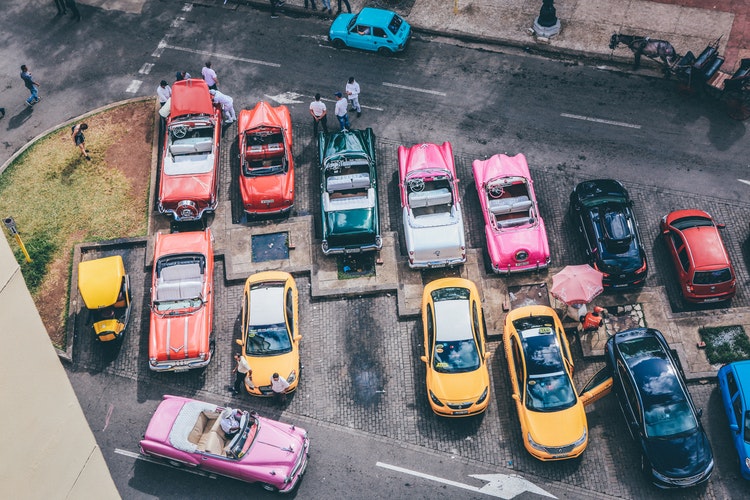
Image Source

  1. Decide on features that you need

When picking a used car, you need to be aware that the features available are going to be a year or more out of date. That means safety options might not be there, new speed options might not be available and the general efficiency of the car might not be what you see described in reviews.

Decide on what features you deem important to you. Focus less on the engine specifics and features and focus more on practicality. For example, if you’re going to purchase a family car, then make sure it has plenty of space, lots of seats and a fair large trunk. The more versatile the vehicle, the better it functions as a family car. On the other hand, if you’re only looking for a compact city car, then the features you’re looking for will completely change. Trunk space might not be such a huge deal, but you might appreciate a smaller size so that it’s easier to park into tight spaces and drive around. Fuel economy might also be on your mind, but again, keep in mind that as cars age, their efficiency does reduce a little.

Safety features are also important. The last thing you’d want is to contact an auto accident law firm because some security feature on your vehicle failed. Make sure you do plenty of checks to ensure that your vehicle has features like stability control if you’re driving in an area known for its adverse weather.

Ultimately, you’ll have to make some compromise or else you’ll spend forever looking for the right used car for your needs. It’s important to actually determine where you’ll draw the line for certain features. Decide what your must-have features are and then make a list of luxuries. It’s hard to set a price on every feature, but as long as you make an effort to do your research on the various features and fuel economy of each vehicle, you can make an informed decision when picking a vehicle and get your money’s worth.

  1. Calculate the total costs of your car

Remember that buying your car isn’t the end of it. You’re going to have to pay for the car itself, taxes, license fees, insurance and other fees that you might be missing. You can get quotes for insurance and you can often ask the dealership about other fees that they don’t explicitly mention. Some dealerships will even charge extra fees that they mention in fine prints.

Make sure you do plenty of research on your purchase before you make a final decision. It’s a good idea to add an extra 10-20% onto the cost of your vehicle to account for things such as taxes and license fees and then calculate the insurance cost as a separate expense.

The cost of the vehicle will also depend on what channels you go through. For example, classified ads can typically be cheaper since you have the option to bargain for it. However, many people don’t trust buying face-to-face because it doesn’t come with as much security. If you’re able to contact a reputable seller then this changes, but in most cases, people will rely on dealerships to purchase a used car. This will incur extra fees and the warranty might have certain restricts, but it’s typically safer if you’re concerned about how much money you’re paying.

The last option is to actually purchase a vehicle at a car auction. These are risky places to purchase a vehicle since you don’t have the luxury of test driving and examining the car thoroughly before you place a bid, but millions of vehicles are sold via auctions every year and it can be one of the cheapest places to purchase a vehicle. However, there’s no backing out and there’s no guarantees or consumer rights. What you purchase is what you get, so make sure you do plenty of research into the car you purchase. Only auctions tend to be a little safer, but unless you live close to the person selling the vehicle, you won’t be able to test or inspect it.

Image Source

Some final words

Buying a used car isn’t the hardest thing in the world, but it’s certainly more involved than what most people think. There are plenty of places to purchase a used car, but you end up taking more risks the lower the price is. Test driving is important in the world of buying cars, used or not, but it’s especially important with used cars because there could be very subtle differences.

For example, you’ll want to check if the car veers to one side for any reason, you’ll want to check if the steering wheel is in a comfortable position and you want to test if all the features work. The last thing you want is to buy into a scam or be told that certain features don’t actually work on your used vehicle.

Either way, purchasing a used car can be a fun process. You might come across ridiculously good deals, or you might even settle on buying a new car instead for the increased security and peace of mind.

Contributed Post.

If you like what you’ve read here, please let others know of this post, blog, and site.

And thanks for reading!  🙂

Unknown's avatar

Common Car Buying Errors To Avoid

https://images.pexels.com/photos/191238/pexels-photo-191238.jpeg?auto=compress&cs=tinysrgb&h=350

If you are looking to buy a car, no matter whether it is your first vehicle or tenth, it is important to approach the process with care. Read on to discover the common errors you need to avoid.

No research – This is a trap that a lot of people fall into. They see a car that they like. It looks good or perhaps one of their friends has the same vehicle, and so they buy it with little consideration. However, if you do this, you could end up with a disaster on your hands. Make sure you research first to find the right car for you.

Buying a new car – A lot of people do not consider the used car market because they do not like to purchase things secondhand. But this is where the value lies in the auto market. This is because a new car loses value the moment you drive it out of the showroom. With that being said, you certainly should not overlook the used car market.

Failing to consider the right financing option – There are so many different ways to finance a car, from using an interest-free credit card to car title loans. There is no right or wrong option; it is all about figuring out what works for you, so make sure you research each financing solution carefully.

Overlooking insurance – Before you buy any sort of vehicle, it is a good idea to do your research to find out how much the car is going to cost you in terms of insurance. Some models are more expensive than others. For example, sports cars may be more expensive because they are more likely to be targeted by car thieves. So, get an insurance quote before you buy anything!

Choosing the wrong car for your needs – When buying a car, one of the most important elements is making sure the car is right for your needs. Let’s say you are looking for a family car. You are going to need a vehicle that has a lot of boot space. You also need a car with wide doors so you can easily get the car seat in. Failure to consider these aspects can mean you end up with a car that is awkward and frustrating.

Adding too many features – Last but not least, it is very easy to add lots of different upgrades to your car when the sales rep is trying to tempt you. However, you will soon find that your car ends up costing you a fortune if you do this, and most of the upgrades are unnecessary. Take some time to consider each upgrade before just saying yes.

Hopefully, you now have a better understanding regarding the different mistakes people make when purchasing a vehicle. If you can avoid the errors mentioned above, you will have a great chance of purchasing the best vehicle for you and ensuring that your money does not go to waste.

Contributed Post.

If you like what you’ve read here, please let others know of this post, blog, and site.

And thanks for reading!  🙂

Unknown's avatar

The Dangers Of Driving: The Most Common Causes Of Road Accidents

Many of us get in the car, fire up the engine and head on our merry way without giving our safety a second thought. We may make hundreds of journeys without encountering any problems at all, but the reality is that driving poses risks. Even if you’re a brilliant driver, you can’t control the conditions or the way other people drive. In the US alone, more than 2 million people suffer injuries in car crashes every year. Here are some of the most common causes of accidents, and some tips to help you stay safe when you’re behind the wheel.

Speeding

Speeding plays a role in around a third of accidents on US roads. If you’re driving at excessive speeds, it’s harder to retain control of a vehicle, and the severity of injuries is likely to be increased. If you hit another car, or an obstacle such as a tree, at 30 mph, you may only sustain minor injuries, and your vehicle may escape unscathed. The story is likely to be very different at 70 or 80 mph. Always pay attention to speed restrictions. Remember that if you’re driving too fast, and you have a crash, there’s a good chance that you would be held liable for the incident. This means that you may get a call from a car accident law firm, and you may also face police charges. You may be tempted to put your foot on the gas on a clear, sunny day when it’s quiet on the roads, or you need to get somewhere as quickly as possible, but bear the potential implications in mind. It’s not worth taking unnecessary risks.

Image via https://www.flickr.com/photos/chadelliott2012/5659144073

Drunk driving

Around 1 in 3 crashes in America involve alcohol. Drinking has a profound impact on our ability to make sound judgments and react quickly. If you’ve been drinking, your reaction time will increase, you may not be aware of hazards around you, and you might also lose concentration. There’s nothing wrong with enjoying a drink on a Friday night, but make sure you don’t ever combine drinking and driving. Book a cab, take the bus home or travel with a designated driver.

Picture courtesy of https://kaboompics.com/photo/3756/pouring-white-wine-into-glasses

Distracted driving

Distracted driving is the most common cause of road accidents in the US. When you’re out on the roads, the environment changes continually, and hazards can appear from nowhere. If you’re talking to somebody in the back, you’re on the phone, or you’re messing around with your sat nav system, you run the risk of being unable to react to danger. If somebody pulls out, or a dog runs out from behind a parked car, and you’re in the middle of texting a friend, there’s every chance that you’ll crash. When you’re driving, focus on the road. If you need to make a call, use an in-car system, or pull over in a safe place.

Image source: https://kaboompics.com/photo/2984/woman-in-the-car-with-her-dog

You may think that you’re a careful driver, but that doesn’t mean that you’re immune to injuries. Car crashes happen on a daily basis, and every time you take the wheel, there’s a risk of being involved in an accident. Take care on the roads, abide by the rules, and be mindful of other drivers.

Contributed Post.

If you like what you’ve read here, please let others know of this post, blog, and site.

And thanks for reading!  🙂

Unknown's avatar

The Things That Matter Most When Buying a Car

Buying a car can be a confusing and stressful process at the best of times. That’s just the way it is. But there are some things you need to make sure that you get right when you’re buying a car because these are the things that simply matter more than all the rest. We’re now going to look at some of the things that really do matter most when it comes to buying your next car.

The Comfort it Offers You and Your Passengers

Having the comfort that your passengers need and that you want when you’re behind the wheel is obviously really important. You want to make sure that your passengers are never made to feel uncomfortable in your car, and you will certainly not want to be uncomfortable in your seat when you’re stuck in a traffic jam. So keep this in mind when buying your next car.

The Condition of the Car

The condition of the car is always important when you’re buying used. You don’t want a vehicle that’s going to be in poor shape and always causing you problems. So always look into this stuff in more depth so that you don’t cause yourself more problems than you need to with your next vehicle. DOn’t just look at the surface either because first appearances can be deceptive.

Image Source

How it Drives When You Test It

Getting behind the wheel tells you a lot about the vehicle, and you can’t skip the test drive if you want to be sure that this vehicle is going to be the one for you. Driving it is going to be one of those things that tells you whether you should make that purchase or whether you should hold off for a little longer and see what else is on the market.

The Manufacturer

Everyone pays attention to the logo on the front of their car, and that means they get about the manufacturer. Different car makers are better at different things. You might want to go to the Mercedes Dealership if you want some class and sophistication. Or you might want to go to Volvo if you value safety above all else when you’re on the road.

The Warranty

Every good car should have a good warranty to go with it. You should try to make sure that you’re always certain that you’re covered for as long as you can be when you’re buying a new car. You don’t want that warranty to run out and leave you paying for things that should be covered by a decent warranty if you had one. Always ask these questions when buying your car.

When it comes to ticking all the right boxes, these are the things that matter most when you’re buying a car. Without getting these things right, you won’t have a car that’s right for you. You can’t afford to cut corners on any of these things, so you should try to focus on getting the basic things right.

Contributed Post.

If you like what you’ve read here, please let others know of this post, blog, and site.

And thanks for reading!  🙂

Unknown's avatar

What You Should Do to Become Safer on the Road

Being safe on the road is one of those things that everyone should be prioritising because in many places, road traffic accidents are on the rise. You can’t take your safety for granted when you’re on the road, but luckily there are plenty of things you can do to become safer on the road right now. We’re going to look at some of the things that you should be trying to do if you want to become safer, so read on.

Navigation Road Vehicle Driving Car Drive

Image Source

Stay on Top of Regular Car Maintenance

Car maintenance is something that no one really likes doing, so it’s up to you to force yourself to get this right. There are so many small, regular tasks that you’re going to need to stay on top of. For example, you want good tread on your tyres and the right oil in your engine. You should also let a professional mechanic oversee the regular services your car requires as well.

Manage Stress and Anger on the Road Better

Stress and anger are never good things to be dealing with when you’re in control of a moving vehicle. However, many people find that this is when they’re most stressed and most angry in life. This could be a sign of road rage, so it might be best for you to get help with this so that it doesn’t become something that stops you from driving safely.

Don’t Allow Yourself to Get Distracted

When you’re behind the wheel of your car, nothing should matter more to you than what’s going on in front of you on the road. If you allow yourself to get distracted by your phone or something else going on inside your car, you will eventually pay the price and something could go horribly wrong. That’s not what you want, so aim to eliminate those distractions.

Learn About the Dangers of Drinking and Driving

Everyone should know about why it’s not safe to drink and drive, so why do so many people still do it? You should try to educate yourself further and learn about the gory details regarding why you shouldn’t do it. You don’t want to be hiring a DUI Lawyer when you get caught driving over the limit. The same applies to driving under the influence of drugs or driving when tired.

Combat the Elements

The elements can really damage your ability to drive safely on the road, so it’s in your best interests to make sure that you combat them. This can be done by only driving at the right times. But you can also do things like changing your car’s tyres so that your car can always grip to the road properly in any conditions.

Staying safe on the road doesn’t have to be particularly complicated. Each of these ideas will help you to stay safer than you would otherwise be on the road, and they can all be enacted pretty quickly and easily. You should try to do this as soon as possible because nothing is more important than safety.

Contributed Post.

If you like what you’ve read here, please let others know of this post, blog, and site.

And thanks for reading!  🙂

Unknown's avatar

The Hidden Costs of Driving to Watch Out For

Owning a vehicle is rarely inexpensive. While it’s more affordable in some parts of the world than others, it’s still a significant expense, even in the cheapest places. What you might find surprising is that it’s not just the obvious costs that could be hitting you where it hurts. There are also a number of other “hidden” costs that aren’t so noticeable. Nevertheless, they can still eat into your budget and increase the cost of owning a vehicle. Being aware of these costs can help you to manage them and make sure they don’t take you by surprise. Here are some of the top costs that you might forget to think about.

Legal Issues

You might pretend you don’t, but many drivers give in to the temptation to speed. Even if you don’t do it on purpose, you can end up going too fast because you’re not paying attention to your speed. And if you get caught out, you could be faced with a fine or worse, depending on how fast you were driving. Another, even worse, legal issue is the prospect of getting into an accident. If the accident is your fault, it’s obviously going to be costly and could even land you in jail. But even if someone else is at fault, you could end up paying for a car accident lawyer to help cover your costs. As well as driving within the law, it’s smart to practice defensive driving too.

By Pexels

Parking Costs

A lot of people don’t realize just how much they spend on parking. And it’s not just parking that can be expensive but driving around looking for it too. If you have to pay to park your car every day, the costs can quickly build up. But even if you only occasionally need to pay for parking, it can get expensive. Parking in busy cities and at places like airports could see you paying a lot just for a couple of hours. Then there’s the expense of trying to find somewhere to park, and sitting in heavy traffic while you try to get to a parking spot.

Depreciation

Another cost that you might not consider is the depreciation of your vehicle. Depreciation is the value that your vehicle loses as time goes on.  Once you’ve finished paying it off, you’re unlikely to be able to sell it for anywhere close to what you paid for it. Certain brands tend to hold their value better than others, so you might want to do some research before making your next vehicle purchase. Of course, you don’t have to deal with depreciation if you lease instead of buying.

Road Tolls and Congestion Charges

Some people will also need to consider regular costs for congestion and road tolls. While in some places, the cost of congestion only means sitting in traffic, it’s not true in others. Some major cities have applied congestion charges to try to prevent there being too much traffic. You might also need to pay tolls when going over certain bridges or driving on some roads.

It’s important to consider all of the costs that you might have to pay as the owner of a vehicle. Not all expenses are obvious, and you can easily miss them.

Contributed Post.

If you like what you’ve read here, please let others know of this post, blog, and site.

And thanks for reading!  🙂

Unknown's avatar

Understanding The Long Haul Trucking Class

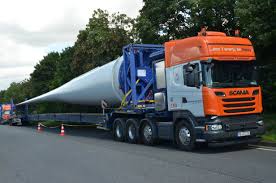
We have automated cars that are making their way onto our streets. However, they are having some slight issues with the software that allows them to drive themselves. Trucks are also being considered in this manner but rather than automation, newer trucks are coming onto the market. They’re getting larger, heavier and even longer. This means that in more ways than one, the trucking industry is changing. New skills will have to be learned and quickly adapted to the new vehicles, and schedule changes. The thing to watch out for is how new vehicles will change trucking routes. No doubt with better technology to navigate and be more precise in maneuvering that drivers with the ability to drive narrower passes and tighter corners will be in high demand. Transitioning from a light truck to a heavy truck is a matter of keeping the fundamentals strong, but learning how to new skills to manage the bigger size.


Anticipating wider turning

The great thing about a smaller truck is that you’re simply able to go around the corner much easier. The longer trucks cannot turn conventionally, and thus this springs up a new cascade of problems. At any truck driving school where you are learning to drive a freight truck that is deemed a long vehicle, it will be for a long haul job nature. This means long hours and driving late into the night to get to where the load needs to arrive. So when you have been awake for a prolonged amount of time, your judgment will be fading. To counteract this, you couple your judgment with a procedure. When a corner is being taken, the school will teach you a wider angle of approach. You essentially turn away from the corner and go back into the corner in a long swooping fashion. The degrees of turning will be different for each vehicle, weight, length and even the quality of the tyres.

Photo by pxhere

Working in the industries

For the industries of mining, construction, logistics and indeed trucking, there’s a license that you need to be able to drive the long and or heavy vehicles. This class of truck has its own license because the size and weight aren’t just difficult to control, but they are indicative of their purpose. A heavy vehicle will have a many tens of thousands perhaps hundreds of thousands-worth of company goods inside. It’s a lot of potential money to be driving around with. An hr ticket will bound you up toward the front of the career path as passing their school and heavy rig license test will give anyone the professional accreditation that they are skilled in this manner. Thus companies are more likely to hire you as they can trust you to take on more responsibility. You play a key role in the major movements of a business and the success of its growth.

Commanding such a large vehicle is a highly desired skill for companies in the import and export markets. Being able to judge tight corners and turning in a wide but precise circle is one of if not the main trait of a long vehicle driver. Attaining a license to show you are capable in this kind of haulage class, will do wonders for your salary and career prospects.

Contributed Post.

If you like what you’ve read here, please let others know of this post, blog, and site.

And thanks for reading!  🙂

Unknown's avatar

Want To Make A Living on The Road? Here Are Some Things You’ll Need To Carefully Consider

There’s nothing quite like the feeling of liberation that comes with being on the open road. When you’re behind the wheel and the highway stretches on into the horizon a warm sense of serenity washes over you. Our forefathers could barely have dreamed of feeling like this; the wind in their hair, natures sprawling vista stretched out all around you and a speed known only to the fastest of land mammals. With this in mind, it may be tempting for accomplished drivers to attempt to monetize their skills. And in the gig economy, there are more opportunities than ever to do so. In an age where it’s easier than ever for car owners to become Uber drivers or Amazon logistics delivery drivers on a self-employed basis, now might seem like the perfect time to quit the rat race, get out from behind that desk, reach out and grab the career freedom you richly deserve. But in order to do so successfully, you’ll need to carefully consider the following…

Image Credit

In the age of accountability, you need to be unimpeachable

Whether you’re turning your driving talents to driving a taxi or delivering goods you will ultimately be accountable for your own behavior on the road. Passengers or good recipients will likely get the chance to leave you ratings and reviews and these will determine just how much work is available to you in the future. While this is absolutely fair and correct it also means that your behavior on the road needs to be absolutely unimpeachable.

One outbreak of road rage, one coffee cup thrown out the window or one motorist cut up on the freeway could have lasting repercussions on your income.

You won’t always get the freedom you crave

It’s understandable that you might want to get out of the office environment. It’s rarely an environment that’s conducive to good health or happiness. But if you think that every day spent on the road will feel free and liberating with you cruising down sun drenched open roads, think again. You’ll likely spend a lot of time in busy, nose to nose urban traffic hot, sweaty, frustrated and exhausted. If you reign in your expectations you’ll be able to better manage your emotions which will make you a better, safer and more responsible driver.

Invest in your own protection

Never forget that the road is a hazardous place and your car is no longer just your vehicle anymore, it’s your livelihood. You should invest time, effort and capital in ensuring that you are safe and your reputation is protected. This could mean taking breaks to stave off driver fatigue. It could mean investing in a dash cam so that if you’re hit by a negligent driver, you can use an experienced attorney to seek justice with this evidence. Or it can simply mean investing in making sure that your car is as safe, comfortable and efficient as possible since it will now also be your office.

Finally… Never stop working on your skills

No driver can afford to rest on their laurels, least of all one who makes their living on the road. You should always be looking for new ways to improve our skills both as a driver and an entrepreneur. Seek out courses and even online tutorials to ensure that your driving career remains enjoyable, safe and lucrative.

Contributed Post.

If you like what you’ve read here, please let others know of this post, blog, and site.

And thanks for reading!  🙂

Unknown's avatar

How Invested Are You In Your Lifelong Driving Career?

Pexels

The day you first pass your driving test is an exciting time. It grants you freedom, a sense of accomplishment, and the ability to head wherever you want whenever you want, so long as you have the funds to fuel it. When caught up in this excitement, it can be easy to forget that driving isn’t a one-and-done award. It is a personal career, one that will likely last your entire life. This isn’t to say you’ll necessarily find work as a driver, but your personal efforts will always need to be refined, especially as you age, to ensure you stay the most safe road user you can be.

How invested are you in this process? Could you perhaps place a little more effort to ensure you’re the road user you deserve to be – for yourself, your family, your passengers, other road users and of course, your financial ability? For this reason, investing small efforts and payments into this can help you massively in the long term. Consider the following tips:

Driving Refreshment Courses

Many people feel too proud to undergo a driving refreshers course unless forced to via being penalized through driving incorrectly in the past. This can lead people to build bad habits over the decades of their driving experience, and only realize they are bad habits when they contribute to something untoward on the road.

Even then, many people simply rationalize their driving behavior as nothing to criticize. It’s much easier to blame others. Undergoing a driving refreshment course from time to time can help you stay on top of your driving habits, and be called out on them if they need rectification. To relearn proper practice and fill up your holes in road traffic theory, you can become much better driver. Even if you only do this three or four times every five to ten years, you can gain benefit tremendously.

Personal Car Rules

It can often serve you very well to ensure people who travel as your passengers understand your car rules. Most people do not consider vehicle rules past ‘leave my car clean,’ but you might want to be a little more strict than this. It might be you limit anyone from smoking in your vehicle, of talking to you when the road is too busy, or that music and hectic antics are kept to a minimum. It might mean teaching your young children or teenagers how best to behave in your car or you’ll pull over. Almost nothing is more important than your ability to focus on the road, and if anything distracts from that you have the absolute right to require those actions to stop.

Staying Informed

It can be very important to ensure you have the right equipment in your vehicle, or that you’re aware of car and road news. Consider following resources such as My Car Needs This in order to stay an informed driver, because 90% of being a careful driver is having solid awareness in all directions. Resources like this can also help blossom your love for driving, enabling you to become interested in taking these steps in the first place. With that in mind, you can work towards ultimate positive driving health.

With these simple efforts, staying invested in your lifelong driving career will be more than possible.

Contributed Post.

If you like what you’ve read here, please let others know of this post, blog, and site.

And thanks for reading!  🙂

Unknown's avatar

As Easy as Changing a Lightbulb! Where DIY on Your Car can Save You Money

If you own a car, you know that things will break or wear out or go out from time to time. However, just a little research can help you avoid having to go to the mechanic when something minor breaks down and needs replacing or repair.

One example is your car’s lights. These can go out from time to time. Or the wipers can go bad, or something else that’s pretty minor but requires attention. Many people will have something go out and will rush to the repair shop right off the bat!  And, while taking care of these things right away is good, one can end up spending more money if they don’t stop to do a little research first. A quick tour of their car and also a glance at their owner’s manual can be a good start.

In addition, the internet is a great resource for finding out both about your car as well as making minor repairs, some of which require no tools! YouTube is one great source for this type of information.

In my car, I had bulbs go out for my rear lights and another bulb in my headlights go out within the last month. Did I go to the repair shop? No.

What I did was, when my rear light went out, I looked up how to change the bulb in my particular model car. Some cars are made so that you do have to go to a repair shop to have things like bulbs replaced. But luckily, YouTube showed me my car’s light bulbs could be replaced by hand, no tools needed. All I had to do was take out the old bulbs, which was very easy, just taking less than a minute. Then, I went to the auto parts store, picked up the bulbs I needed, and I changed them right there in the store’s parking lot in a matter of minutes! And, on top of this, I also looked up what type and number of bulb to get, so when I went into the store, I had the old bulb with me and, combined with the knowledge I’d gotten from the internet, I was able to tell the clerk exactly what I needed.

When one of the bulbs in my headlights went out a few weeks later, I didn’t even need to go to the internet. I just opened the hood, checked to see if the headlight bulbs were as easy to remove as the tail light bulbs, found that they were, and simply removed the worn out bulb. I then went to the auto parts store, bought a new one, and replaced the old one myself, again, in a matter of minutes!

I saved a lot of money, too. If I’d gone to a repair shop, I would have paid much, much more, as labor costs would have been involved. Plus, by doing it myself, I gave myself a little more knowledge about my car.

So, before rushing to the repair shop, do a little research. It’s real easy now, and can save money, too!

Happy motoring!

If you like what you’ve read here, please let others know of this post, blog, and site.

And thanks for reading!  🙂