Unknown's avatar

Keep Your Home Secure With These Five Tips

Investing heavily in household goods and valuables leads to growing concerns about home security. With the advent of new technologies, burglars are now more sophisticated and can enter homes when they are sure the home is unoccupied, using new techniques to monitor it. You can make your home more secure by following these steps. 

Photo by Binyamin Mellish from Pexels

Keep Your Doors Locked 

There is no doubt that we are all familiar with the concept of locking our doors when we leave home or go on vacation, but what percentage of us make an effort when we are at home? Locking your doors while you are at home may seem counterintuitive, but it is really very helpful in maintaining the safety of your house. 

 If you want to relax in your sitting room and you don’t want any surprises to surprise you, such as a stranger in the house, then you should make it a habit to turn the key the moment you arrive at your home so you can relax when you arrive. The habit of locking your computer is also important since it teaches you how to remember to do it in the future. 

Landscape Your Garden 

It is a burglar’s dream to have a house with many trees and shrubs outside; it allows them to crouch under windows unnoticed and break the window or the door frame. If they are caught, they can also hide behind it to escape. 

 If you landscape your garden and ensure there are no unnecessary trees or bushes outside your doors or windows, you can eliminate this potential natural habitat for burglars. Consider placing these features at the bottom of the garden rather than at the top. 

Keep Your Belongings Out Of Sight

Burglars usually scout a neighborhood looking for trees and bushes to offer them cover. They will also look at what the property can offer in terms of occupations and products. Displaying your products is a bad idea. 

Make sure that you can no longer see expensive televisions, computers, or sound systems from the street. Consider talking to a product liability lawyer if you happen to be injured while moving a product, and get what you deserve. 

Keep The People Safe In Emergency 

You never know when an accident is going to happen. This means you need to be prepared. Have a first aid kit in your cupboard with items such as bandages, reusable gel ice packs, plasters, pain killers, and antiseptic cream. 

Make Your House Look Occupied

Burglars look for signs of occupied houses when they assess what sort of neighborhood they are in so that they can assess risk levels accordingly. For instance, check to see if your lights are turning on and off if the mail is piling up at your door or letterbox and if the property is in generally decent shape. 

You should always set your lights on timers, even if you’re just going on vacation for a few days. Your neighbor may also be able to help you remove snow or leaves from your path and your letterbox. 

These five tips will help you to keep your home secure. Do you have any other methods to add in the comments?

Contributed Post.

If you like what you’ve read here, please let others know of this post, blog, and site.

And thanks for reading!  🙂

Unknown's avatar

Working at Heights? Here’s How Employees Can Stay Safe

Worker safety is crucial for construction employees, especially if they are working at high altitudes. According to a report from the Centers for Disease Control and Prevention, falls remain the leading cause of work-related fatalities in the construction industry. This type of accident accounts for approximately 36.4 percent of the total number of deaths in this sector.

Far too many individuals end up passing away or injuring themselves due to their work on rooftops, ladders and other locations above the ground. Given this, team leaders, construction site managers and business owners need to be aware of the potential hazards employees face when working at heights. They should implement measures that will keep their personnel safe on the job to avoid injuries and fatalities.

Here are important safety tips that you can implement in your business to reduce the harm from height-related workplace issues:

  1. Conduct Safety Training for Your Employees

All workers performing work at high altitudes should go through and complete a Working at Heights Certification Training Program (or something similar) before they begin their first day on the job or construction site.

Employees must be aware of the risks involved with the task. Workers, for instance, should learn how to check the equipment they’re going to use to work at heights. If the manlift that the company rented doesn’t feel stable, for instance, they should report this finding to their team leader or bring up their concerns to the appropriate manlift rental provider.

  1. Promote the Use of Proper Equipment

Simply putting on regular Personal Protective Equipment (PPE) is not enough. Construction personnel working at heights need to use a Personal Fall Arrest System to get the job done effectively and efficiently. The employer is responsible for providing the appropriate gear for these workers.

Take note, though, that not all PFAS are the same. The cost of these systems, for example, can have a major difference between them. The brand name, however, is not always the reason for the price hike. Some PFAS feature better materials that are more durable, support more weight and safeguard against other hazards, such as electricity or fire.

The method of fall arrest can also differ from one system to another. Depending on the working conditions in the job site, your employees may require PFAS with a fireproof feature, extra D-rings or an arc-safe design to stay safe while working at high altitudes. Fully understand the hazards present in the worksite and do your research before purchasing PFAS in bulk.

Also, never cut corners or skimp on fall protection gear. Say no to PFAS providers offering affordable but low-quality equipment. Always choose the best PFAS for your construction team regardless of the cost.

  1. Have Employees Check for Slippery or Fragile Surfaces

Check the surfaces that your employees will be working on. Make sure that the surfaces are stable and won’t collapse under the weight of a standing individual.

Even if the worker is using PFAS or similar fall protection equipment, they can still sustain injuries if the platform they’re working on breaks under their weight. If the working platform looks or feels unstable, workers should report this problem to the site manager and recommend replacements or repairs before work can continue.

You should also take into account slippery surfaces on elevated platforms. Similar to cases with unstable surfaces, a worker who slips and falls on an elevated platform can sustain an injury even while wearing the appropriate fall protection gear.

Employees, therefore, should put on the proper footwear for the job. What’s more, site managers should take measures to minimize the slipperiness of elevated platforms before sending workers to their respective job locations.

  1. Train Employees to Choose an Acceptable Anchor Point

The right lanyard and harness won’t do your employees any good if the anchor point is unable to hold the load. Workers, therefore, should know how to select an anchor point that will allow them to work safely at high altitudes.

What is an acceptable anchor point? It’s not a piece of steel you see on the roof. It’s also not a PVC pipe. You deem an anchor point as acceptable if it meets the following two conditions:

  • It can handle a load of 5,000 pounds
  • A professional engineer has calculated the anchor point’s expected load – and has approved it

You can have employees use structural steel with a proper beam clamp as an anchor point.

  1. Conduct Risk Assessments Periodically

Awareness of the risks and hazards associated with the work performed needs to be present at all times for both workers and employers. These hazards can change throughout a project. By performing regular risk assessments, your team can identify and address new hazards effectively. Your team will also be able to re-evaluate existing hazards to eliminate, prevent or mitigate workplace hazards.

Working at heights can be intimidating. As an employer, make your workers feel safe on the job by keeping these five safety tips in mind.

Contributed Post.

If you like what you’ve read here, please let others know of this post, blog, and site.

And thanks for reading!  🙂

Unknown's avatar

Maintaining Your Business’ Online Reputation

It can take time to build an online reputation. From building up your SEO to building up a large online following, your online reputation takes time to nurture and grow.  But it doesn’t take much for that reputation to crumble. 

There are a lot of reasons why your online reputation can suffer. From receiving poor reviews to experiencing a data leak – there are many risks that businesses need to avoid.

Taking action to maintain your business’s online reputation can help you keep your business on top. 

Here are some top tips for managing your business’s online reputation. 

Image Credit: Unsplash under Creative Commons

Engage with your reviews

Online review sites are an important tool for businesses. Having a high review score will help you boost your search engine rankings, and helps people develop trust in your business. Responding to your online reviews can help your business be more transparent, and can even help you build better relationships with your customers – even the ones who left negative reviews. Always respond in a constructive and polite way, the goal is to maintain your reputation here and show that you want to provide a good service to your customers.

Maintain a solid online security strategy 

If your company encounters a data breach, there could be some serious consequences. While there could be some financial consequences here, the fallout could lead to some serious damage to your company’s reputation. Data breaches happen for all kinds of reasons, including human error, poor security and criminal activity. Having a robust online security strategy can ensure your systems are kept safe from outside attacks, while ensuring your employees feel informed and knowledgeable about how to prevent attacks. 

Use a reputation defender

Many businesses use a reputation defender to maintain their reputation online. This can help ensure people searching for your business online see positive reviews, and can even repair some of the damage caused by negative reviews. As a simple and easy way to manage your online reputation, a reputation defender could provide excellent value for your business.

Provide excellent customer service

One of the main things you can do to protect your business’s online reputation is to maintain excellent customer service standards. If you want your customers to keep coming back to your business, then making sure you provide them with quality products and services will help. Asking for regular feedback will help you improve your services to make sure you keep giving the best to your customers.

Reputation management is a key process for businesses. With so much competition online, it’s important that you protect your business as much as possible. It’s harder than ever to earn brand loyalty from consumers, but by maintaining your reputation online, you can help make the best impression on new customers, while building stronger relationships with your existing customers. What are you doing to maintain your business’s online reputation? 

Contributed Post.

If you like what you’ve read here, please let others know of this post, blog, and site.

And thanks for reading!  🙂

Unknown's avatar

How To Do Home Maintenance Tasks: Step-by-Step Guide for Everyone

You know that you need to do home maintenance tasks around the house to keep it running smoothly. But what if you don’t have a clue where to start? No worries! This post will give you step-by-step instructions on how to complete some of the more common technical home maintenance tasks around the house. If you follow these steps correctly and stay diligent with your upkeep duties, your home’s value should increase over time.

Image Credit

Check the HVAC System Filters

It’s easy to forget about the HVAC system filters. However, you should clean these regularly and also make sure that they are in place so nothing can block them. This can happen once a year for most homes, but it may be necessary more often if there is a lot of debris or other types of particles around the house.

You should inspect the filters and replace faulty valves with durable ones like the 3 way solenoid valve every 12 months to ensure that the system is working properly.

Clean the Hood Vent in the Kitchen

The first step is to unscrew the front grill pieces from both sides of the range hood opening. Now, reach inside with a screwdriver or other sharp object and poke through all grease deposits until they are loose enough to come out.

Finally, shove them into an empty coffee can for disposal before reassembling everything. Don’t forget about cooking fumes while doing this work. 

Most people don’t realize the importance of a hood vent until they are cooking something on high heat and notice it takes forever for the smoke to clear. You might be able to tell by looking at your kitchen, but you can check if there’s any problem with the ventilation system by inspecting the filter.

Inspect Grout and Calking

Calking is a colorless sealant that fills the gaps between bricks and blocks. When you inspect calking, you check for cracks or missing pieces in the sealant. If there are any issues with it, use an appropriate filler to repair them before water can penetrate your home’s foundation and cause even more expensive damage. 

Check cracked areas that need sealing by applying new grout over old material! This will make sure no hairline cracks remain open so bacteria cannot get inside. 

Check Smoke and Carbon Monoxide Detector

A smoke detector or CO alarm is an essential tool for detecting fires and carbon monoxide. These alarms are usually battery-operated, but they also have a power cable.  To test your smoke detector, just press the “test button.” If you hear anything at all, then it’s working and should not need replacing anytime soon.

If there’s no sound when you push the button, then replace the batteries asap because this means that either the unit has lost its charge or otherwise needs repair.

Conclusion

In conclusion, do not be afraid to tackle some of the more technical home maintenance tasks. You can do many things, but it’s always easier when you know the basics of what needs doing. Keep your eyes open for anything wrong in or around your house, and follow these steps if you detect any issue.

Contributed Post.

If you like what you’ve read here, please let others know of this post, blog, and site.

And thanks for reading!  🙂
Unknown's avatar

The Most Vital Investments To Make In Your Car’s Safety

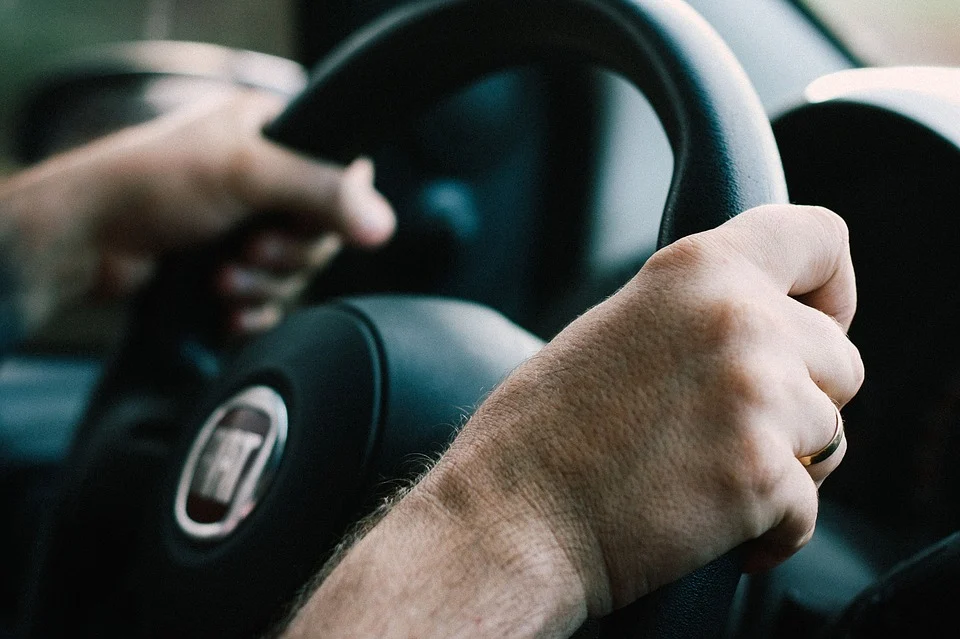
The number one priority for any driver should be ensuring that their car can get them from point A to point B as safely as possible. This isn’t just down to how well they can drive and adapt to risks on the road, but it also depends on how effectively they can manage the vehicle itself. There are several upgrades you can invest in to make your car safer, here are just a few of them.

Link – Pixabay License

Get gadgets to watch behind you

There is a lot of car safety tech out there and it might seem difficult to decide which ones are going to best suit you and your vehicle. However, those that help you better see behind you and your blind spots can be a great help. Blind-spot warning systems are becoming more common, and you may also want to install a reversing camera. Reversing without a good idea of what might be behind you and in your environment can be a risk to other people, not to mention a risk of damage to your car.

Ensure your tyres are quality

Your wheels are where the car meets the road, and the tyres determine how much grip they have and how much you can control your car’s momentum. The better your tyres, the better your grip, momentum, and ability to deal with wet or hot tarmac. A tyres service can help you choose the tyres best suited to your vehicle and make sure that you’re taking the appropriate care of them. Aside from investing in quality, be sure to start looking for replacements when the treads start to wear.

Keeping up with the electricals

Most modern cars have a wide range of electrical systems that keep the various features running as best as possible. While you should pay attention to the warning lights that flare up when this system notices something isn’t right, you should also be aware of the fact that these systems can start to fail after some time. If your car’s electronics are proving to be unreliable, then you might want to look at auto-electrical services and consider replacing the system inside your car. Tech fails at some point and it’s going to require you to either replace the car or replace the electrics.

Making the car more stable

This tip is better suited to those who are, in particular, still developing their driving skills. If this is your first car or you’re sharing the car with a new driver, then electronic stability control (standard on most newer vehicles) can help prevent the loss of the car by applying the brakes if the driver starts to lose control of the wheel. As mentioned, this feature comes as standard in most cars that have been made in the past ten years, so it’s only really a necessary upgrade for older cars.

If you want to be safer on the road, then you have to start with the car. The investments above are just the start, you will be able to find more with a little research.

Contributed Post.

If you like what you’ve read here, please let others know of this post, blog, and site.

And thanks for reading!  🙂

Unknown's avatar

What Can Ruin Your Summer Fun?

It’s possible to have a fun time at any time of the year, but it does seem like summer is the season that presents the most opportunities to have a good time. With the days long and bright, and people generally enthusiastic about having fun, the period between June and September usually stands out as a highlight of the year. However, while there’s plenty of potential for summer to be fun, it’s far from guaranteed. There are plenty of things that can derail your fun. In this blog, we’re going to run through a list of the many things that can take the edge off your summer. Some are trivial, and some are serious, but in any case, you’ll want to avoid them all.

Pexels – CC0 Licence

Sunburn

Everyone wants to get a tan, sure. However, it’s important that you’re trying to bronze yourself safely. Often, people are too enthusiastic when it comes to the sunshine and fail to take the proper precautions. If you’re not staying safe, then you could end up with sunburn — and that can cause both short- and long-term problems. On a short-term basis, it’ll impact your appearance and make sleeping a lot more uncomfortable. And also, it’ll require that you stay out of the sun. On a long-term basis, it can cause wrinkles and even skin cancer.

Overly Hot

The weather is what makes the summer months so fun. However, if things are too hot, then it’ll come as no surprise if you’re not enjoying the season as much as you could do. While there’s usually a week or two where it’s “too hot,” if it stays that way for longer, then it’ll be a miserable time. There are various things you can do to limit the negative impacts of the heat. For example, you can engineer your home so it can remain a cool and relaxing place to be, no matter how hot things get outside. Beyond that, it’s all about hoping that the temperatures dip a little!

Failing to Cement Plans

People tend to get pretty excited for the summer months when spring rolls around. After a long and cold winter, the warmer weather reminds people of all the possibilities of life. And so, people tend to make a lot of plans. The problem is that they only make half plans. They don’t progress beyond the idea stage. And that’s problematic, because, of course, you can only have fun if you put the work into organizing for real! The summer can come and go pretty quickly, so it’s a good idea to get your plans locked in. You’ll only regret it if you don’t! 

Bug Issues

Humans aren’t the only creatures that like the summer months. It’s a favorite for bugs, too. If you’re going to visit the outdoors — which we do recommend — then you’ll have to be prepared to share the space with some bugs. Mostly, they’ll be harmless, but they can be annoying and also itchy, in the case of mosquitos. There are some pretty good bug repellent sprays available, so you can consider stocking up before a camping trip. You’ll find that the less humid it is, the fewer the number of bugs, too. 

Trouble With the Law

Summer should be fun, but it should also be safe. Sometimes, people can become a little too excited and end up doing things that don’t just pose a danger to themselves but also other people. For example, drink driving. While it can be nice to enjoy a beer or glass of wine during the summer, you should never combine that activity with driving. If you don’t, then you may need the services of a DUI Defense Attorney. Your summer will most definitely be one to forget if you get in trouble with the law! So when you’re planning to consume alcohol, make sure you have a plan to get there and home that doesn’t involve driving. 

Unhealthy Living

There’s a lot of value in letting go and having fun during the summer months. However, it’s a good idea not to take this idea too far. You’ll likely have worked hard to get into good shape for the summer months, so you may as well keep things going. Otherwise, you’ll only have to get started all over again when you want to get fit in the future. So look at building some exercise into your schedule. If you’ve been avoiding it because of the heat, then look at going first thing in the morning. You can also keep your health in check by watching what you eat. There are plenty of delicious and healthy salads to enjoy! 

Pexels – CC0 Licence

Not Investing In Your Yard

You won’t want to always go exploring when the sun is shining. If you’ve invested in your yard and made it a fun hangout spot, then you’ll have the option to enjoy the summer warmth right on your own property. All you really need is some outdoor furniture and a BBQ, and you can live well. 

Travel Delays

Summer is the best time to take a trip elsewhere. Alas, when you’re leaving the safety of the comfort of your own surroundings, then you have to be prepared for things to go wrong. Travel delays can put a dampener on your trip. But of course, there’s very little you can do about them, except choose a mode of transportation that will make them less likely (such as driving a car or motorcycle). 

A Lack of Ambition 

Finally, let’s just say this: one thing that can lead to a pretty poor summer is a lack of ambition. As we said at the beginning of the article, there is just so much potential when it comes to the warmer months of the year. But if you don’t see the possibilities, then you won’t make the most of it! You’ll likely have to spend many a month curled up inside during the winter months. When the sun arrives, get outdoors and make things happen. You’ll be happy you did once the dark nights return!

Contributed Post.

If you like what you’ve read here, please let others know of this post, blog, and site.

And thanks for reading!  🙂

Unknown's avatar

Should I Buy My Kid A Drone? The Pros and Cons of Drones For Kids

Image credit.

Drones have become a highly popular birthday or holiday gift for children who love technology. More and more parents are using drones as a way of helping their kids engage with tech  as a new hobby, but are there downsides to this new toy and tool?

Many parents are having this exact dilemma: should I buy my kid a drone? There are so many contributing factors in terms of the effect of drones on all people, both good and bad. In today’s blog, you will learn the pros and cons of drones for kids. 

If you are interested in buying a drone, here’s a guide to purchasing the right drone https://www.drdrone.ca/blogs/drone-news-drone-help-blog/drone-buying-guide-2021

Let’s get on the road to answering the question: should I buy my kid a drone?

The Pros of Drones For Kids

Let’s start with some positives. How can drones be good for kids?

  1. Drones help kids get to grips with contemporary technology.

The next generations of human beings are going to need to understand technology. Fact. While older citizens might be able to get away with being dense around technology, for youngsters, that simply isn’t possible. The world of work, as well as the social side of life, is already dominated by tech – and it’s increasing every day.

By giving your child access to a drone, you show them the responsibility, as well as the ins and outs, of using technology in real time. 

  1. Drones encourage your kids to go outdoors.

Drones can increase your child’s outside time, especially if they are a gamer and like to stay indoors. You can’t fly a drone in the house, so if your child wants to play with their amazing new toy, they need to head to the great outdoors! For parents of kids who love to hide under the duvet, a drone is a great solution that will encourage them to get some sun on their face!

  1. Drones can give your kids valuable photography and tech skills for the future.

As we mentioned before, the world of work is dominated by technology. If your child spends time filming using their drone and gets a good knack for it, it will build skills that will make them employable in the future. If your child has a passion for filming and photography, buying them a drone can nurture that in a very helpful, positive way!

  1. Drones can bring the family together.

Drones are usually not flown solo – you can enjoy them as a whole family. Especially if you take your drone on vacation with you, you’ll get a new perspective of a new place, and be able to use the drone as a great bonding experience with your kids.

The Cons of Drones for Kids

  1. Drones are not 100% safe.

Just like all complex technology, drones aren’t 100% safe. Drones can overheat if they are flown for too long, or are sent up in very hot weather conditions. This can run the risk of fire or burning if you pick up a drone that has overheated in an extreme way.

When you buy your child a drone, you need to be aware of the safety concerns and make sure to teach them how to use the drone responsibly. In addition, you might need to supervise them during their first tries with the drone.

  1. Drones are an expensive gift for a child. 

Drones start at a few hundred pounds or dollars, and can soar into the thousands depending on the type and size of drone you choose. This is an expensive gift for a child, especially if they are unsure of how to fly a drone themselves. If the drone crashes and breaks, it’s a lot of money down the drain! You need to be sure your kid is up to the task of taking care of their drone.

  1. Drones are illegal in some places, and need to be flown with caution. 

If you fly a drone into a zone where they are illegal, such as over a prison, or in certain countries, you could incur a hefty fine – or worse, a criminal conviction. As the parent of the child flying the drone, you’ll be responsible for this; you need to make sure you check out the area in which you are flying the drone and be safe while flying it.

Final Thoughts…

Ultimately, drones are a great tool for teaching kids responsibility and tech skills. Be careful of the downsides and make sure to do your research!

Contributed Post.

If you like what you’ve read here, please let others know of this post, blog, and site.

And thanks for reading!  🙂

Unknown's avatar

Preparing For All Types Of Weather: How To Stay Safe On The Road Come Rain Or Shine

The vast majority of car accidents are caused by driver error. While the weather may not be to blame for every incident, driving in challenging conditions can elevate risks. In this guide, we’ll discuss how to prepare for all types of weather, providing tips to help you stay safe on the roads, come rain or shine. 

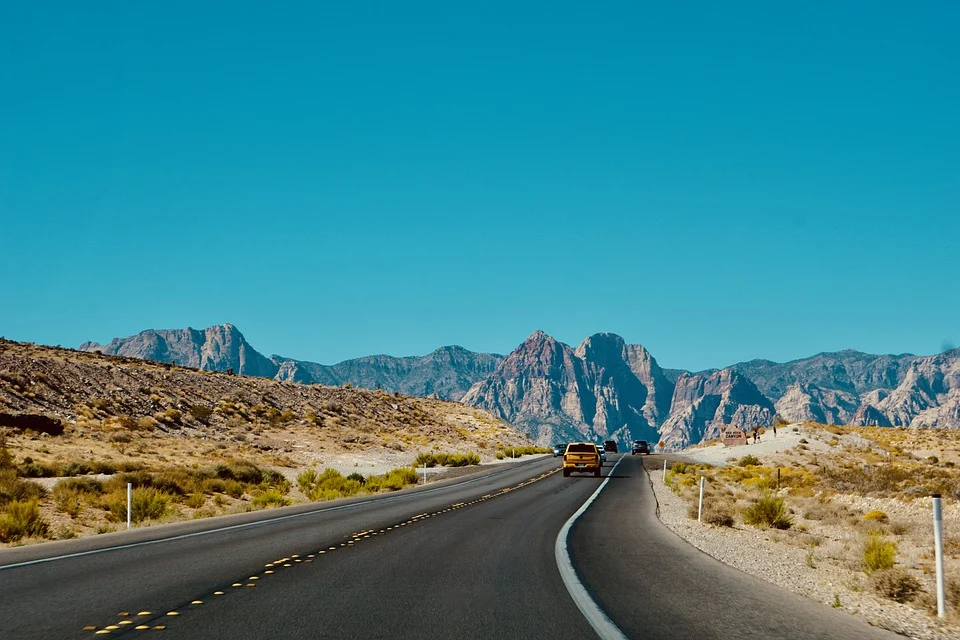
Image source: https://pixabay.com/photos/utah-road-cars-mountains-5641320/

General maintenance and repairs

Keeping your car in good working order is one of the best ways to minimize risks on the road. Check your vehicle before you leave the driveway, keep up to date with tests and inspections, and seek advice if you notice any unusual odors or noises. Maintaining your car will maximize safety and save you money in the long run. 

Driving in wet weather

Most of us have experienced driving in wet weather. Torrential downpours and persistent heavy showers can cause mayhem on the roads, reducing visibility and creating a slippery surface. If it is raining outside, and you’re in the car, it’s important to slow down and increase your stopping distance. Give the vehicles around you plenty of time and space. Make sure your windshield seal is intact and check your wipers regularly. Consider pulling over in a safe place if you can’t see in front of you or water levels are rising to a dangerous level. It’s best to delay your journey if there is a risk of getting stranded or skidding. 

Summer driving tips

Summer poses different challenges from winter but it’s often no less dangerous. The most common problem drivers face on hot, bright days is reduced visibility caused by the sun. The glare of the sun can make it difficult to read signs, to see signals and to determine what other vehicles are doing. If it is sunny outside, use your visor and make sure you have sunglasses with you. Keep back from other vehicles and take extra care to check blind spots when maneuvering or changing position. 

Ice and snow

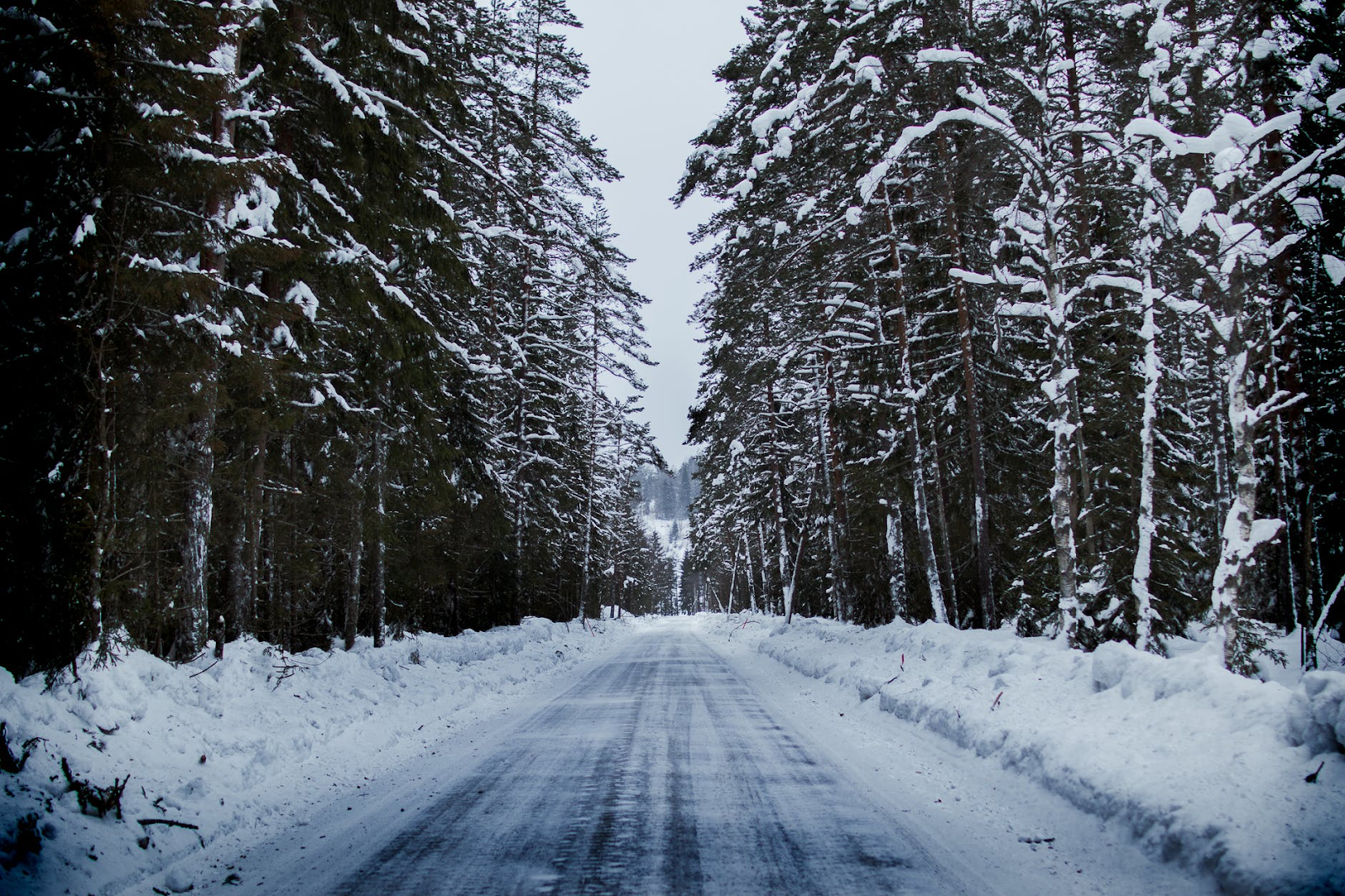
Ice and snow can cause serious issues for drivers of all kinds of vehicles. Icy roads are slippery and snow can block routes, causing travel chaos. Heavy snowfall can also make it impossible to see the roads. If you are driving in winter, and the conditions are poor, check your route in advance, listen out for advice and warnings, and make sure you have supplies with you. It’s always beneficial to carry extra layers, a high-visibility vest, a torch, a first aid kit, blankets and snacks and drinks if you’re going on a long journey. Delay or cancel your trip if authorities are advising against road travel. If the surface is slippery, you will need to reduce your speed and give other cars more time and space. Keep two hands on the wheel and your eyes on the road at all times.

Picture via https://www.pexels.com/photo/snowy-road-between-trees-907284/

The weather can make driving more difficult and dangerous during every season. Whether you’re planning a summer road trip, or you commute come rain or shine, it’s wise to take these tips on board.

Contributed Post.

If you like what you’ve read here, please let others know of this post, blog, and site.

And thanks for reading!  🙂
Unknown's avatar

Ways To Stay Safe On Your Next Road Trip

Photo: Unsplash

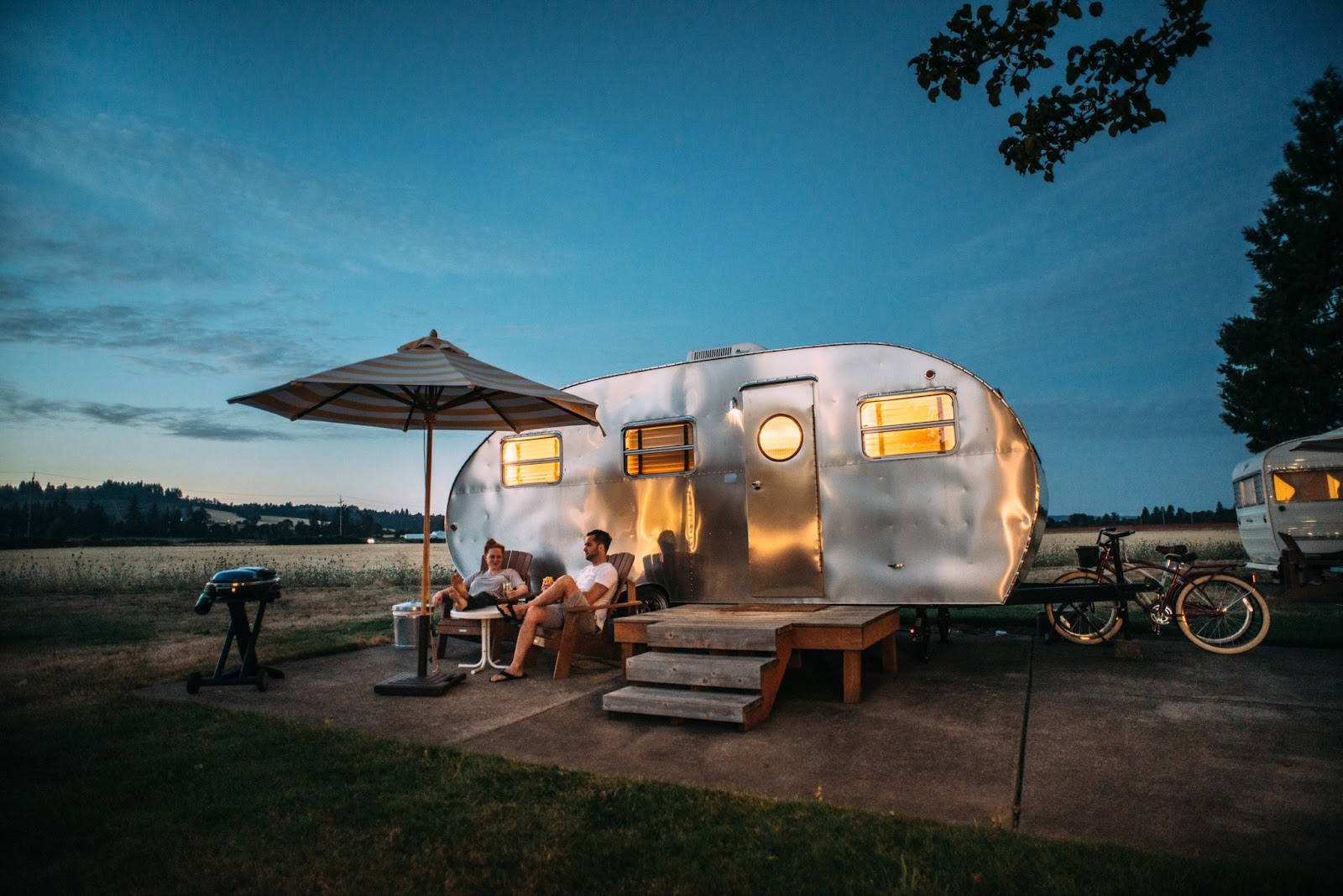
Every traveler  – whether before the first trip or after a negative experience – asks the question: how safe is traveling? The answer is, for the most part, very safe. However, you must take the necessary precautions in order to maintain this safety every time. 

Safety on holiday: safety rules for every holiday

In general, the following safety rules apply to every road trip

  • Leave expensive technical equipment at home.
  • Take travel documents with you in copy and store the originals as safely as possible.
  • Carry money and cheques on your person.
  • Avoid crowds.
  • Do not leave your car unobserved and do not visibly store objects under the seat or in the trunk.
  • Have important addresses and emergency numbers as well as a cell phone at hand.
  • Find out about the legal regulations in the state where you will stay.

With these simple rules, you significantly prevent the risk of becoming a victim of a theft. 

Where is the best in the USA?

If you are USA based, it is best to check the camping parks available but generally when you stick to the designated areas, there is very little risk to your life or belongings. Choose a National Park that is safe and well reviewed. 

Many national parks offer several campsites, the most famous and largest of them often even have places with different comfort standards. However, one should not expect luxury when camping in the national parks of the USA. Most parks offer at least one larger space that also has running water and showers and you may find wash facilities in the visitor center. However, it is often the case that the nicer campsites within the national parks are a bit off the beaten track and are a little more primitive. The best areas for camping are often California, Colorado and Arizona. 

Safety in the motorhome

In a motorhome you can feel much safer than in a tent. However, you must still be aware of any issues that could arise. Such as a gas leak, the motorhome breaking down, running out of water and break ins to the motorhome whilst you are on a hike. It is recommended to avoid these places unattended: 

  • Freeway service areas
  • Cities
  • Unguarded parking spaces in tourist spaces
  • General tourist areas that remain busy

Often residents in smaller, local towns are very generous and will keep an eye on your motorhome. If you want to take additional safety precautions, you can use products such as alarm systems, door locks and gas detectors for the motorhome. You should also consider individual safety. You may want to buy a Survival First Aid Kit, a GPS system, mobile phone chargers, and even pepper spray.

Safety at campsites

Crime on campsites is very low, as criminals are deterred by the possibility of being seen. Usually your camping neighbors are vigilant and CCTV is found on some sites. However, you should always secure your tent and hide valuables in the car. Don’t leave anything on show. Keep treasured possessions at home. Campsites are very safety-conscious so be sure that you research this before you go. This way you can review the site and read other people’s experiences. Don’t be caught out and enjoy an adventurous trip this summer.

Contributed Post.

If you like what you’ve read here, please let others know of this post, blog, and site.

And thanks for reading!  🙂
Unknown's avatar

The Dangers of Drought: How You Can Protect Your Home

In the past year, we’ve faced a global health crisis that has significantly impacted the world we live in. However, what many don’t realize is that we were already in the middle of another crisis before the pandemic- the environmental crisis.

Climate change has been a decades-long issue, with humanity being the major cause of the global environmental crisis we’re facing to this day. This is due to the numerous human activities like deforestation, the burning of fossil fuels, overpopulation, and overconsumption, which in turn produce greenhouse gases and waste, among other pollutants. The effects of this crisis are seen all across the world, with ice caps melting, sea levels rising, extreme heat, and droughts. And not only are its effects threatening us, our livelihood, and wildlife, but it also threatens the future of our whole planet.

While we make the slow journey towards rehabilitating our planet, it’s also important to know how to protect ourselves whenever a natural disaster caused by climate change occurs.

How Droughts Affect Your Home

Across the world, drought affects more people compared to any other natural disaster, with 55 million people affected by drought every year. This poses a hazard not only to your health, livestock, and crops but also to your home.

With nearly half of the United States currently affected by some level of drought that is also expected to get worse in the near future, it’s important to know how it affects our homes and what we can do to protect our property. For instance, if your area is going through a serious drought and your home is built on reactive clay soil, this could significantly impact your home. This is because reactive clay soil expands and contracts, depending on the weather condition outside. If the weather is cool and the soil is moist, the material expands. If it’s extremely hot, on the other hand, this can cause any moisture in the soil to quickly evaporate and cause it to shrink.

In turn, your house sinks, which can put immense pressure and even damage the foundations of your home. Just like droughts themselves, the signs that it’s affecting your home are gradual, and in most cases, you won’t notice them until it’s too late.

What You Can Do to Protect Your Home in Times of Drought

As they say, prevention is better than cure, and the same goes for protecting your home from droughts. Knowing the preventative measures to keep your house safe during both mild and extreme droughts will not only help you avoid any damages to your home but will also protect you and the rest of your household. The best preventative measure for drought protection is maintaining your property, from inspecting your home for any needed repairs or cleaning to avoiding lighting fires. Use these tips to help you prevent foundation damage to keep you and your household safe during a drought.

Inspect Your Home Regularly

The first step to protecting your home from the effects of drought is by inspecting your home often. If you spot anything that you find worrisome, take a photo that you can use for comparisons later on. If it looks minor, just keep an eye on them and observe if anything else happens. On the other hand, if you notice something more serious, it’s important to contact a professional before it causes serious damage that could end up costing you more later on.

Some of the signs of drought-induced damage in your home include:

  • Sloping or sinking floors
  • Bouncing floors
  • Gaps between walls
  • Cracks around your home

Clean Out Your Gutters

During a drought, gutters are likely one of the last things on your mind. However, they’re more important than you think. You never know when the weather might change, and since gutters are your home’s way of rerouting water, it’s important that you keep them clean in the event that it rains. This way, you won’t end up over saturating your soil with water and end up damaging the foundation.

Keep Foundation Moist

When you think about watering, your mind may immediately think of watering plants. While this is true, what many people don’t know is that your house’s foundation needs watering too. You can help prevent your foundation from sinking by keeping your soil’s moisture at a normal level. You can do this by watering the ground and using a soaker hose around your house to keep your soil nice and moist. If you’re constantly busy, you don’t need to worry, as this only needs to be done every week.

You can also consider adding mulch to the soil near your home’s foundation, allowing moisture to evaporate more slowly, reducing your frequency of having to water your foundation.

Give Your Fire Pit a Break

Since both the air and ground are extremely dry during droughts, lighting a fire can become dangerous fast. Give your fire pit a vacation during this time to avoid any accidental fires.

If you live in areas that experience drought often such as Texas, New Mexico, and California, it’s important to always stay prepared. Remember to conserve water, make sure your home doesn’t have any leaks, and most importantly, take preventative measures to keep your foundation from drying out and damaging your home.

Contributed Post.

If you like what you’ve read here, please let others know of this post, blog, and site.

And thanks for reading!  🙂